

Are Nuts Gluten-Free? What’s Safe And What’s Not
Are nuts gluten-free? Yes, most nuts are naturally gluten-free, but not all nut products are safe. The risk comes from processing, flavorings, and cross contamination with wheat. This guide explains which nuts are safe, which ones may contain gluten, and how to read labels correctly.
You will also learn how to choose better options in stores so you can follow a gluten free diet with confidence.
🍪 Enjoy Nutty Crunch with Almond Flour Cookies and Toasted Pecans!
Are Nuts Gluten-Free?
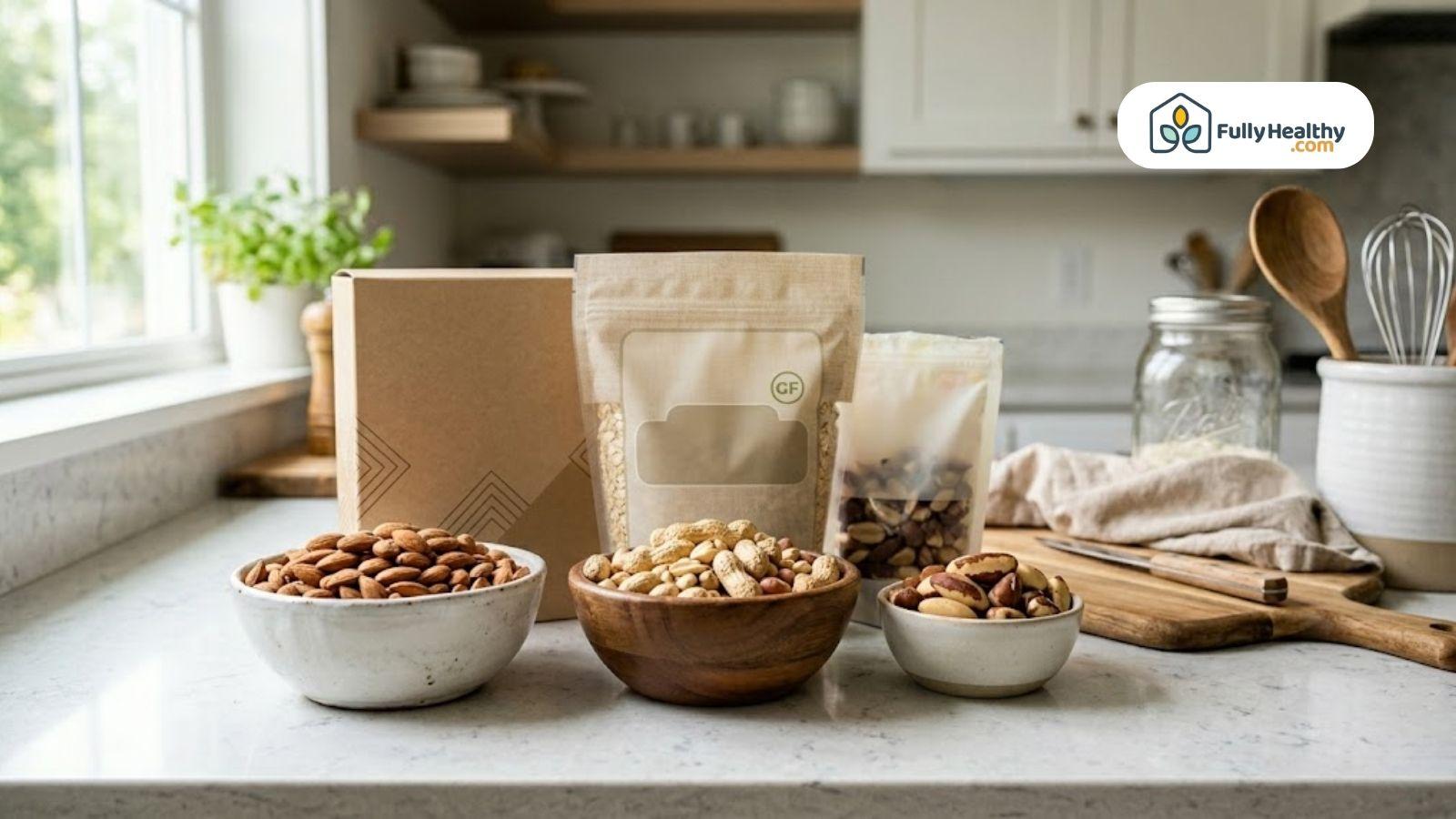
Most people asking are nuts gluten-free want a clear answer before adding them to a gluten free diet. The answer is simple, but preparation and processing create important differences.
Why Most Nuts Are Naturally Gluten-Free
Yes, nuts are gluten-free status when they are plain nuts without added ingredients or processing risks. Almond, peanuts, and tree nuts like brazil nuts are naturally gluten free because they do not come from gluten grains.
-
Plain nuts: Whole almonds, peanuts, and many nuts are considered gluten free in their raw or roasted form.
-
Naturally gluten free: Nuts do not contain wheat, barley, or rye, so they do not contain gluten proteins.
-
Gluten sources: Gluten comes from grains and flour, not from nuts or nut flours made from almonds.
-
Safe choices: Raw or simply salted nuts with no added flavorings or coatings are safest. Some dry-roasted nuts may use wheat-containing ingredients.
-
Diet fit: Nuts work well in gluten free recipes and support a balanced diet without gluten ingredients.
Where Gluten Risk Comes In
The risk of nuts containing gluten comes from how they are processed, flavored, or packaged in grocery stores. Many nut products pick up hidden gluten during manufacturing or from added coatings.
-
Cross contamination: Nuts processed on shared equipment or same equipment as wheat can contain gluten traces.
-
Flavorings: Coatings like soy sauce or spice blends may contain wheat or gluten containing ingredients.
-
Mixed products: Trail mixes, crackers, and nut mixes often include gluten containing snacks.
-
Facility risk: Products made in the same facility or same equipment as gluten foods may contain wheat.
-
Label warning: Some products carry voluntary advisory statements such as ‘may contain wheat,’ but these statements are not standardized and should not be the only safety check.
What Nuts Are Not Gluten-Free?
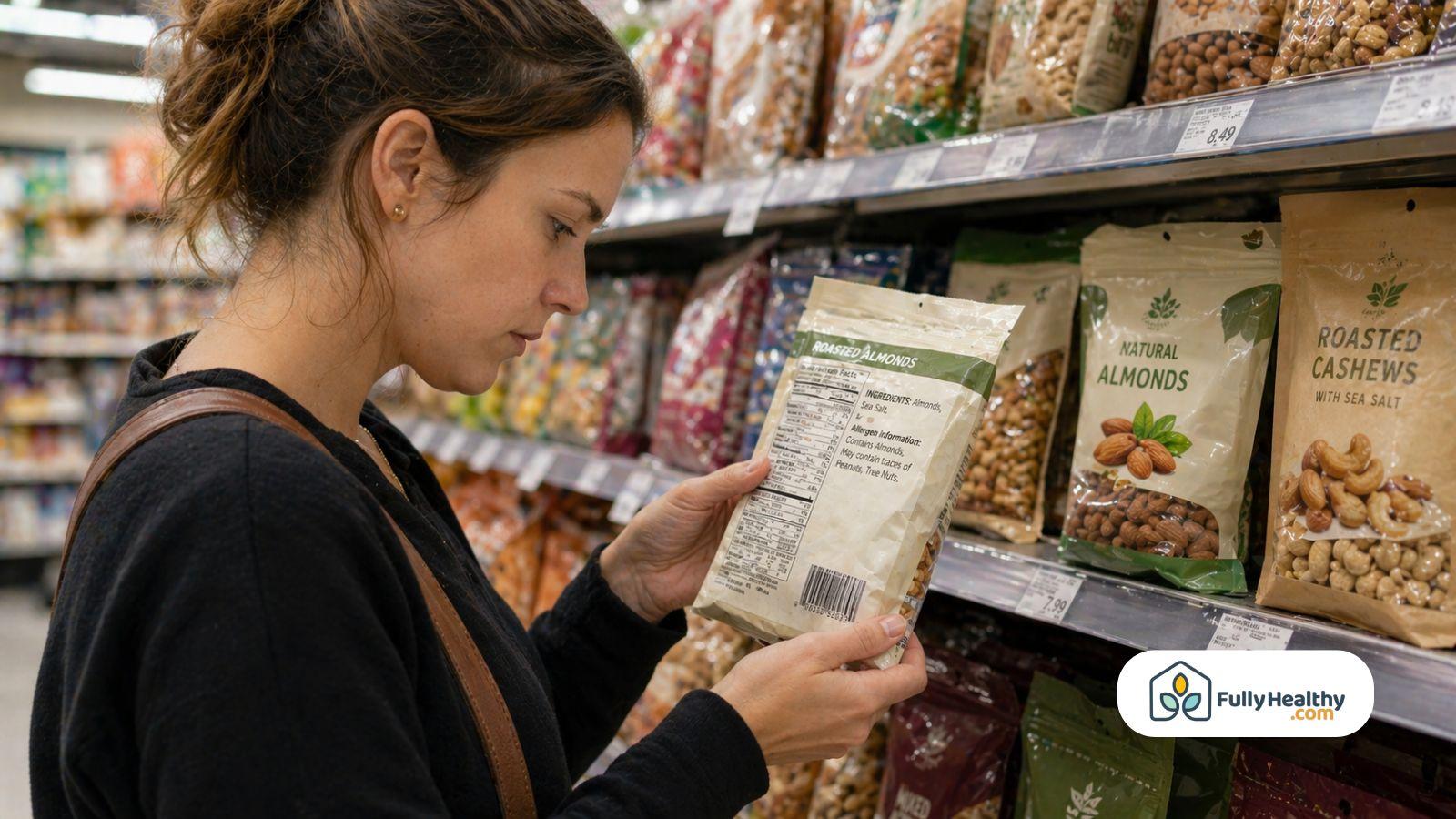
Not all nut products are safe, even if many nuts start as gluten free foods. The problem comes from added ingredients and processing methods that introduce gluten.
Types Of Nuts That May Contain Gluten
Some nuts are not gluten free because they include coatings, flavorings, or ingredients that contain gluten. These added elements turn naturally gluten free nuts into products that contain gluten.
-
Flavored nuts: Wasabi, smoke-flavored, or soy sauce coated nuts may contain wheat or barley malt.
-
Jordan almonds: Candy-coated almonds often use sugar coatings with gluten ingredients or starch binders.
-
Roasted nuts: Some dry roasted peanuts use wheat flour or starch to hold seasoning.
-
Nut mixes: Gourmet nuts or mixed snacks often include crackers or baked goods with gluten.
-
Processed products: Nut brands may add flavor blends that contain gluten without clear labeling.
High-Risk Situations To Avoid
Some environments and storage methods increase contamination risk even when nuts start gluten free. These situations require extra careful attention when buying food in many supermarkets.
-
Bulk bins: Shared scoops and spills in grocery stores increase contamination from gluten foods.
-
Trail mixes: Often include pretzels or grains that contain gluten and contaminate the nuts.
-
Shared equipment: Processing on shared equipment or same equipment exposes nuts to gluten residue.
-
Packaging risk: Products labeled may contain wheat signal possible cross contamination.
-
Label gaps: Some nut products are not labeled gluten free, so always read labels and double check.
Should Celiacs Avoid Nuts?
People with celiac disease or gluten intolerance often question if nuts are safe in daily food choices. It all depends on choosing the right type and avoiding contamination.
Are Nuts Safe For People With Celiac Disease?
Yes, nuts are safe for people with celiac disease when they are plain nuts without added gluten or contamination. They are considered gluten free and can support a healthy gluten free diet.
-
Safe base: Plain nuts like almond, peanuts, and tree nuts are safe when not processed with gluten.
-
Celiac disease: This condition requires strict avoidance of gluten containing ingredients and contamination.
-
Hidden gluten: Processed nut products may contain gluten from coatings or shared facility handling.
-
Health support: Nuts provide nutrients and fit into gluten free recipes without gluten risk.
-
Guidance: Organizations like National Celiac Association stress careful label review.
How To Choose Safe Nut Products
Choosing safe nut products requires careful reading of labels and awareness of how foods are processed. A few simple steps reduce risk and improve confidence when eating nuts.
-
Check labels: Always read labels and ingredients list for gluten ingredients or may contain warnings.
-
Certified gluten free: Choose certified gluten-free nuts that are routinely tested for safety.
-
Avoid risk items: Skip flavored nuts, gourmet nuts, and products with soy sauce or coatings.
-
Shop smart: Buy from health food stores or reliable brands that control contamination and processing.
What Food Is Surprisingly Gluten-Free?
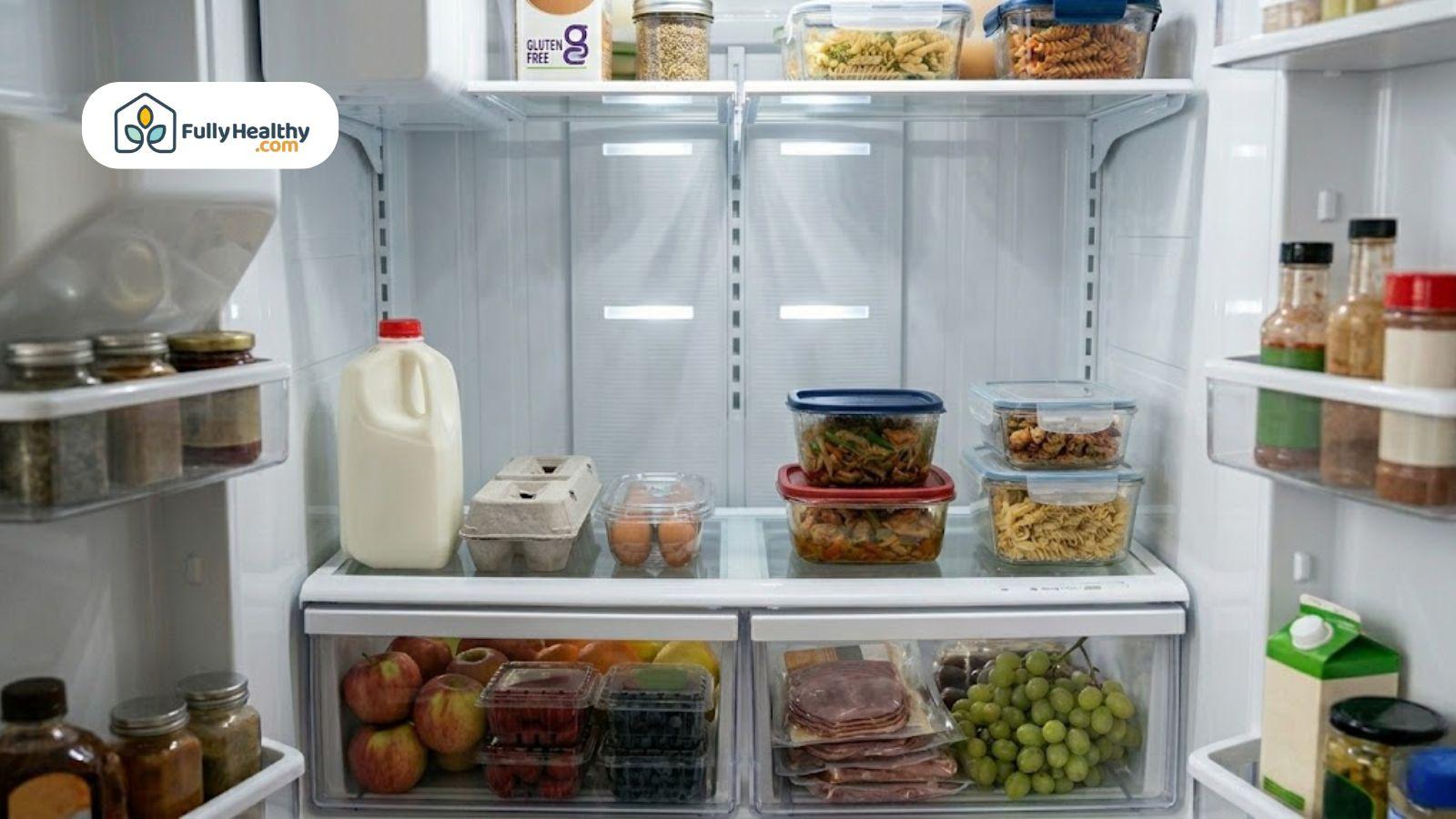
Many everyday foods are naturally gluten free but still misunderstood by people starting a gluten free diet. Understanding these foods helps expand safe choices beyond just nuts.
Common Foods People Don’t Expect To Be Gluten-Free
Several common foods are considered gluten free because they do not come from gluten grains. These foods can support a balanced diet without relying on processed alternatives.
-
Whole foods: Rice, potatoes, eggs, milk, and many nuts are naturally gluten free foods.
-
Protein sources: Meat, fish, and peanuts are safe when not processed with gluten.
-
Plant foods: Fruits, vegetables, and tree nuts provide safe nutrition without gluten.
-
Nut products: Nut flours made from almonds are gluten free and used in baked goods.
-
Daily diet: These foods form the base of a healthy gluten free diet without gluten ingredients.
Why These Foods Are Still Sometimes Unsafe
Even naturally gluten free foods can become unsafe due to processing, packaging, or added ingredients. Hidden gluten often appears in unexpected ways that require careful attention.
-
Hidden gluten: Sauces, marinades, and flavorings may contain wheat or gluten ingredients.
-
Processing risk: Foods processed in shared equipment or same facility can contain gluten traces.
-
Packaging issues: Labels may include may contain wheat warnings due to contamination risk.
-
Mixed foods: Products like trail mixes or snacks may combine gluten free and gluten foods.
-
Reading labels: Always double check and read labels to confirm products are labeled gluten free.
About FullyHealthy
Finding reliable gluten free products can be difficult without trusted sources that prioritize safe ingredients. FullyHealthy focuses on curated products that support gluten free living.
What FullyHealthy Offers
FullyHealthy provides a selection of gluten free, non gmo, and specialty diet foods that help people avoid gluten. The platform focuses on clean ingredient products and safer options for those with gluten intolerance.
-
Curated products: Offers gluten free foods selected for quality and ingredient transparency.
-
Diet support: Helps people following a gluten free diet avoid gluten containing foods.
-
Clean labels: Focus on simple ingredients without hidden gluten or unnecessary additives.
-
Convenience: Provides access to trusted nut brands and specialty items in one place.
-
Health focus: Supports safer eating for people managing celiac disease or gluten sensitivity.
Gluten-Free Products To Try
Some products stand out for their simple ingredients and gluten free safety, especially for those avoiding contamination. These items support easy snacking and meal preparation without gluten risk.
-
Mauna Loa Hawaiian Sea Salt Macadamia Nuts: Simple macadamia nuts with minimal ingredients, making them a reliable gluten free snack option.
-
Base Culture Gluten-Free Seven Nut And Seed Bread: Nut-based bread made from clean ingredients, offering a gluten free alternative to traditional wheat baked goods.
-
Wild Zora Instant Grain-Free Hot Cereal: Grain-free cereal that supports gluten free diets and helps reduce risk from gluten containing grains.make it easier to eat safely without constant concern about gluten.
Final Thoughts
Nuts are considered gluten free, but risk comes from processing, shared equipment, and hidden gluten in nut products. Plain nuts like almonds, peanuts, and tree nuts are safest when labeled gluten free or certified gluten free.
Always read labels, check the ingredients list, and double check items from grocery stores, health food stores, and many supermarkets to avoid contamination. Stay extra careful and eat with confidence.
FAQs
Are Gluten Free Nuts Always Safe To Eat?
No, gluten free nuts are safe only when plain nuts like whole almonds, brazil nuts, and peanuts are labeled gluten free, since many brands, nut mixes, and nut products may contain wheat or contain gluten from shared equipment.
Does Peanut Butter Have Gluten?
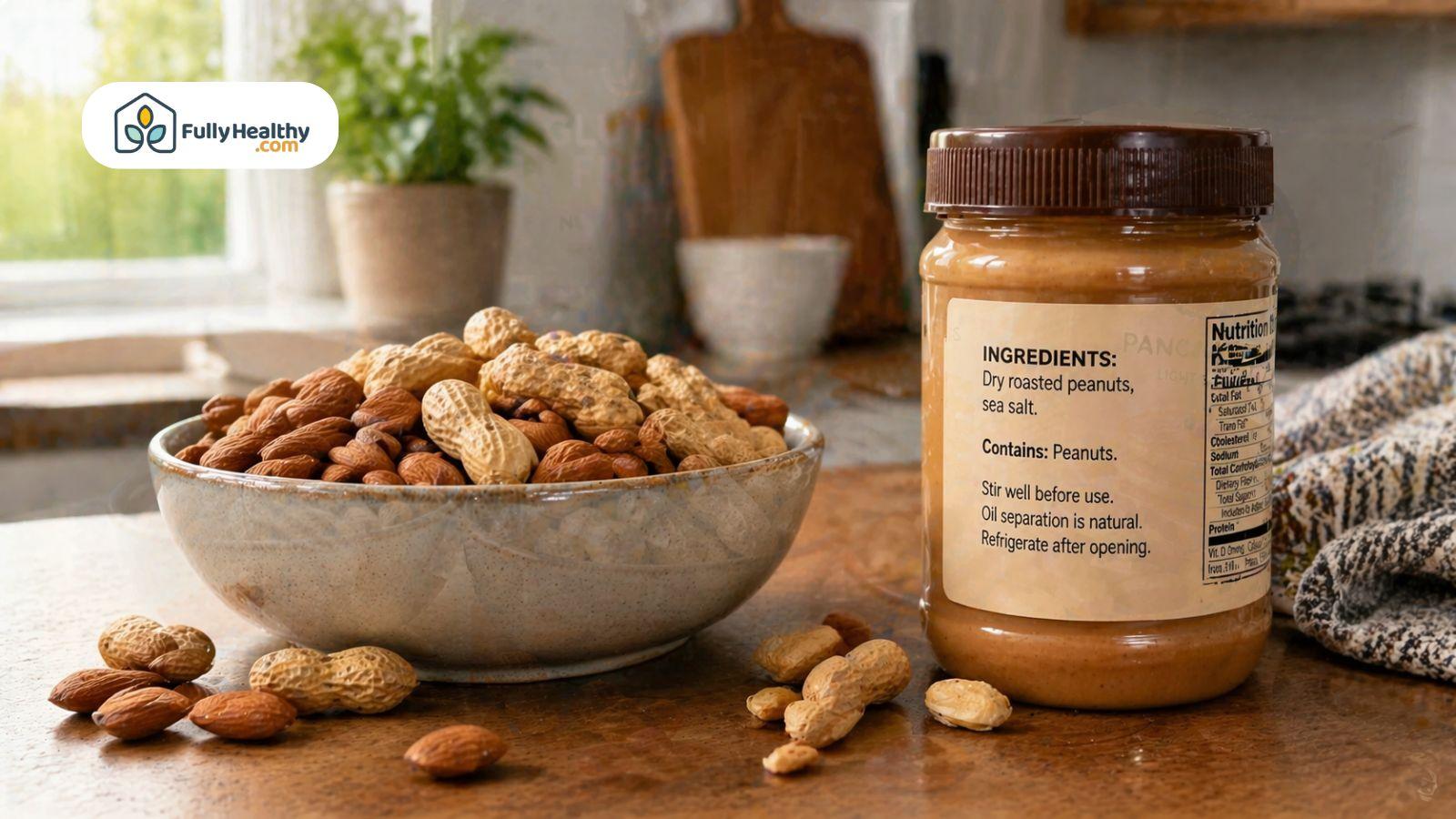
No, peanut butter is considered gluten-free, but some brands may contain gluten if ingredients list includes soy sauce, flour, or are processed in same equipment.
What Triggers Celiac Disease Later In Life?
Coeliac disease or celiac disease can be triggered by genetics and gluten exposure from gluten containing foods like wheat, especially with repeated contamination.
What Are The First Signs Of Being Gluten Intolerant?
Gluten intolerance signs include bloating, fatigue, and reactions after eating gluten foods like baked goods, crackers, or contaminated nut products.
Are Eggs High In Gluten?
No, eggs are naturally gluten free and safe in a gluten free diet along with milk, almond, nut flours, and many nuts.
Leave a comment