

Can Cats Eat Apples? What’s Actually Safe for Your Cat
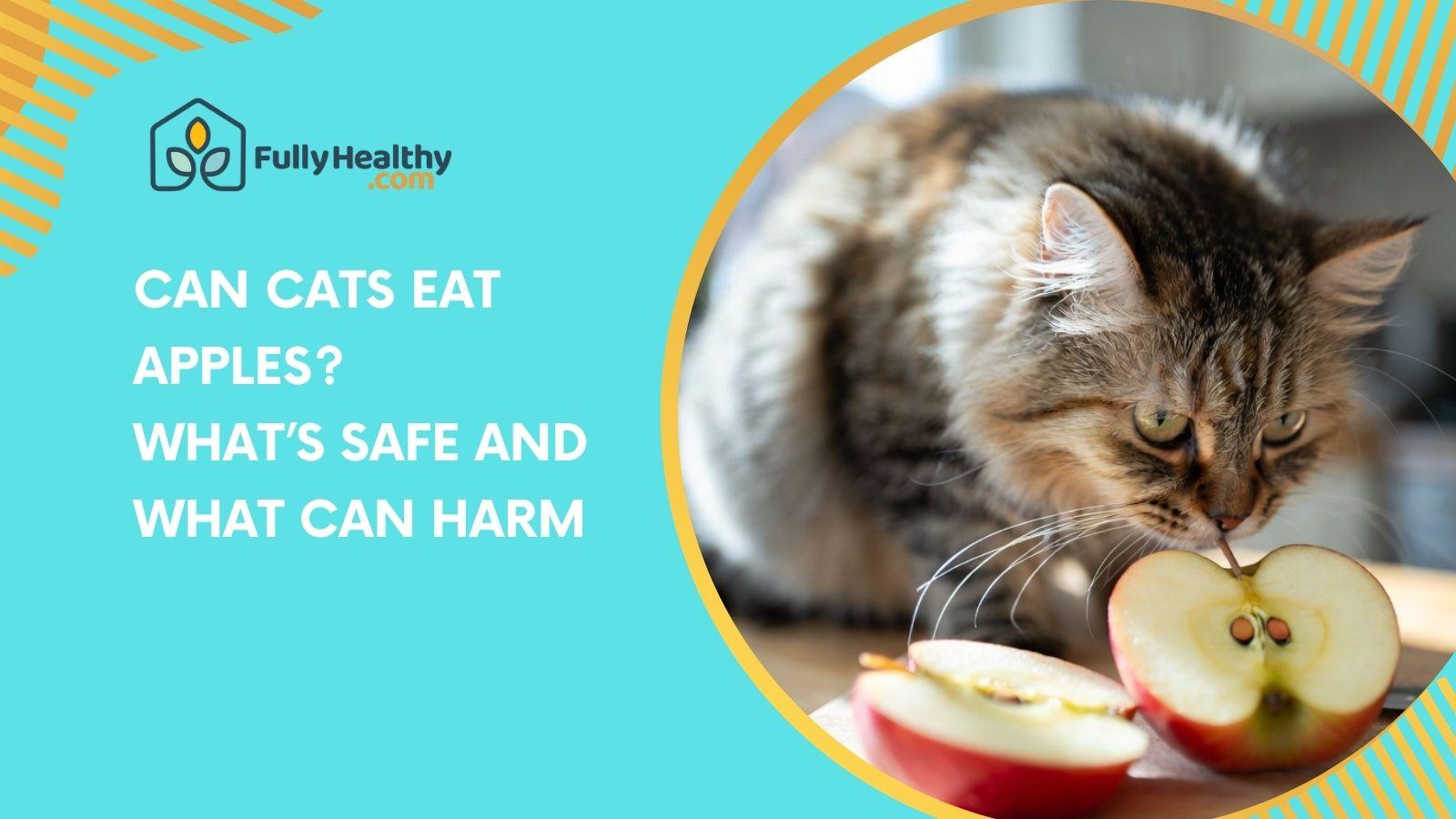
Can cats eat apples? Yes, small amounts of apple flesh are generally safe for cats when properly prepared. However, apples should only be an occasional treat, not part of a daily diet. This article explains safe portions, toxic parts like apple seeds, and how apples fit into a cat’s diet without causing digestive issues or too much sugar intake.
Can Cats Eat Apples?
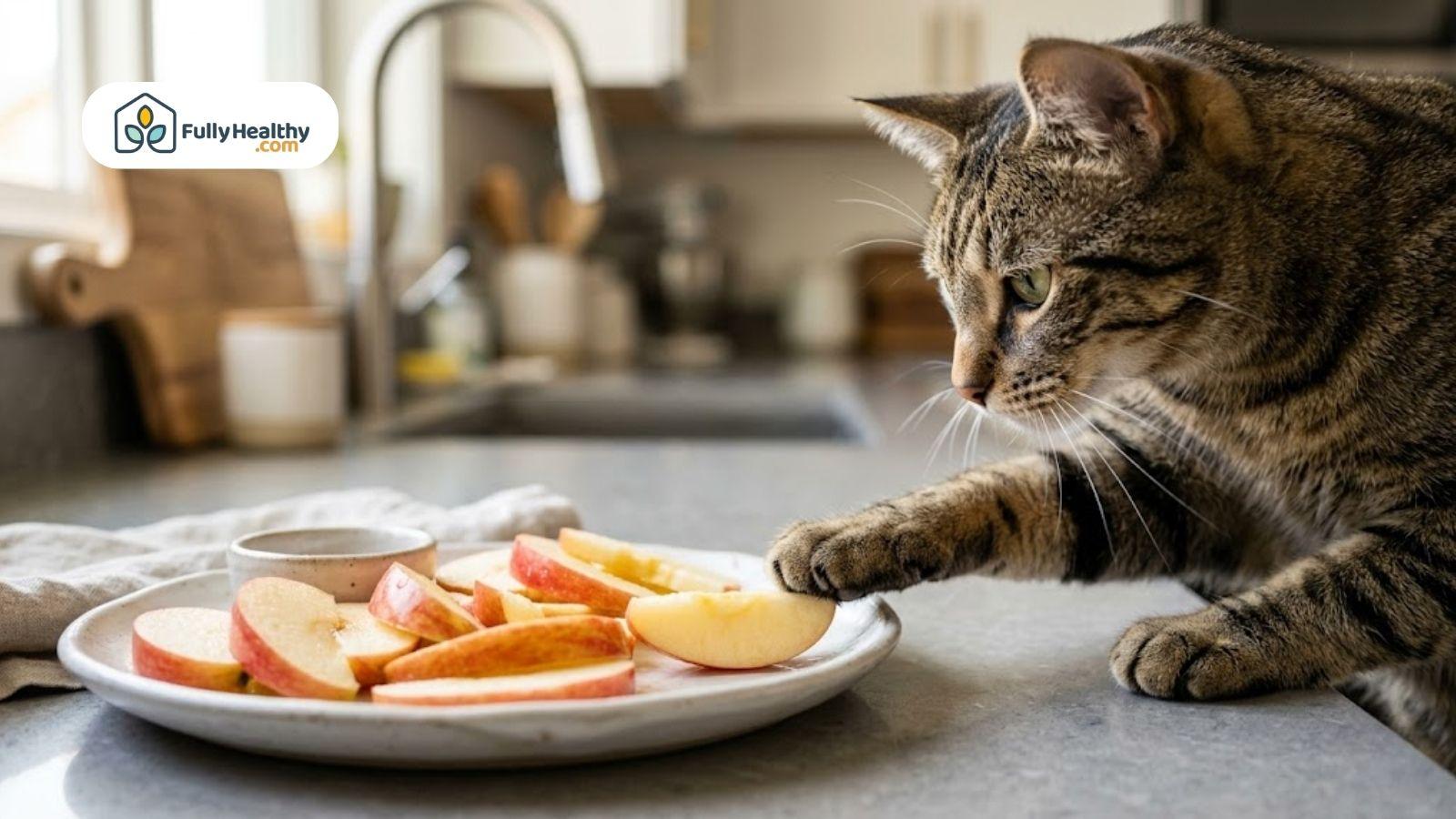
Many pet owners ask about apples as part of human foods introduced into a cat's diet. Apples can be offered in small amounts, but they are not essential for daily nutrition.
Apple Safety For Cats Explained
Yes, small amounts of apple flesh are generally safe for cats when properly prepared, but they are not needed for a balanced diet. Cats are obligate carnivores, so their digestive systems are designed for animal products, not plant-based foods.
-
Safe for cats: Only plain apple flesh in small, bite sized pieces.
-
How much apple: How much apple: Offer only 1–2 tiny pieces occasionally, and keep treats under 10% of daily calories.
-
Feeding cats apples: Treat only, not part of regular diet.
-
Balanced diet: Cats need animal products for all the nutrients.
-
Sugar content: Natural sugar still adds up in large quantities.
-
Health benefits: Minimal compared to protein-based foods.
-
Kittens eat apples: Apples are not recommended because growing kittens need a complete, growth-formulated diet.
Toxic Apple Parts And Why They Matter
Not all parts of apples are safe, and improper feeding can lead to serious health issues. Apple seeds, stems, and leaves contain substances that are toxic to cats and must always be removed.
-
Apple seeds: Contain cyanide compounds, and while toxicity usually requires larger amounts, seeds should always be removed.
-
Toxic to cats: Seeds, stems, and leaves contain cyanide compounds and should not be fed.
-
Whole apples: Dangerous if given without removing core and seeds.
-
Cyanide poisoning: Can affect breathing and overall health if ingested.
-
Same basic precautions: Wash, peel, and remove all unsafe parts.
-
Cat's stomach: Sensitive to plant toxins and difficult to process them.
What Fruit Is Not Toxic To Cats?
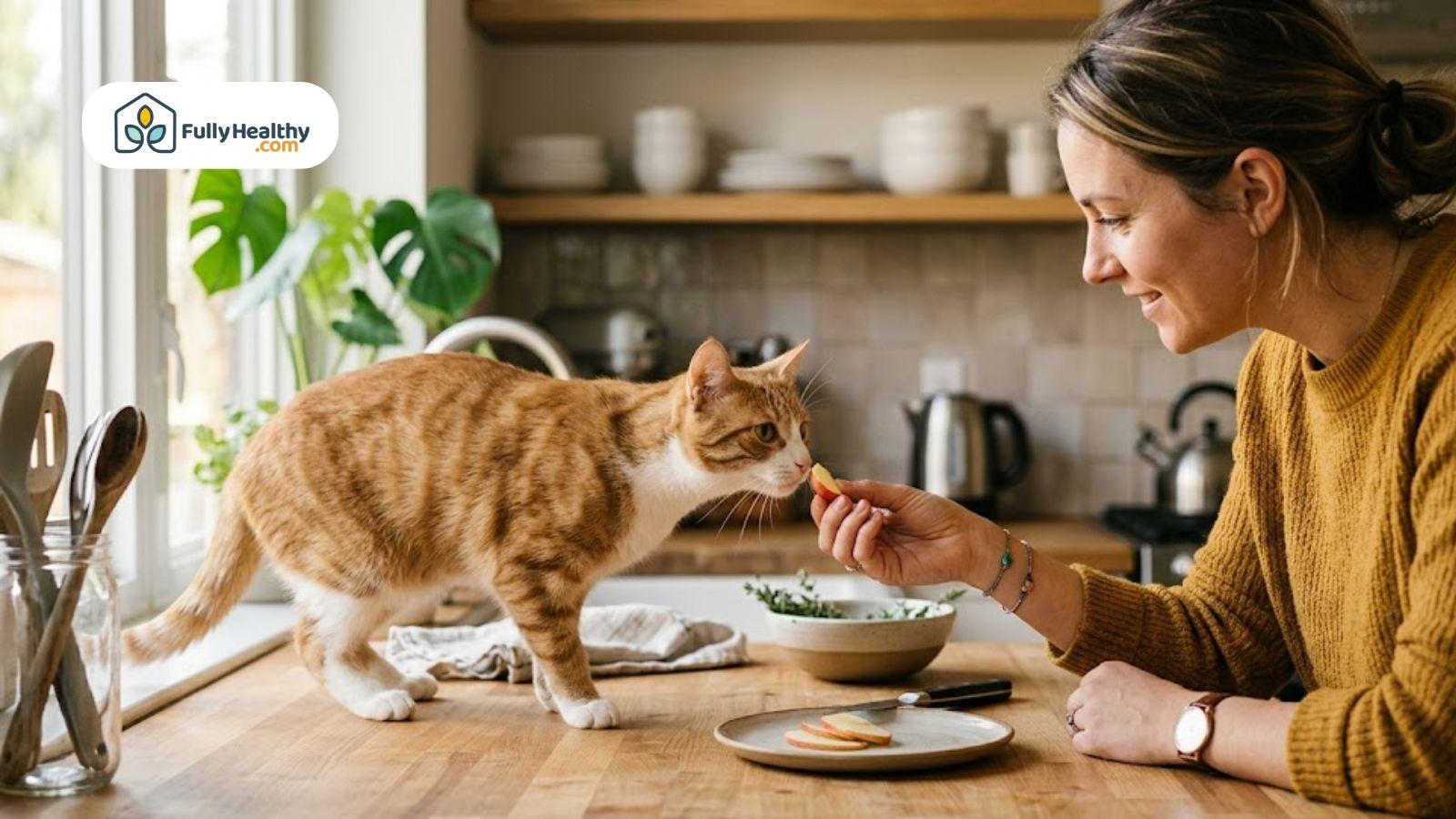
Cats can eat fruit in moderation, but only certain options are considered safe and suitable as occasional treats. Not all fruits provide the same level of safety or nutritional value.
Safe Fruits Cats Can Eat In Moderation
Several fruits are generally safe for cats when prepared correctly and served in small amounts. These can be used as an occasional healthy snack without replacing a specially formulated diet.
-
Safe fruits: Blueberries, bananas, strawberries, watermelon, cantaloupe.
-
Preparation: Always remove seeds, peels, and pits before feeding.
-
Bite sized pieces: Reduce choking risk and support digestion.
-
Moderation: Prevent too much sugar intake and digestive issues.
-
Other fruits: Rotate options but keep portions small.
-
Vitamin c: Present in fruits but not required in a cat's diet.
Fruits and Treats That Cats Should Avoid Or Limit
Some fruits are not safe for cats or may lead to digestive problems due to acidity or high sugar content. Limiting these helps prevent stomach upset and long-term health issues.
-
Toxic fruits: Grapes and raisins should never be given.
-
Citrus items: Lemon juice may irritate the cat's stomach.
-
Too much sugar: Leads to digestive issues and weight concerns.
-
Dried apples: Concentrated sugar makes them unsuitable.
-
Apple juice: High sugar and not recommended for cats.
-
Candy apples: Added sugar and coatings make them unsafe.
Do Cats Like Sweet Foods?

Cats respond to food differently than humans due to their biology. Their interest in fruits and sweets is not driven by sugar taste but by other sensory factors.
Lack Of Sweet Taste Receptors In Cats
Cats do not have the genetic ability to taste sweetness, which explains why sugar does not attract them the same way it does humans. Their feeding behavior is based on protein needs instead of sweet flavors.
-
Taste receptors: Cats lack the receptors needed to detect sweetness.
-
Obligate carnivores: Prefer meat-based nutrients over plant sugars.
-
Digestive systems: Not built to process large amounts of sugar.
-
Cat sweets: Do not appeal based on taste alone.
-
Sugar intake: Provides no real nutritional benefits for cats.
Why Cats Show Interest In Fruits Or Desserts
Cats may show curiosity toward fruits and desserts due to smell, texture, or creaminess rather than sweetness. Their behavior is driven by sensory cues, not sugar preference, which often confuses many pet owners.
-
Curiosity: Cats investigate new foods using smell and texture first.
-
Creaminess: Smooth and rich textures can be appealing to feline friends.
-
Human foods: Familiar smells from shared spaces can trigger interest.
-
Texture appeal: Soft, moist, or juicy foods can seem interesting.
-
Protein cues: Some scents resemble animal-based foods cats naturally prefer.
-
Not sweetness: Interest is not linked to sugar since cats lack sweet taste receptors.
How To Properly Introduce New Food To Cats?
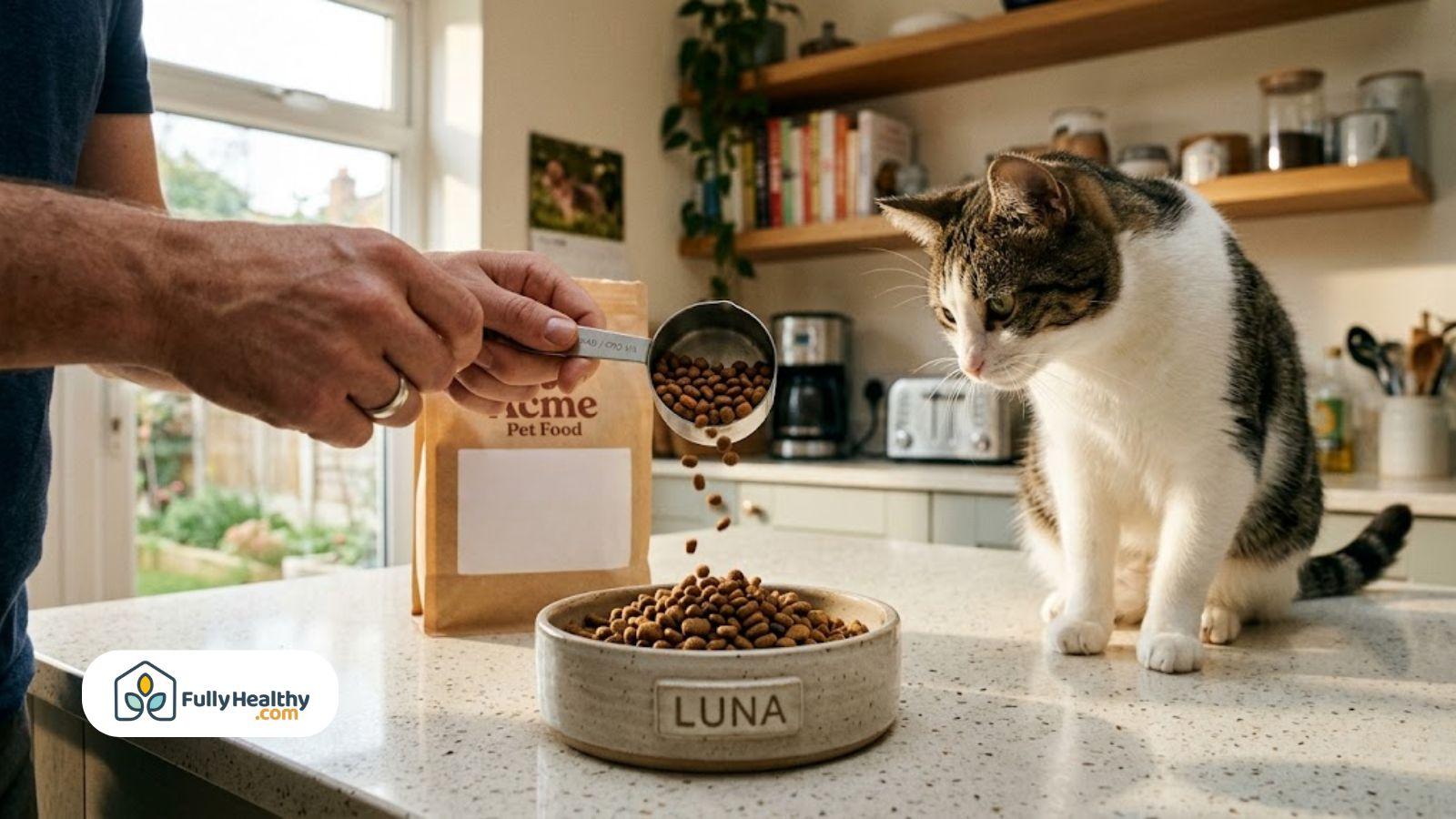
Introducing new foods like apples should be done slowly to protect a cat's stomach and avoid digestive issues. A structured day-by-day approach helps reduce stomach upset and supports a smooth transition.
Gradual Food Introduction Process For Cats
A 7 to 10 day transition allows cats to adjust safely to new foods while maintaining a stable daily diet. This method helps feline friends adapt to changes in texture, smell, and composition.
-
Days 1 to 2: Feed 75% current food and 25% new foods.
-
Days 3 to 4: Serve 50% current food and 50% new foods.
-
Days 5 to 7: Feed 25% current food and 75% new foods.
-
Days 8 to 10: Serve 100% new foods only.
-
Start small: Add tiny bite sized pieces of apple flesh during early days.
-
Cooking process: Use plain cooked apples for easier digestion.
-
Pureed foods: Use small amounts if texture helps acceptance.
Signs Of Food Intolerance Or Digestive Issues
Cats may react differently during the transition, especially when new foods are introduced too quickly. Monitoring early warning signs helps prevent further health issues.
-
Upset stomach: Vomiting or visible discomfort after eating.
-
Digestive issues: Diarrhea or loose stool during transition.
-
Lethargy: Lower energy or reduced movement.
-
Cat's stomach: Sensitivity increases with rapid changes.
-
Refusal to eat: Avoidance of new foods or reduced appetite.
-
Adjust pace: Extend transition period if symptoms appear.
Too much apple: Can trigger stomach upset quickly.
About FullyHealthy Clean Food Marketplace
FullyHealthy focuses on clean, simple ingredients designed for human consumption, highlighting natural and minimally processed food options. The platform emphasizes transparency, sourcing, and ingredient quality across its product range.
Overview Of FullyHealthy
FullyHealthy offers products made with minimal ingredients and supports allergen-friendly, clean-label choices for everyday eating. The focus is on providing accessible options that align with dietary preferences and ingredient awareness.
-
Human consumption: Products are designed for people and everyday use.
-
Clean ingredients: Focus on simple, natural, and recognizable components.
-
Balanced diet: Supports mindful eating with whole food options.
-
Specially formulated products: Created to meet specific dietary preferences and needs.
Apple-Based Products From FullyHealthy
Many apple-based products include added sugar or processing that changes their nutritional profile compared to whole apples. Even natural options can vary in sugar content, texture, and ingredients depending on how they are prepared.
-
That’s It Apple Blueberry Fruit Bar: Contains concentrated fruit sugars and is made for human consumption, not suitable for a cat's diet.
-
Eden Foods Organic Apple Butter Spread: May include added sugar and concentrated fruit, which can cause digestive issues in cats.
-
Wild Zora Air-Dried Organic Orchard Fruit Mix: Dried fruit mix with high sugar content that is harder for a cat's stomach to process.
-
Bare Fruit Organic Cinnamon Apple Chips: Includes cinnamon and dried apples, both unsuitable due to sugar concentration and added ingredients.
-
Bragg Organic Apple Cider Vinegar With The Mother: Highly acidic and not appropriate for a cat's stomach or digestive systems.
-
Jack’s Paleo Kitchen Apple Cinnamon Trail Mix Bites: Contains multiple ingredients, including added sugar and spices, making it unsafe for cats.
Final Thoughts
Apples can be offered in small portions as cat treats, but they should not replace a balanced diet built for adult cats. While cats eat fruit occasionally, they do not get the same benefits, and too much sugar may affect the immune system.
Always prepare properly if you plan to feed apples, and keep portions minimal to avoid issues. Stick to simple, safe choices and prioritize proper nutrition first for long-term health.
FAQs
Can cats drink apple juice safely?
It is not recommended for cats to drink apple juice because high sugar content offers no same benefits and may affect the immune system.
Can cats eat applesauce in small amounts?
Cats eat applesauce only if plain and unsweetened, but it should still be limited as an occasional cat treats option.
Is apple juice safe for adult cats?
Apple juice is not ideal for adult cats since it contains too much sugar and does not support a proper diet.
Can cats eat apple pie or sweet desserts?
Cats eat apple pie and cats eat candy apples is unsafe due to sugar, additives, and ingredients not suitable for cats.
Which fruit is poisonous to cats?
Cats should not be given grapes, raisins, citrus fruits like lemons, limes, and oranges, as well as avocados and cherries, since these can lead to serious health problems such as kidney failure or digestive upset.
Leave a comment