

How Much Protein Is In A Banana? What You’re Actually Getting
How much protein is in a banana? A one medium banana has about 1.3 grams of protein, so it is not a high protein food. Still, bananas are nutritious and support daily health. They provide energy, dietary fiber, potassium, and vitamin C. This article explains protein content by size, how bananas compare to other fruits, and how to include them in a balanced diet.
How Much Protein Is In A Banana?
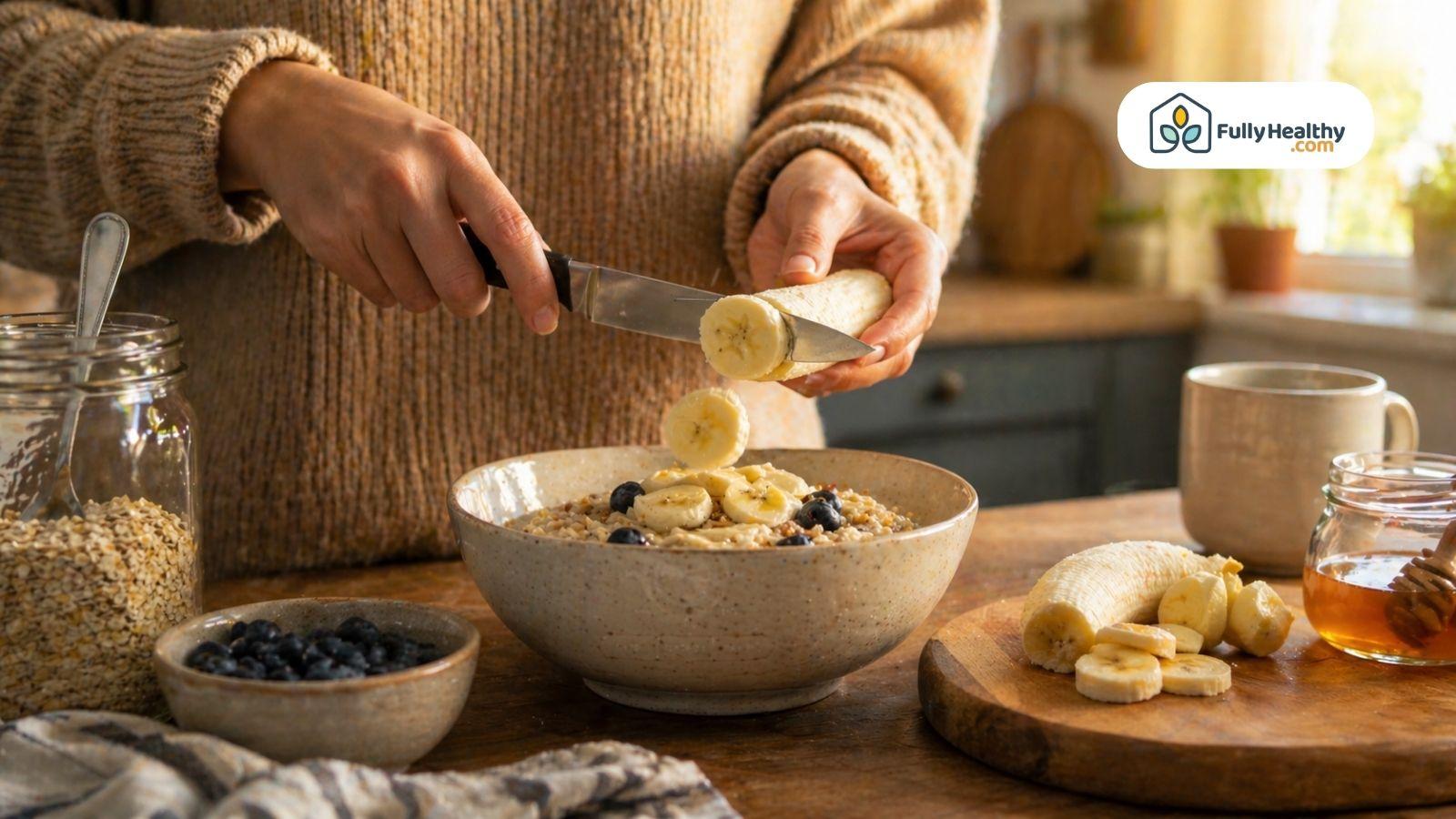
Bananas are widely eaten fruits, but many people wonder about their protein content and how it changes by size. The answer stays consistent across sources and depends on portion and preparation.
Protein Content By Banana Size
A one medium banana provides about 1.3 grams of protein, which is considered small amounts compared to eggs, meat, or legumes in a balanced diet. This makes bananas a low-protein food, even though they are still nutritious and widely consumed.
-
Small Banana: ~1.1 grams of protein in a smaller fruit.
-
Medium Banana: ~1.3 grams of protein in one medium sized banana.
-
Large Banana: ~1.5 grams of protein depending on size.
-
Daily Value: About 2–3% of daily needs based on a 50g protein reference intake.
-
Banana Nutrition Facts: Also include potassium, vitamin c, and dietary fiber.
Measuring Protein By Cups And Servings
When bananas are sliced or mashed, the protein slightly increases per cup because more fruit fits into the same volume. This is common in smoothies, baked goods, or yogurt combinations where portions change.
-
One Cup Sliced: ~1.6 grams of protein when you slice bananas.
-
Mashed Banana: ~2.0–2.5 grams per cup depending on density.
-
Serving Style: Mashed banana is denser than whole fruit portions.
-
Carb Composition: Higher carbs and naturally occurring sugar dominate the nutritional value.
Is Banana A Good Source Of Protein?
Bananas are not known for protein, but they still support health in other important ways. Understanding their role helps balance your overall diet and nutrient intake.
Bananas Are Low In Protein
Bananas provide minimal grams of protein, so they are not considered a good source compared to dairy, eggs, nuts, or legumes. A medium banana supports energy but does not significantly increase protein intake for muscle growth or repair.
-
Protein Intake: One medium contributes only a small portion of daily needs.
-
Comparison Foods: Eggs, meat, dairy, and legumes contain much higher protein.
-
Fruits Category: Most fruits, including bananas, are naturally low in protein.
-
Low Glycemic Index: Green bananas have a lower glycemic index than ripe bananas.
-
Blood Sugar: Ripe bananas contain more sugar and can affect blood sugar levels faster.
Nutritional Benefits Beyond Protein
Even with low protein, bananas offer strong health benefits due to their nutrient profile and fiber content. They support digestive health, heart health, and overall body function through vitamins and minerals.
-
Potassium: Helps regulate blood pressure and supports heart health.
-
Dietary Fiber: Supports gut health and helps the large intestine function properly.
-
Vitamin B6 And Vitamin C: Aid metabolism and immune health.
-
Resistant Starch: Found in unripe bananas and supports digestive health.
-
Antioxidants: Provide anti inflammatory properties that support overall health.
What Fruit Has The Most Protein?
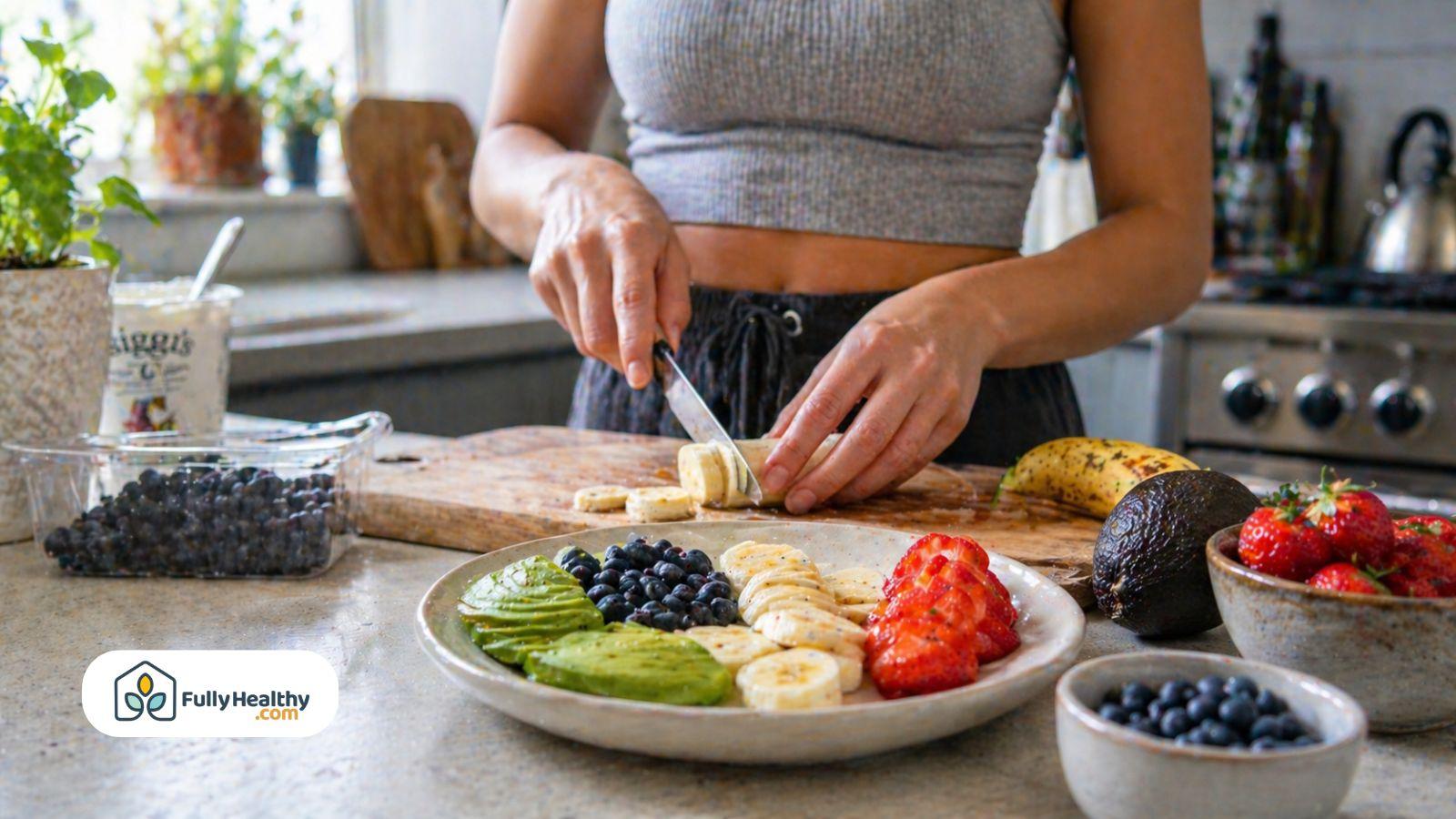
Some fruits contain more protein than bananas, although fruits in general are not high-protein foods. Comparing them helps you understand where bananas stand nutritionally.
High-Protein Fruits Compared
Guava has the most protein among fruits, providing about 4 grams per cup, followed by avocado and blackberries with moderate amounts. While these fruits contain more protein than bananas, they are still lower than traditional protein foods like eggs, meat, or legumes.
-
Guava: Around 4 grams of protein per cup.
-
Avocado: About 3 grams of protein per cup with healthy fat.
-
Blackberries: Around 2 grams of protein per cup.
-
Kiwi: Roughly 2 grams per cup with vitamin c benefits.
-
Apricots: Moderate protein with added antioxidants.
Where Bananas Rank Among Fruits
Bananas rank in the lower range of protein among fruits but remain popular due to convenience and sweetness. They are easy to eat as a snack, blend into smoothies, or use in baked goods without preparation.
-
Moderate Ranking: Lower than guava and avocado in protein content.
-
Convenience: Easy to store bananas and eat without preparation.
-
Ripening Process: Bananas ripen from green to yellow with brown spots.
-
Unripe Bananas: Higher resistant starch and lower sugar levels.
-
Ripe Bananas: Higher sweetness and naturally occurring sugar content.
What's The Best Time To Eat A Banana?
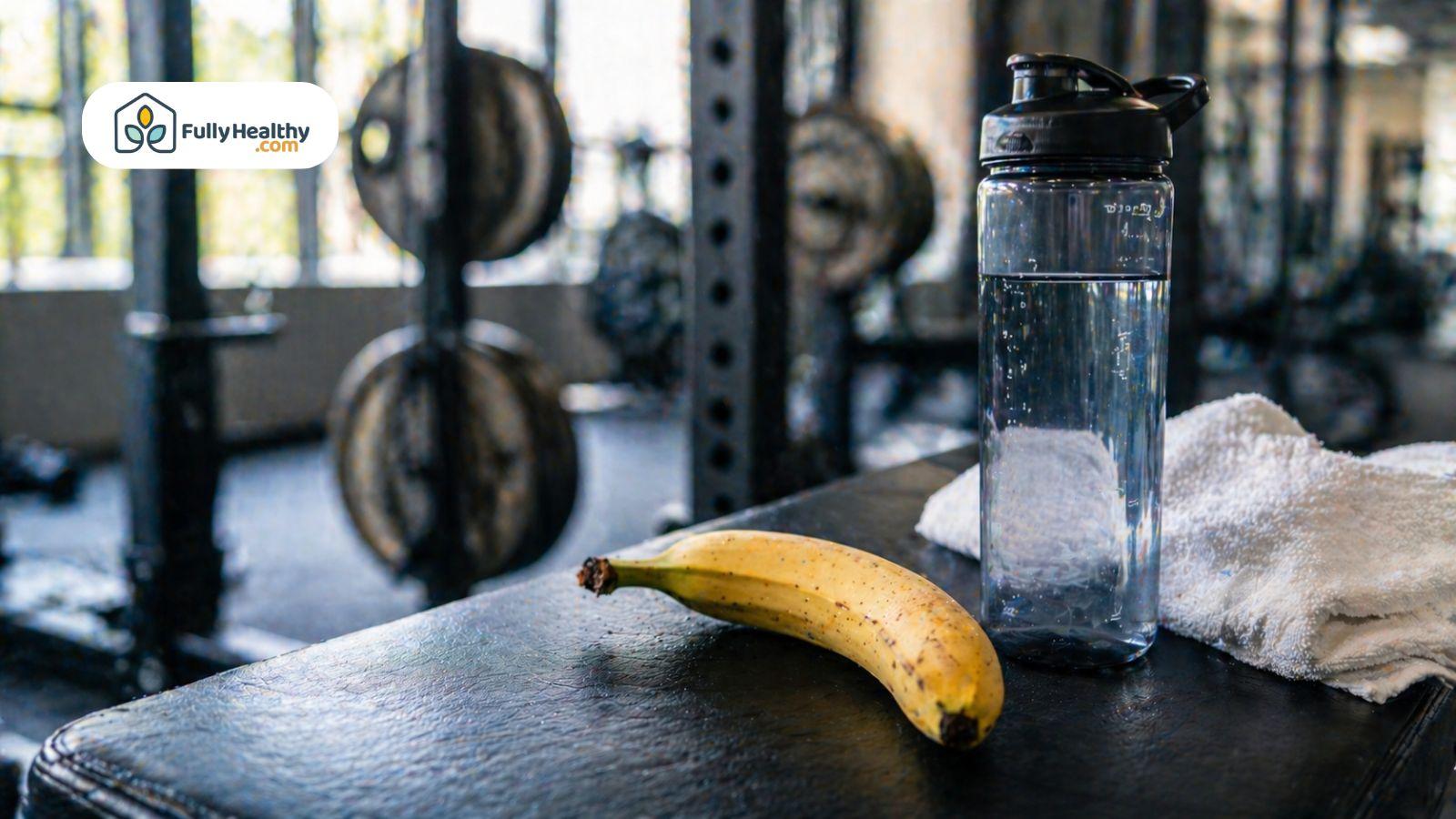
Timing affects how your body uses the nutrients in bananas, especially for energy, digestion, and blood sugar control. The best time depends on your activity level, diet, and personal tolerance.
Best Time For Energy And Workouts
Eating bananas in the morning or around workouts supports quick energy because of their carb composition and naturally occurring sugar. A medium banana provides fast fuel without heavy fat, making it ideal before or after physical activity.
-
Morning Energy: Helps the body start the day with quick fuel from carbohydrates.
-
Pre Workout: Provides fast energy for muscles without heaviness.
-
Post Workout: Replenishes glycogen and supports recovery when paired with protein foods.
-
Smoothies Option: Blend bananas with yogurt, berries, or dairy for balanced nutrition.
-
Snack Choice: Easy snack compared to rice, meat, or processed foods.
Timing For Digestion And Sleep
Bananas also support digestive health due to fiber and resistant starch, especially in green bananas. Eating them later in the day may help some people relax, but others may find them too heavy before bed.
-
Digestive Health: Fiber supports gut health and the large intestine.
-
Green Bananas: Lower glycemic index and better for steady blood sugar control.
-
Ripe Bananas: Easier to digest but higher in sugar content.
-
Before Bed: May support sleep due to nutrients, but varies per person.
-
Balance Tip: Pair with nuts or dairy to slow sugar absorption.
FullyHealthy Products And Options
FullyHealthy focuses on clean-label foods designed for simple, allergen-friendly eating. Their product range includes banana-based snacks and mixes that fit different dietary needs.
About FullyHealthy
FullyHealthy offers a range of foods focused on simple ingredients, making it easier to maintain a nutritious diet without unnecessary additives. Many products align with clean eating, gluten-free, and specialty diet needs.
-
Clean Ingredients: Focus on simple, recognizable food components.
-
Diet Support: Suitable for elimination diets and sensitive individuals.
-
Food Variety: Includes snacks, baking mixes, and ready-to-eat options.
-
Health Focus: Designed to support overall health and balanced eating.
-
Convenience: Easy options for busy lifestyles without complex prep.
Banana-Based Products To Try
Banana-based products can support snacks, smoothies, or baked goods while adding flavor and nutrients. These options make it easier to include bananas in different forms beyond fresh fruit.
-
Barnana Organic Chewy Banana Bites: Convenient snack made from chewy dried bananas, ideal for quick energy and portable eating.
-
Eat G.A.N.G.S.T.E.R Banana Bread Mix: Simple baking mix that captures classic mashed banana flavor for easy homemade baked goods.
-
Autoimmune H&N Paleo Perfection Vanilla Banana Protein Powder: Smooth banana-flavored protein powder for shakes and smoothies to support protein intake.
-
That’s It Apple Banana Fruit Bar: Clean, portable fruit bar combining bananas with apples for a simple, nutritious snack.
-
Monkey Brittle Strawberry Banana Crunch: Crunchy snack blending banana and berries for added texture and natural sweetness.
-
Solely Banana With Cacao: Simple dried banana snack paired with cacao for a richer taste and antioxidant boost.
-
Wild Zora Instant Grain-Free Hot Cereal Banana Bread: Warm breakfast option with banana bread flavor, ideal for quick and filling meals.
Final Thoughts
Bananas are simple, nutritious fruits that give quick energy but only small amounts of protein. They are not an excellent source of protein but still support daily health. Banana varieties from Southeast Asia show similar nutrition, including potassium, fiber, vitamin K, and benefits for diabetes when eaten in balance.
Even banana peels and skin appear in folk uses. Store bananas outside plastic bags to manage ripening and keep freshness for daily meals.
FAQs
What's the best fruit to eat daily?
The best fruits to eat daily include berries, apples, citrus fruits, and avocados because they are rich in fiber, antioxidants, and nutrients. Blueberries support antioxidants, apples help heart health, oranges provide vitamin C, and avocados offer healthy fats for overall health.
What is healthier, banana or egg?
Eggs provide more protein, but bananas offer fiber, vitamin k, and support for diabetes when included in a balanced diet.
How much protein is in a banana affect digestive health?
A medium banana has about 1.1 to 1.3 grams of protein, which is quite low. But it still helps digestive health because it has fiber and prebiotics that support your gut.
What do banana nutrition facts say about banana peels?
Banana peels, or skin, are edible and contain many nutrients. They have more fiber and antioxidants than the fruit itself and make up about 35–40% of the banana.
What health benefits do banana varieties offer?
Bananas of all types support heart health, digestion, and energy. They are rich in potassium, fiber, vitamin B6, and vitamin C. Different varieties may offer slight benefits like lower glycemic index or improved digestion.
Leave a comment