

Is Apple Cider Vinegar Good for Dogs? What Pet Owners Should Know

Many pet owners use apple cider vinegar to treat their animals naturally, but many still wonder if it is safe for dogs. It may help with digestion, skin health, and getting rid of fleas in small, diluted amounts.
However, it needs to be used carefully so as not to irritate the skin. If you want to know if apple cider vinegar is good for your dog, this article tells you about the health benefits, the right way to use it, and the safest dose.
🥗 Add a Wellness Boost — Raw Apple Cider Vinegar for Drinks, Dressings & More!
Is Apple Cider Vinegar Good For Dogs?
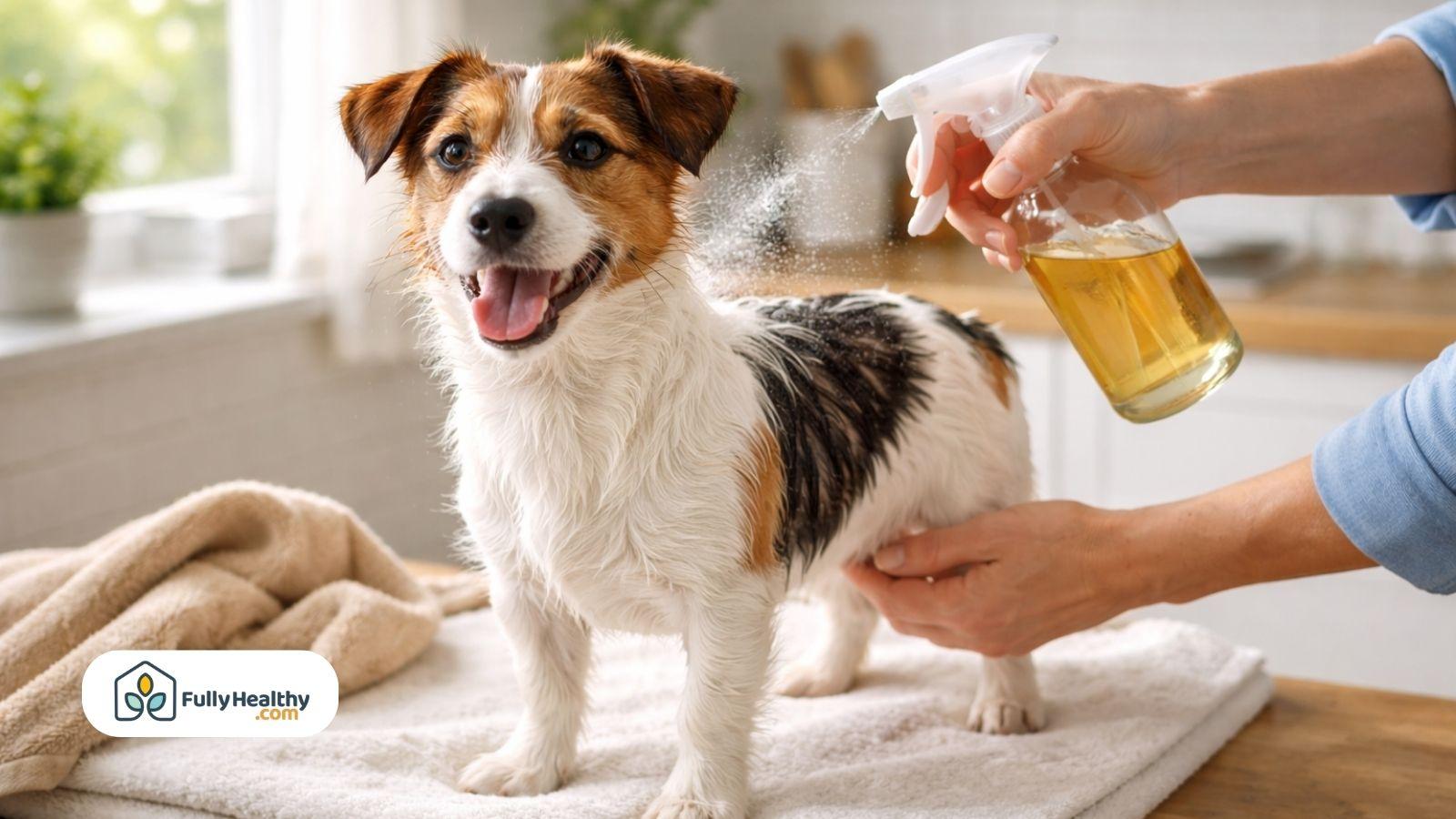
As a natural home remedy, apple cider vinegar is often talked about, so many dog owners want to know if it is safe for their dogs. Apple cider vinegar contains acetic acid and fermentation by-products, but there is currently no clinical evidence that it improves gut microbiota or digestive health in dogs.
It is not a miracle cure, but using a small amount of it may be good for your health in some ways. However, ACV that hasn't been diluted can be harmful, so pet owners should always be careful when they use it.
Is Apple Cider Vinegar Safe For Dogs When Used Correctly
The safest way to use apple cider vinegar is to dilute it and use it in moderation. The main thing that makes organic ACV different from white vinegar is that it has good bacteria in it, which are called "mothers."
These good bacteria might help the dog's gut and dog's immune system stay healthy. People who use small amounts and mix them into their dog's food or water bowl find that most dogs don't mind it.
-
Acetic Acid Benefits: Acetic acid has antimicrobial properties in laboratory and topical contexts, but there is no evidence that ingesting diluted vinegar prevents bacterial growth inside a dog’s body.
-
Gut Health Support: Some pet owners report digestive benefits, but controlled veterinary studies have not demonstrated that apple cider vinegar improves digestion or gut microbiota in dogs.
-
Natural Support For Dogs: Many pet parents prefer using apple cider vinegar as good remedies to support dogs naturally instead of using harsh chemicals.
When Apple Cider Vinegar May Not Be Suitable For Dogs
Apple cider vinegar has some good effects, but some dogs might not be able to handle it well. ACV that hasn't been diluted is acidic and can irritate rough skin, skin that is already irritated, or the dog's eyes. Also, pet owners shouldn't put it on wounds or skin that is broken or open.
-
Possible Side Effects: Some dogs may develop skin irritation, stomach discomfort, or tooth decay if pet owners feed ACV in large amounts.
-
Sensitive Areas To Avoid: Do not apply ACV near the dog’s eyes, open wounds, or raw skin because it may cause pain or irritation.
-
Monitor For Reactions: Pet owners should watch for the dog’s itching, redness, or other adverse reactions after adding ACV to the dog’s routine.
How Much Apple Cider Vinegar Can I Give My Dog?

When adding ACV to your dog's routine, it's important to use the right amount. People who have dogs should always start with small amounts and slowly increase them if the dog can handle it. Apple cider vinegar (ACV) is often added to dog food or water bowls. If you choose organic ACV, you can avoid pesticides and give your dog a healthier option.
Recommended Dosage Guidelines Based On Dog Size
If apple cider vinegar is diluted the right way, most dogs can safely eat it. Usually, the amount is based on how big and heavy the dog is.
-
There are no standardized veterinary dosage guidelines for apple cider vinegar in dogs, and use should be discussed with a veterinarian.
Giving the dog small amounts at first helps its body get used to it and lowers the chance of stomach problems.
Best Ways To Add Apple Cider Vinegar To Your Dog’s Diet
There are several ways for pet owners to feed ACV, but it must always be diluted first. The undiluted ACV is too strong and could hurt the dog's mouth or stomach. Many people who have pets keep ACV that has been diluted in a glass bottle so that it stays fresh and is easy to use.
-
Adding ACV To Water: Mix a small amount with the dog’s water or pet’s water so the taste stays mild and easier for most dogs to drink.
-
Mixing With Dog’s Food: Adding apple cider vinegar to dog’s food allows the flavor to blend with the meal.
-
Offer Plain Water Too: Keep regular dog’s water available in case the dog does not like the taste.
What Are The Benefits Of Giving Your Dog Apple Cider Vinegar?

A lot of people give apple cider vinegar for dogs because it may be good for their health in many ways. The benefits of apple cider vinegar include possible digestive support, making your skin more balanced, and keeping pests away naturally. Safely using apple cider vinegar may also be good for your heart health and help keep your blood sugar levels in check in some cases.
Digestive, Blood Sugar, And Joint Support Benefits
Acetic acid in apple cider vinegar may help keep blood sugar levels steady and lower them after a meal. Some pet owners think it helps with digestion and the health of the gut in general.
-
Digestive Support: Adding ACV may improve gut health and support the balance of good bacteria in the digestive system.
-
Blood Sugar Balance: Acetic acid has been shown in some human studies to influence post-meal glucose metabolism, but similar effects have not been confirmed in dogs.
-
Joint And Muscle Relief: There is no veterinary evidence that apple cider vinegar relieves joint pain or muscle stiffness in dogs.
Skin, Coat, And Parasite Protection Benefits
The dog's skin can also be treated with apple cider vinegar. If you have itchy skin, skin problems, or a yeast infection in your dog, a diluted solution might help. It might also keep bugs away naturally.
-
Skin Care Support: A diluted solution may help soothe irritated skin, reduce the dog’s itching, and support the dog’s skin.
-
Coat Health: Using ACV during a dog’s bath may help keep the dog’s coat shiny and balanced with healthy ph levels.
-
Flea And Insect Control: Apple cider vinegar has not been proven in veterinary studies to repel or eliminate fleas, and approved veterinary flea preventatives are significantly more effective.
-
Ear Care Option: Veterinarians generally recommend commercial veterinary ear cleaners; vinegar solutions can irritate inflamed ear canals and should only be used under veterinary guidance.
-
Paw Treatment: Yeast infections in dogs require veterinary diagnosis and treatment; there is no clinical evidence that apple cider vinegar cures or manages canine yeast infections.
-
Cleaning Household Items: ACV can also be used to clean a dog’s bedding and help prevent toxic bacteria from building up.
For best results, let the dog's coat dry naturally after using a diluted solution on it during a bath.
How Much Apple Cider Vinegar Should I Use On My Dog?
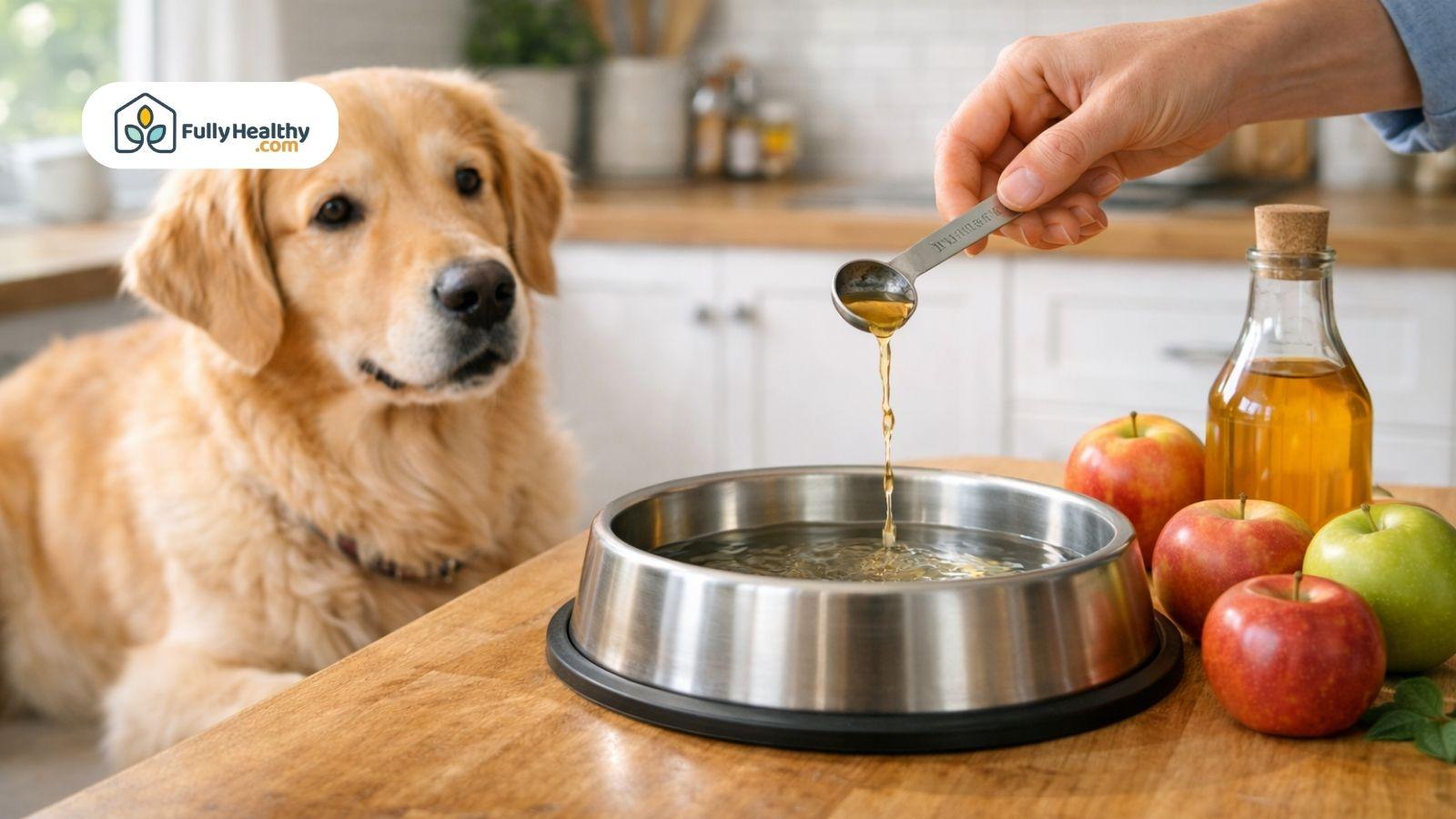
To use apple cider vinegar on a dog's body correctly, it needs to be diluted and applied carefully. While apple cider vinegar (ACV) is often used for natural pet care, it should never be put on a dog's skin without first diluting it.
This keeps the skin from getting irritated while still letting the antimicrobial properties of acetic acid help keep the skin healthy. Pet owners usually put a watered-down solution on their dog's fur, paws, or other places where mild skin care is needed.
Safe Dilution Ratios For Topical Use
The safest way to use apple cider vinegar on dogs is in a mixture that has been watered down. Solutions that aren't diluted are too strong and can hurt sensitive skin like skin that is still raw or irritated. A mild mixture helps keep the dog's skin healthy and at a healthy pH level.
-
Standard Dilution Mix: Mix one part apple cider vinegar with two to three parts water in a clean glass bottle to create a gentle diluted solution.
-
Spray Application: Pour the mixture into a spray bottle and lightly mist the dog’s coat after a dog’s bath to freshen the coat and reduce odor.
-
Paw Soak Method: Soaking the dog’s paws in diluted ACV for a short time may help manage yeast infections and keep the paws clean.
Common Topical Applications For Dogs
Using apple cider vinegar to clean their dog is something that a lot of pet owners do. If you use it correctly, it might help keep your skin healthy and get rid of bacteria that cause smells or irritation.
-
Ear Care Support: Use a cotton ball with diluted ACV to gently clean the dog’s ears and help manage mild ear infections.
-
Skin Rinse Treatment: A light rinse during a dog’s bath may soothe itchy areas and support healthy skin conditions.
-
Coat Freshener: A mild ACV spray may help keep the dog’s coat clean and reduce bacteria buildup.
What Can You Find On FullyHealthy That Supports Natural Wellness Approaches?
Fully Healthy is an online store that sells clean and specialty diet foods. The store helps people on gluten-free, allergen-free, and autoimmune-friendly diets find the foods they need.
The site is mostly about nutrition for people, but its focus on natural ingredients fits with the way many pet owners like to care for their pets' health. A lot of people who care about healthy eating also look for natural ways to help their pets.
How FullyHealthy Supports Clean And Specialized Diets
FullyHealthy was made to make it easier to shop in a healthy way. It gives people a place to go where they can find foods that are made for certain diets without having to spend hours reading ingredient labels.
-
Special Diet Marketplace: The site provides foods designed for AIP, gluten-free, and allergen-free diets.
-
Clean Ingredient Focus: Products are selected to help customers avoid heavily processed foods and choose simpler ingredients.
-
Wellness Lifestyle Support: The platform promotes mindful eating and a balanced lifestyle through better food choices.
Products Available On FullyHealthy For Ingredient-Conscious Shoppers
FullyHealthy sells items from small brands that focus on using natural and clean ingredients. These items help people make meals at home with basic ingredients they already have in their pantry.
-
Natural Sweeteners: Options such as organic coconut sugar, maple sugar, and maple syrup from brands like Coombs Family Farm.
-
Baking And Pantry Items: Grain-free baking mixes and specialty ingredients designed for allergy-friendly cooking.
-
Cooking Staples: Many products work well in everyday recipes, including sauces and salad dressings made with simple ingredients.
Final Thoughts
Many dog owners want to know if apple cider vinegar is good for dogs. The answer is yes, but only if it is used correctly and in moderation. ACV (apple cider vinegar) may help dogs naturally with problems like itchy skin or small yeast infections if it is diluted and used carefully. It may also support gut health and skin balance.
Some dog owners also use it to help their dog's coat, digestion, and overall health. But it's not a miracle cure, and you should be careful when using it to avoid irritation or other bad effects. When used as part of a well-rounded care plan, there is no evidence that apple cider vinegar prevents urinary tract infections in dogs.
FAQs
Can I Put Apple Cider Vinegar In My Dog’s Drinking Water?
Yes, pet owners can add a small amount of diluted apple cider vinegar to a dog’s drinking water, but it should always be mixed with water and given in moderation.
What Is A Silent Killer For Dogs?
Common silent health threats for dogs include heart disease, internal parasites, and untreated infections that may not show symptoms early.
What Can I Mix Apple Cider Vinegar With For My Dog?
Pet parents can mix diluted apple cider vinegar with dog food or a dog’s water bowl to make it easier for most dogs to consume.
What Not To Mix With Apple Cider Vinegar?
Avoid mixing apple cider vinegar with strong acidic substances or undiluted cleaning chemicals because it may irritate a dog’s stomach or skin.
Is It Better To Take Apple Cider Vinegar At Night Or In The Morning?
Apple cider vinegar can be taken in the morning or before meals, but it should always be diluted with water to reduce acidity and protect tooth enamel.
Leave a comment