

Are Almonds Nuts? The Truth About Sweet Almonds
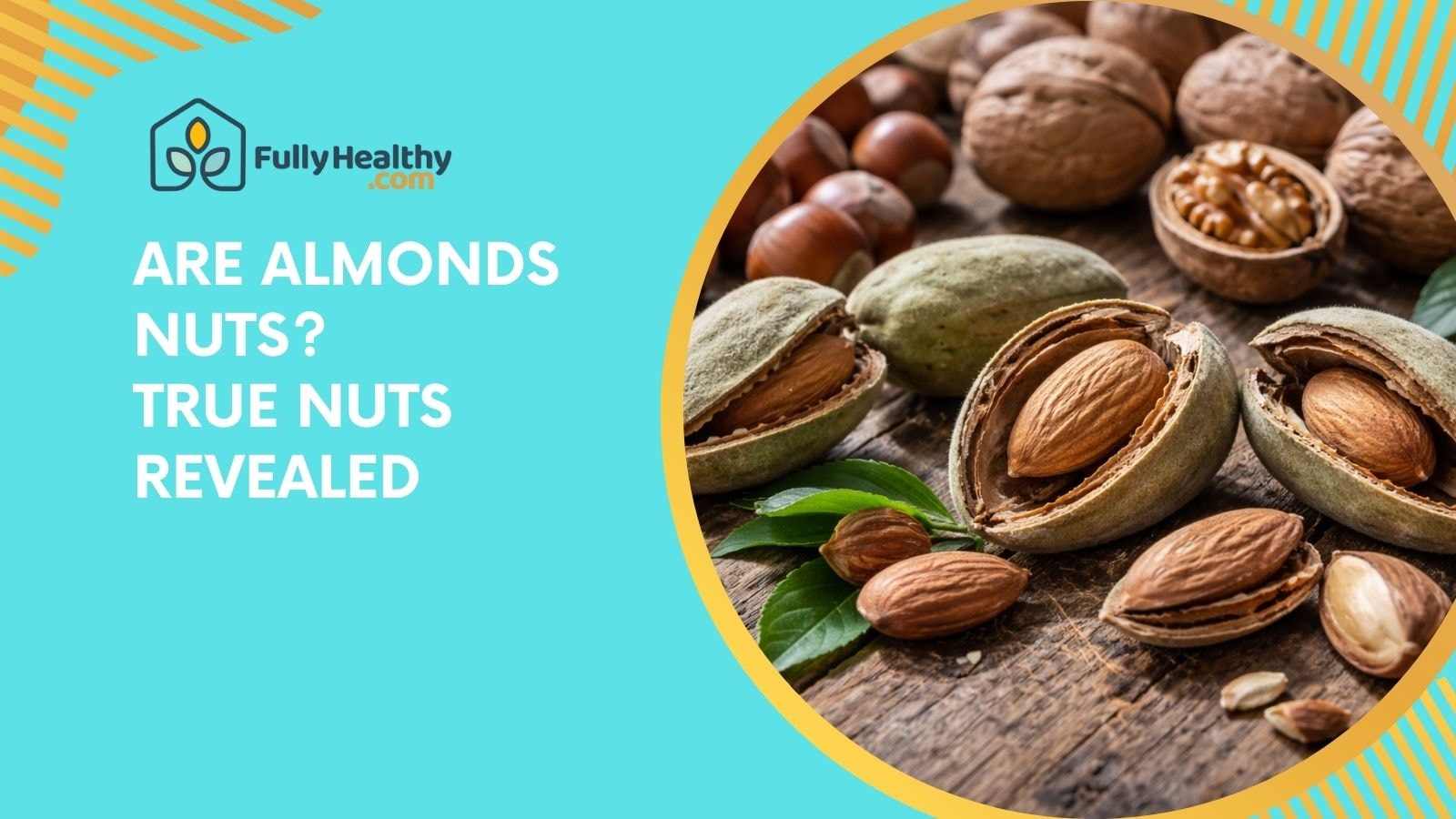
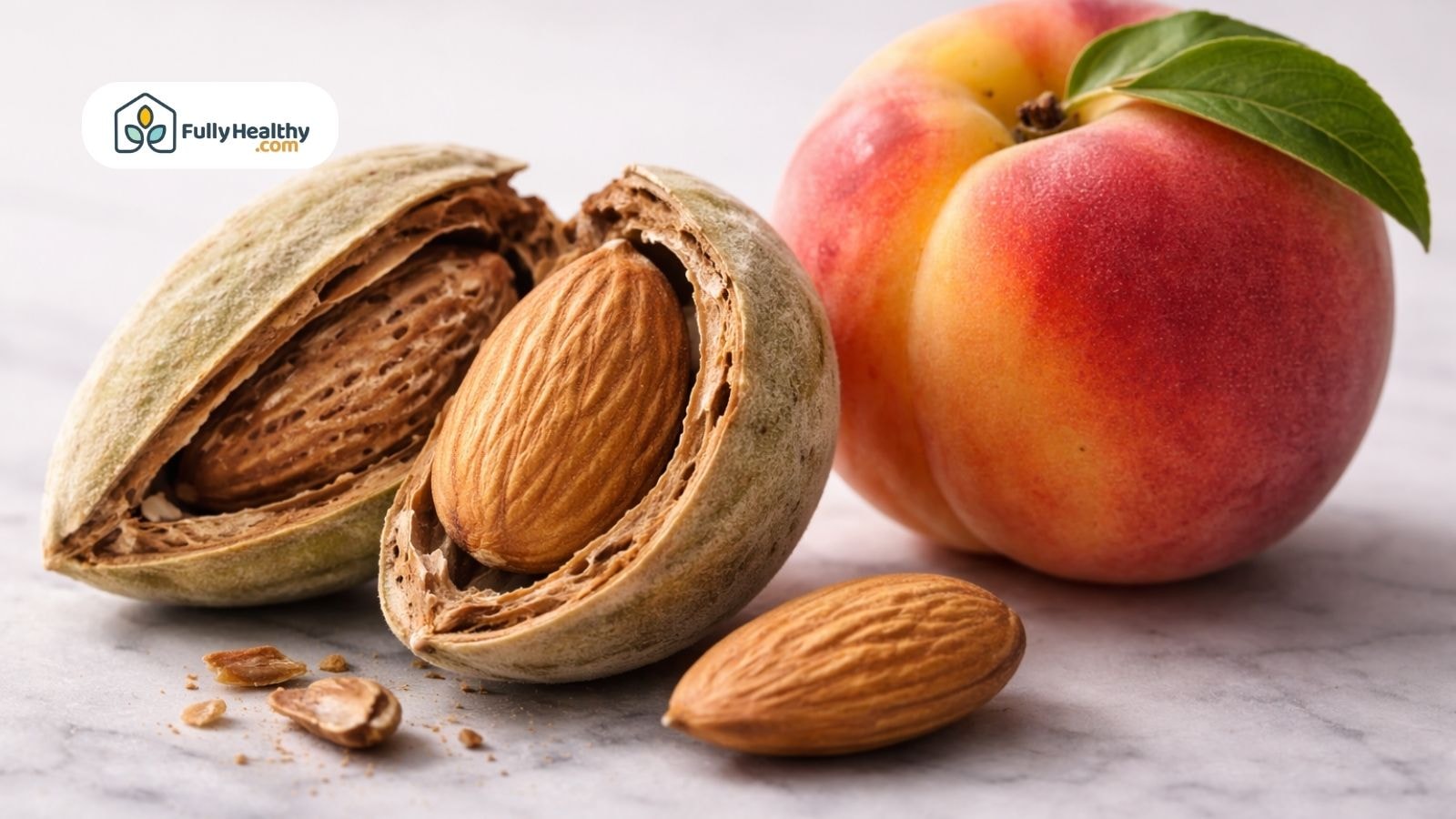
Are almonds nuts? How you define "nut" will tell you the answer. As far as plants go, almonds are not really nuts. Like peaches and plums, these are the seeds of a drupe fruit. But when it comes to food labels and allergy rules, almonds are considered tree nuts.
People who are allergic to nuts, school rules, and product labels all need to know about this difference. This is what you need to know.
Featured Pantry Pick
Artisana // Raw Almond Butter - 14 oz
Loading...
Are Almonds Nuts?
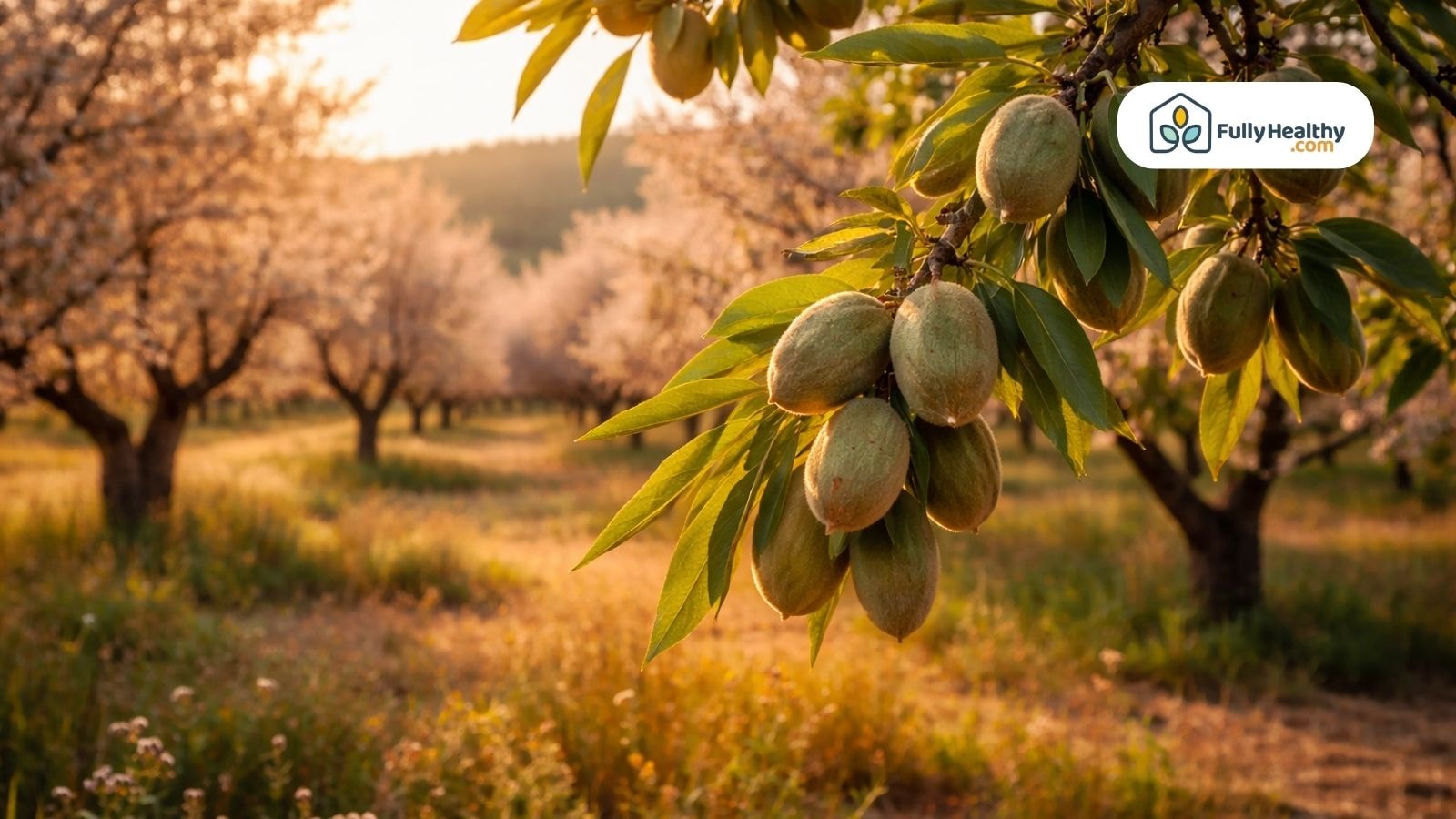
Many people ask, are almonds real nuts or something else? The answer is based on the botanical meaning. Not how the fruit tastes, but how it forms is what a botanist considers it. Almonds come from the almond fruit, which is a type of stone fruit that grows on almond trees.
If you compare them to hazelnuts or Brazil nuts, they are not really nuts. Instead, they are nuts like drupes with a seed inside a hard stone.
What Is The Botanical Definition Of A Nut
In botany, actual nuts are dry fruit with a single seed encased in a hard shell. The shell is made from a nonsplitting ovary wall, and it doesn't open by itself. This rule is followed by most nuts. Almonds definitely don't. They grow from a fleshy fruit with a fleshy outer layer surrounding a hard stone. The kernel we eat is inside that stone.
-
True Botanical Nut: A dry fruit with one seed and a tough outer wrapper that stays shut.
-
Almond Fruit: A stone fruit that has a hard stone inside and a fleshy outside.
-
Seed Inside: The edible kernel is called an almond seed.
-
Examples of Actual Nuts: The botanical definition includes hazelnuts and acorns as true nuts. Brazil nuts, like almonds, are seeds and not true botanical nuts.
Why Are Almonds Called Tree Nuts In Food Contexts
Tree nuts are what almonds are labeled with, even though almonds are not really nuts. Almond butter, almond milk, almond meal, and almond oil are all often made with sweet almonds.
Bitter almonds contain amygdalin, which can release cyanide and are unsafe to consume raw; they are typically processed to remove toxic compounds before flavoring use. Almonds are treated like other nuts in stores and by the law because they come from trees and have a hard shell.
-
Tree Category: Almonds grown in Mediterranean climates, like the Mediterranean region and some parts of the Middle East.
-
Same Family: Other stone fruits, like cherries, are related to almonds.
-
Common Uses: Used in cooking, baking, nut butters, and milk alternatives. They can be eaten raw or blanched with cinnamon and sugar.
-
Oil Content: Almonds are high in unsaturated fats, particularly monounsaturated fatty acids, similar in composition to olive oil.
Can People With Nut Allergy Eat Almonds?
In terms of allergies, almonds are tree nuts. When the immune system reacts to proteins in almond seeds and other nuts, it can lead to tree nut allergies. There is a wide range of severity for these allergic reactions. Many people who are allergic to peanuts want to know whether they can safely eat almonds.
Peanuts are legumes, not tree nuts. However, some individuals with peanut allergy may also react to tree nuts or may be advised to avoid them due to cross-contact risks. Individual evaluation by an allergist is required.
How Tree Nut Allergies Work
Tree nut allergies can show signs right away. They can become life-threatening in the worst cases. Doctors test people before telling them to eat almonds.
-
Tree Nut Allergies: This is an immune response to proteins in tree nuts and almond seeds.
-
Common Symptoms: There may be hives, swelling, stomach pain, trouble breathing, or a drop in blood pressure.
-
Testing Methods: Tests on the skin or food challenges that are supervised by an allergist.
-
Peanut Allergy Difference: Nuts are legumes, but using shared facilities makes things more dangerous.
Are Almonds Safe For Everyone With Nut Allergies
Some people who are allergic to tree nuts only react to certain nuts. However, doctors usually tell people to stay away from them because they share processing lines. There are vitamins and minerals in healthy almonds that are good for you, but safety comes first.
-
Cross Contact Risk: Near walnuts or Brazil nuts, goods may be processed.
-
Medical Guidance: Before regular consumption, you should always talk to an allergist.
-
Label Checking: Check for peanut or other tree nut warnings.
-
Prevention Steps: When you plan ahead, you can lower the risk of serious allergic reactions.
Are Almonds Allowed In A Nut Free School?

Tree nuts are often not allowed at school to protect students with severe allergies. All nuts, including almonds, are often off limits. Rules are different in each school district, but the main goal is to keep students safe.
Why Schools Restrict Almonds And Other Nuts
The goal of schools is to prevent accidents from causing emergencies. For kids who are allergic, even a small amount can trigger a reaction.
-
Policy Purpose: Keep students who are allergic to tree nuts safe.
-
High Risk Foods: Almond butter, almond milk, raw almonds, and almond meal.
-
Shared Areas: In lunchrooms, people are more likely to talk to each other.
-
Strict Enforcement: Some schools do not allow any nuts, even hazelnuts and walnuts.
How Parents Can Check School Rules
Parents should read the school's official rules and talk to staff. Snow peas and other vegetables are okay at some schools, but nuts are only allowed at others.
-
Read Ingredient Lists: Check snacks for almond meal, almond oil, or nut butters that aren't labeled.
-
Safer Substitutes: Avoid using almond meal when baking for school and instead use wheat flour.
-
Healthy Options: Choose foods that are low in saturated fat and high in vitamins and minerals.
-
Clear Communication: Find out the rules before you send food from home.
Can Someone With A Nut Allergy Eat Almond Extract?
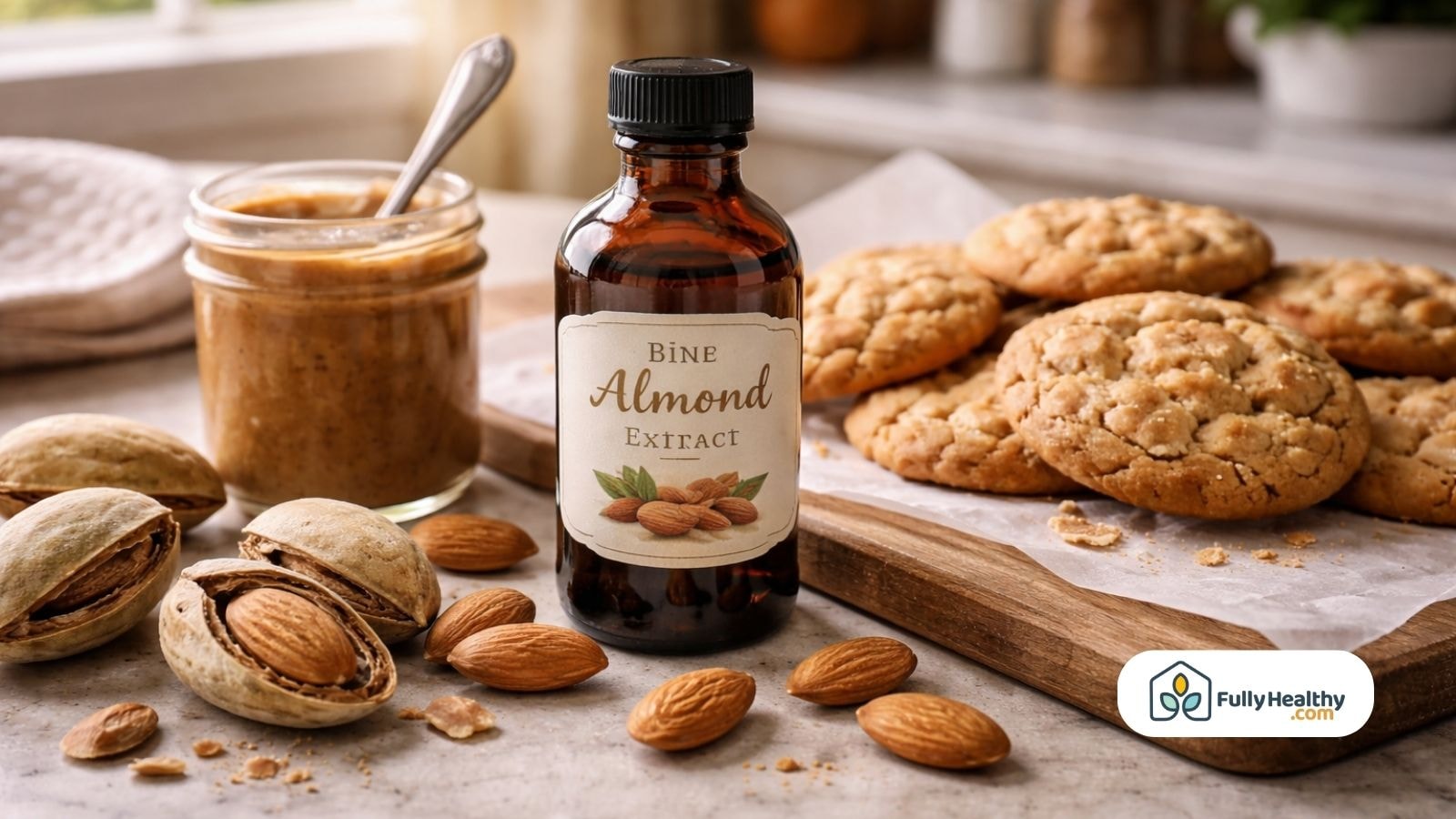
People often use almond extract in baked goods, sweets, and flavored drinks. If you are allergic to tree nuts, though, you might be wondering if it's safe. Almonds are not a real botanical nut, but they are still treated as tree nuts by medical rules. If someone is allergic to nuts or doesn't like almond extract, it might not be safe for them.
What Is In Almond Extract
Sweet almonds, bitter almonds, or artificial flavoring can all be used to make almond extract. Most pure almond extract contains alcohol and benzaldehyde, the compound responsible for the characteristic almond flavor. Some proteins may be reduced or removed during processing, but this doesn't always happen. Therefore, it is very important to read labels.
-
Natural Extract: It is typically made from bitter almond oil and alcohol. Properly distilled almond oil contains little to no protein, but contamination risk depends on manufacturing practices.
-
Artificial Version: Usually made with artificial flavoring and might not have real almond proteins in it.
-
Processing Method: Different brands have different steps that lower the protein content.
-
Label Check: Before buying something, you should always read the allergen and ingredient lists.
Is Almond Extract Safe For People With Nut Allergies
It's not possible to give everyone the same answer. For some people with tree nut allergies, highly refined products are fine, but for others, even very small amounts can make them sick. A healthcare provider can help you figure out your own risk. Don't test a product without first talking to a doctor.
-
Medical Advice: Before you use almond extract, talk to an allergist.
-
Possible Allergic Reactions: Some of the symptoms could be swelling, hives, or trouble breathing.
-
Cross-Contact Risk: There may be traces of other nuts in products made in shared facilities.
-
Safer Option: Even if artificial extracts lower the risk, only a doctor can say for sure that they are safe.
What Does Fully Healthy Offer For Almond And Nut-Free Shoppers?
The online store Fully Healthy sells foods that are good for people with allergies and special diets. It makes it easier for people to find foods that are good for their health. People who don't want to eat certain ingredients, like tree nuts, can find options on the site. It also has items made with almonds for people who can safely eat them.
How FullyHealthy Supports Specialized Diets
People who are sensitive to food can shop more easily on the website. Customers can narrow down the products they see based on their food preferences and ingredient limitations. This saves time and makes it easier to choose safe foods.
-
Diet Filters: Users can search by specialty diet and allergen-free categories.
-
Clear Ingredient Lists: Product pages draw attention to important factors that can help you make better choices.
-
Whole Plant Choices: There are a lot of products that use simple, whole plant ingredients.
-
Nutrient Awareness: Some almond products contain vitamin E and other good things for you.
Almond-Based And Nut-Free Product Options Available
Fully Healthy might sell products made with almonds as well as alternatives that don't contain nuts. This gives shoppers choices based on what's best for their health. Even so, people should read each product label very carefully before buying it.
-
Green Almonds: Green almonds are sometimes seasonal or unique foods.
-
Nutritional Benefits: Foods that are high in almonds often have healthy fats and vitamin E.
-
Weight Gain Risk: Although almonds are calorie-dense, research indicates that moderate nut consumption is not consistently associated with weight gain and may support weight management.
-
Heart Disease Support: Regular moderate consumption of almonds has been associated with improved lipid profiles and may contribute to reduced cardiovascular risk as part of an overall healthy diet.
Final Thoughts
So, are almonds nuts? In the plant world, they are not really nuts; they are the seed inside a stone fruit that grows on almond trees. But when it comes to food labels and allergy care, they are treated like tree nuts, which is important for people who are allergic to peanuts or tree nuts.
Nuts like almonds contain minerals, vitamin E, and healthy fats that may help keep you from getting heart disease. However, eating too many almonds on a regular basis can make you gain weight. Knowing what a botanical term means can help you make better decisions about almonds in everyday life.
FAQs
What Is The Healthiest Nut To Eat?
Almonds and walnuts are often considered among the healthiest nuts because they provide healthy fats, vitamin E, fiber, and nutrients that may support heart health when eaten in moderation.
Is There A Downside To Eating Almonds?
Yes, eating too many almonds can lead to weight gain due to their high calorie and fat content, and they may cause allergic reactions in people with tree nut allergies.
Which Nuts Should You Avoid?
You should avoid any nuts that trigger allergies, are heavily salted, coated in sugar, or highly processed, as these may reduce their health benefits.
What Is Taylor Swift’s Food Allergy?
Taylor Swift has publicly shared that she avoids gluten, but there is no confirmed public medical record detailing a specific diagnosed food allergy.
What Is The Rarest Allergy In The World?
One of the rarest allergies is Aquagenic Urticaria, a condition where contact with water causes hives or skin irritation.
Leave a comment