

Are Almonds Tree Nuts? A Clear Guide For Everyday Eating
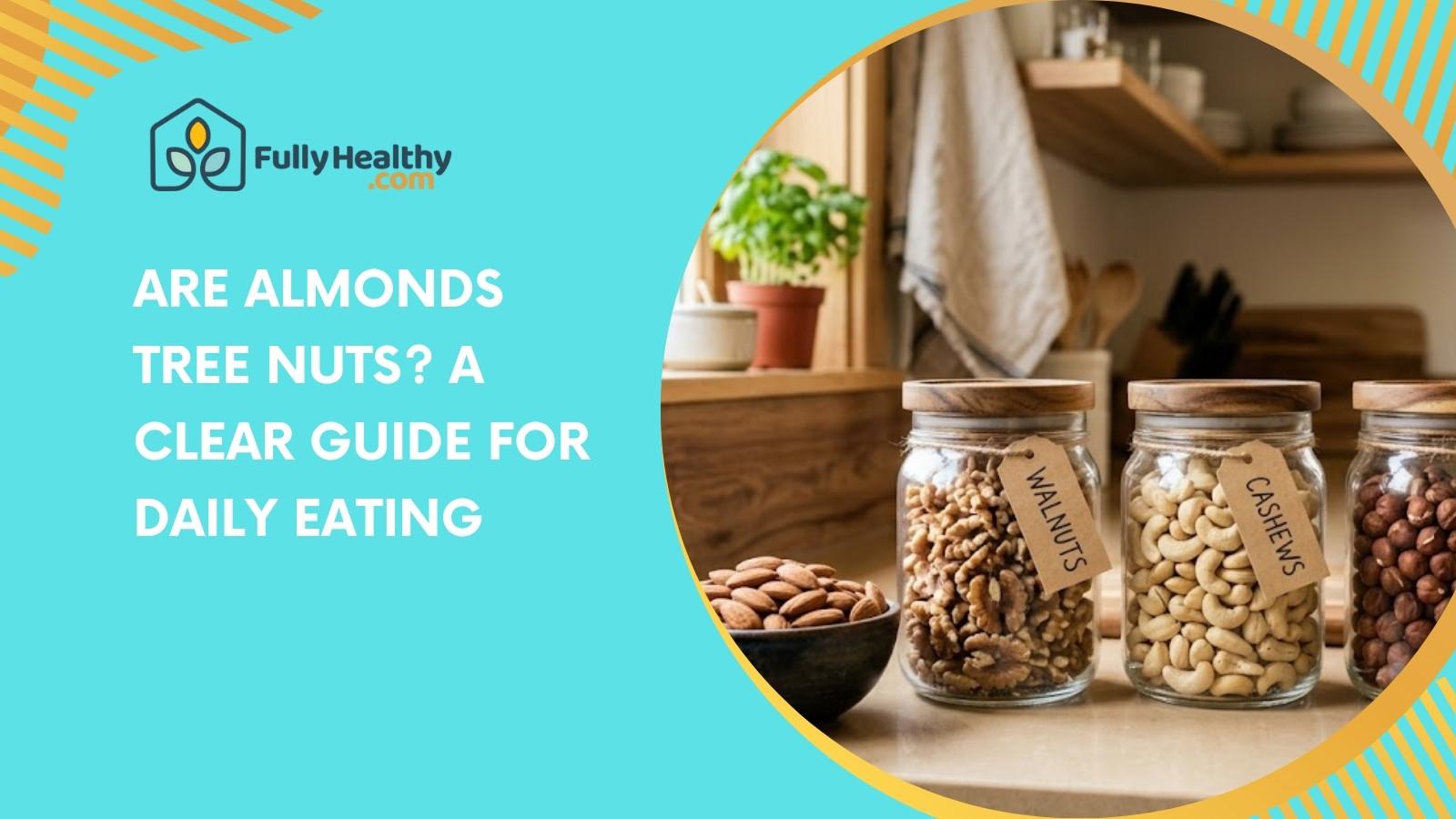
Are almonds tree nuts? Yes, and that simple answer matters more than you might think. Almonds are classified as tree nuts in food labeling and allergy guidelines, even though they’re technically seeds.
This affects how they’re regulated, how allergies are managed, and how they impact your health. In this guide, you’ll learn what that means, their benefits, and what to avoid if you’re sensitive.
Featured Snack Pick
Mauna Loa // Hawaiian Sea Salt Macadamia Nuts - 4 oz
Loading...
Are Almonds Tree Nuts?
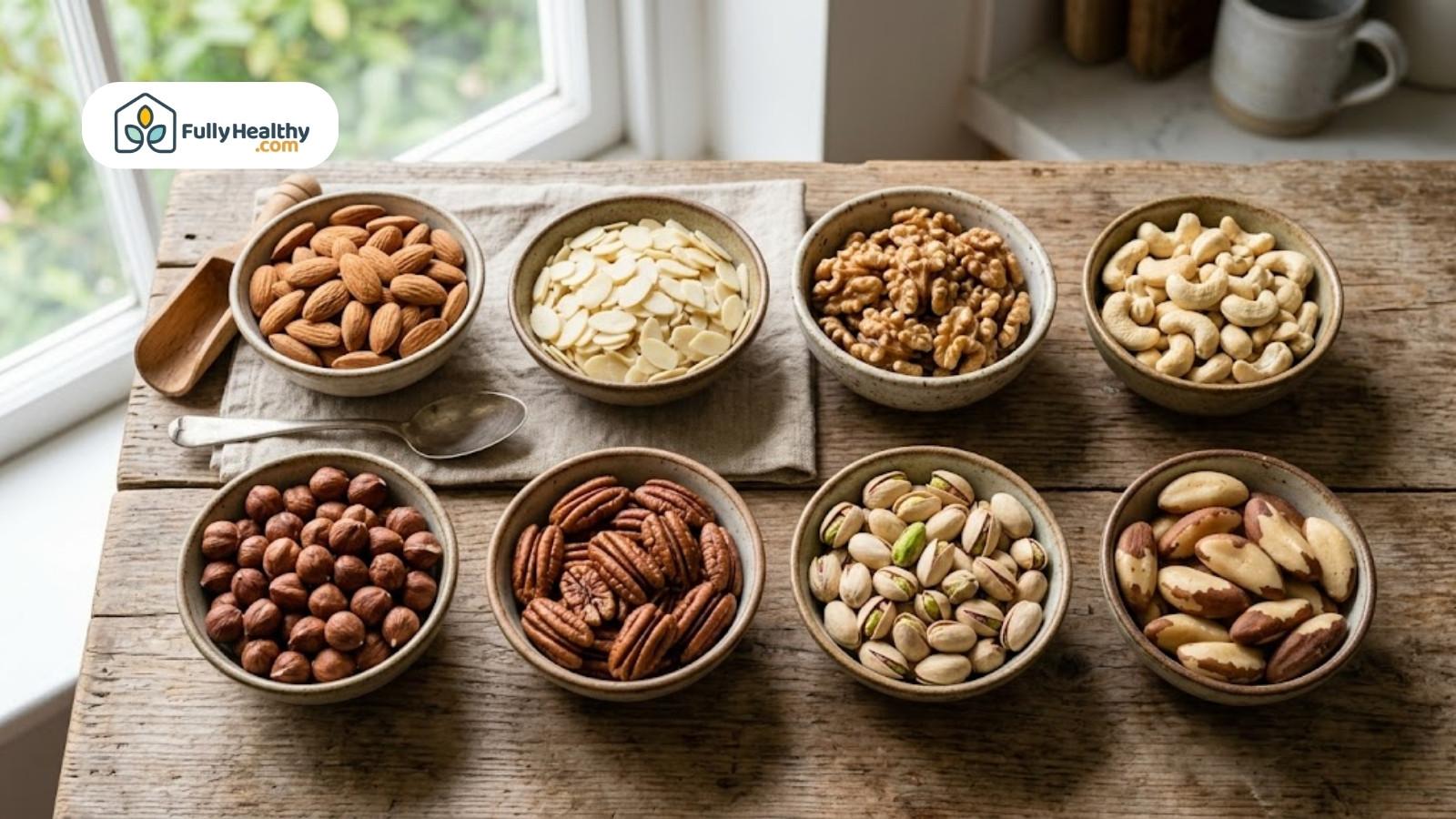
Are almonds tree nuts? Yes. In food labeling and allergy terms, almonds are classified as tree nuts because they grow on trees and contain tree nut proteins. This matters for anyone managing a tree nut allergy or any type of food allergy. Even though almonds are technically seeds, they are grouped with other tree nuts for safety and regulation.
Are Almonds Tree Nuts? The Direct Answer
Almonds are considered tree nuts because tree nuts grow on trees and share similar allergenic traits. This is why they are included in common tree nut allergy lists and among the most common food allergies.
-
Definition clarity: Tree nuts include almonds, brazil nuts, macadamia nuts, and other tree nuts recognized in food allergen labeling laws.
-
Allergy relevance: Almonds contain tree nut proteins that can trigger an allergic reaction in people with a nut allergy.
-
Labeling rules: Food allergen labeling requires almonds to be clearly listed on packaged foods to protect consumers.
How Almonds Compare to Peanuts and Seeds
Almonds are different from peanuts, which are legumes, but both can cause a nut allergy. Some foods like pine nuts may be tolerated by certain people, but confusion is common due to naming.
-
Peanut vs tree nut: Peanut allergy is separate, but some people may react to both types.
-
Seeds vs nuts: Pine nuts and bush nut varieties may not always cause the same allergic response.
-
Cross risk: Cross contamination can happen during food processing or preparation.
Can Tree Nuts Help Lower Cholesterol?
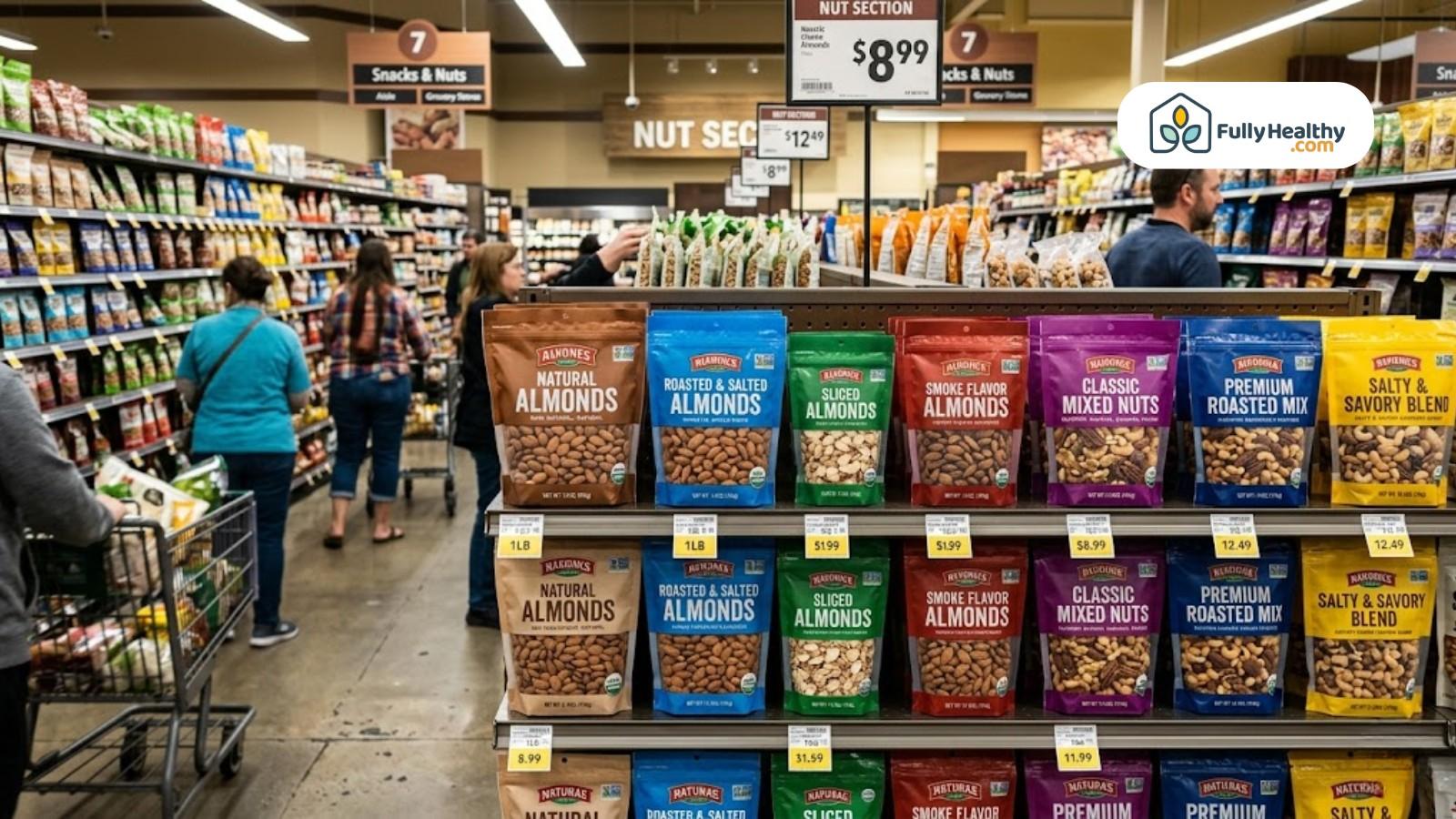
Tree nuts like almonds are known for supporting heart health. They contain healthy fats, fiber, and nutrients that may help improve cholesterol levels. These benefits apply when eaten in moderation and as part of a balanced diet.
How Almonds and Other Tree Nuts Improve Heart Health
Almonds and similar nuts provide nutrients that support the heart. They can help lower bad cholesterol when used instead of unhealthy fats.
-
Healthy fats: Found in almond oil, walnut oil, and other nut oils that support heart health.
-
Nutrient sources: Almond milk and cashew milk may contain some nutrients, but many commercial products are lower in protein and nutrient density than whole nuts unless fortified.
-
Whole food options: Nut butters like almond butter and cashew butter provide fiber and plant-based protein.
What Studies Say About Almonds and Cholesterol Levels
Research shows that eating small amounts of nuts regularly may help lower LDL cholesterol. This includes almonds and other tree nuts when part of a healthy lifestyle.
-
Portion guidance: A small handful per day is often enough to see benefits.
-
Proven results: Studies show a drop in LDL levels with regular nut intake.
-
Smart swaps: Replacing unhealthy fats with tree nut products can improve heart health.
What Is Taylor Swift Allergic To?

Some reports suggest Taylor Swift has a tree nut allergy. While detailed medical sources are limited, this example shows how serious a food allergy can be. Tree nut allergies are among the most common food allergies and require strict care.
Does Taylor Swift Have a Tree Nut Allergy?
Available information suggests she avoids tree nuts due to the risk of an allergic reaction. This highlights how even one tree nut can be harmful.
-
Public awareness: Celebrity cases help bring attention to food allergens.
-
Strict avoidance: People with a diagnosed tree nut allergy are often advised to avoid the specific nut(s) they are allergic to, and in some cases additional tree nuts may also be avoided based on allergy testing and specialist guidance.
-
Serious risk: Even a small amount can trigger a reaction.
Why Tree Nut Allergies Can Be Life-Threatening
Tree nut allergies can cause severe and fast reactions. Understanding hidden sources helps reduce risk and prevent exposure.
-
Hidden ingredients: Almond paste, nut paste, and nut flavoring may contain allergens.
-
Less obvious sources: Walnut hull extract, nut pieces, and walnut oil can trigger symptoms.
-
Everyday exposure: Nut butters and processed foods increase the risk of cross contamination.
What To Avoid If Allergic To Tree Nuts?

Avoiding tree nuts is important if you have a food allergy. Even small amounts can trigger symptoms like trouble breathing or abdominal pain. Since almonds belong to the same family as other tree nuts, many foods may carry hidden risks. Learning to read food labels and spot unsafe ingredients helps protect your immune system and lowers exposure.
Foods And Ingredients That Commonly Contain Tree Nuts
Many packaged and prepared foods contain hidden nut ingredients. Some items may not seem risky, but they can still include nut-based additives or come into contact with them.
-
Common products: Breakfast cereals, energy bars, and frozen desserts often contain nuts or traces of them.
-
Unexpected sources: Barbeque sauces, flavored coffee, and alcoholic beverages may include nut distillates or extracts.
-
Dining risks: Ice cream parlors and coffee shops may use shared tools, increasing cross-contact risk.
-
Cultural dishes: Ethnic foods may include nuts in sauces or toppings without clear labeling.
How To Read Labels And Prevent Cross-Contamination
Reading labels carefully is one of the best ways to stay safe. Even when labels are clear, cross-contact can still happen during production or preparation.
-
Label awareness: Always read food labels and check for warnings about allergens.
-
Cross-contact risk: Shared kitchens and equipment can lead to potential cross reactivity.
-
Safer choices: Look for items labeled as a tree nut free dish when possible.
-
Emergency safety: Carry an epinephrine delivery device in case of a severe reaction.
FullyHealthy: A Smarter Way To Shop For Specialty Diets
Shopping with food allergies can feel stressful. FullyHealthy makes it easier by offering products designed for special diets. It helps you find foods that match your needs while supporting overall wellness, including balanced nutrition that may help with blood pressure.
How FullyHealthy Helps You Find Allergen-Conscious Foods
FullyHealthy focuses on simple and safe shopping for people with dietary limits. It reduces the need to check every ingredient on your own.
-
Curated options: Products are selected to meet strict dietary needs and reduce allergen risks.
-
Clear details: Each item provides helpful information so you can choose with confidence.
-
Time-saving: Makes it easier to manage diets like avoiding nuts or handling a cashew allergy.
Featured Products: Almond And Nut-Based Options Available
FullyHealthy offers a variety of products, including almond-based and nut-related options. These can be useful for people who tolerate them or are reintroducing foods carefully.
-
Snack choice: Mauna Loa Hawaiian Sea Salt Macadamia Nuts offer a simple, ready-to-eat option.
-
Baking mix: Simple Mills Artisan Bread Almond Flour Mix is made with almond flour for homemade recipes.
-
Nut spread: Artisana Raw Almond Butter is a single-ingredient option made from organic almonds.
-
Important note: Always check labels and consider potential cross reactivity, especially if you have a confirmed allergy.
Final Thoughts
Almonds are tree nuts, and this matters for both health and safety. Even though they are technically a fruit seed, they contain proteins found in tree nuts that can trigger reactions. Some nuts are closely related, like pecans, pistachios, and hazelnuts, which increases risk for people allergic to more than one type.
Always stay cautious in certain restaurants and with foods like cold cuts or butternut squash dishes that may include hidden ingredients. Even items like pink peppercorn or water chestnut can confuse labeling. Unlike peanuts that grows underground, tree nuts are different but still high risk. Knowing what to avoid helps you stay safe and informed.
FAQs
Are almonds tree nuts or fruit?
Almonds are classified as tree nuts, even though they are technically a fruit seed with proteins found that can trigger allergies.
Are almonds closely related to other nuts like pecans and pistachios?
Yes, almonds are closely related to pecans, pistachios, and hazelnuts, which can increase risk for people allergic to more than one type.
Can eating almonds cause high risk reactions?
Yes, almonds can cause high risk allergic reactions, especially in people sensitive to proteins found in tree nuts.
Are foods like cold cuts or butternut squash safe for nut allergies?
Not always, because cold cuts, butternut squash dishes, and foods in certain restaurants may contain hidden nut ingredients or cross-contact.
Are unusual items like pink peppercorn or water chestnut safe?
Pink peppercorn and water chestnut are not true tree nuts, but they can still cause confusion and should be checked carefully for safety.
Leave a comment