

Are Chickpeas a Vegetable? How They Are Classified
Are chickpeas a vegetable or something else entirely? This question comes up a lot because chickpeas are in the middle of two food groups. They are part of the legume family, but they are also listed as vegetables and sources of protein.
This article tells you how often to eat chickpeas, how they affect blood sugar, and if they are a vegetable or a protein. This way, you can use them with confidence in your daily meals at home.
Featured Pantry Pick
Banza // Spaghetti
Loading...
Do Chickpeas Count as a Veggie?
How Nutrition Guidelines Classify Chickpeas
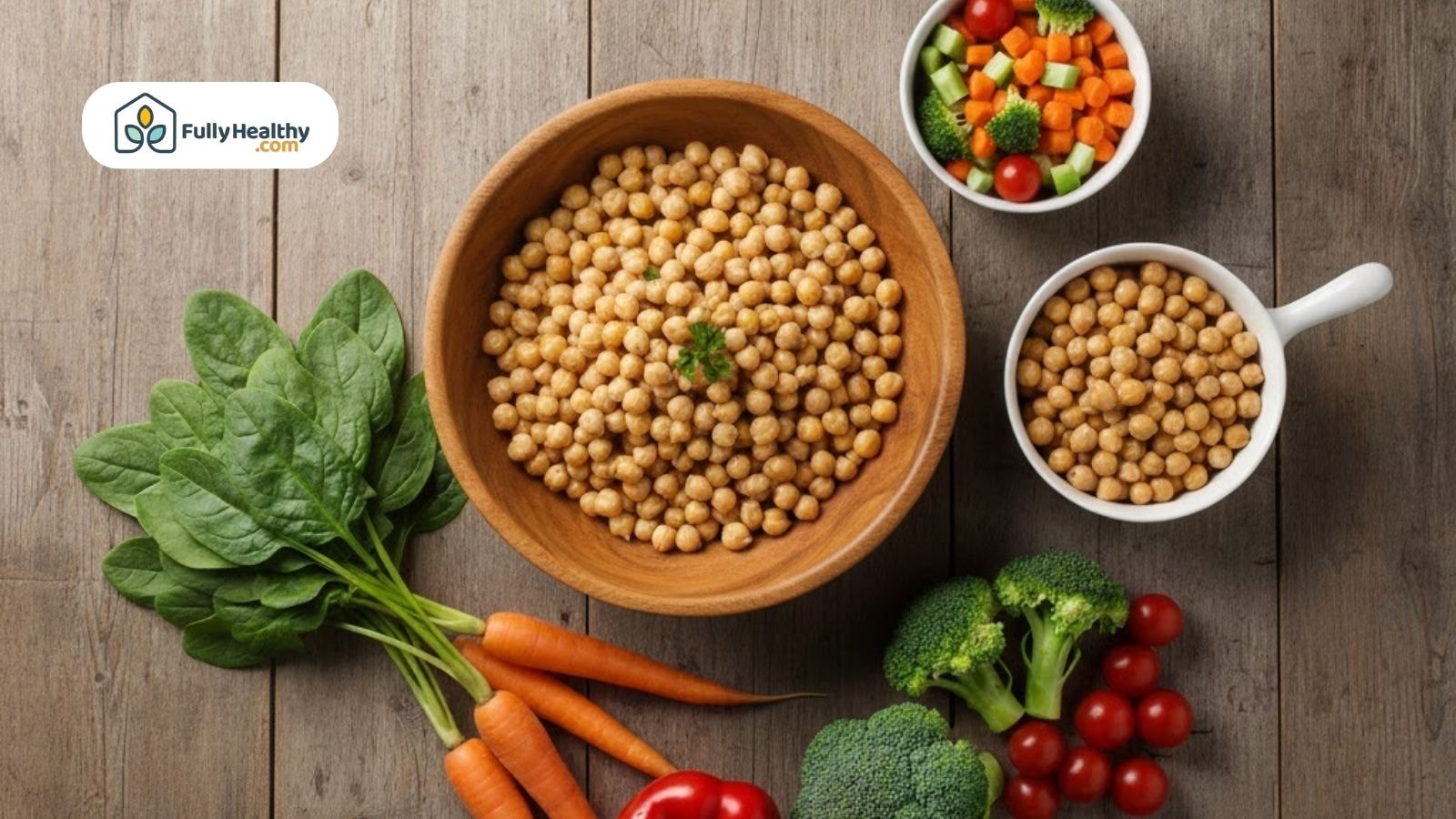
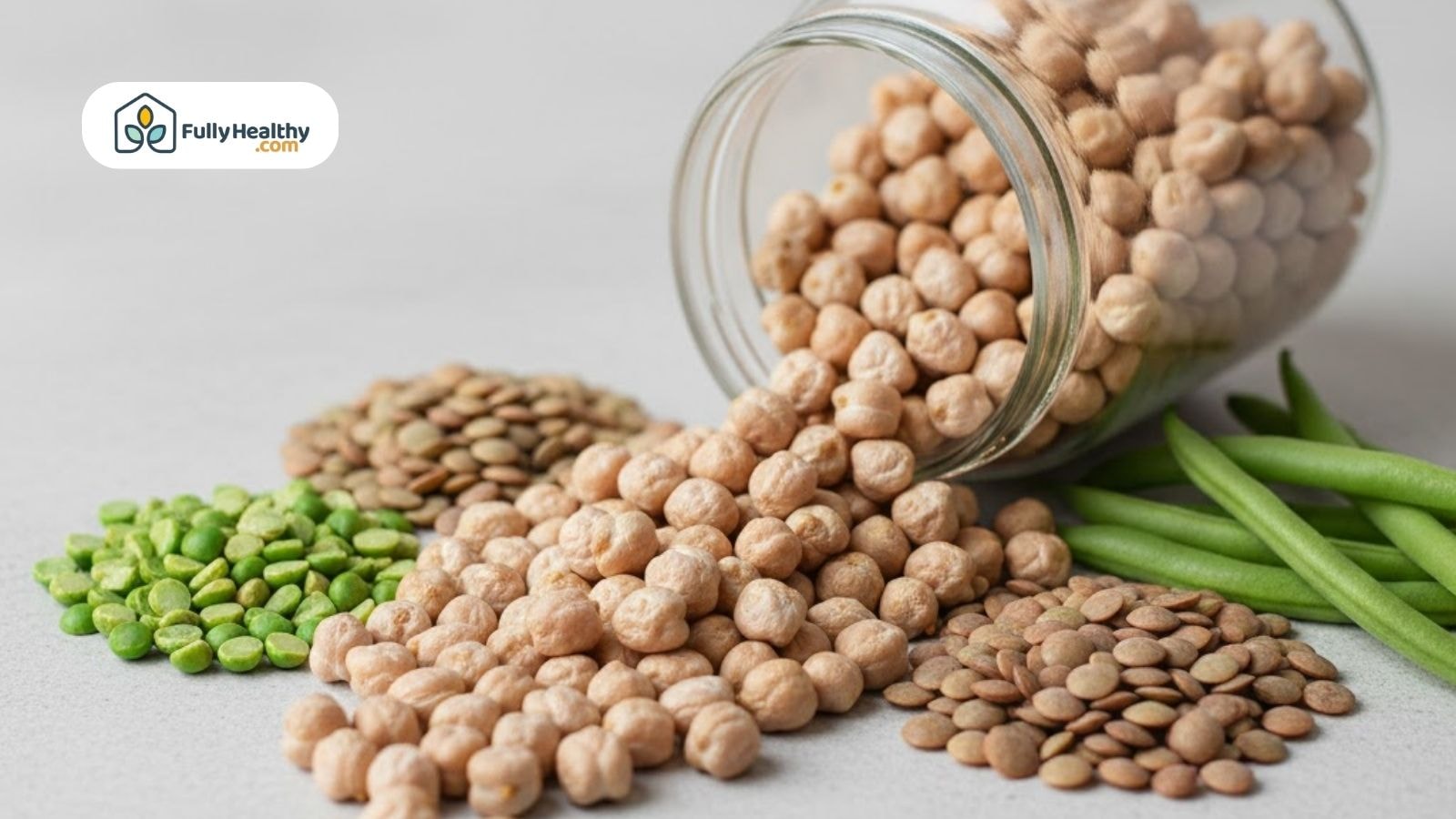
Chickpeas fall under the 'legumes' category, which can be counted either as vegetables or protein foods depending on the context in which they are consumed. They are edible seeds harvested as mature seeds, like beans, lentils, and peas.
-
Legume Family: Chickpeas are related to lentils, peas, black beans, and kidney beans.
-
Vegetable Group: One cup of chickpeas can count as a vegetable serving.
-
Common Names: Chickpeas are also called garbanzo beans, chick peas, bengal gram, and chana dal.
-
Plant Source: Chickpeas are seeds from a cultivated flowering plant.
When Chickpeas Count as Vegetables vs. Protein
When chickpeas are used instead of vegetables like spinach, kale, bok choy, or tomatoes in salads, soups, or stews, they are considered a vegetable. When hummus, chickpea pasta, or chickpea flour are the main part of a meal, they are a protein as long as you don't eat meat or eggs.
-
Vegetable Use: Roasted chickpeas with sweet potatoes and greens.
-
Protein Use: Chickpea pasta as the main meal base.
-
Meal Context: Function depends on what chickpeas replace.
-
Preparation Style: Whole chickpeas act differently than processed forms.
Is It Okay to Eat Chickpeas Every Day?
A Safe Daily Serving Size for Most People
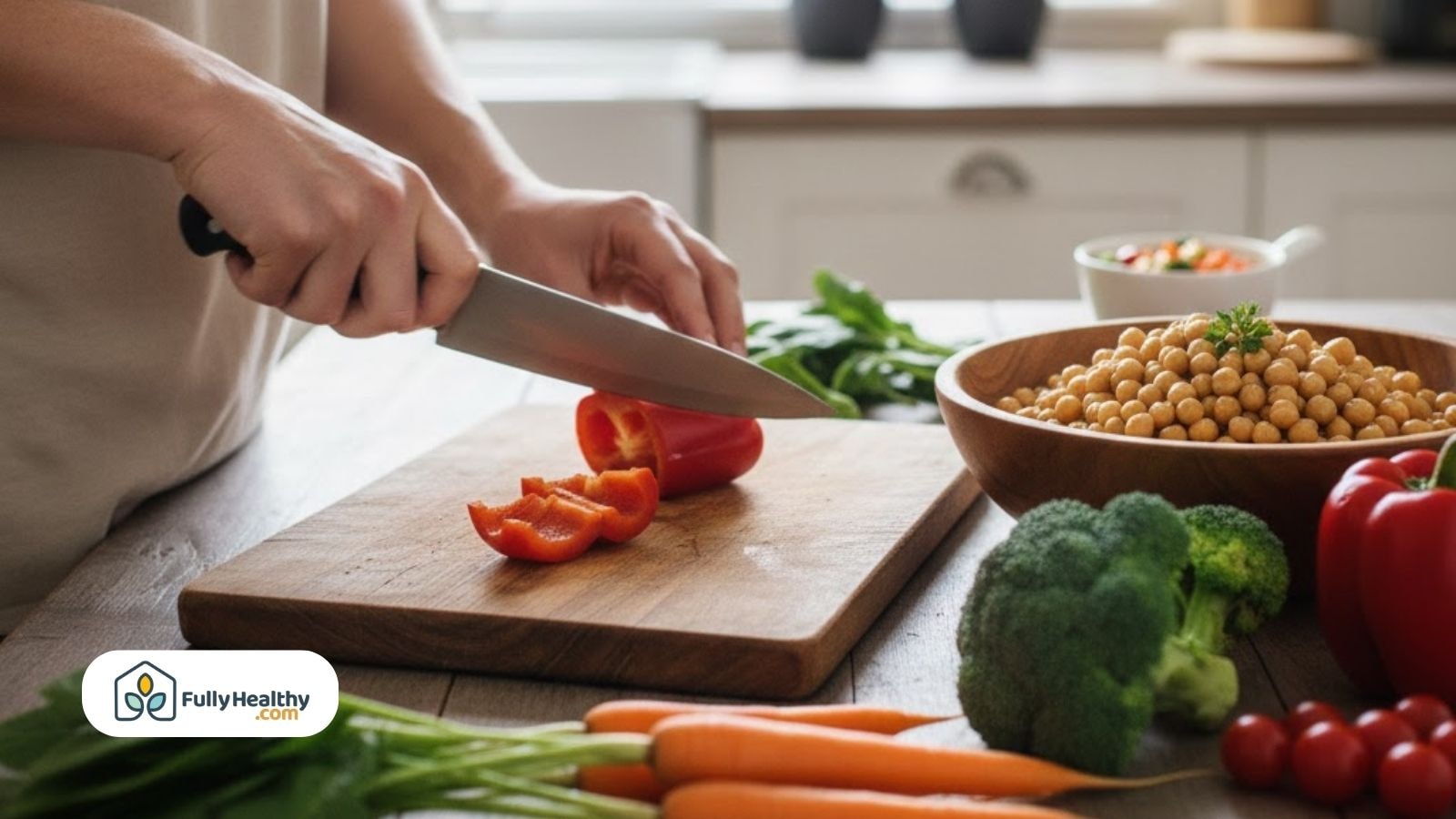
One cup of cooked chickpeas is a good amount to eat each day for most adults, and it fits well with a healthy diet. This amount naturally contains a small amount of saturated fat, and it has fiber, protein, iron, and vitamins.
-
Standard Portion: One cup of cooked chickpeas.
-
Nutritional Value: Good source of dietary fiber, protein, and iron.
-
Diet Fit: Easy to include in salads, soups, stews, pasta, and hummus.
-
Health Context: Supports steady nutrition without excess calories.
Who Should Moderate Daily Chickpea Intake
Some people may need to limit chickpeas because their digestive systems are sensitive to fiber that is added too quickly. Chickpeas in a can have more sodium sometimes, so rinsing them helps lower the salt without losing the nutrition.
-
Fiber Sensitivity: Gradual intake supports digestive comfort.
-
Sodium Awareness: Rinse canned chickpeas before eating.
-
Diet Variety: Rotate with lentils, peas, black beans, and kidney beans.
-
Portion Control: Large servings may cause discomfort.
Do Chickpeas Cause a Sugar Spike?
Why Chickpeas Typically Raise Blood Sugar Slowly
Chickpeas digest slowly because dietary fiber and protein delay carbohydrate absorption, helping keep blood sugar levels steady. This makes chickpeas different from refined foods that cause rapid glucose changes.
-
Fiber Content: Slows digestion and glucose release.
-
Protein Presence: Helps stabilize blood sugar response.
-
Whole Food Structure: Intact seeds digest more slowly.
-
Meal Balance: Pairing with vegetables and fats supports control.
When Chickpeas May Affect Blood Sugar More
Eating a lot of chickpeas or eating them in processed forms like chickpea pasta or chickpea flour may have a bigger effect on blood sugar. If you eat vegetables with chickpeas instead of refined carbs, it can also change the response.
-
Portion Size: Larger servings increase glucose impact.
-
Processing Level: Flour and pasta digest faster than whole seeds.
-
Food Pairings: Refined grains raise blood sugar more.
-
Preparation Method: Whole cooked chickpeas are steadier.
What Goes With Chickpeas to Make a Complete Protein?
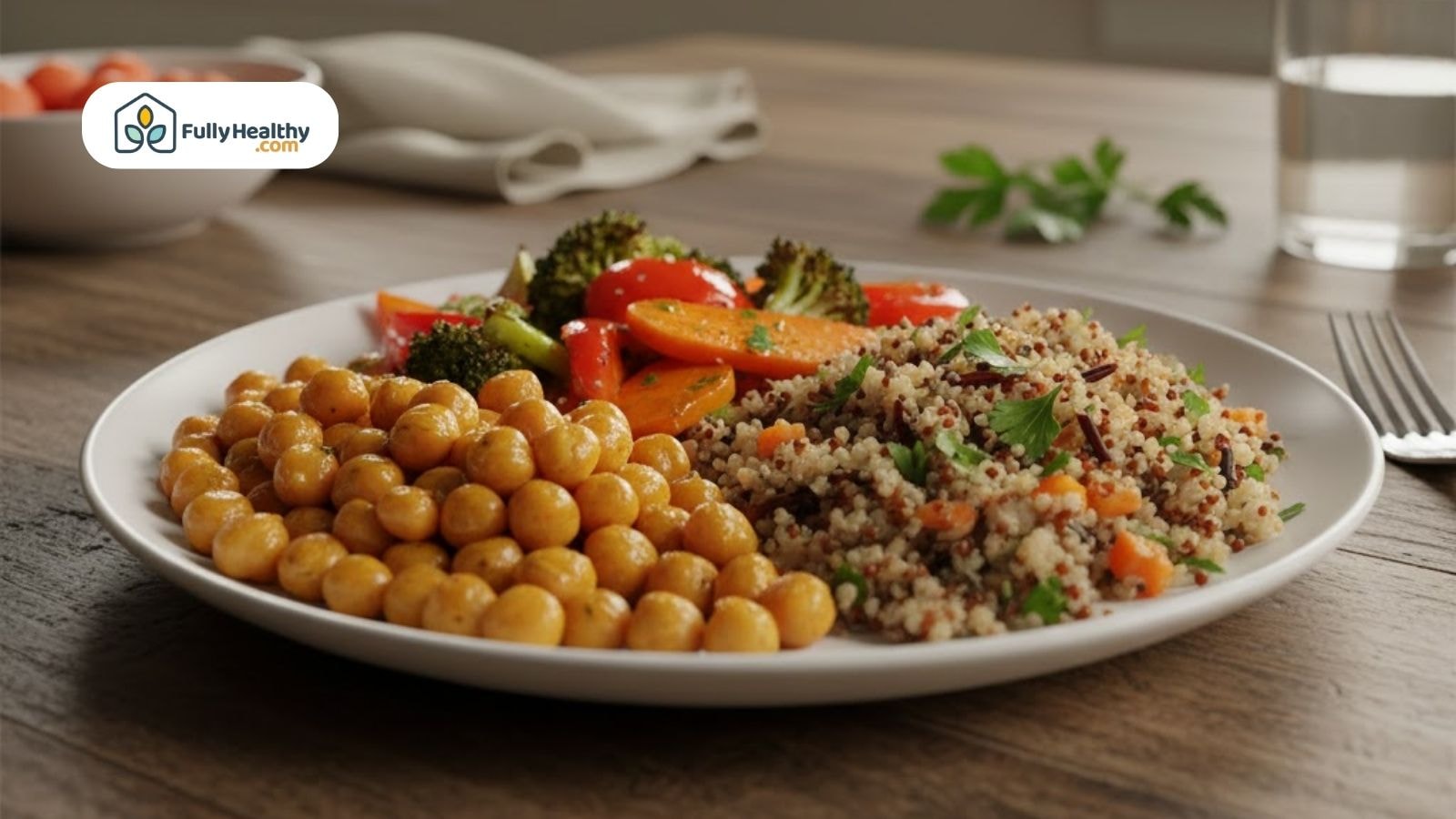
Easy Food Pairings That Balance Chickpeas
Chickpeas go well with grains and seeds that make up for the amino acids that chickpeas lack. This helps make a complete protein for the whole meal. These pairings are common in savory dishes and the everyday tradition of eating.
-
Grain Pairings: Chickpeas with rice, pasta, or whole grains.
-
Seed Pairings: Tahini made from seeds adds balance.
-
Traditional Meals: Hummus with pita or chickpeas with grains.
-
Meal Variety: Pairing supports protein balance over the day.
Why Chickpeas Are Sometimes Considered Incomplete
Because chickpeas have less methionine, they are sometimes called an incomplete protein food, even though they have a lot of other important amino acids. Legumes often do this, and it doesn't make them less nutritious when eaten as part of a varied diet.
-
Amino Acid Profile: Chickpeas supply most essential amino acids.
-
Limiting Factor: Methionine is present in lower amounts.
-
Legume Pattern: Similar to lentils, peas, and other legumes.
-
Diet Context: Variety across meals balances amino acids.
FullyHealthy: A Resource for Specialty Diet Foods
What FullyHealthy Is and Who It Serves
FullyHealthy is an online platform focused on specialty diets and accessible food options for people managing dietary needs. The store supports a wide range of food preferences and health goals through curated food items.
-
Diet Focus: Supports specialized diets and food needs.
-
Accessibility: Centralizes hard-to-find products.
-
Food Variety: Includes pantry staples and prepared options.
-
Health Support: Helps simplify diet planning.
Chickpea-Based Products Available on FullyHealthy
FullyHealthy offers chickpea-based products that fit into everyday meals. These choices include soups and pasta made with chickpeas to make things easier.
-
Wild Zora Tomato Basil Instant Soup: Made with chickpeas, garlic, and onion, suitable for quick meals or light soups.
-
Banza Chickpea Penne Pasta: Chickpea-based pasta commonly used in pasta dishes or mixed with vegetables and sauces.
Final Thoughts
Chickpeas are between vegetables and protein foods, but they are on a lot of plates because they are high in fiber, protein, and minerals that help you eat every day. They are easy to use in a lot of different ways. You can put them in soups or salads, mix them into dips, or use them with olive oil or lemon juice.
When paired well, this food also gives you vitamin C and plant-based iron. Think about balance, portions, and how you make your food. To keep meals simple, filling, and steady, use chickpeas with vegetables, grains, and fats.
FAQs
Are dried chickpeas better than canned chickpeas?
Dried chickpeas need soaking and cooking but give control over salt, texture, and cooking water, while canned options save time for fast meals.
What food group are chickpeas under?
They sit in the vegetable group with split peas, lima beans, and black eyed peas, are part of the legume family, and are also called bengal gram in some regions.
Do chickpeas have health benefits?
Yes, the health benefits include fiber for digestion, protein for meals, vitamin c support, and steady energy compared with many refined foods.
How is homemade hummus usually prepared?
Homemade hummus is blended in a food processor using chickpeas, olive oil, lemon juice, and seasonings until smooth.
Are there any downsides to eating chickpeas?
Some people notice gas or bloating, especially when chickpeas are eaten in large amounts or added suddenly to soups or vegetable juice blends.
Leave a comment