

Are Grapes Low FODMAP? Why Portions Matter More Than You Think
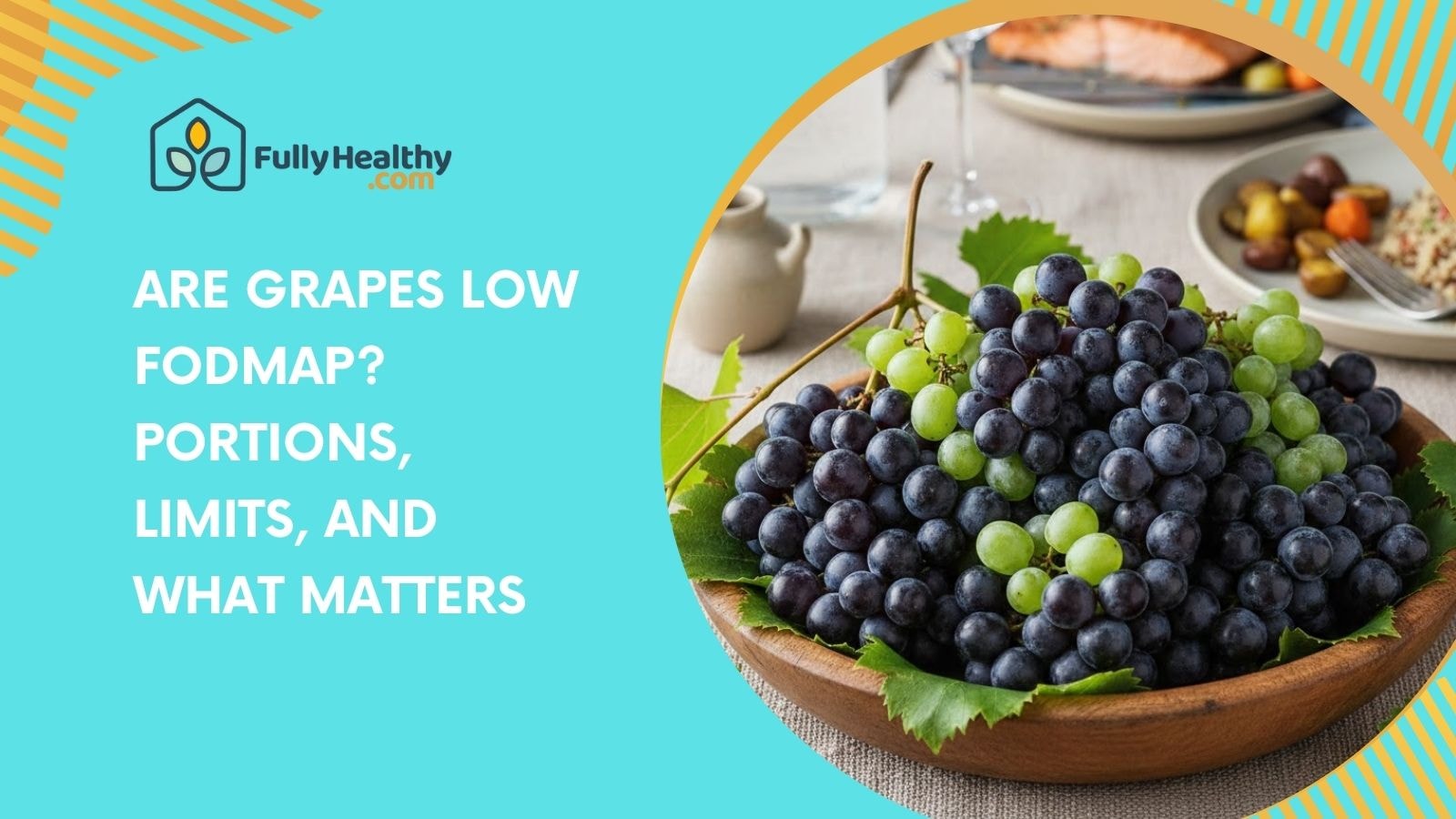
Are grapes low fodmap? In very small amounts, yes it can be. When you eat too many grapes, the extra fructose can make digestion difficult and cause symptoms. Once you eat more grapes, they quickly become high in FODMAPs.
To help you eat more clearly and controllably, this article tells you the exact serving sizes, why the advice changed, and how grapes fit into a low FODMAP diet.
🍇 Sweetened by Nature – Taste the Pure Grape Goodness in St. Dalfour Raspberry!
Are Grapes Low FODMAP?

What “Low FODMAP” Means for Grapes
On a low FODMAP diet, grapes aren't always a good idea because they have a lot of fructose, which is hard for the small intestine to absorb. The correct explanation is that grapes are only low in fodmaps when eaten in small amounts, since fructose can ferment quickly and put stress on digestive systems.
-
Excess fructose: Grapes contain more fructose than glucose, increasing the chance of malabsorption.
-
FODMAP category: Grapes are classified under fructose rather than fermentable oligosaccharides or lactose.
-
Digestive health: Poor fructose absorption can cause bloating, gas, and other digestive symptoms.
-
FODMAP content: The FODMAP content of foods depends on portion size, not the food alone.
-
Small servings: Staying within low FODMAP serving sizes helps reduce the risk of triggering symptoms.
Why Grape Guidelines Changed Over Time
In the past few years, new research from Monash University changed grape recommendations because smaller amounts of fructose were found to be harmful than was first thought. The Monash FODMAP team connected these changes to things in the environment, how food is stored in cold places, and new discoveries in experimental botany that have an impact on fresh food.
-
Re testing: Updated lab methods provided more precise measurements of fermentable sugars.
-
FODMAP updates: Retested foods resulted in revised FODMAP food lists and lower serving limits.
-
Environmental factors: Climate change and stress environments can shift sugar composition in crops.
-
Cold storage: Refrigeration after harvest can concentrate fructose in grapes.
-
Future prospects: Ongoing FODMAP research may continue to refine serving guidance as food systems evolve.
How Many Grapes Can I Eat on Low FODMAP?

The Current Low FODMAP Serving Size for Grapes
Due to too much fructose, Monash University FODMAP says that grapes are only low in FODMAP when eaten in very small amounts. When you eat more grapes, they quickly become high in FODMAPs, which can make you eat more of them and have digestive problems.
-
Low FODMAP serving: About 2 grapes (approximately 10 g) is considered low FODMAP during the elimination phase.
-
Moderate FODMAP: Around 6 grapes (about 30 g) increases fructose load and may cause symptoms in sensitive people.
-
High FODMAP: About 15 grapes (75 g or more) is high FODMAP due to excess fructose.
-
Serving size: Portion size matters more than grape color, including white seedless grapes, red grapes, and black grapes.
-
Retested foods: These limits reflect recent FODMAP research and re testing by the Monash FODMAP team.
How to Eat Grapes Without Triggering Symptoms
When you're on the step of eliminating foods from your low FODMAP diet, grapes work best when you eat them as a flavoring rather than as a main snack. Having grapes with protein sources and eating FODMAP foods at different meals can help lower the risk of having uncomfortable symptoms.
-
Small servings: Use a few grapes rather than a full handful.
-
Food pairing: Combine grapes with plain cooked meats, firm tofu, or hard cheeses.
-
FODMAP stacking: Avoid combining grapes with other high fructose foods.
-
Processed foods: Limit processed meats and dried fruit when eating grapes.
Are Grapes Good for IBS Sufferers?
When Grapes May Be Tolerated With IBS
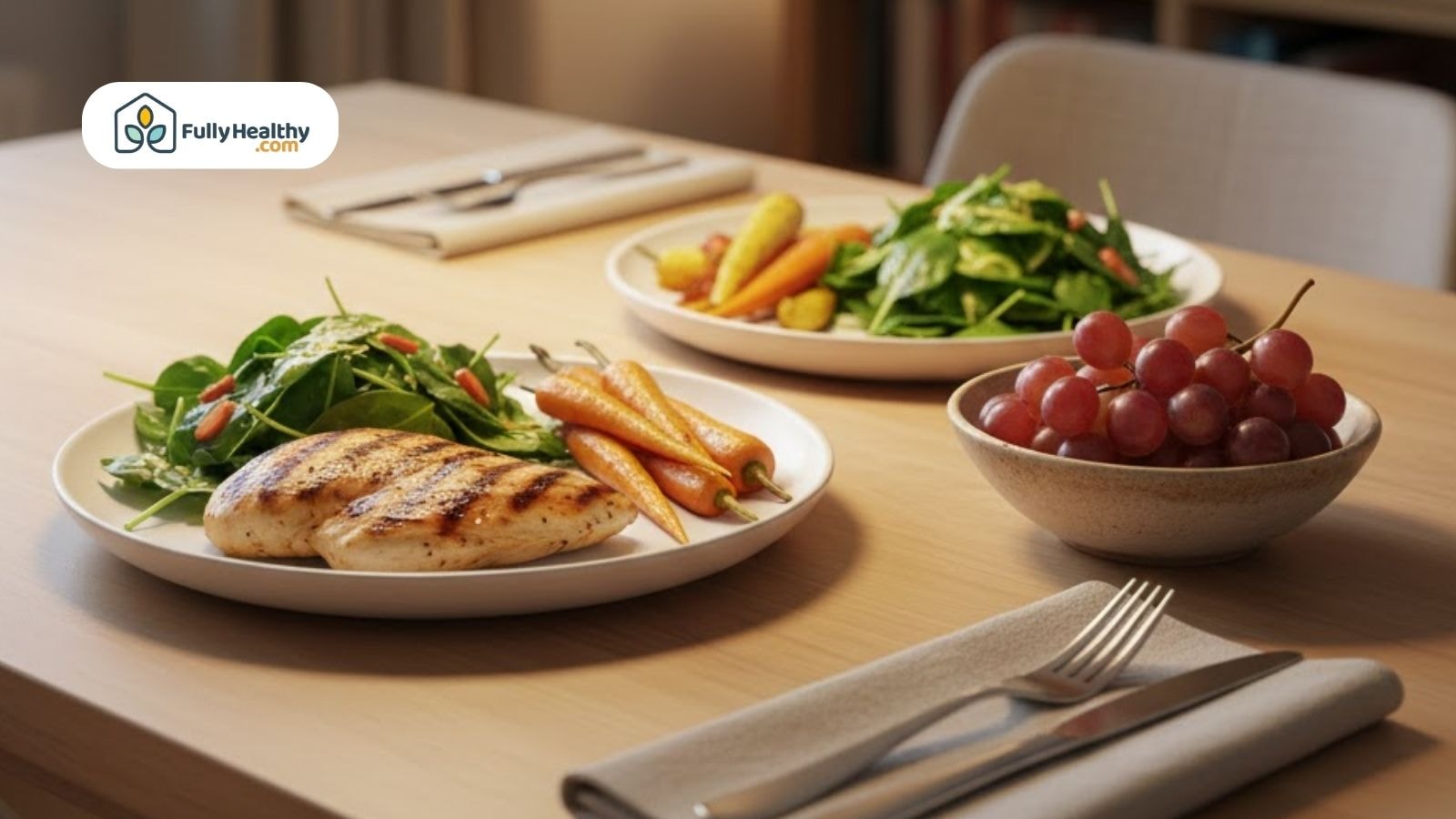
Different people with IBS react differently to fructose, which is why some can eat grapes without getting upset and others can't. How well the small intestine absorbs fructose and how sensitive the digestive system is to fermentable sugars determine how much someone can handle.
-
Tolerance threshold: Individual limits differ and must be tested gradually.
-
IBS symptoms: Excess fructose can worsen bloating, gas, and abdominal pain.
-
Digestive systems: Sensitivity varies based on gut motility and absorption capacity.
-
Eating grapes: Small servings may be tolerated outside stress environments.
Where Grapes Fit in the Low FODMAP IBS Process
When on the FODMAP diet, grapes are usually taken out during the elimination phase and then tested again during the reintroduction phase. With the help of medical professionals, this structured approach helps find what causes symptoms and supports long-term digestive health.
-
Elimination phase: Remove grapes to reduce overall FODMAP intake.
-
Reintroduction phase: Test grapes slowly to assess fructose tolerance.
-
Healthcare provider: A registered dietitian or accredited practising dietitian can guide testing.
-
Healthcare professionals: Support personalized planning for ibs sufferers.
What Is the Lowest FODMAP Fruit?

Low FODMAP Fruit Options That Are Easier to Portion
Because their sugar balance helps the body absorb sugar better when eaten in small amounts, some low FODMAP fruits are easier to portion out. Fruits that are high in too much fructose or polyols, on the other hand, are more likely to make digestive problems worse.
-
Low FODMAP fruits: Oranges, kiwi, and blueberries are commonly tolerated.
-
Other low FODMAP fruits: Cantaloupe, pineapple, and ripe bananas in small servings.
-
High risk fruits: Apples, pears, dried fruit, and stone fruits contain higher fermentable sugars.
About FullyHealthy
What FullyHealthy Offers
FullyHealthy is a specialty food store that offers foods with clear labels to help people who are on restricted eating plans, such as the low FODMAP diet. The platform focuses on clear ingredient lists, easy navigation, and options that make it easy for shoppers to control their intake.
-
Specialty focus: Products designed for dietary restrictions and sensitivities.
-
Label clarity: Ingredient lists and product details are easy to review.
-
Food products: Options that support digestive health and controlled portions.
-
Convenience: Centralized access to specialty foods in one place.
Fruit Spreads and Low FODMAP Considerations
Many of these products contain grape juice or grape-derived ingredients, which raises the amount of fructose and FODMAPs you eat. But these spreads might still work for you if you like grapes or aren't on a low FODMAP diet.
-
St. Dalfour Four Fruits Fruit Spread: A blend of multiple fruit concentrates with grape-derived sweetening that creates a rich, layered fruit flavor.
-
St. Dalfour Ginger and Orange Marmalade: An orange-based marmalade with ginger notes, sweetened using concentrated fruit juices including grape components.
-
St. Dalfour Heritage Peach Fruit Spread: A peach-forward fruit spread made with concentrated fruit sugars and grape-derived ingredients for sweetness.
-
St. Dalfour Black Cherry Conserves: A cherry preserve with concentrated fruit content and grape-based sweetening for a deep, bold taste.
-
St. Dalfour Red Raspberry Conserves: A raspberry conserve made with fruit juice concentrates, including grape juice, for natural sweetness.
Final Thoughts
If you are following a low FODMAP diet, understanding grapes is more about portions, context, and overall eating habits than about being afraid of them. Low-FODMAP foods, lactose-free milk, almond milk, and simple low-FODMAP recipes can all be eaten with grapes as long as the amount eaten is controlled and symptoms are kept track of.
Red grapes, black grapes, and white grapes without seeds all react the same way when the fructose load goes up. For better digestion, use structure instead of restriction. If symptoms don't go away, talk to a professional and be patient as you make changes.
FAQs
Which color grapes are the healthiest?
All colors offer antioxidants, but white seedless grapes, red grapes, and black grapes mainly differ in polyphenol content rather than digestion impact.
Who should avoid eating grapes?
People with fructose malabsorption or frequent digestive symptoms during a low FODMAP phase may need to limit grapes.
Can grapes trigger gastritis?
Grapes can trigger gastritis symptoms in some people because their natural acidity and fructose content may irritate an already inflamed stomach lining.
How do you calm a FODMAP flare up?
Return to low fodmap foods, simple meals, fluids like lactose free milk or almond milk, and pause trigger foods.
Do grapes affect bowel movements?
Grapes can affect bowel movements because excess fructose can pull water into the gut and increase fermentation in the digestive tract, which may lead to looser stools.
Leave a comment