

Are Hibiscus Perennial Flowers? Shrub Hibiscus Made Simple
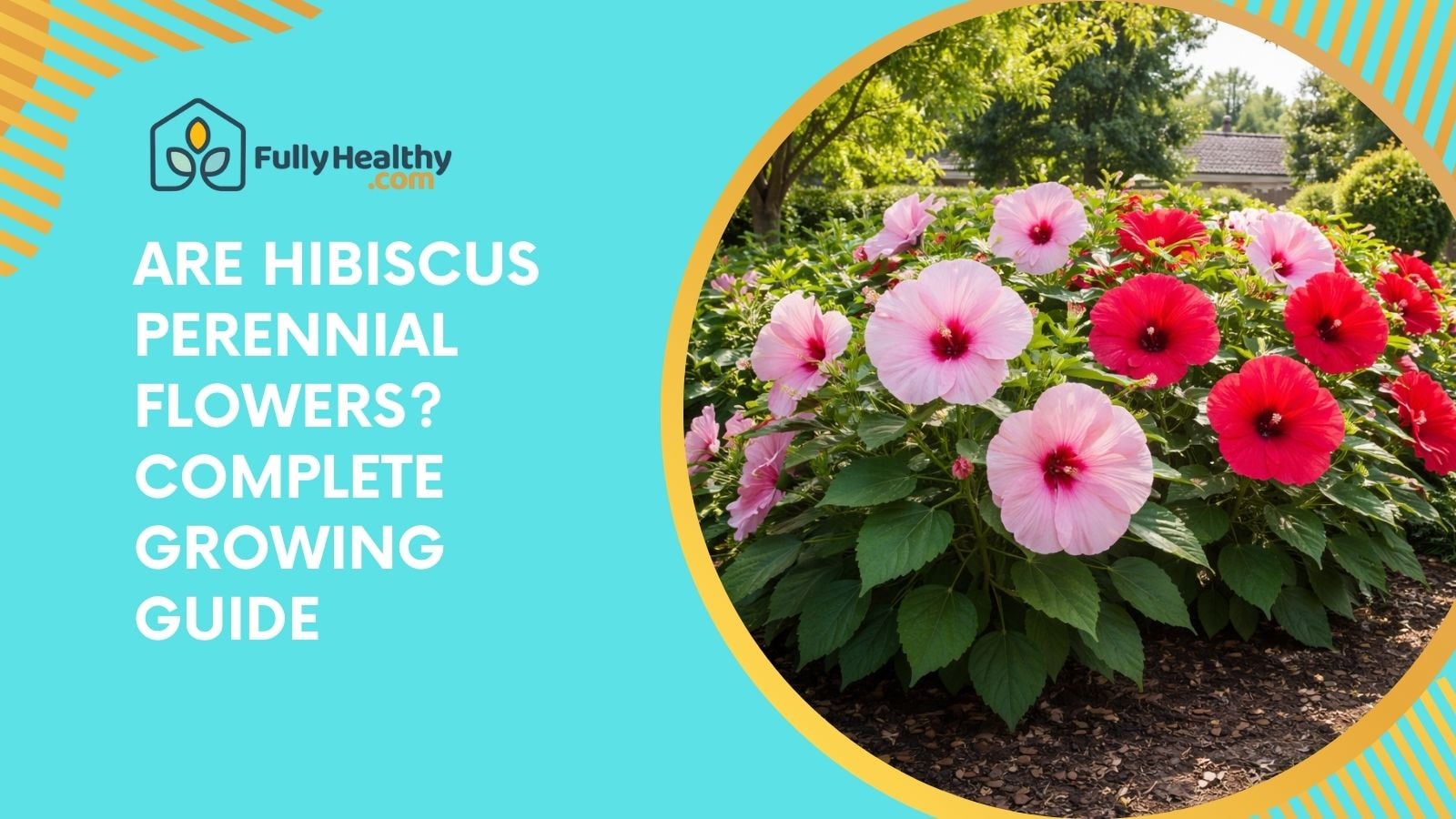
Are hibiscus perennial flowers? It depends on the type and where you live. All hibiscus bloom annually during their flowering season, but only hardy types survive winter in colder climates and return to bloom the following year.
In many climates, hardy hibiscus plants live for many years. Tropical hibiscus only behave like perennials in warm places. This article talks about the differences, how to identify your plant, how to make it through the winter, the bad things about each, and helpful resources.
Featured Tea Pick
Traditional Medicinals // Organic Hibiscus Tea - 16 Bags
Loading...
Are Hibiscus Perennial Flowers?
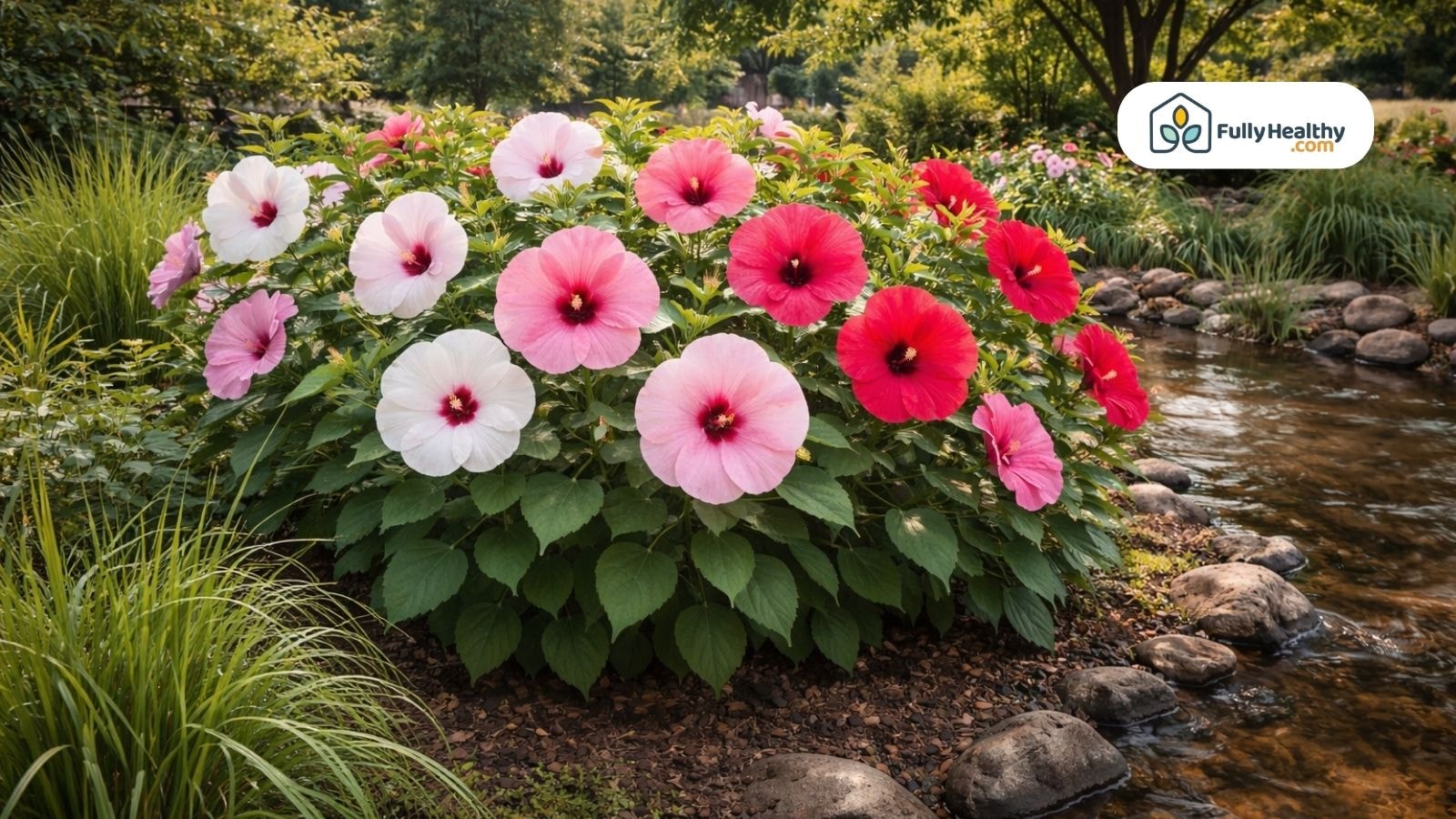
Hibiscus plants are often asked if they come back every year. It depends on the type and the weather. There are hibiscus plants that live for many years, while others can only live as annuals in colder places.
When planted in the right areas, perennial hibiscus, also called rose mallow, will always come back. Even though growth appears slow at first, these plants reward your patience with colorful and huge flowers in the summer.
Hardy vs Tropical Hibiscus
Frost-tolerant species such as Hibiscus moscheutos and Hibiscus laevis grow well in colder regions, typically within USDA hardiness zones 4–9. Hibiscus rosa sinensis and tropical hibiscus can only grow as perennials in warm places. They can't handle cold weather.
-
Cold tolerance: Hardy kinds can handle frost and grow back from the roots every spring.
-
Flower size: Many hardy types have the largest flowers of all perennials.
-
Climate limits: If they are not protected, tropical types die when the first frost comes.
Why Hibiscus Confuses Gardeners
Many gardeners think that perennial hibiscus is dead because it blooms later than other plants. It is normal for it to start off slowly; it's part of the growth cycle.
-
Late growth: New growth often starts in late spring or early summer.
-
Dormant look: The last year's stems may look dry or alive.
-
Big payoff: Some buds open later than others, but when they do, they open into bright pink blooms, and also red, pink, and white.
How Do I Know If My Hibiscus Is Perennial Or Annual?
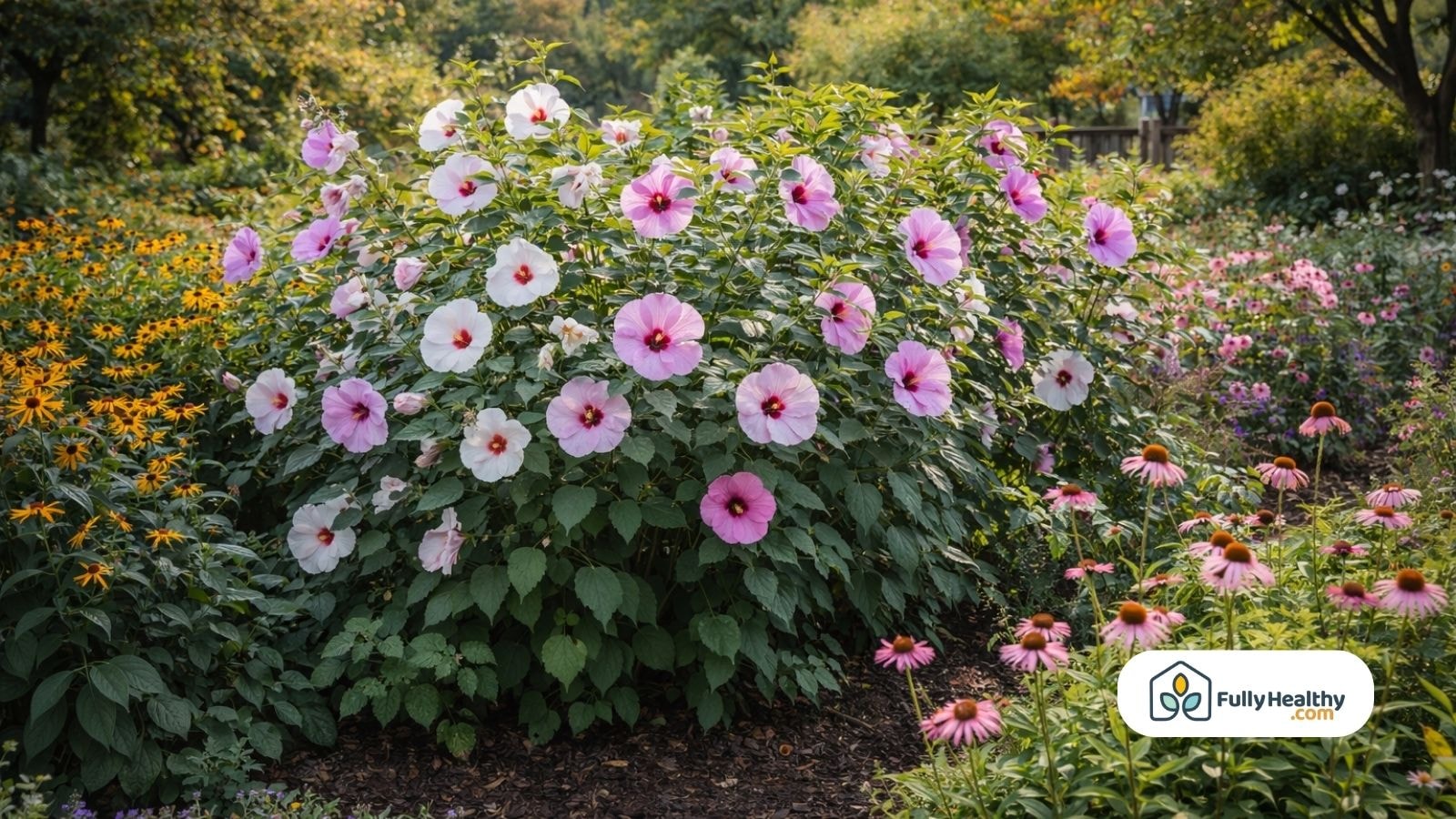
Hibiscus plants need to be cared for and planted in the garden differently depending on whether they are perennial or annual. Common perennials include hibiscus shrubs and rose of Sharon. The plant's growth pattern, stems, and ability to survive the winter all help identify it. Additionally, your growing area is very important.
Visual and Structural Clues
Although hardy hibiscus plants die back all the way each fall, tropical plants keep their woody stems standing above ground.
-
Stem behavior: A lot of hardy plants grow back from the ground every spring.
-
Leaf texture: Hardy leaves don't shine as much and are usually grayer.
-
Color patterns: Pink flowers, red flowers, and white flowers are common on perennial forms.
Species and Name Indicators
Some species names indicate that they grow back every year. Hibiscus syriacus, also called "rose of Sharon," and hibiscus moscheutos are known for being able to survive winter.
-
Common names: Plants known as rose mallow or known as rose often indicate hardy types.
-
Popular varieties: Lord Baltimore and Proven Winners selections return reliably.
-
Growth timing: Growth emerges later than most perennials, often in early summer.
Can A Hibiscus Plant Survive The Winter?
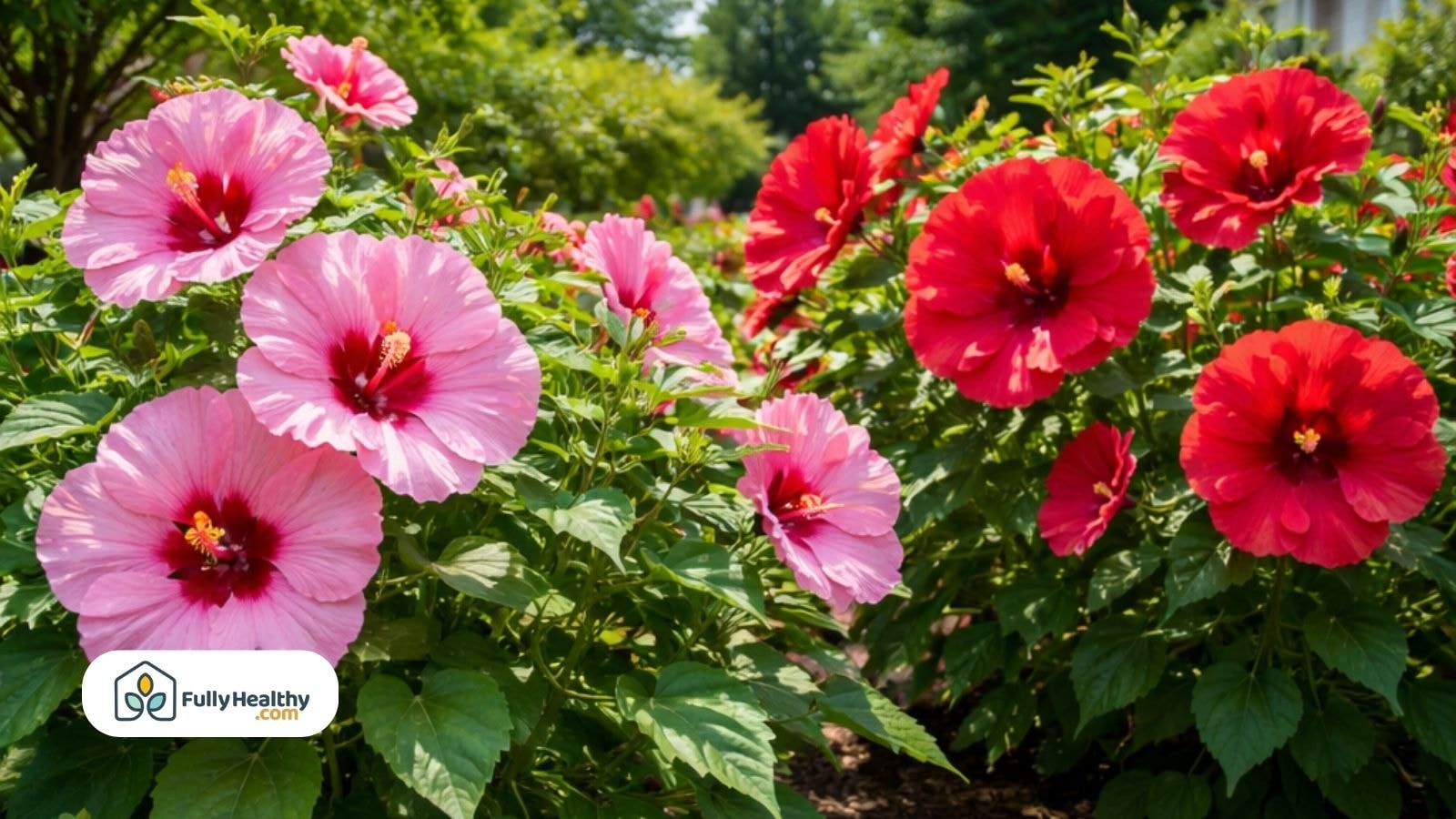
Plant type, location, and care affect how well it survives the winter. Tropical hibiscus plants need to be kept inside during the winter, while perennial hibiscus plants rest underground. For long-term success, you must pick the right plant for your zones.
How Hardy Hibiscus Handle Cold
In the winter, perennial hibiscus plants stay alive by going to sleep underground. Growth starts up again when the temperature goes up.
-
Seasonal cycle: In fall, the stems die back, and new growth usually emerges in late spring to early summer once soil temperatures warm.
-
Soil needs: Roots are protected by soil that is moist and full of organic matter.
-
Cold resistance: Cold tolerance is primarily determined by the plant’s genetics, though well-drained, organic-rich soil can improve winter survival.
Winter Care Tips That Matter
Simple care steps will help them live longer and bloom better next summer.
-
Mulching: In late fall, cover the ground to keep the roots safe.
-
Watering: Make sure the soil is evenly wet but not soaked.
-
Feeding: In early spring, use extended-release fertilizer.
When you grow perennial hibiscus in full sun or light shade, growth improves. In rain gardens, wet areas, and perennial border designs, these plants do well. With proper care, hardy hibiscus typically bloom from mid- to late summer, sometimes extending into early fall. Their bright flowers add color to your garden all summer and fall.
What Are The Disadvantages Of Hibiscus Plants?
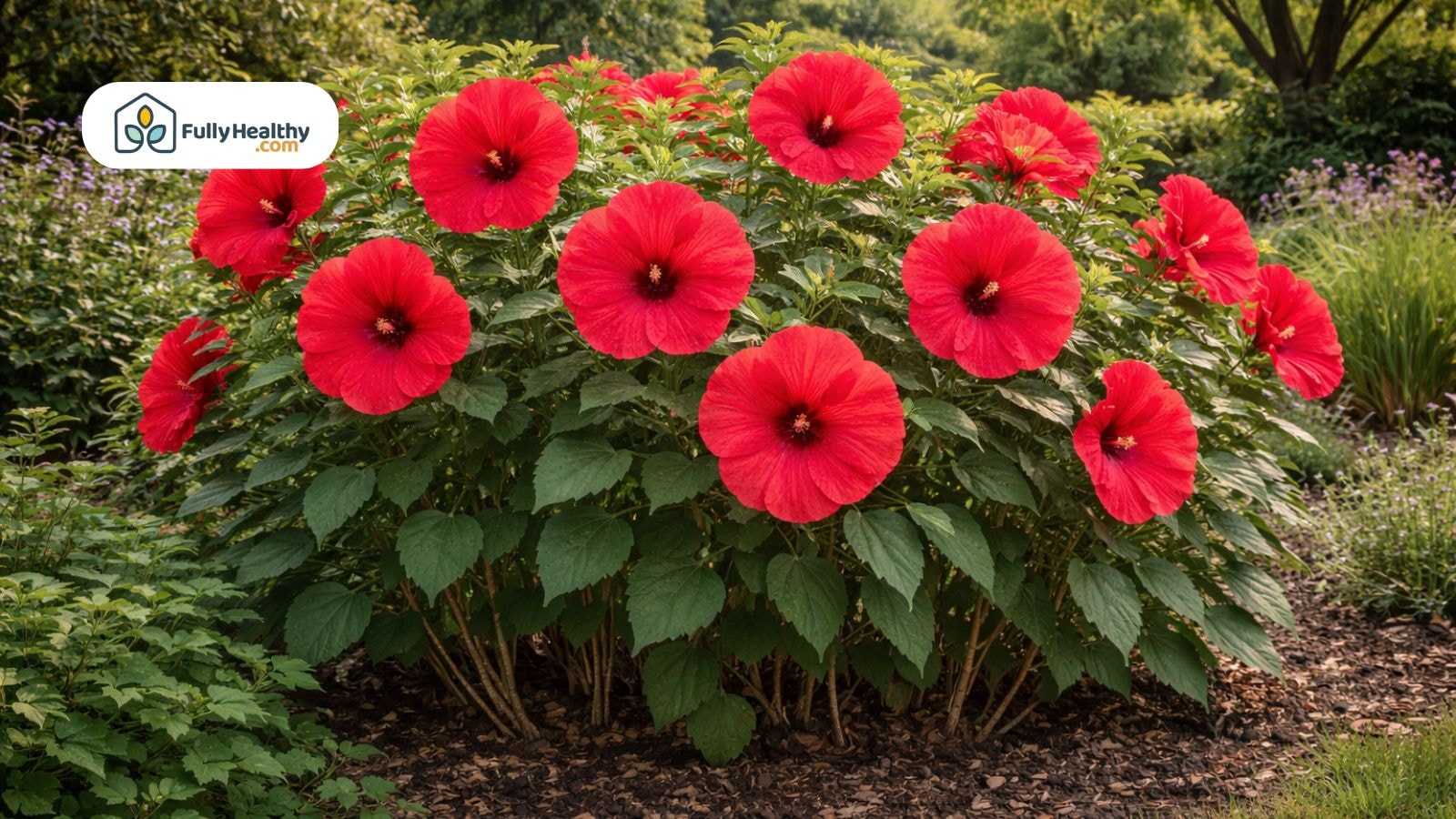
Hibiscus plants are beautiful, but they can be hard to take care of. These problems should be known before you plant hibiscus in your garden. Some issues have to do with daily care, while others have to do with performance and growth over the long term. Gardeners can avoid making common mistakes and make better decisions when they know these limits.
Maintenance And Growth Challenges
A lot of hibiscus plants need constant care while they are growing. If the right conditions aren't met, flowering and growth may suffer.
-
Water needs: When it's warm outside, hibiscus plants require consistent moisture.
-
Soil problems: Roots can get stressed and grow more slowly if the soil doesn't drain well.
-
Leaf concerns: Blackened foliage may result from fungal leaf spot, bacterial disease, cold injury, or prolonged stress from poor air circulation.
Long-Term Considerations
If you want a low-maintenance plant, hibiscus might not be the best choice. Some traits can only be learned through time and practice.
-
Seed results: When grown from seeds, plants might not look or act like their parent plant.
-
Climate limits: Being cold can make it harder to stay alive in places that aren't right for you.
-
Varieties tend: There are types of hibiscus that only do well in certain conditions.
By knowing these problems, gardeners can use useful growing tips and make plans ahead of time. If you give your hibiscus plants the care they need and don't expect too much, they can still do well and stay healthy.
How Does Fully Healthy Support Hibiscus-Related Wellness Needs?
Fully Healthy is not a gardening site, but it does sell items related to the health benefits of hibiscus. Any potential health effects of hibiscus products depend on preparation, dosage, and clinical evidence and are unrelated to the plant’s gardening or perennial characteristics.
Showing that hibiscus can be found in places other than gardens is what makes it valuable. Although the website doesn't teach people how to grow plants, it does explain what to do with hibiscus after it's been picked.
What The Site Offers Related To Hibiscus
Fully Healthy sells plant-based health products that contain hibiscus. For eating, these products are made, not for planting.
-
Product focus: To use every day, hibiscus-based teas and supplements.
-
Ingredient clarity: A clear explanation of where the plants come from and how they are processed.
-
Purpose: Products are made to help with general health routines.
How This Connects To Garden Knowledge
Individuals who know how hibiscus is utilized in health promotion can better comprehend the plant's overall worth. Although the site supports awareness, it does not support cultivation.
-
Educational insight: Additionally, it displays a different use for hibiscus besides the garden.
-
Not for planting: Products aren't meant to be used in gardens or to collect seeds.
-
Consumer awareness: Enables readers to comprehend the steps taken from harvesting plants to making products with their parts.
Separating hibiscus care from health uses helps readers get a better sense of the plant. Supports product knowledge, while gardeners focus on planting, growing, and taking care of plants.
Final Thoughts
So, are hibiscus perennial flowers? It depends on the type and the weather. Hardy perennial hibiscus come back every year in the right growing zones, but tropical types need warm weather to stay alive.
Hibiscus plants can grow well and make beautiful flowers if they get the proper care, soil, and sun. Gardeners can choose the right plant and get steady growth if they know these differences.
FAQs
How far back do I cut my hibiscus for winter?
Cut hardy hibiscus back to about 6–12 inches above the ground after the first frost, while tropical hibiscus should only be lightly pruned in late fall or early spring.
How often should hibiscus be watered?
Hibiscus should be watered regularly to keep the soil evenly moist, with more frequent watering during hot or dry weather.
Are coffee grounds good for hibiscus?
Coffee grounds can be used in small amounts to add organic matter, but they should be composted first to avoid making the soil too acidic.
What is the lifespan of a hibiscus flower?
Most hibiscus flowers last only one to two days, but the plant continues producing new blooms throughout the flowering season.
Do hibiscus like sun or shade?
Hibiscus grow best in full sun, though light shade can help protect plants from stress in very hot climates.
Leave a comment