

Are Jalapenos Good for You? Real Benefits of This Spicy Pepper
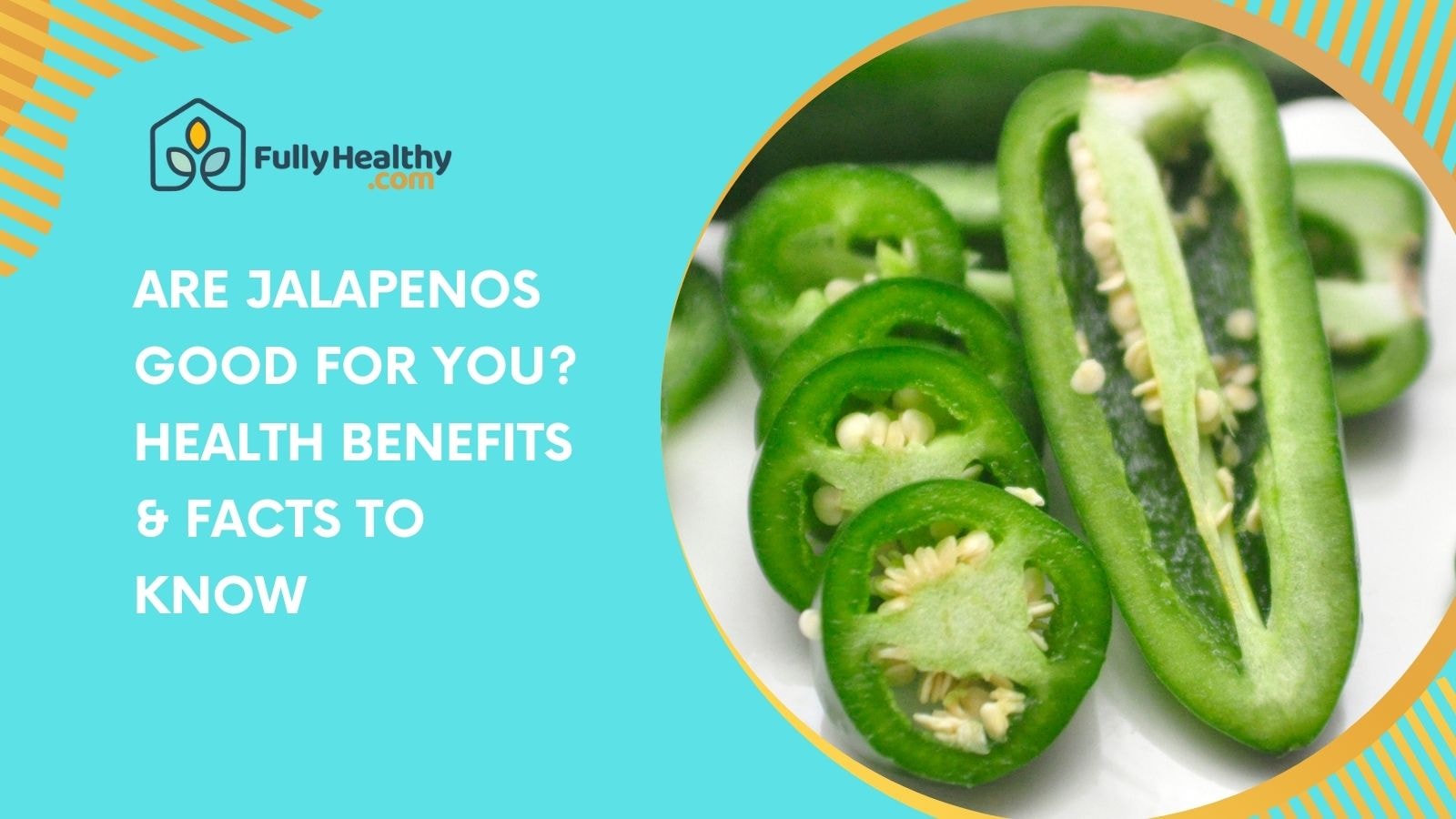 Photo Credit: Canva Pro
Are jalapeños good for you? Yes, they are healthy, spicy, and full of benefit. Jalapeño peppers can help you lose weight, keep your heart healthy, digest food better, and fight off sickness. They are full of beneficial nutrients for you, like vitamin C and fiber, and don't have many calories.
If you like hot peppers, jalapeños might be a good way to stay healthy. Find out these things before you eat your jalapeños.
🔥 Spicy, Protein-Packed, Delicious – Click for Chomps Jalapeño Beef!
What Are the Benefits of Eating Jalapeños?
 Photo Credit: Canva Pro
Nutrient-Packed and Low in Calories
Jalapeños are good for you because they have few calories and a lot of important vitamins, antioxidants, and compounds that help your metabolism. These hot peppers are a healthy addition to a balanced diet because they have a high nutrition-to-calorie ratio.
-
Calories per serving: One raw jalapeño has only about 4–6 calories, making it a guilt-free flavor boost.
-
Essential vitamins: Rich in vitamin C, vitamin A, vitamin B6, and vitamin K.
-
Minerals: It has potassium and folate, which help the blood flow and nerves work.
-
Fiber content: Adds fiber to the food, which helps with digestion.
-
Nutrient density: A lot of vitamins and not much fat or sugar.
-
Forms: Can be consumed as fresh jalapeños, smoked chipotle, or pickled for variety.
Capsaicin’s Role in Weight, Immunity, and Pain Relief
Hot peppers like jalapeños have a compound called capsaicin that makes them spicy. In addition to its taste, it has a number of health benefits, such as speeding up the metabolism and pain relief.
-
Metabolic boost: Capsaicin helps raise metabolic rate and supports weight loss.
-
Satiety support: Eating chili peppers might make you feel less hungry and help you control your weight.
-
Pain relief: Topical creams with capsaicin can help by making pain receptors less sensitive.
-
Immunity aid: Helps the body make white blood cells, which make the immune system stronger.
-
Cardiovascular support: It makes the blood flow better and lowers inflammation.
-
Anti-inflammatory effects: Capsaicin is naturally anti-inflammatory, which is good for the health of your muscles and joints.
Is It Okay to Eat Jalapeños Every Day?
 Photo Credit: Canva Pro
What Happens with Daily Consumption
When eaten in moderation as part of a healthy diet, eating jalapeños every day can be good for you. These hot peppers have many health benefits, including helping your heart, digestion, immune system, and weight loss.
-
Immune function: Regular intake boosts immune system and antioxidant defenses.
-
Inflammation management: Long-term intake may reduce risk of chronic diseases.
-
Global habits: People in Mexico, Thailand, and India regularly eat spicy foods including chili peppers.
-
Form flexibility: Capsaicin content remains stable in fresh, dried, or pickled jalapeño peppers.
Who Should Avoid Daily Jalapeños
Despite their potential health benefits, jalapeños are not ideal for everyone. People with certain conditions may experience irritation from eating jalapeños frequently.
-
Sensitive stomachs: Those with acid reflux, IBS, or ulcers should avoid jalapeños or eat less of it.
-
Pregnancy caution: Some pregnant individuals may experience worsened digestive issues.
-
Possible symptoms: It's possible to get stomach pain, diarrhea, and skin irritation from eating too much.
-
Handling tip: Always wear gloves when cutting spicy jalapeños to avoid burns and allergic reactions.
-
Topical exposure: Capsaicin can irritate eyes and skin due to its intense spiciness.
-
Moderation key: Incorporating jalapeños in small amounts is safer for most people.
Is Jalapeño a Superfood?
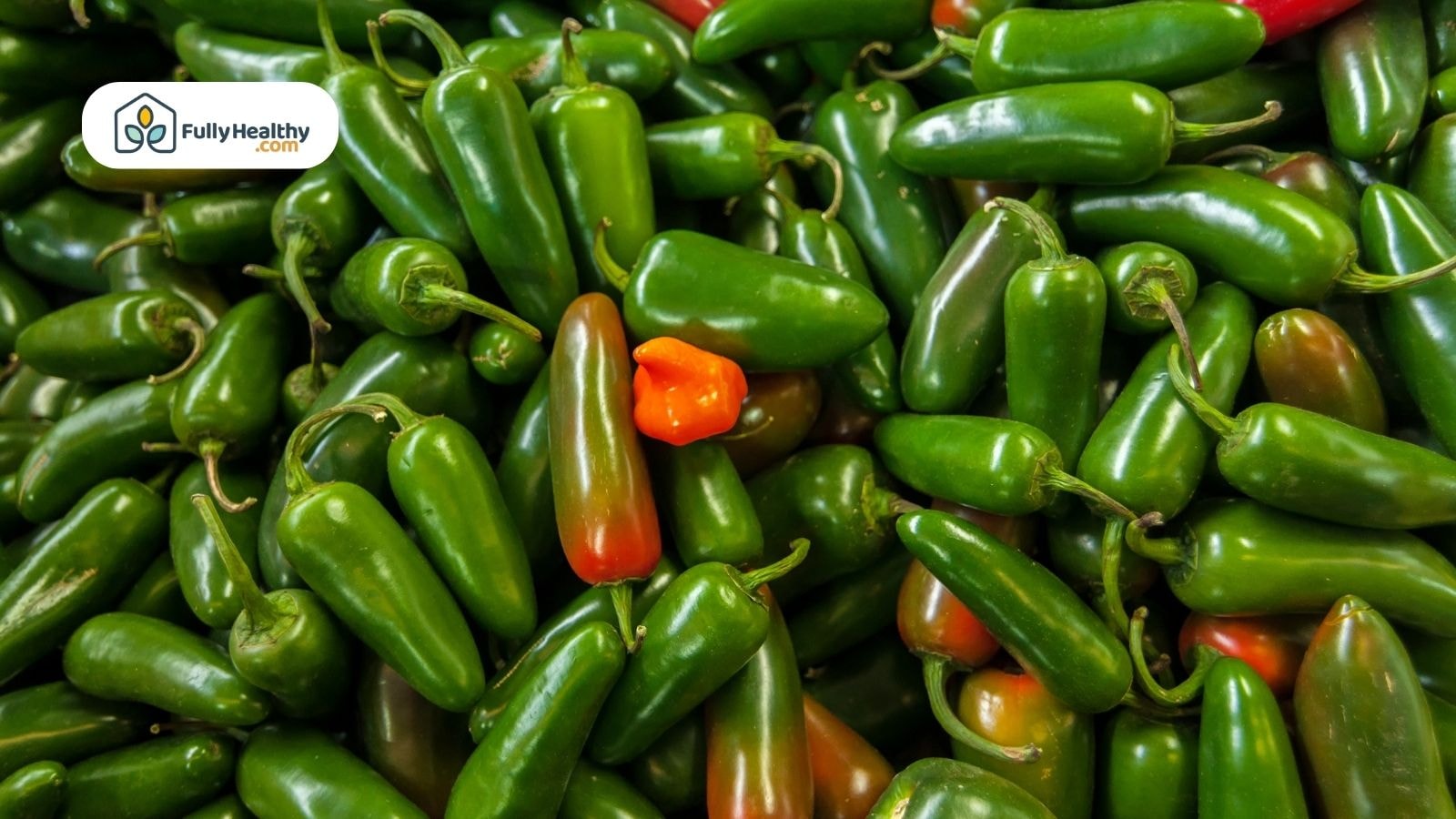 Photo Credit: Canva Pro
Nutrient Density and Disease Prevention
The term "superfood" isn't very clear, but jalapeños have a lot of qualities that make them fit into the category. Their antioxidant properties and nutrient density support protection against chronic diseases.
-
Antioxidant power: Vitamin C and carotenoids help combat oxidative stress.
-
Heart protection: Capsaicin helps in reducing cholesterol levels and improving blood vessel function.
-
Blood sugar control: Some small studies show that chili peppers may lower glucose spikes after meals, but more tests are needed.
-
Cancer research: Preliminary lab studies suggest capsaicin may inhibit cancer cell growth in vitro, though no clinical evidence supports its use for cancer prevention or treatment.
-
Nutritional value: Contains various nutrients with health-promoting potential.
-
Superfood status: Because it has a lot of natural bioactive compounds and essential vitamins.
Ancient Medicine Meets Modern Science
Because they have been used for medicine in the past and because of modern research on capsaicin, jalapeños are often called a functional food. People from all over the world have used these hot peppers to help digestion, increase blood flow, and lower inflammation.
-
Cultural roots: Used in Aztec and Asian remedies to boost blood circulation and digestion.
-
Capsaicin content: Modern studies support the potential metabolism boosting effects of capsaicin.
-
Medicinal value: Believed to stimulate the immune system and ease inflammation.
-
Respiratory relief: Historically used to open sinuses and clear the airways.
-
Pain management: Known to block pain receptors when used externally.
-
Scientific overlap: Modern research on chili and hot peppers backs up traditional uses.
Is Jalapeño Good for the Gut?
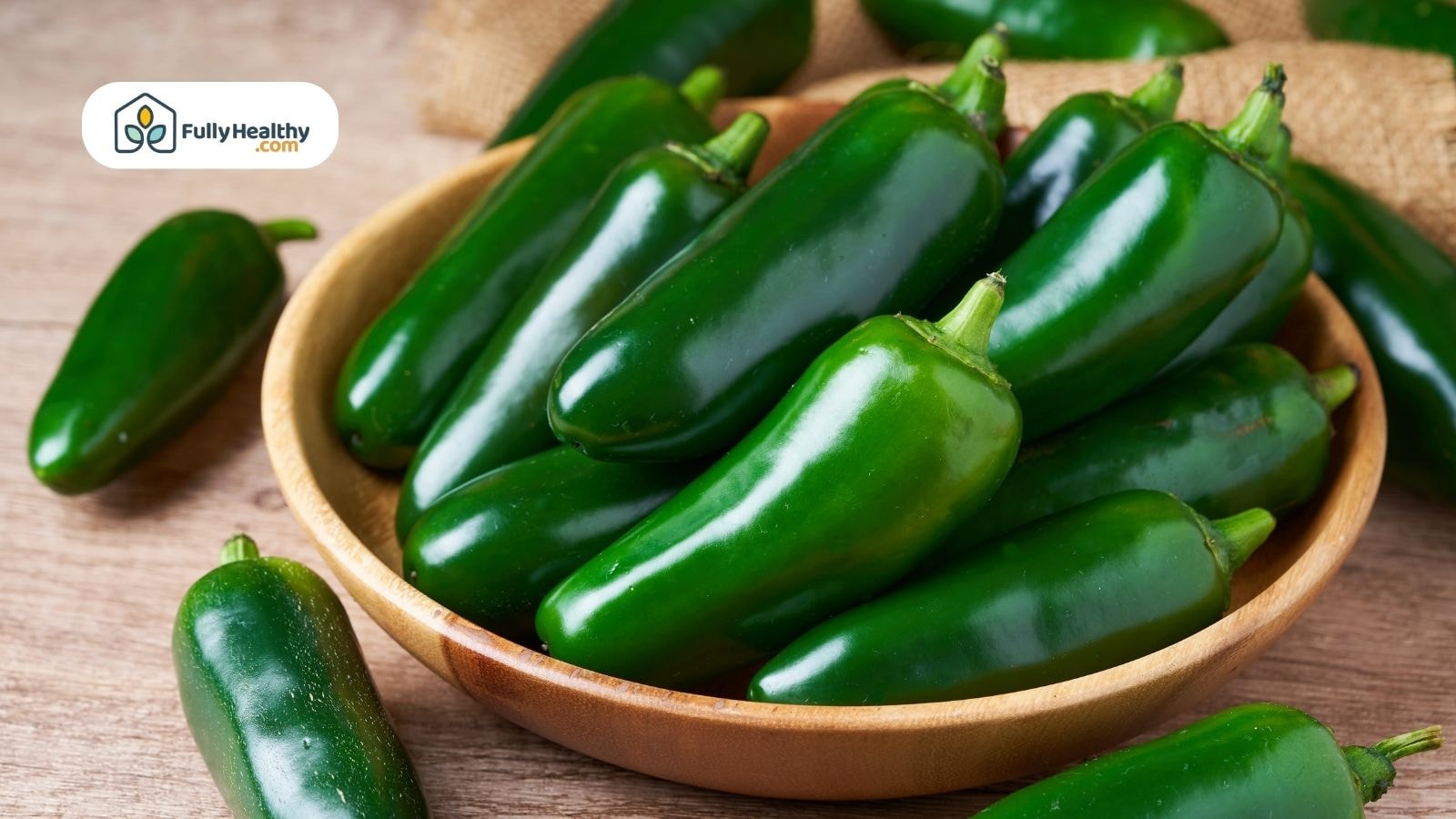 Photo Credit: Canva Pro
Fiber for Digestion and Regularity
Jalapeño peppers contain dietary fiber that helps maintain a healthy digestive system. Regular consumption helps with bowel movements and feeds good bacteria in the gut.
-
Digestive support: Fiber makes stools bulkier and helps them go away regularly.
-
Gut health: Encourages growth of good microbes in the digestive tract.
-
Nutritional comparison: Offers more fiber per calorie than many common vegetables.
-
Stomach balance: Promotes better absorption of nutrients and smoother digestion.
-
Constipation relief: Fiber prevents sluggish digestion and bloating.
-
Digestive comfort: Helps soothe minor digestive discomfort when consumed in moderation.
Capsaicin’s Impact on Digestion
Depending on the person and the dose, capsaicin may help or hurt digestion. It might be good for the stomach, but it can make sensitive stomachs worse.
-
Ulcer myth: Contrary to belief, eating chili peppers may protect against ulcers by reducing stomach acid.
-
Irritation risk: Can trigger stomach pain or cramping in sensitive individuals.
-
Enzyme stimulation: Caffeine raises the production of digestive enzymes, which helps break down nutrients better.
-
Gut reaction: Too much capsaicin may inflame the digestive tract lining.
-
Symptom tracking: Those prone to acid reflux or heartburn should monitor response.
-
Balanced use: Spicy jalapeños can benefit digestion when consumed responsibly.
Get to Know FullyHealthy
What We Stand For
The goal of FullyHealthy is to make healthy, clean foods available to everyone. Our products are built around transparency, quality ingredients, and wellness-focused sourcing.
-
Mission-driven: Focused on supporting a balanced diet with real food options.
-
Clean label: No artificial ingredients, fillers, or synthetic preservatives.
-
Community impact: Partners with local suppliers to support sustainable food systems.
-
Trustworthy sourcing: All peppers are verified for quality and freshness.
-
Nutrition-first: Prioritizes functional ingredients like chili peppers and spices.
-
Wellness support: Offers items that align with keto, paleo, and Whole30 lifestyles.
Our Jalapeño Product Line
Hot peppers flavor our best-selling Chomps Jalapeño Beef Stick, which also has clean protein. To make the food simpler to eat, it combines good nutrition with tasty ingredients.
-
Macros that matter: 10 grams of protein, low carb, and under 100 calories per stick.
-
Flavorful heat: Real jalapeño peppers give it extra heat without additives.
-
Spicy foods appeal: Perfect for those who love spicy jalapeños and crave clean snacking.
-
Diet-friendly: Ideal for keto, paleo, gluten-free, and Whole30 eaters.
-
Clean protein: Made from grass-fed, grass-finished beef with no antibiotics.
-
Snack versatility: Great with tortilla chips, stir fries, or paired with cream cheese.
Final Thoughts
In addition to adding heat to your food, eating jalapeños has many health benefits, such as helping your heart, keeping your weight in check, and boosting your immune system. These hot peppers, jalapeños, whole or cut up, contain nutrients, fiber, and antioxidants that may help improve digestion.
Although not as hot as cayenne peppers, jalapeño peppers are still very strong. Mindfully eating jalapeños is good for you. Enhance the taste and improve your health, your body may thank you.
FAQs
Are jalapenos a metabolism booster?
Capsaicin content in jalapeño peppers and cayenne peppers offers potential metabolism boosting effects for better weight management.
Are jalapenos good for you with blood clots or spicy foods?
Eating jalapenos and other spicy peppers may reduce risk of blood clots while adding heat from spicy foods to your balanced diet.
Can you eat sliced jalapeños daily for jalapeño benefits?
Eating sliced jalapeños daily supports digestion, immune system, and delivers jalapeño benefits with less heat than other hot peppers.
What’s healthier between jalapeno peppers and cayenne peppers?
Both jalapeno peppers and cayenne peppers provide essential vitamins, capsaicin benefits, and may support heart health and pain relief.
How do hot peppers like jalapeños affect your body?
Hot peppers such as jalapeños may improve blood circulation, support digestion, and trigger capsaicin benefits like increased metabolism and pain relief.
Leave a comment