

Are Mushrooms Vegetables? Learn How They Fit in Your Diet
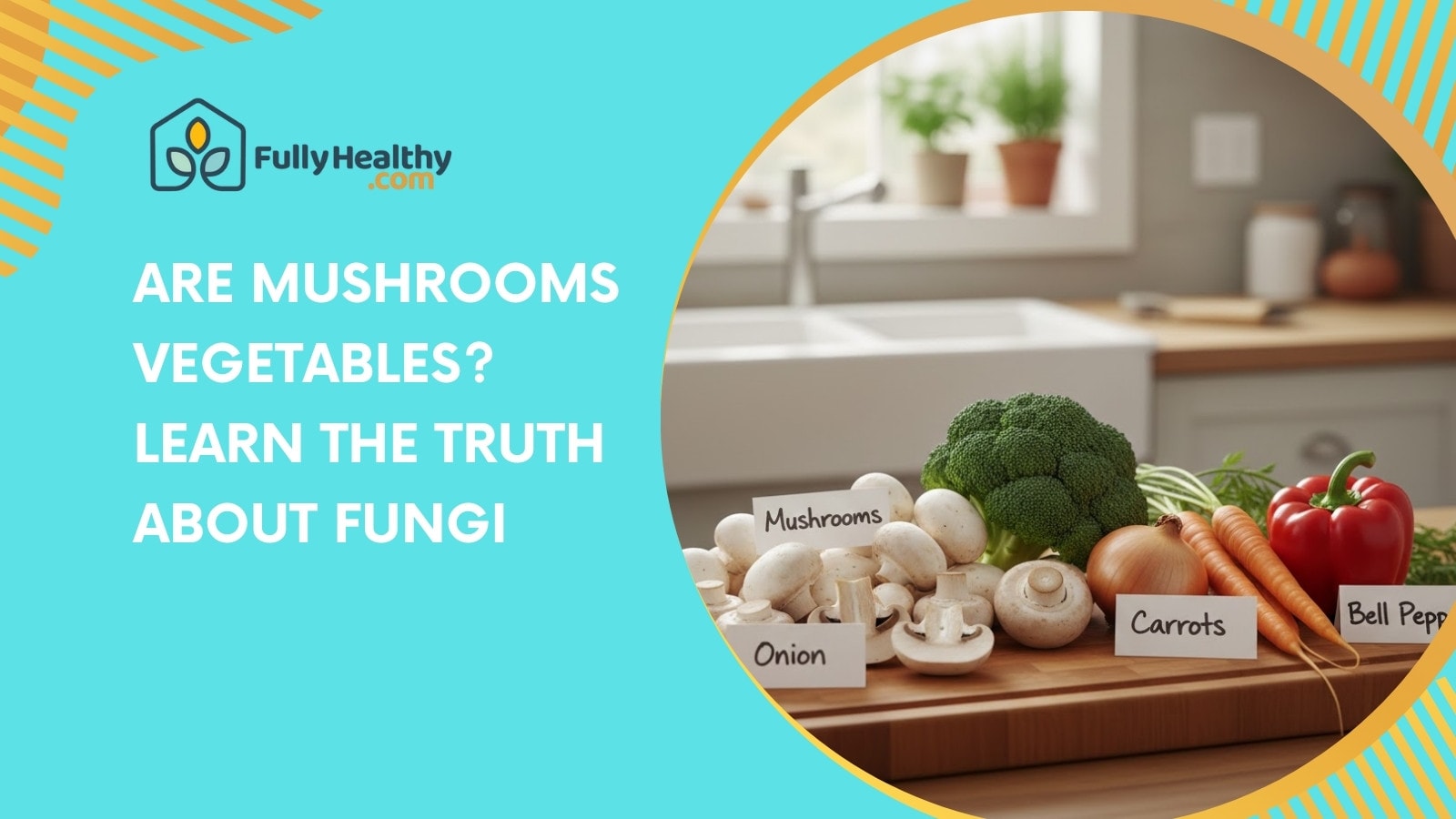
Are mushrooms vegetables? Actually, they're not plants; they're fungi. The USDA and chefs, on the other hand, consider mushrooms to be vegetables because of how they are used and what they provide nutritionally.
They have an earthy flavor, are rich in nutrients, and are low in calories. We'll talk about the pros and cons of mushrooms for your health, as well as where you can find mushroom-rich meals that fit your lifestyle. Now let's get started.
Featured Pantry Pick
Wild Zora // Instant Soup Mushroom Beef with Mushrooms Pumpkin Turmeric - 0.5 oz
Loading...
Are Mushrooms Vegetables?
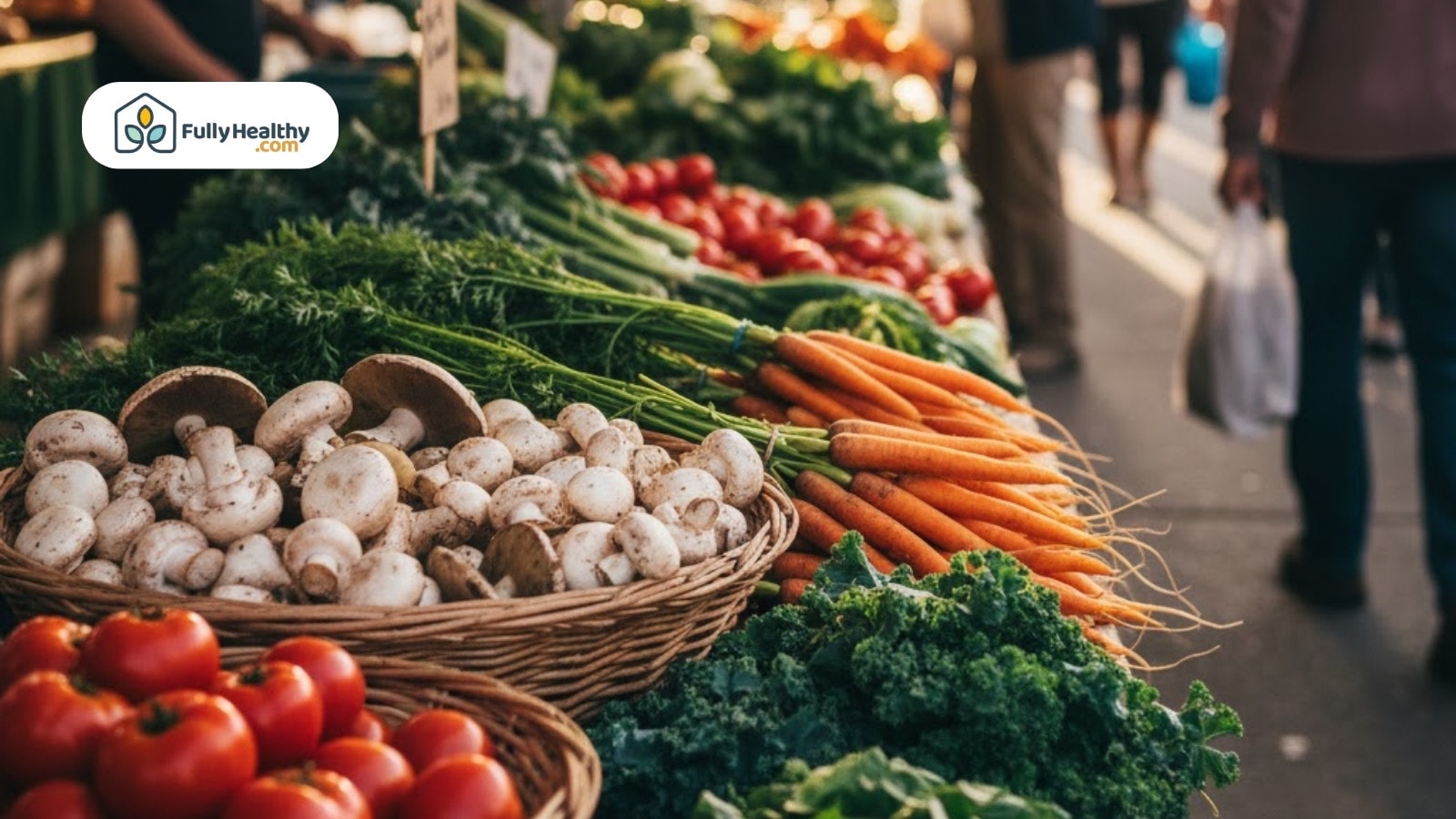
For many, mushrooms are still a mystery: are they vegetables? Actually, they're not. Mushrooms belong to their own kingdom called fungi, they are neither a plant nor an animal. Because of their taste, texture, and health benefits, they are often grouped with vegetables in cooking and nutrition.
What Are Mushrooms Classified As?
Mushrooms don't grow like plants do. They don't have leaves, flowers, roots, or sunlight to make food. Instead, mushrooms grow by breaking down organic matter. This makes them a type of fungus, not a true edible plant.
-
Different Kingdom: Mushrooms belong to the fungi kingdom, not the plant or animal kingdom.
-
Not All Mushrooms Are Edible: Some wild mushrooms can be toxic or deadly if eaten.
-
Unique Health Compounds: Mushrooms contain mushroom polysaccharides, which may support immune health.
-
Special Growing Needs: Mushroom cultivation is done in dark, moist places, very different from farming other vegetables.
Why They’re Treated Like Vegetables
Even though mushrooms aren’t plants, they’re still called culinary vegetables. This is because they’re used like vegetables in recipes and offer similar nutrition.
-
Used in Cooking Like Veggies: Mushrooms are often chopped, sautéed, or added to savory dishes like pasta sauces and soups.
-
Packed With Nutrients: Mushrooms provide vitamins, minerals, and dietary fiber, with very few calories.
-
Versatile Form: You’ll find them sold as fresh mushrooms, raw mushrooms, or dried mushrooms.
-
Popular in Many Diets: Their umami flavor makes them a great meat substitute in plant-based meals.
Are Mushrooms Healthy?
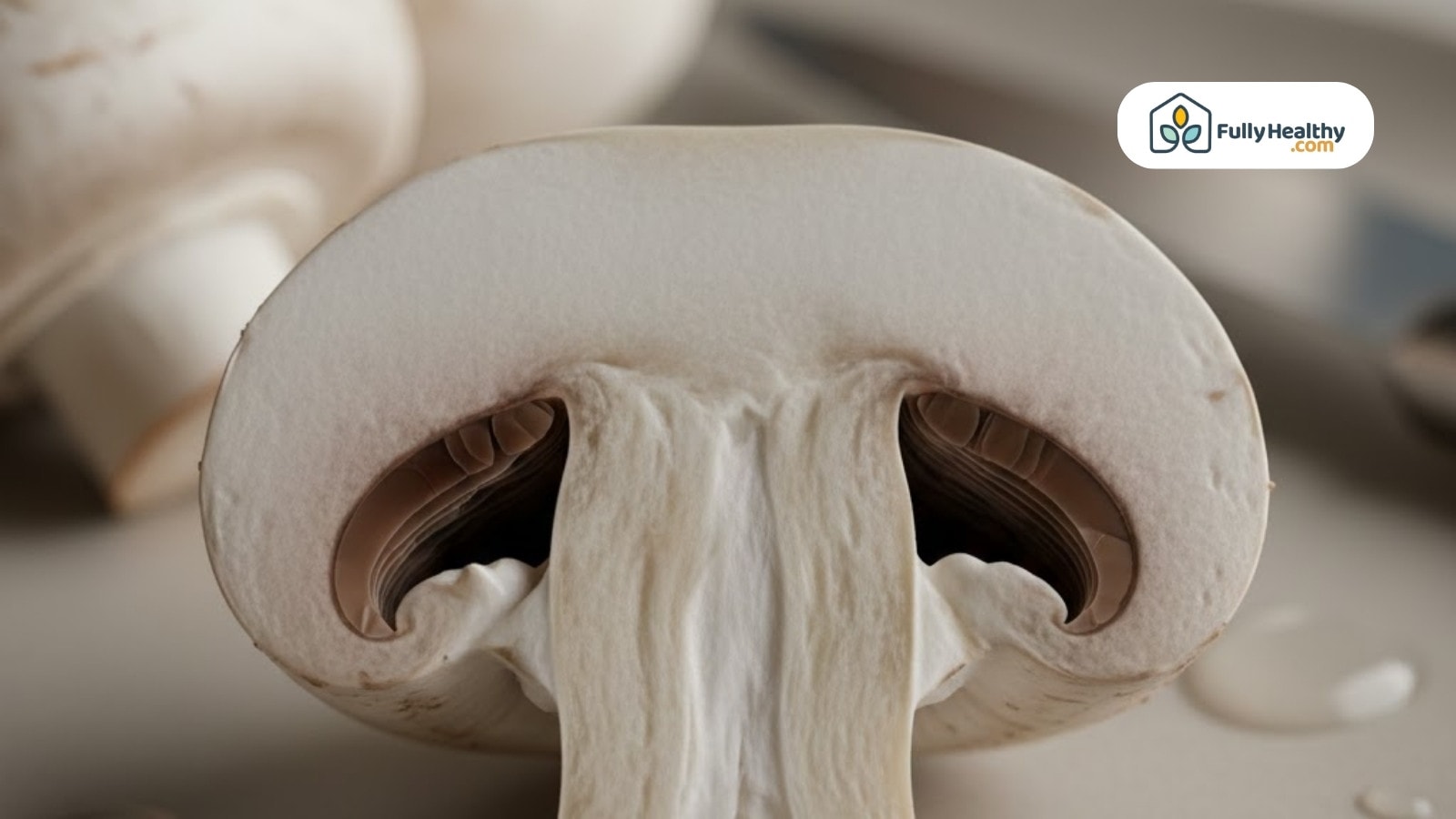
Yes, mushrooms that you eat are very good for you. They are low in calories and high in nutrients. They also have chemicals in them that may help your body fight stress, inflammation, and illness. Because they are so good for your health, some types are even called medicinal mushrooms.
Key Nutrients and Health Benefits of Mushrooms
It doesn't matter if you eat mushrooms raw or cooked; they are a good source of these nutrients. One great thing about them is that when they get light, they make vitamin D, which you don't normally find in food.
-
Supports Bone Health: Mushrooms help fight vitamin D deficiency, especially when grown under light to boost their vitamin D content.
-
Strengthens Immunity: Mushroom polysaccharides support your body’s immune defense system.
-
Good for Gut Health: High dietary fiber content supports digestion and regularity.
-
Antioxidant Power: Helps protect your cells from damage caused by stress or aging.
How Mushrooms May Promote Longevity and Cognition
Some mushrooms, especially medicinal mushrooms, might help your brain and memory work better. Studies have shown that mushroom consumption regularly may lower the risk of getting diseases that come with getting older.
-
Brain Support: Certain mushrooms may help protect against memory loss and cognitive decline.
-
Anti-Aging Properties: Antioxidants in mushrooms help reduce cell damage and signs of aging.
-
Sunlight-Like Benefits: UV-exposed mushrooms can raise your vitamin D content, helping during low-sunlight seasons.
-
Holistic Health Support: Their unique compounds offer full-body wellness benefits.
Are Mushrooms a Carb or Protein?

Mushrooms don't really belong in either the carb or protein groups. They have some of both, but mostly they are made up of water and fiber. Their real value comes from the nutrients they contain and how they help you eat healthy, not how many macronutrients they have.
Understanding the Macronutrient Profile of Mushrooms
This amount of fresh mushrooms has about 1-2 grams of protein and 3-4 grams of carbs. They are low in calories and good for healthy diets because of this.
-
Low in Calories: Great choice for weight control and clean eating.
-
Mild Protein Source: They contain some protein, but not enough to rely on for muscle building.
-
High in Fiber: Their fiber helps keep your digestion running smoothly.
-
Versatile Cooking Ingredient: Use them as chopped mushrooms, sautéed mushrooms, or rehydrated dried mushrooms.
Why Mushrooms Work in Low-Carb and Plant-Based Diets
For many meal plans, mushrooms are perfect. Because of how they feel and taste, they can be used instead of meat. They are often used with other vegetables in a lot of tasty meals.
-
Fits Vegan and Keto Diets: Mushrooms are low-carb, plant-based, and full of flavor.
-
Enhances Meals Naturally: Add to stir-fries, grain bowls, or soups for extra depth.
-
Widely Available: Found in stores fresh, canned, or grown on mushroom farms.
-
Goes With Anything: Mix well with tofu, rice, or bell peppers in quick meals.
Are There Any Negative Effects of Eating Mushrooms?
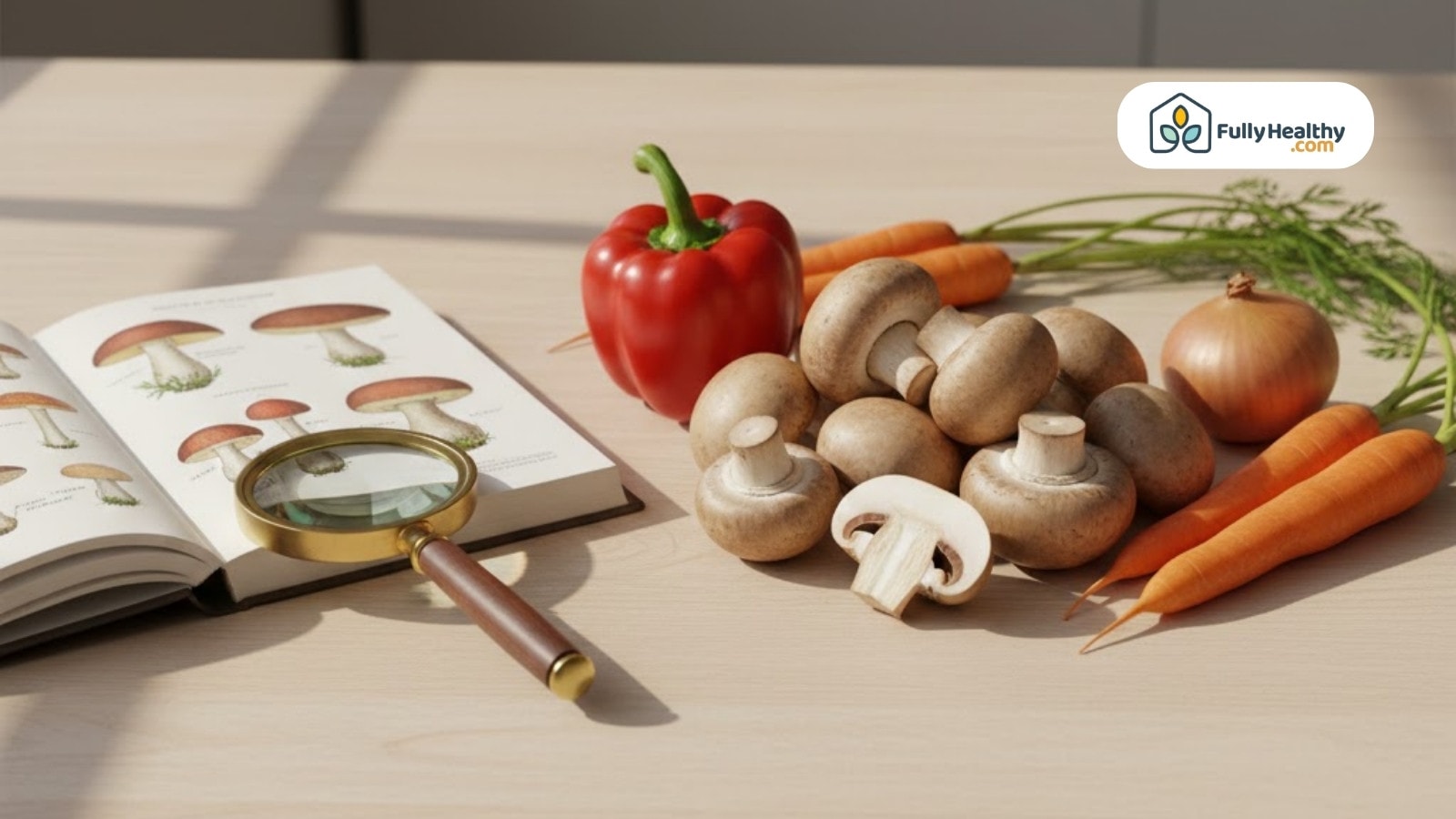
Mushrooms are very healthy, but some people might not like them. Some people might not like some kinds, especially if they are eaten raw or in large amounts. As with any food, it's best to eat mushrooms in small amounts and only from reputable sources.
Common Side Effects of Edible Mushrooms
Most people can eat mushrooms without any problems, but some people may have mild side effects. This is often because of how the mushrooms are prepared or because each person is sensitive.
-
Digestive issues: Some people may feel bloated or gassy after eating large portions of button mushrooms or raw mushrooms.
-
Allergic reactions: Though rare, a few individuals may have mild to serious allergic reactions to mushrooms.
-
Limited nutrient absorption: Eating mushrooms raw may reduce their nutrient content and make them harder to digest.
-
No saturated fat: Mushrooms are free of saturated fat, making them a heart-friendly choice.
Dangers of Wild Mushrooms and Misidentification
You shouldn't eat all mushrooms. Some wild mushrooms are poisonous even though they look like safe ones. Why should anyone but trained professionals look for mushrooms?
-
Toxic varieties: Many wild mushrooms contain harmful substances that can damage the liver or kidneys.
-
Not all mushrooms are edible: Only some fruiting bodies are safe for food use.
-
Unlike plants: Mushrooms don’t follow plant biology, they have unique cellular organization.
-
Limited human research: While animal studies exist, few clinical trials confirm safety for all types.
What Can FullyHealthy Do for You?
Now you can enjoy the health benefits of mushrooms with confidence thanks to FullyHealthy. They make sure that their products are healthy, contain high nutritional value, and follow most dietary guidelines.
Mushroom-Based Products Available at FullyHealthy
FullyHealthy sells ready-made meals and broths made with well-known kinds of mushrooms. These foods are safe, simple to make, and full of essential nutrients.
-
Wild Zora Instant Soup: A flavorful mix of beef and mushrooms, great for a quick, healthy meal.
-
Kettle & Fire Bone Broth: Made with mushrooms and slow-cooked vegetables, enhanced with UV light for natural vitamin D.
-
Quick Quinoa Meal: Combines quinoa, beef, and mushrooms in a tasty, filling bowl.
Why FullyHealthy Stands Out in the Culinary Category
FullyHealthy makes it easier for people to eat more vegetables and mushrooms by selling trusted products that are easy to use. With ingredients that are backed by science, they make it easier to support health.
-
Backed by research: Their products reflect data from nutrition today and use studied mushrooms.
-
Great for all diets: Options are suitable whether you eat mostly plants or include animal food.
-
Supports immune function: Some mushroom ingredients may help with daily wellness.
-
Easy for busy lives: No prep needed—just heat and enjoy.
Final Thoughts
Mushrooms are a fascinating food group. While mushrooms are fungi and don’t meet the botanical definition of a vegetable, they’re often considered vegetables in cooking and nutrition. With their unique composition, rich nutrient profile, and versatility in meals like soups or with tomatoes, they bring real value to the human diet.
Whether you’re growing mushrooms at home or picking up Agaricus bisporus from the store, it’s easy to add mushrooms to your daily meals. From pantothenic acid to beta glucans, and even protective effects being studied for anticancer effects, mushrooms deserve a higher intake across all diets. Thanks to UV exposure, they can also help you meet your daily value for vitamin D-plus, they’ve got that satisfying mouthfeel in every bite.
FAQs
Are mushrooms considered vegetables even though mushrooms are fungi?
Although mushrooms are fungi and not botanically classified as vegetables, they are treated as vegetables in culinary contexts due to their flavor and usage.
What makes agaricus bisporus popular for daily value nutrition?
Agaricus bisporus is rich in pantothenic acid, offers a balanced nutrient profile, and is easy to add mushrooms to meals.
How does uv exposure impact growing mushrooms?
UV exposure boosts the vitamin D in growing mushrooms, improving their daily value for this key nutrient.
Do mushrooms offer anticancer effects or protective effects?
Some studies show beta glucans in mushrooms may have anticancer effects and protective effects, especially with higher intake.
Why do mushrooms have a better mouth feel than tomatoes?
The unique composition of mushrooms gives them a firmer mouth feel than watery vegetables like tomatoes.
Leave a comment