
Are Olives a Fruit or Vegetable? Understanding Their Place in Your Diet

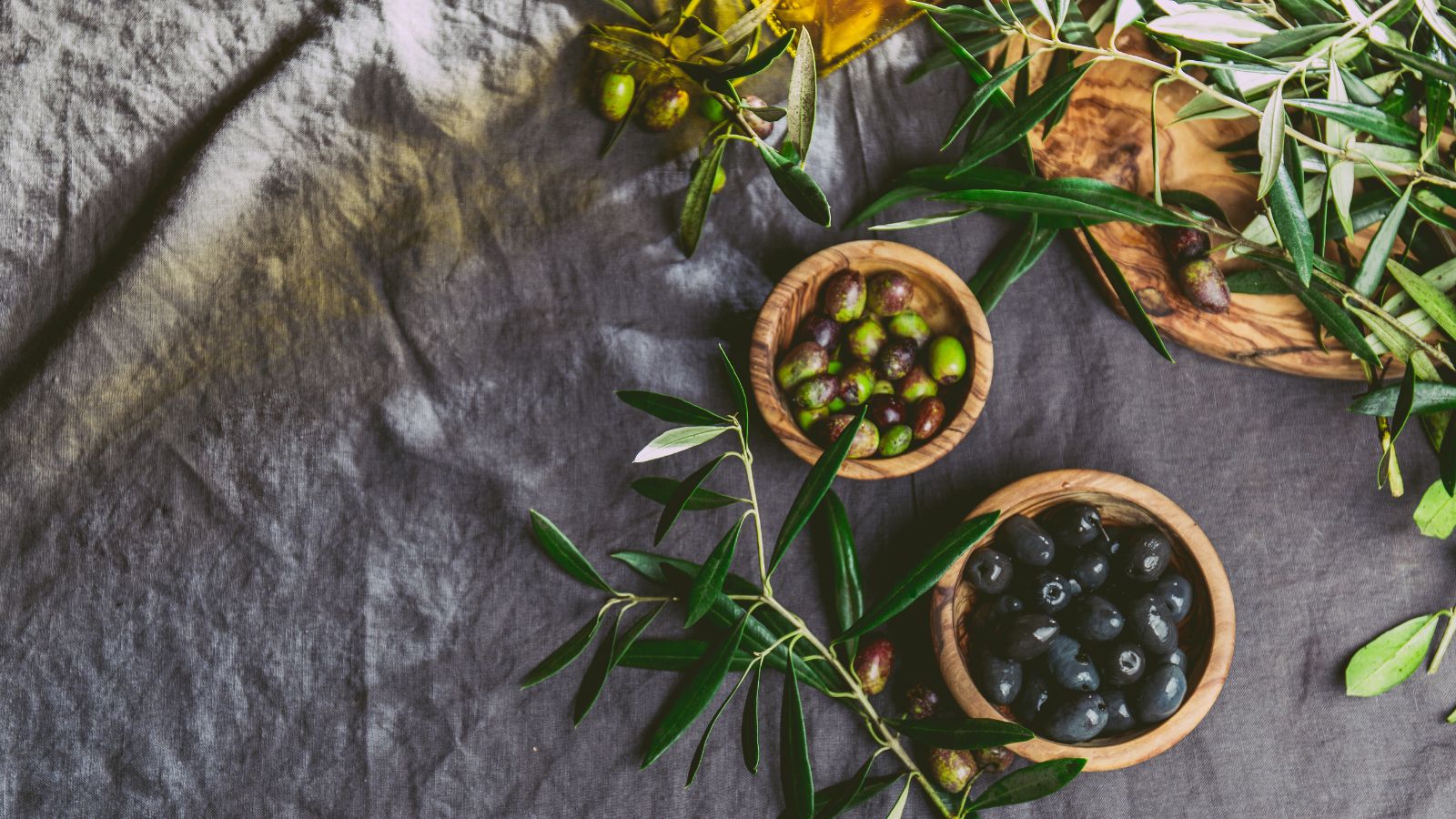
Wondering, are olives a fruit? Despite their savory taste, olives are technically fruits, not vegetables. They grow from the olive tree, Olea europaea, and belong to a group called drupes, like peaches and plums.
This article will uncover the truth about olives, their health benefits, and how they fit into your diet, either whole or in olive oil. Let's get right to the facts!
🥗 Real Ingredients, Real Flavor – Click Here to Try This Greek-Inspired Quinoa Bowl!
Are Olives Fruits or Vegetables?

Technically, Olives Are Fruits
Even though olives don't look like the sweet fruits we're used to, they are actually fruits. As with many other fruits, like mangoes, cherries, and peaches, they come from the flower of the olive tree. This makes them a type of drupe.
-
Olives grow from the flower of the olive tree: This makes them technically fruits, like mangoes, cherries, and peaches.
-
Olives belong to a category of fruit called drupes: Drupes, also known as stone fruits, include peaches, plums, and cherries, which have a soft flesh surrounding a single seed.
-
Olives are similar to other drupes: Like mangoes and peaches, olives develop from the mature ovary of a flower and contain a hard seed inside.
-
The olive fruit is edible: Although the olive fruit is often bitter and must go through a curing process to become palatable.
Why Olives Are Often Mistaken for Vegetables
Even though olives are actually fruits, they are often thought of as vegetables because they are used in cooking. They are more often found in savory dishes than sweet ones, which makes things even more confusing.
-
Olives are used in savory dishes: They are commonly added to Mediterranean meals, making them seem like a vegetable rather than a fruit.
-
Olives taste more like vegetables: Their savory, often bitter flavor is a stark contrast to the sweetness commonly associated with fruits like mangoes or plums.
-
Commonly eaten in salads and pizzas: In these dishes, olives take the role typically played by vegetables.
-
Other examples of fruits mistaken for vegetables: Tomatoes, cucumbers, and eggplant are also fruits but used as vegetables in cooking.
Are Canned Olives Healthy?

Nutritional Value of Canned Olives
Canned olives are a quick and healthy way to eat, but their health benefits can change depending on their preparation and consumption. Because they contain many important nutrients, they are a good addition to a healthy diet.
-
Canned olives are low in calories: A quarter-cup serving contains about 39 calories, which is low for a snack.
-
Olives contain healthy unsaturated fats: These fats help to reduce bad cholesterol levels and improve heart health.
-
Rich in fiber: A serving of canned olives contains fiber that aids digestion.
-
Olives are a good source of vitamins and minerals: Green olives are high in vitamin E and antioxidants, supporting overall health.
Drawbacks: Sodium Content in Canned Olives
Although canned olives are good for you in some ways, they can also be bad for you, especially when it comes to the sodium content. The brining process, which preserves olives, can significantly increase their salt content.
-
Canned olives are packed in brine: This means they contain high levels of sodium, which can lead to increased blood pressure.
-
Excessive sodium intake is unhealthy: High sodium consumption is linked to heart disease, kidney disease, and high blood pressure.
-
Moderation is key: While olives can be healthy, it’s important to consume them in moderation, especially if you’re watching your sodium intake.
-
Balance your sodium intake: Eat foods rich in potassium, like leafy greens, to counteract the effects of sodium.
Are Olives Good for Your Liver?

The Liver-Protecting Benefits of Olives
Olives are very good for your liver, especially when you eat them with olive oil. Olives have antioxidants like vitamin E and oleocanthal that help reduce swelling and help the liver heal.
-
Vitamin E in olives supports liver health: Vitamin E is an antioxidant that helps reduce inflammation and protect liver cells.
-
Oleocanthal in olives protects the liver: This compound helps fight liver damage and inflammation.
-
Antioxidants in olives: They combat oxidative stress, which is harmful to the liver and other organs.
-
Studies support olive oil’s role in liver protection: Consuming olive oil, especially extra virgin, has been shown to improve liver health.
Olive Oil and Its Impact on Liver Health
Olive oil is an important part of Mediterranean diets because it does more than just taste good, it also helps the liver in many ways. It is especially good for liver health because it has a lot of oleic acid and antioxidants.
-
Extra virgin olive oil promotes good cholesterol: This type of olive oil helps improve liver function and protects against fatty liver disease.
-
Olive oil reduces fat accumulation in the liver: It prevents the buildup of harmful fats, improving overall liver function.
-
The Mediterranean diet and liver health: Rich in olive oil, this diet is known to support liver function and reduce the risk of liver diseases.
-
Include olive oil in your daily diet: Drizzling it on salads or using it for cooking can improve liver health and provide anti-inflammatory benefits.
Are Green or Black Olives Healthier?

Nutritional Differences Between Green and Black Olives
Not only do green and black olives taste different, but they also have different amounts of nutrients. Both are full of good fats, antioxidants, and other nutrients, but each offer unique benefits.
-
Green olives are lower in calories: Green olives have fewer calories compared to black olives, making them a better option for those managing their weight.
-
Green olives have more fiber: They provide more fiber per serving, which helps with digestion and promotes gut health.
-
Black olives have more antioxidants: Black olives contain anthocyanins, antioxidants that can reduce inflammation and promote heart health.
-
Green and black olives offer different nutritional benefits: Both types have healthy fats and essential nutrients, but black olives are richer in antioxidants.
Which Olive Is Better for a Healthy Diet?
Green and black olives are both good for you, but which one is best for you depends on your health goals. Green olives have fewer calories than black olives, but black olives have more antioxidants.
Health Benefits of Green Olives:
-
Green olives are good for weight management: With fewer calories and more fiber, they can help you feel full longer.
-
High in antioxidants: They provide antioxidants like vitamin E, which help protect against oxidative stress.
-
Digestive health: The extra fiber in green olives supports a healthy digestive system.
Health Benefits of Black Olives:
-
Richer in antioxidants: Black olives, especially those that are fully ripe, contain anthocyanins, which help with reducing inflammation and protecting the heart.
-
Support heart health: The antioxidants and healthy fats in black olives contribute to better cardiovascular health.
-
Good for liver health: Their antioxidants, combined with healthy fats, help protect the liver from damage.
About FullyHealthy - Your Source for Premium Olives
FullyHealthy’s Commitment to Quality
FullyHealthy is committed to selling only high-quality and olive-based products. By focusing on organic and sustainably sourced olives, we ensure that our products are both nutritious and delicious.
-
FullyHealthy offers Organic Kalamata Olives: These olives are sourced from orchards that follow sustainable farming practices.
-
FullyHealthy provides Mediterranean-inspired meals: Including ready-to-eat meals with olives, offering convenience without compromising nutrition.
-
High-quality olives: The olives are carefully selected for their nutritional value, ensuring that they are rich in healthy fats, fiber, and antioxidants.
-
Quality control measures: FullyHealthy ensures that each product meets high standards for quality and taste.
How FullyHealthy’s Olive-Based Products Can Enhance Your Diet
When you live a healthy life, FullyHealthy's products make it easy to get the health benefits of olives. With their ready-to-eat meals and convenient olive options, you can easily add olives to your daily life.
-
Ready-to-eat meals with olives: Products like the Wild Zora Quick Quinoa Meal with Green Olives make it easier to enjoy olives as part of a balanced diet.
-
Packed with nutrients: These meals provide a convenient way to enjoy the health benefits of olives, including their vitamin E and healthy fats.
-
Fits well into the Mediterranean diet: FullyHealthy’s products align with the heart-healthy Mediterranean diet, known for its positive impact on overall health.
-
Easy to incorporate olives into your diet: Pre-packaged olives and olive-based meals make it easy to add more olives to your daily routine.
Final Thoughts
Even though olives are fruits, they are very important to Mediterranean culture and are a big part of their diets. Green or black olives are both good for you because they have healthy fats, antioxidants, and many nutrients that are good for your heart and liver. Because they can be used in so many ways when cooking and making olive oil, they are essential to food.
When you eat a snack or make a meal, remember that whole olives and olive oil are doing more than just adding flavor, they’re supporting your health!
FAQs
Are Olives a Fruit or Vegetable?
Olives are technically fruits, as they grow from the mature ovary of the olive tree flower, not from the root, leaves, or stem like vegetables.
What is the Olive Tree’s Role in Olive Oil Production?
The olive tree (Olea europaea) produces olives, which are harvested to produce olive oil, the liquid gold loved worldwide.
Are Fresh Olives Edible Right from the Tree?
Fresh olives are not eaten directly from the tree due to their bitter phenolic compound, which requires curing or processing to make them palatable.
How Are Table Olives Made?
Table olives undergo a curing process, which removes bitterness and turns them into the tasty, edible olives enjoyed in Mediterranean dishes in vast majority.
Why Do Olives Use Artificial Ripening?
Olives sometimes undergo artificial ripening, which speeds up their process to produce ripe fruit for olive oil or table olives, although it may affect their flavor.
Leave a comment