

Are Peanuts Keto? Smarter Snacking Without the Guesswork
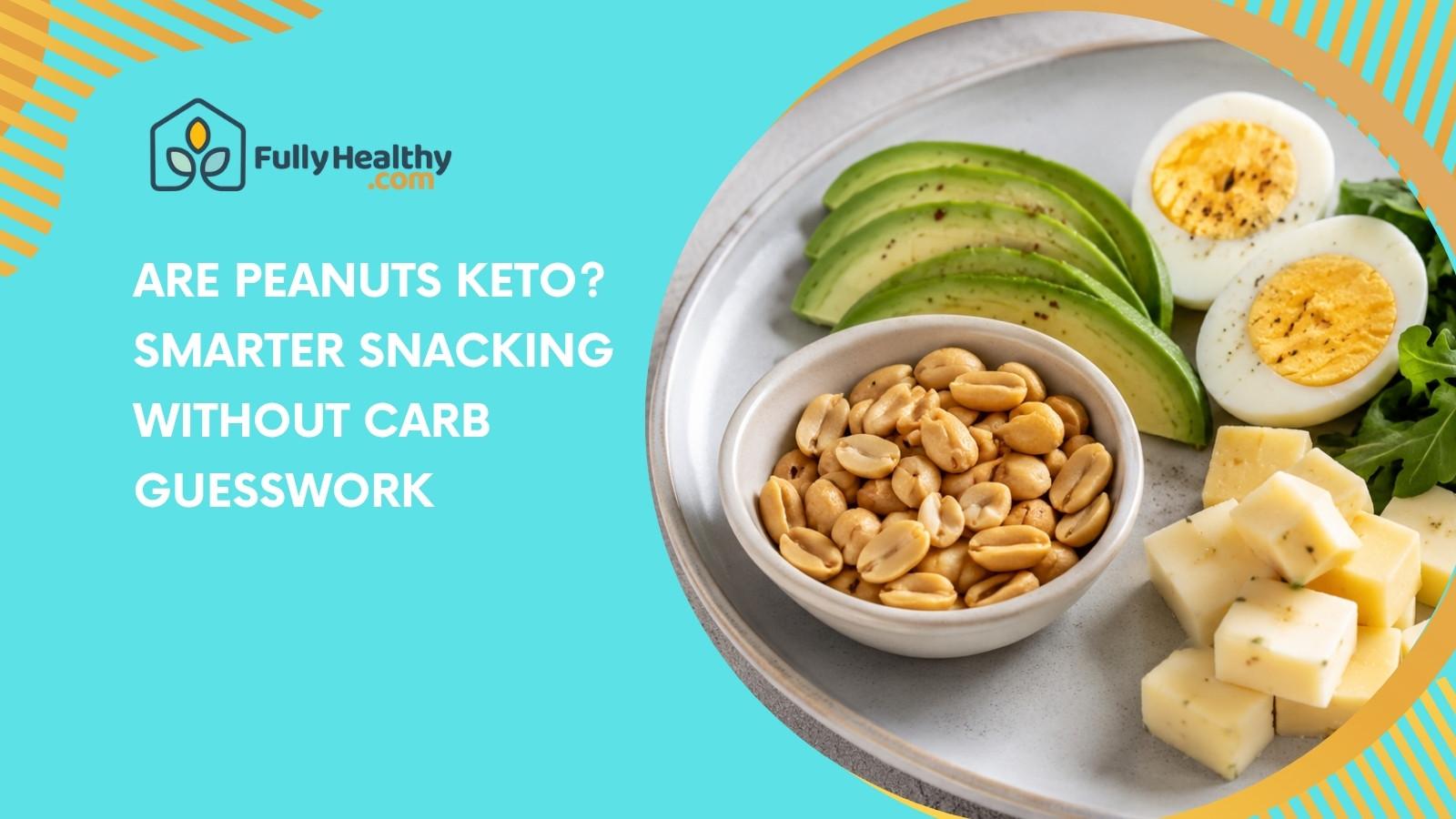
Are peanuts keto? Yes, they can fit a keto diet when portions are controlled. One ounce has about 4 grams of net carbs, so they are higher in carbs than pecans, macadamias, or walnuts. Plain peanuts and natural peanut butter are better choices than sweetened versions.
Your total daily carb intake still matters, because eating too much can stop ketosis. This guide explains serving sizes, better nut options, common ketosis mistakes, and how to shop more carefully with confidence today.
Are Peanuts Keto?
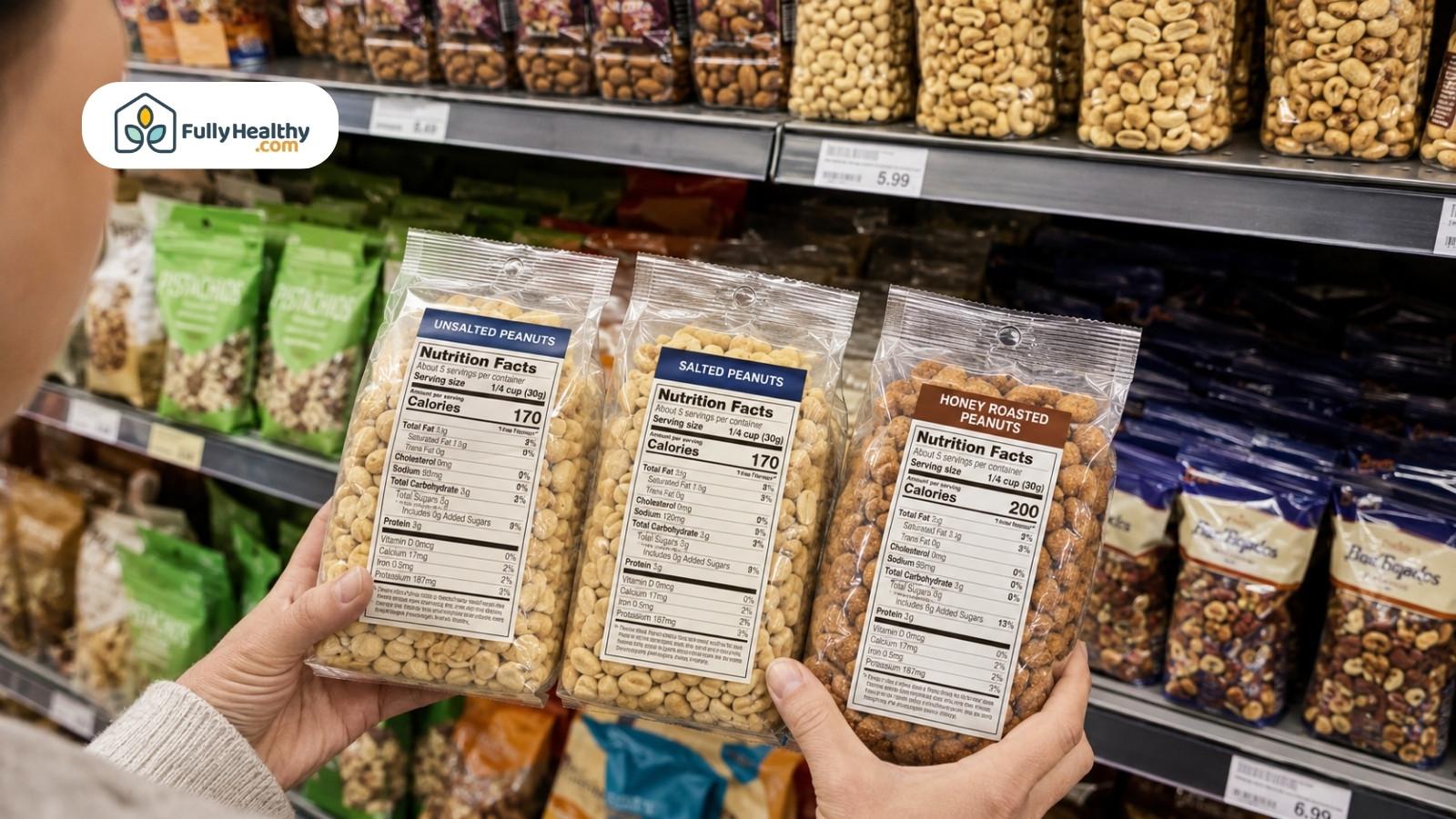
Peanuts can fit into a ketogenic diet when eaten in moderation, so the answer to are peanuts keto is generally yes. Although peanuts are technically legumes rather than a tree nut, they contain healthy fats, plant based protein, and dietary fiber that make them a practical option for many keto dieters.
The most important factor is portion control because peanuts contain more net carbs than some keto friendly nuts, such as macadamia nuts and brazil nuts.
Are Peanuts Keto? Here's the Short Answer
Peanuts can be part of a low carb diet as long as you include them within your daily carbohydrate limit. They provide a satisfying snack that combines healthy fats and protein, making it easier to stay on track with a keto meal plan. While not all nuts have the same carb content, peanuts can still fit into a keto friendly diet when enjoyed in sensible portions.
-
Net carbs: One ounce of peanuts contains about 4 grams of net carbs, making them suitable for a ketogenic diet when eaten in moderation.
-
Healthy fats: Peanuts are rich in monounsaturated fats, which may support heart health and help you feel full for longer.
-
Plant based protein: The protein in peanuts supports protein synthesis, making them a filling choice between meals.
-
Vitamin E: Peanuts provide vitamin E, an antioxidant that helps protect your body's cells from everyday damage.
Why Are Peanuts Different From Tree Nuts?
Peanuts are different because they grow underground and belong to the legume family, while every tree nut grows on trees. Even though they are classified differently, peanuts offer many of the same nutritional benefits as other low carb nuts. They can still be included in a keto friendly eating pattern when portions are controlled.
-
Botanical difference: Peanuts are legumes, while almonds, walnuts, and macadamia nuts are considered tree nuts.
-
Carbohydrate content: Peanuts contain slightly more net carbs than brazil nuts and some other nuts, so portion size is especially important.
-
Practical choice: Their affordable price and wide availability make peanuts an easy option for many keto dieters.
-
Health benefits: Replacing sugary snacks with peanuts may support a healthy weight loss plan while providing lasting energy.
What Nuts Can I Eat On Keto?
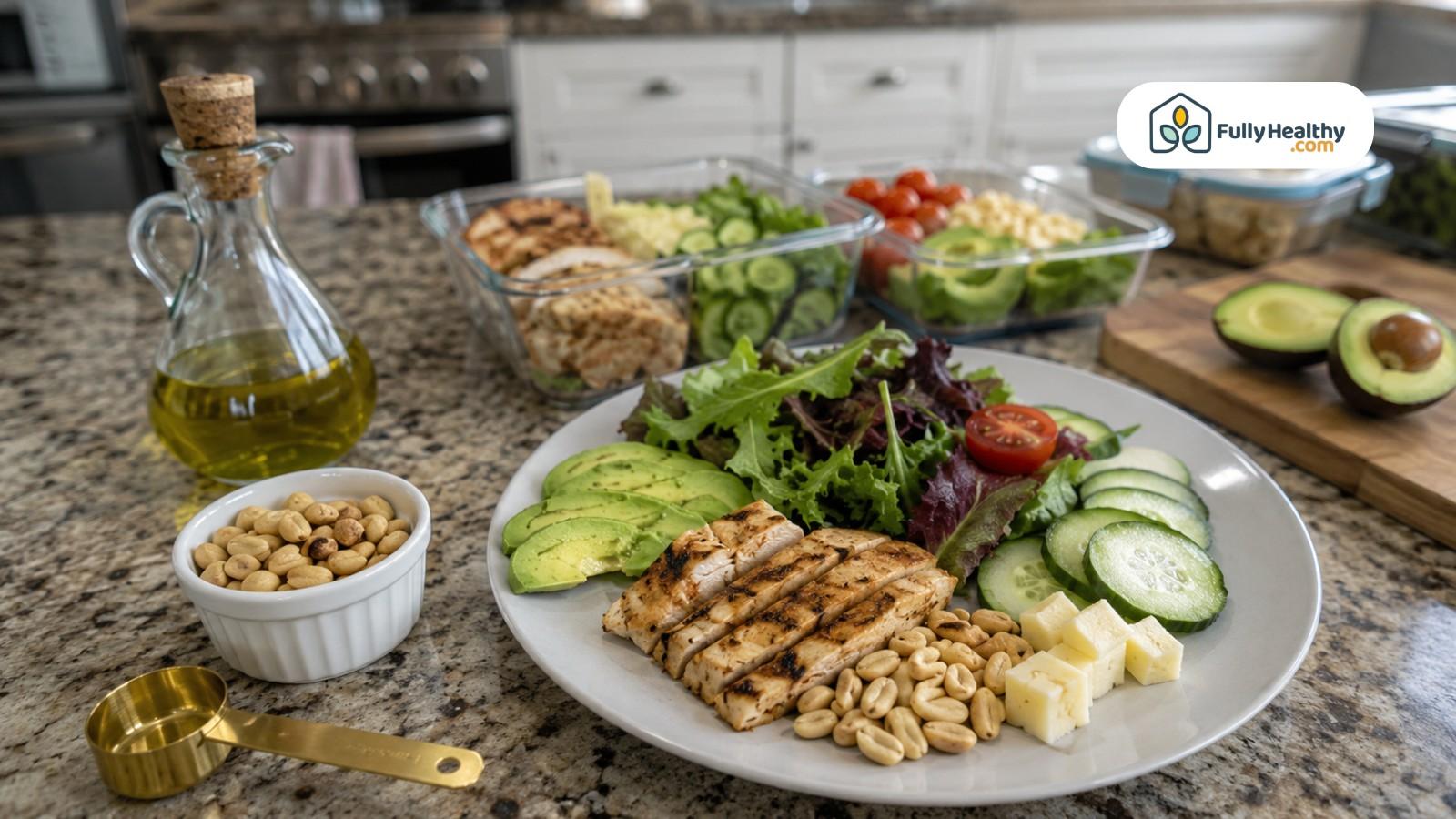
Many keto friendly nuts fit well into a ketogenic diet because they are naturally high fat and low carb. Choosing different varieties allows you to enjoy a wider range of nutrients while keeping your meals interesting. The best keto nuts also provide vitamins, minerals, healthy fats, and protein to support your overall health.
Which Nuts Have The Lowest Net Carbs for Keto Diet?
Some keto nuts contain fewer digestible carbohydrates than others, making them excellent choices for a low carb diet. Including a variety of nuts and seeds also helps you enjoy more nutrients without depending on just one food.
-
Lowest-carb options: Macadamia nuts, brazil nuts, hemp seeds, and pine nuts are among the lowest carb choices for keto dieters.
-
Nutritious seeds: Chia seeds, sunflower seeds, and sesame seeds provide healthy fats, dietary fiber, and valuable nutrients.
-
Versatile ingredients: Almond flour and almond butter are excellent low carb alternatives for baking and cooking.
-
Keto beverages: Unsweetened almond milk is a convenient option that works well in smoothies, coffee, and recipes.
Should You Choose Peanuts Or Other Keto Friendly Nuts?
The best choice depends on your personal goals, taste preferences, and budget. Peanuts are affordable, filling, and widely available, while other nuts may contain fewer carbs. Rotating different keto friendly nuts can help you enjoy a better variety of nutrients throughout the week.
-
For the lowest carbs: Macadamia nuts are often considered one of the best keto nuts because they are high fat and very low in carbohydrates.
-
For more variety: Hemp seeds from the Cannabis sativa plant, along with other nuts and seeds, add different nutrients to your meals.
-
For everyday snacking: Peanuts remain a convenient keto friendly snack that is easy to enjoy at home or on the go.
-
For balanced nutrition: Combining several low carb nuts helps increase nutrient intake while adding different textures and flavors.
Will One Cheat Day Ruin Ketosis?
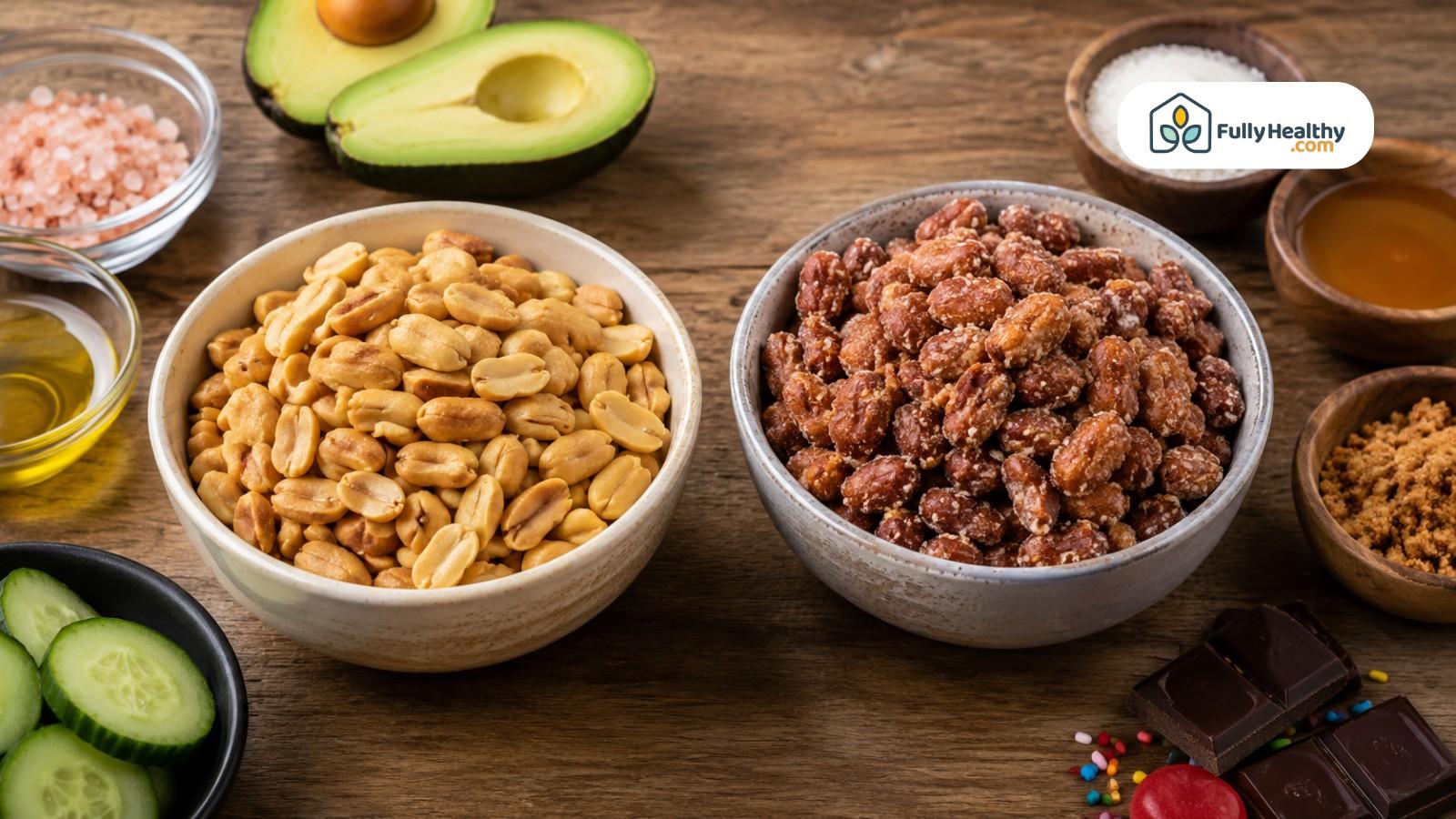
One high-carb day can temporarily interrupt ketosis, but it does not erase all the progress you have made. Returning to your ketogenic diet as soon as possible is usually more beneficial than worrying about one setback. Long-term consistency is much more important for weight loss than trying to be perfect every single day.
Can One Cheat Meal Really Kick You Out Of Ketosis?
Eating a large amount of carbohydrates in one meal can temporarily stop your body from producing ketones. Whether this happens depends on your personal carb limit and how closely you follow your keto meal plan.
-
Higher carbohydrate intake: Eating sugary foods or refined carbohydrates can quickly refill your body's glycogen stores and interrupt ketosis.
-
Temporary setback: Most people can return to ketosis by resuming a low carb eating pattern without giving up on their goals.
-
Healthy mindset: One cheat meal does not mean failure, so focus on getting back to your routine instead of continuing to overeat.
How Long Does It Take To Get Back Into Ketosis?
The time needed to return to ketosis varies from person to person. Factors such as carbohydrate intake, physical activity, and metabolism all play a role. Staying consistent with your keto friendly diet is usually the most effective way to recover while avoiding unnecessary weight gain.
-
Recovery time: Many keto dieters return to ketosis within several days after resuming a low carb diet.
-
Helpful habits: Drinking enough water, following your keto meal plan, and limiting carbohydrates can support the transition back into ketosis.
-
Long-term success: Building consistent habits is more effective for weight loss, heart health, and healthy blood pressure than looking for quick fixes.
What Knocks You Out of Ketosis?
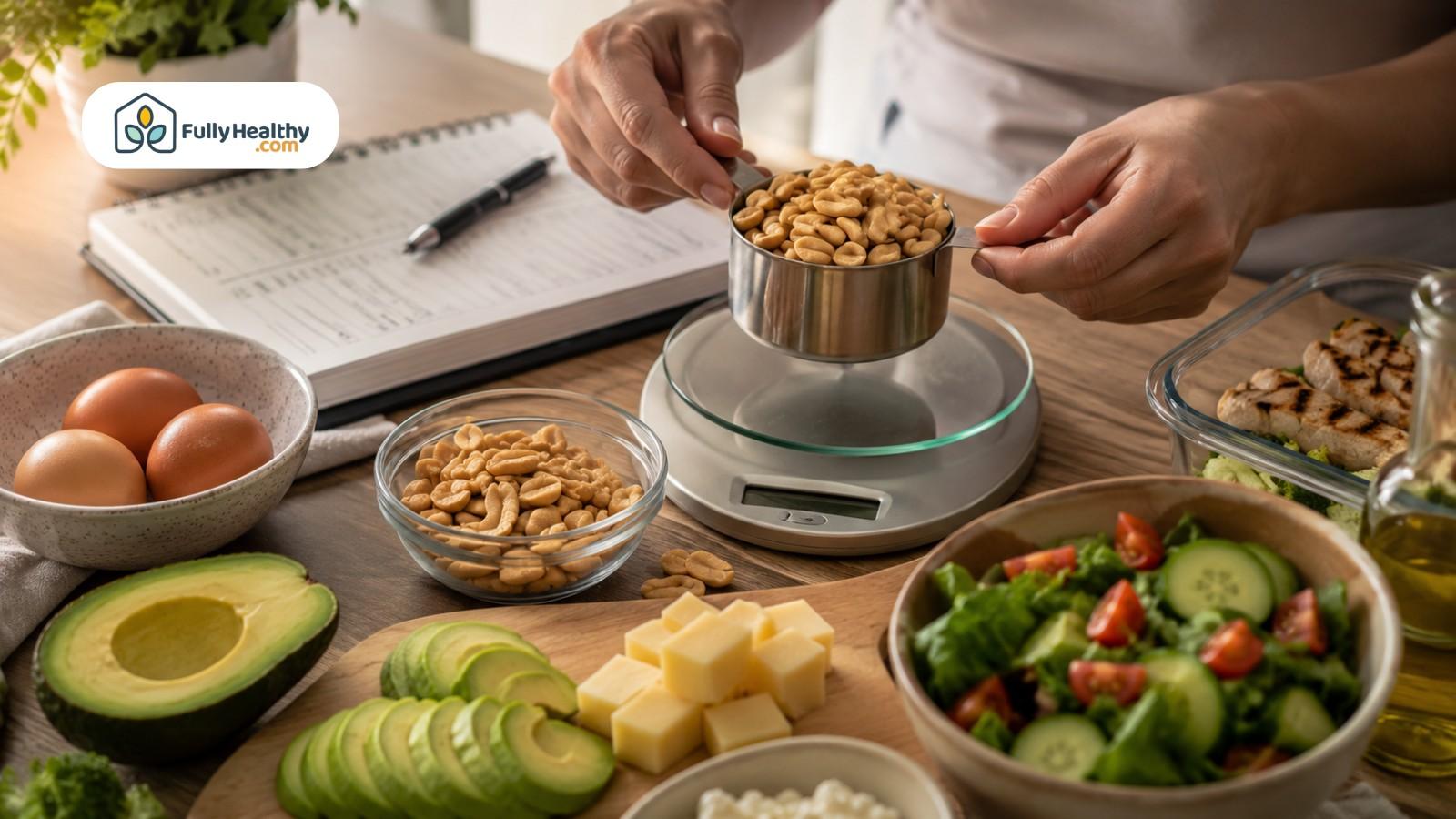
Staying in ketosis depends on keeping your daily carbohydrate intake within your personal limit. Peanuts have a higher carb count than some keto nuts, but they are usually not the main reason people leave ketosis. Hidden sugars, large portions, and processed foods often add more carbs than expected, which can make it harder to lose weight and follow a ketogenic lifestyle.
Which Foods Most Commonly Stop Ketosis?
Many everyday foods contain enough carbohydrates to interrupt ketosis, especially when portions are large. Reading labels and checking serving sizes can help you avoid foods that quickly raise your daily carb intake.
-
Sugary foods: Soft drinks, desserts, sweet sauces, and flavored drinks can contain more carbs than expected and may quickly interrupt ketosis.
-
Refined starches: Bread, pasta, rice, crackers, and hamburger buns are high in carbohydrates and can use most of your daily carb allowance in one meal.
-
Hidden sugars: Flavored yogurt, low-fat products, dressings, and packaged snacks often contain added sugar that is easy to overlook.
-
Large portions: Even nutrient dense and calorie dense foods can slow progress when eaten in amounts that exceed your energy and carbohydrate needs.
Can Peanut Butter Knock You Out of Ketosis?
Natural peanut butter can fit into a ketogenic diet, but the ingredients and serving size matter. Some brands add sugar, syrup, or fillers, which can raise the carb count and make the product less suitable for keto.
-
Read the label: Choose peanut butter made mainly from peanuts and salt, without added sugar or sweet syrups.
-
Control portions: A larger serving provides more carbs and calories, so measure your portion instead of eating directly from the jar.
-
Build a balanced snack: Pair peanut butter with low-carb vegetables or another healthy snack instead of bread, crackers, or sweet fruit.
-
Support long-term goals: Sensible portions can help support digestive health, energy, and appetite control without making it harder to lose weight.
How Can FullyHealthy Help You Find Specialty Foods?
FullyHealthy is an online marketplace for people with specific dietary needs, including gluten-free and allergen-aware options. Not every item is keto-friendly, but the website offers versatile foods that may suit different eating plans. Keto shoppers should still check nutrition labels and ingredient lists before buying.
Which FullyHealthy Products Are Worth Exploring?
FullyHealthy carries several specialty products with convenient formats and clearly listed ingredients. However, each item should be judged by its total carbs, fiber, sugar, and serving size rather than by claims such as gluten-free, paleo, or plant-based.
-
Off The Farm Peanut Butter Banana Meal Bar: This bar provides protein and some b vitamins, but banana and honey may increase the total carbohydrate content.
-
Off The Farm Banana Walnut Meal Bar: This bar contains walnuts, tiny seeds, and key nutrients, along with fiber that may support digestive health.
-
Jack’s Paleo Kitchen Cinnamon Rolls: These rolls avoid several common allergens, but their flour blend and added sugars suggest a higher carb count than most keto foods.
How Can Keto Shoppers Choose the Right FullyHealthy Products?
Keto shoppers should look beyond front-label claims and review the full ingredient list. Whole foods may provide essential nutrients with fewer added ingredients, while processed snacks can contain more carbs than expected.
-
Compare ingredients: Look for foods with healthy fats, such as olive oil or sources of oleic acid, and limit products with added sugars.
-
Focus on nutrients: Foods containing phenolic acids and anti inflammatory antioxidants may support heart health and help reduce factors linked with chronic inflammation.
-
Choose simple options: A single brazil nut or another whole-food snack may provide essential nutrients without unnecessary fillers.
-
Watch total intake: Even healthy foods can contribute to weight gain because the body can store fat when calorie intake stays too high, although protein-rich foods may still support muscle growth.
What Knocks You Out of Ketosis?
Staying in ketosis depends on keeping your daily carbohydrate intake within your personal limit. Peanuts have a higher carb count than some keto nuts, but they are usually not the main reason people leave ketosis.
Hidden sugars, large portions, and processed foods often add more carbs than expected, which can make it harder to lose weight and follow a ketogenic lifestyle.
Which Foods Most Commonly Stop Ketosis?
Many everyday foods contain enough carbohydrates to interrupt ketosis, especially when portions are large. Reading labels and checking serving sizes can help you avoid foods that quickly raise your daily carb intake.
-
Sugary foods: Soft drinks, desserts, sweet sauces, and flavored drinks can contain more carbs than expected and may quickly interrupt ketosis.
-
Refined starches: Bread, pasta, rice, crackers, and hamburger buns are high in carbohydrates and can use most of your daily carb allowance in one meal.
-
Hidden sugars: Flavored yogurt, low-fat products, dressings, and packaged snacks often contain added sugar that is easy to overlook.
-
Large portions: Even nutrient dense and calorie dense foods can slow progress when eaten in amounts that exceed your energy and carbohydrate needs.
Can Peanut Butter Knock You Out of Ketosis?
Natural peanut butter can fit into a ketogenic diet, but the ingredients and serving size matter. Some brands add sugar, syrup, or fillers, which can raise the carb count and make the product less suitable for keto.
-
Read the label: Choose peanut butter made mainly from peanuts and salt, without added sugar or sweet syrups.
-
Control portions: A larger serving provides more carbs and calories, so measure your portion instead of eating directly from the jar.
-
Build a balanced snack: Pair peanut butter with low-carb vegetables or another healthy snack instead of bread, crackers, or sweet fruit.
-
Support long-term goals: Sensible portions can help support digestive health, energy, and appetite control without making it harder to lose weight.
How Can FullyHealthy Help You Find Specialty Foods?
FullyHealthy is an online marketplace for people with specific dietary needs, including gluten-free and allergen-aware options. Not every item is keto-friendly, but the website offers versatile foods that may suit different eating plans. Keto shoppers should still check nutrition labels and ingredient lists before buying.
Which FullyHealthy Products Are Worth Exploring?
FullyHealthy carries several specialty products with convenient formats and clearly listed ingredients. However, each item should be judged by its total carbs, fiber, sugar, and serving size rather than by claims such as gluten-free, paleo, or plant-based.
-
Off The Farm Peanut Butter Banana Meal Bar: This bar provides protein and some b vitamins, but banana and honey may increase the total carbohydrate content.
-
Off The Farm Banana Walnut Meal Bar: This bar contains walnuts, tiny seeds, and key nutrients, along with fiber that may support digestive health.
-
Jack’s Paleo Kitchen Cinnamon Rolls: These rolls avoid several common allergens, but their flour blend and added sugars suggest a higher carb count than most keto foods.
How Can Keto Shoppers Choose the Right FullyHealthy Products?
Keto shoppers should look beyond front-label claims and review the full ingredient list. Whole foods may provide essential nutrients with fewer added ingredients, while processed snacks can contain more carbs than expected.
-
Compare ingredients: Look for foods with healthy fats, such as olive oil or sources of oleic acid, and limit products with added sugars.
-
Focus on nutrients: Foods containing phenolic acids and anti inflammatory antioxidants may support heart health and help reduce factors linked with chronic inflammation.
-
Choose simple options: A single brazil nut or another whole-food snack may provide essential nutrients without unnecessary fillers.
-
Watch total intake: Even healthy foods can contribute to weight gain because the body can store fat when calorie intake stays too high, although protein-rich foods may still support muscle growth.
Final Thoughts
Peanuts can absolutely have a place in a ketogenic diet when you pay attention to portion size, net carbs, and the ingredients in the foods you choose.
While they contain slightly more carbohydrates than some other keto-friendly nuts, they still provide healthy fats, protein, dietary fiber, vitamin E, and other nutrients that can support a balanced eating plan. Choosing plain peanuts or natural peanut butter without added sugar is usually a better option than processed varieties.
Pair your snacks with whole, low-carb foods and always read nutrition labels carefully. By making informed choices and staying consistent with your carbohydrate goals, you can enjoy peanuts while maintaining a keto lifestyle that supports your long-term health and wellness.
FAQs
Can peanuts support heart health on keto?
Yes. Peanuts provide healthy fats that may support heart health, while a balanced diet may also help lower the risk of heart disease. They also contain nutrients involved in producing red blood cells.
Is sugar free peanut butter better for keto?
Yes. Sugar free peanut butter is usually a better choice because it contains fewer added carbohydrates and fits more easily into a ketogenic eating plan.
What can I eat with peanuts on a keto diet?
You can add crunch to salads, low-carb vegetables, or keto-friendly yogurt by sprinkling on a small serving of peanuts while keeping your daily carb intake in mind.
Do peanuts have any additional health benefits?
Peanuts contain nutrients and plant compounds with powerful anti inflammatory properties, along with protein, healthy fats, and antioxidants that support overall wellness when eaten in moderation.
Are peanuts better than processed keto snacks?
In many cases, yes. Plain peanuts or natural sugar free peanut butter are often simpler choices than highly processed snacks because they provide satisfying nutrition without unnecessary added sugars.
Leave a comment