

Are Potatoes Gluten Free? What To Check Before You Eat
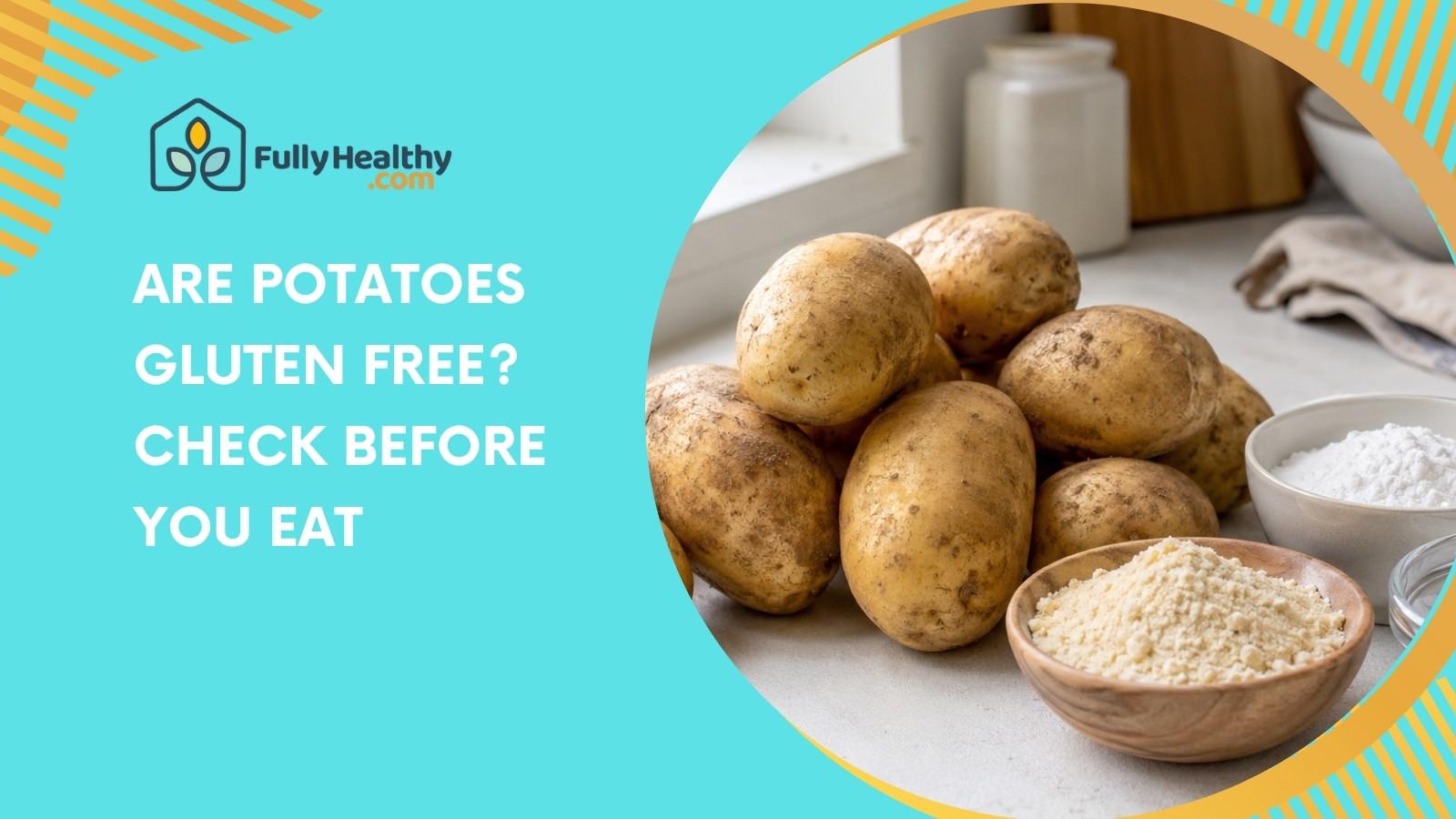
Are potatoes gluten free? Yes, plain potatoes are naturally gluten-free because they are vegetables, not grains like wheat, barley, or rye. You can enjoy boiled, baked, or mashed potatoes if no gluten ingredients are added. The real concern is how they are prepared.
Fries, chips, gravy, boxed mixes, and restaurant sides may contain gluten or touch gluten during cooking. This guide explains when potatoes are safe, what to check, and how to choose better options.
Are Potatoes Gluten Free?
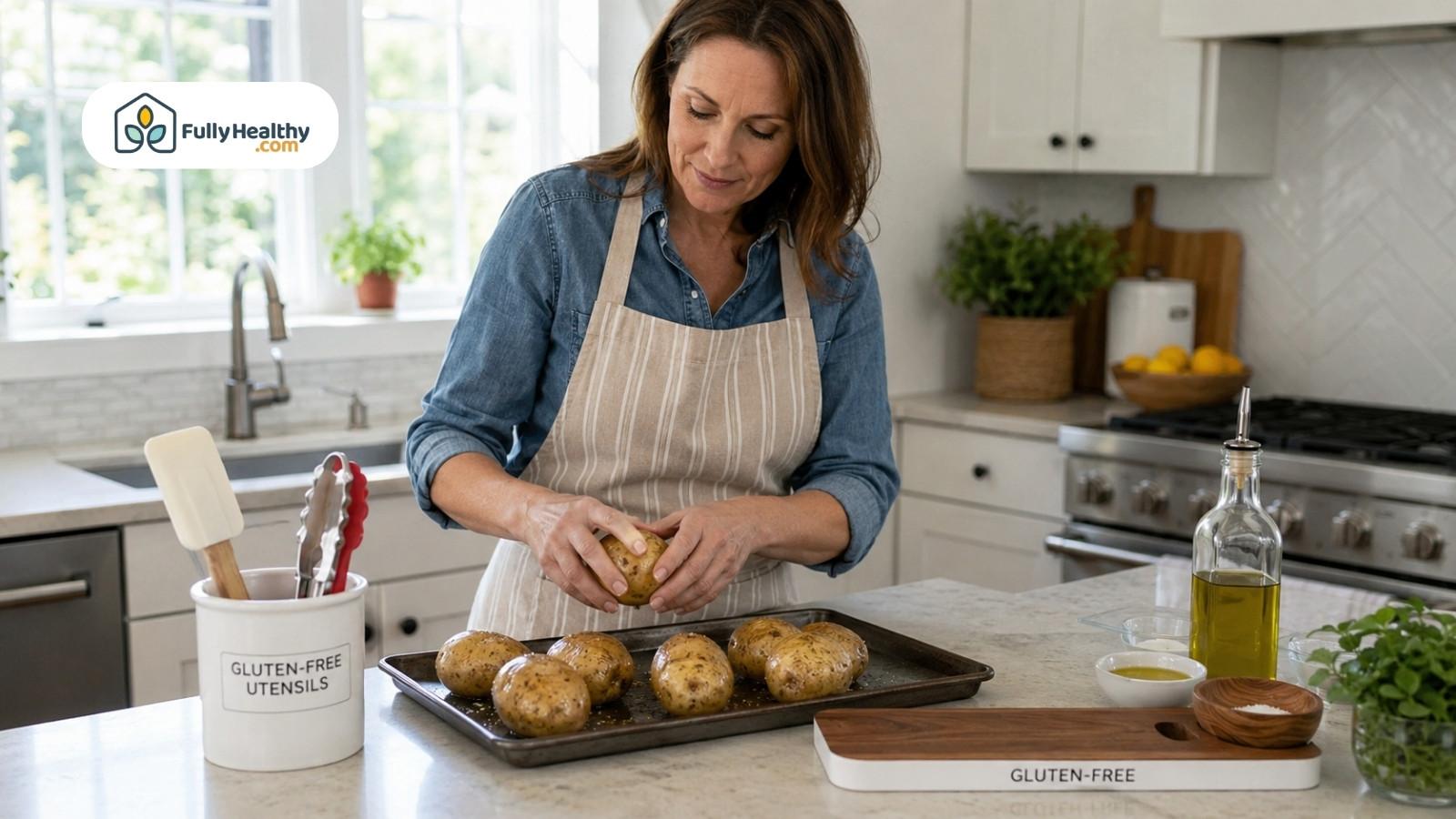
Plain potatoes are naturally gluten free, so they can fit a gluten free diet. They are vegetables, not gluten containing foods like wheat, barley, or rye. The main thing to check is how they are cooked, seasoned, or processed. Gluten can come from sauces, toppings, fryers, or gluten containing ingredients.
Are Potatoes Gluten Free In Their Plain Form?
Plain potatoes are naturally gluten-free, but safety for people with celiac disease depends on avoiding gluten cross-contact. Whole potatoes, russet potatoes, and sweet potatoes are naturally gluten-free. The Celiac Disease Foundation lists potatoes as safe starches for celiac disease.
-
Natural Status: Potatoes are naturally gluten free when cooked without wheat flour, breadcrumbs, or malt vinegar.
-
Nutrient Value: Potatoes provide iron, niacin, vitamin C, and complex carbohydrates for energy.
-
Fiber Support: One serving gives fiber, especially with potato skins.
-
Easy Prep: You can eat potatoes boiled, roasted, or as baked potatoes with olive oil.
Why Can Some Potato Dishes Still Contain Gluten?
The potato itself is not the problem. Gluten may appear in gravy, coatings, crumbs, sauces, or seasoning blends. Processed potato products need care because labels can hide gluten containing ingredients.
-
Label Check: Choose items specifically labeled gluten free when buying potato chips, potato flakes, frozen fries, or boxed potato products.
-
Cross-Contact Risk: Potatoes can touch gluten containing foods on shared boards, pans, fryers, or utensils.
-
Smart Swaps: Use potato flour or gluten free flour for baked goods, gluten free bread, and gluten free recipes.
Do French Fries Have Gluten?
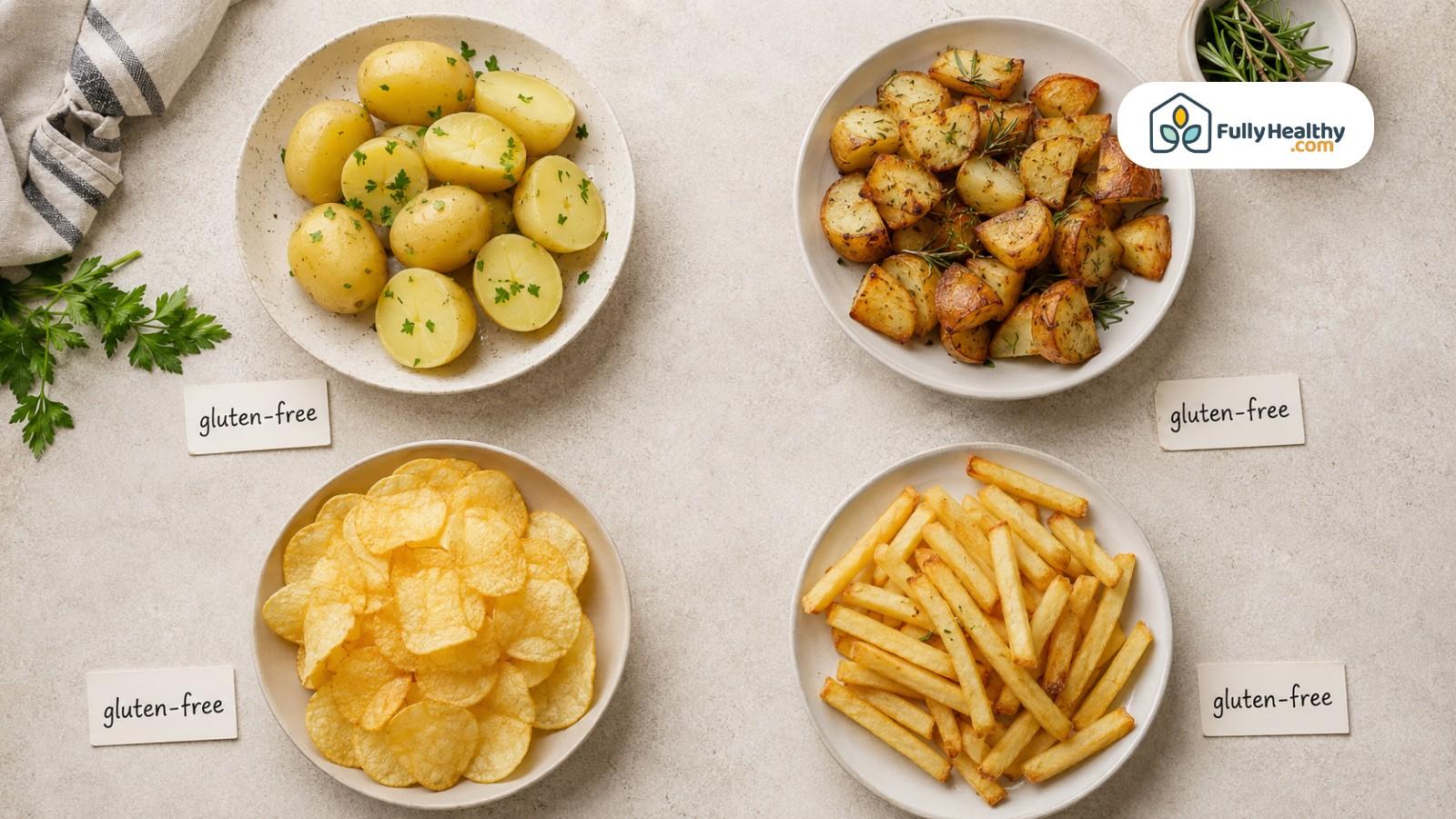
French fries can be gluten free options, but only when the ingredients and fryer are safe. Homemade fries are easier to control because you choose the oil and tools. Restaurant fries need more care because they may share oil with breaded foods. That is why people with celiac disease should always ask before ordering.
Are Homemade French Fries Usually Gluten-Free?
Homemade fries are safe when you start with plain potatoes and clean equipment. Slice russet potatoes or sweet potatoes, toss them with olive oil, and season simply. This supports a healthy gluten free diet.
-
Simple Seasoning: Use salt, garlic powder, onion powder, pepper, or fresh herbs instead of unclear blends.
-
Better Cooking: Bake or air-fry fries to use less oil while keeping flavor.
-
Balanced Plate: Serve fries with protein, vegetables, or salad to balance complex carbohydrates.
Why Are Some Fast-Food French Fries Not Gluten-Free?
Fast-food fries may contain gluten because of flavorings, coatings, or shared fryers. Cross-contact can occur in restaurants due to shared fryers with gluten-containing foods. Fries cooked with onion rings, breaded chicken, or battered fish may not be safe for celiac disease.
-
Fryer Question: Ask if the fries are cooked in a dedicated fryer.
-
Ingredient Watch: Avoid fries with wheat flour coatings or seasonings that mention malt vinegar.
-
Sensitivity Note: Gluten intolerance and gluten sensitivity may vary, but celiac disease requires strict avoidance.
Do Mashed Potatoes Have Gluten?
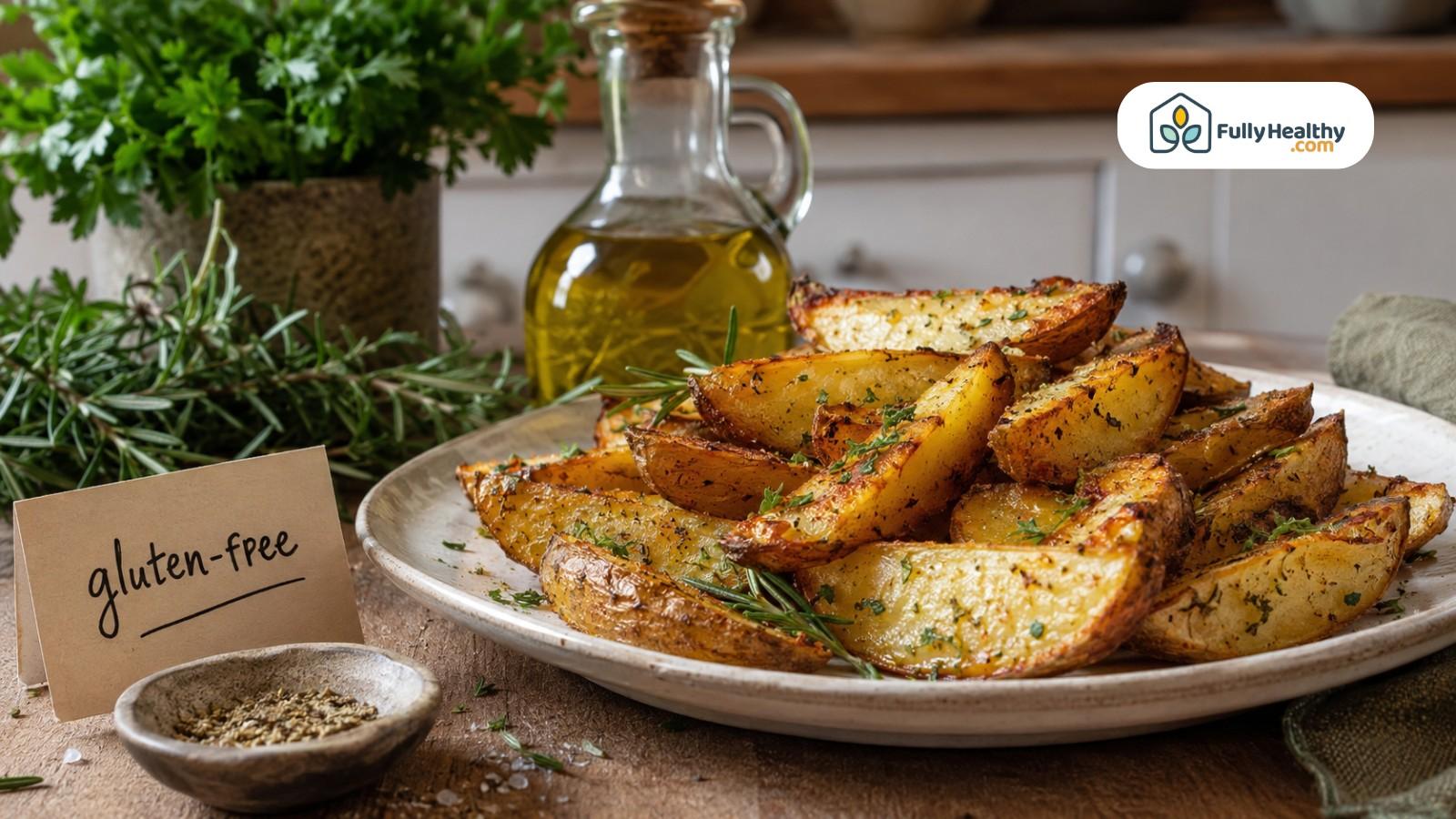
Mashed potatoes are often gluten-free, but not always. The safest version uses potatoes, butter, milk, salt, and pepper. Problems start when gravy, boxed mixes, or restaurant shortcuts add gluten. Always check labels if you are buying ready-made mashed potatoes.
Are Traditional Mashed Potatoes Gluten-Free?
Traditional mashed potatoes are naturally gluten free when made from whole potatoes and dairy. Families can incorporate potatoes into meals because they are filling, cheap, and easy to season.
-
Safe Base: Use fresh potatoes, butter, milk, salt, pepper, and fresh herbs.
-
Extra Nutrition: Sweet potatoes are rich in vitamins, fiber, and antioxidants.
-
Thickener Tip: Use potato flour or gluten free flour if a recipe needs thickening.
Should You Trust Boxed Or Restaurant Mashed Potatoes?
Be careful with instant mashed potatoes and restaurant sides. Some potato products include additives, flavor packets, or gravy made with wheat flour. If the package is unclear, look for gluten free options.
-
Boxed Mixes: Potato flakes may be gluten-free, but read the ingredient list.
-
Gravy Risk: Many gravies use wheat flour, so ask before adding them.
-
Safer Choice: Choose products specifically labeled gluten free if you need strict safety.
Do Boiled Potatoes Have Gluten?
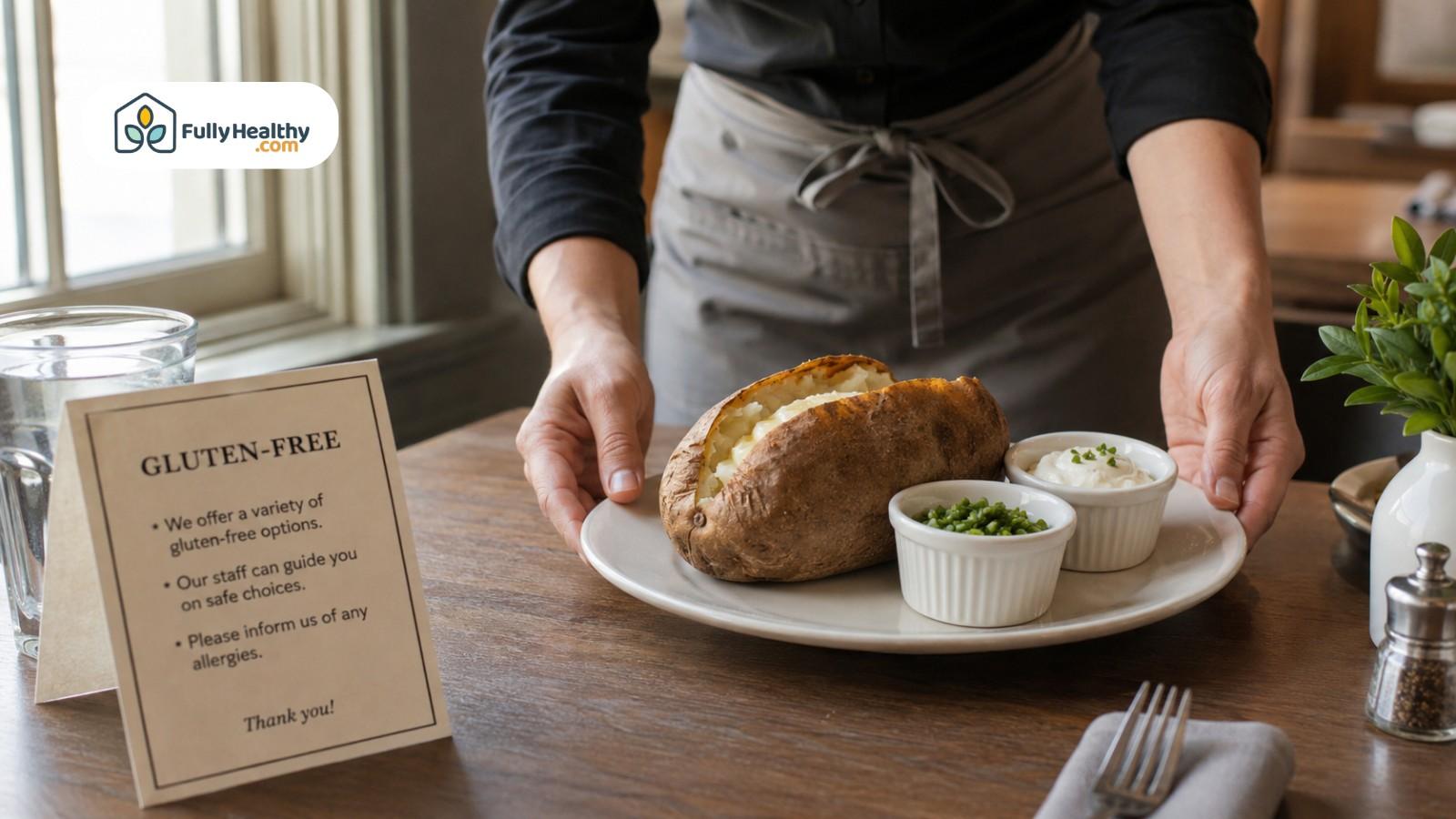
Boiled potatoes are gluten-free when cooked plain in clean water. Gluten is a protein found in wheat, barley, rye, and foods made from those grains. Potatoes are vegetables, so they do not contain gluten. The risk comes from shared water, dirty tools, or toppings.
Are Plain Boiled Potatoes Safe On A Gluten-Free Diet?
Yes, plain boiled potatoes are safe when no gluten ingredients are added. They can be a side dish for people avoiding bread, pasta, cereals, and gluten-based foods.
-
Clean Cooking: Use fresh water, a clean pot, and clean utensils before boiling potatoes.
-
Simple Flavor: Add salt, olive oil, herbs, butter, or cheese if each item is gluten-free.
-
Balanced Meal: Serve boiled potatoes with vegetables and protein for a filling plate.
-
Smart Substitute: Use boiled potatoes as a substitute for pasta when you want a gluten-free side.
Can Boiled Potatoes Be Contaminated With Gluten?
Yes, boiled potatoes can be easily contaminated if cooked in water used for wheat pasta. They can also pick up gluten from tools, strainers, or serving spoons that touched gluten.
-
Shared Water: Do not boil potatoes in pasta water because gluten can transfer.
-
Shared Tools: Wash knives, cutting boards, strainers, and spoons before using them.
-
Restaurant Tip: Ask if potatoes are cooked separately from gluten items.
How Can FullyHealthy Help You Find Gluten-Free Potato Options?
FullyHealthy can help readers find potato snacks and seasonings that are easier to check before buying. This helps because packaged foods may have confusing labels or hidden ingredients. A registered dietitian would suggest reading each label. FullyHealthy also groups foods by diet needs, which can make shopping faster.
Which FullyHealthy Potato Products Can Readers Check?
Readers can check three potato-related products from FullyHealthy for snack time, meal prep, or extra flavor. These choices use simple descriptions, which can help shoppers compare ingredients.
-
Siete Kettle Cooked Potato Chips Sea Salt 5.5 Oz: This product uses potatoes, avocado oil, and sea salt, and the page notes it is gluten-free certified.
-
Jackson's Avocado Oil Sweet Potato Chips 5 Oz: This product uses sweet potatoes, avocado oil, and sea salt for a simple snack option.
-
Primal Palate Meat & Potatoes Seasoning 2.3 Oz: This seasoning includes Pink Himalayan salt, paprika, onion, garlic, black pepper, and oregano.
What FullyHealthy Seasoning Can Add Flavor To Potatoes?
FullyHealthy carries Primal Palate Meat & Potatoes Seasoning for home fries, roasted potatoes, boiled potatoes, and baking sheet dinners. It adds flavor without heavy sauces.
-
Best Use: Sprinkle it on potatoes before roasting, or add it after boiling.
-
Flavor Tip: Use a small amount first, then add more after tasting.
-
Label Habit: Always check labels when serving potato dishes with sauces, cheese, or packaged sides.
Final Thoughts
Are potatoes gluten free? Yes, plain potatoes are naturally safe, but the way they are cooked matters. Gluten is a protein found in wheat, barley, and rye, so potatoes only become risky when mixed with gluten ingredients or shared kitchen tools.
They can be easily contaminated in restaurants, especially near pasta water, breaded foods, or fryers. A registered dietitian would likely tell you to read labels and ask questions before eating packaged or restaurant potato dishes.
Potatoes can also support simple meals because they work for baking, pair well with cheese, and can replace cereals or pasta as a filling substitute. Choose clean ingredients, safe prep, and clear labels whenever possible for gluten-free eating at home and in restaurants too.
FAQs
Are potatoes safe for people avoiding gluten?
Yes, plain potatoes are safe because gluten is a protein found in wheat, barley, and rye, not in potatoes.
Can potatoes become unsafe in restaurants?
Yes, potatoes can be easily contaminated if they share fryers, pasta water, or tools with gluten foods.
What can I add to potatoes?
You can add gluten-free cheese, herbs, butter, or oil, but always check sauces and seasonings first.
Can potatoes replace other gluten foods?
Yes, potatoes can be a substitute for pasta, cereals, and some baking sides in simple meals.
Should I ask a registered dietitian?
Yes, a registered dietitian can help if you have celiac disease, gluten sensitivity, or strict diet needs.
Leave a comment