

Are Pretzels Gluten-Free? What You Need to Know Before You Snack
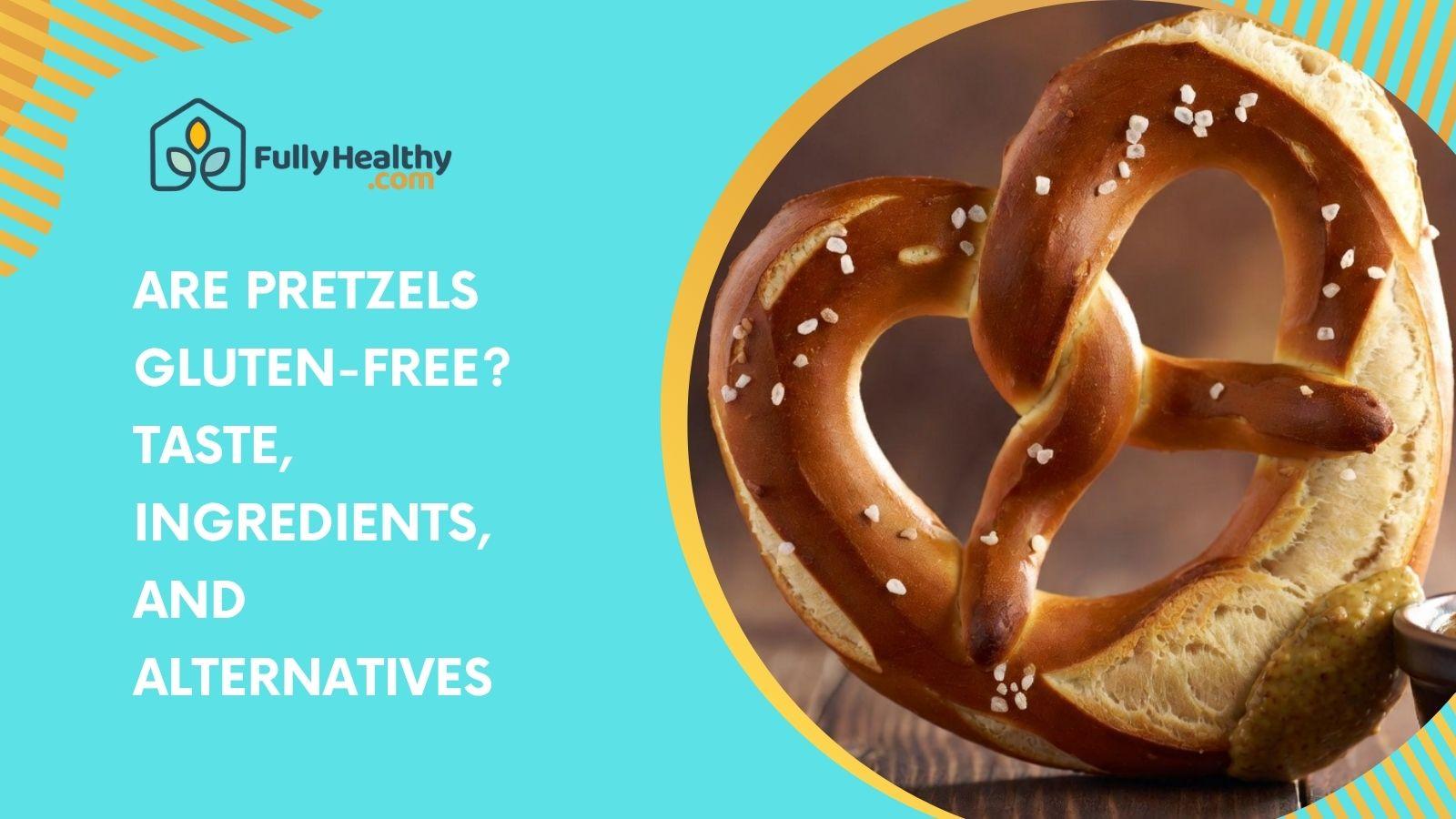
Are pretzels gluten-free? Traditional pretzels are not gluten-free because they are made with wheat flour, which contains gluten. However, gluten-free pretzels are widely available and use alternative flours and starches instead.
This guide explains the difference between traditional and gluten-free pretzels, how gluten-free versions are made, what affects their taste and texture, and how to choose the best option for your dietary needs.
Are Pretzels Gluten-Free?

No, traditional pretzels are not gluten-free because they are made with wheat flour, which contains gluten. However, specially made gluten free pretzels use alternative flours and starches, making them a suitable option for people following a gluten free diet.
Why Most Pretzels Contain Gluten
Traditional pretzels rely on wheat flour to create their signature chewy texture and golden crust. Because wheat naturally contains gluten, regular pretzels, including most soft pretzels and pretzel crisps, are not safe for people with celiac disease or gluten sensitivity.
-
Wheat flour: The primary ingredient in traditional pretzels and the main source of gluten.
-
Gluten: A naturally occurring protein in wheat that gives dough elasticity and structure.
-
Regular pretzels: Most packaged, bakery, and restaurant pretzels contain gluten.
-
Soft pretzels: Traditional recipes are made with wheat-based dough unless specifically prepared as gluten free.
-
Who should avoid them: People with celiac disease or non-celiac gluten sensitivity should choose gluten free alternatives.
Choosing Safe Gluten-Free Pretzels
Gluten-free pretzels are made by replacing wheat flour with ingredients such as brown rice flour, potato starch, tapioca starch, corn starch, rice flour, whole grain sorghum flour, grain sorghum flour, and xanthan gum.
When shopping, choose products clearly labeled gluten free and review the ingredient list to reduce the risk of gluten exposure.
-
Alternative flours: Brown rice flour, rice flour, and sorghum flour replace wheat flour.
-
Starches: Potato starch, tapioca starch, tapioca flour, and corn starch help improve texture.
-
Binding ingredients: Xanthan gum and cellulose gum help hold the dough together.
-
Certified products: Look for clearly labeled gluten free products made with practices that minimize cross-contact.
-
Ingredient review: Check for ingredients such as soy flour, soy lecithin, sunflower lecithin, yeast extract, corn fiber, citric acid, and palm oil.
How to Make Pretzels Gluten-Free?
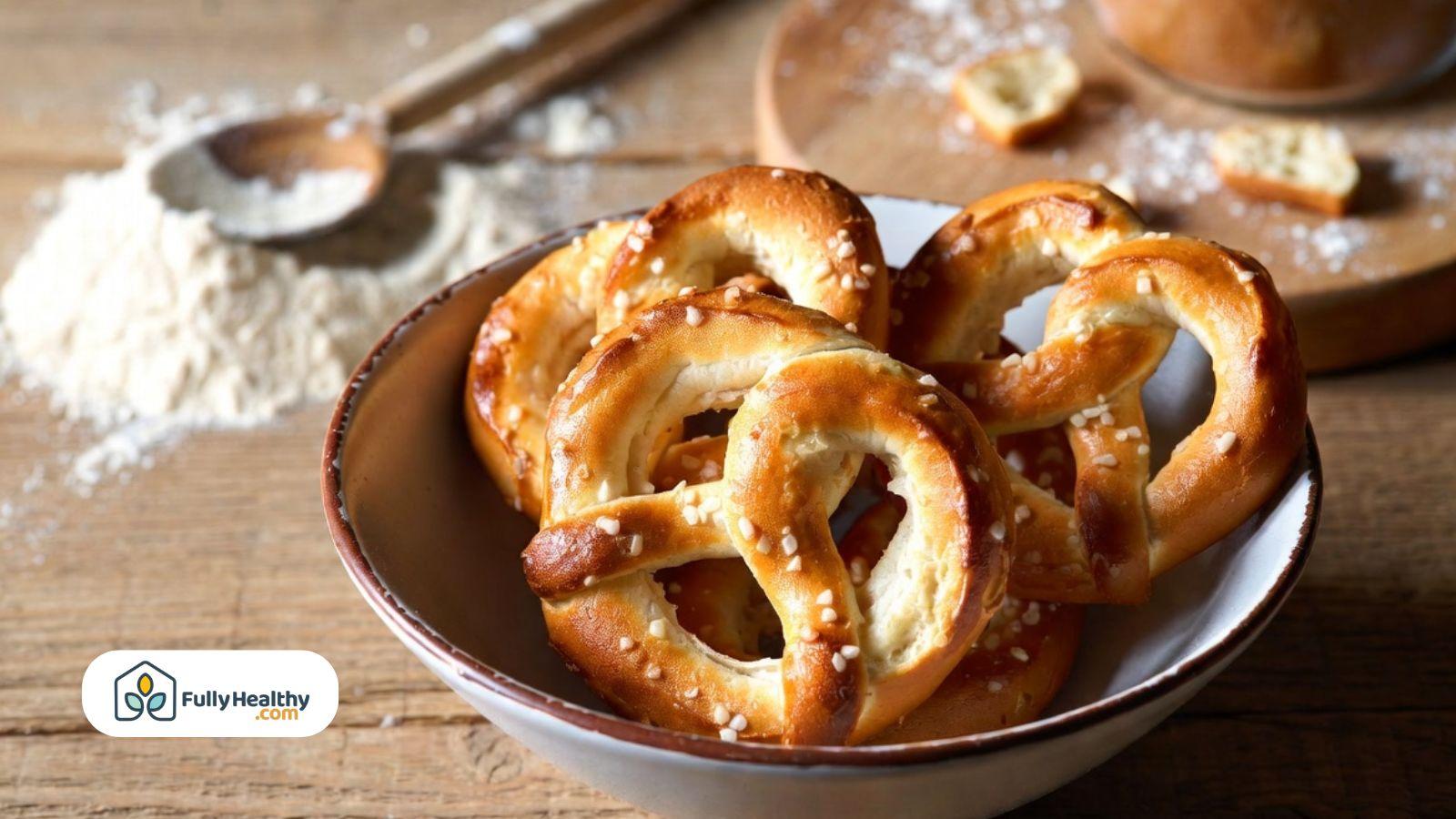
Gluten free soft pretzels are made by replacing wheat flour with gluten-free flour blends, starches, and binding ingredients that create a chewy texture without gluten. While the ingredients are different, the baking process is similar and can produce delicious homemade pretzels.
Building a Gluten-Free Pretzel Dough
A gluten-free pretzel dough relies on several ingredients working together because no single flour can replace wheat flour on its own. Combining gluten-free flours, starches, yeast, and binding agents helps create a dough that is easier to knead, shape, and bake.
-
Flour blend: Combine brown rice flour, whole grain sorghum flour, grain sorghum flour, rice flour, potato starch, tapioca starch, tapioca flour, and corn starch to build structure.
-
Binding agents: Xanthan gum and cellulose gum help the dough stay smooth and reduce cracking during shaping.
-
Leavening: Dry yeast or instant yeast works with light brown sugar to help the dough rise into a fluffy texture.
-
Wet ingredients: Egg, milk, canola oil, and water add moisture and improve the finished texture.
-
Mixing: A stand mixer fitted with a dough hook can combine the ingredients evenly, although mixing by hand is also possible.
Creating the Classic Pretzel Texture
The signature texture of gluten-free soft pretzels comes from proper shaping and baking rather than flour alone. A baking soda or sodium bicarbonate bath before baking helps create the familiar brown crust, while pretzel salt adds the classic finishing touch.
-
Shaping: Roll the dough on a lightly floured surface and avoid adding too much extra flour.
-
Boiling: Briefly boil each pretzel in water mixed with baking soda before placing it in the oven.
-
Alternative method: Some commercial bakeries use sodium hydroxide instead of sodium bicarbonate to create a darker crust.
-
Finishing: Sprinkle pretzel salt over each pretzel before baking for traditional flavor.
-
Serving: Allow the pretzels to cool slightly before serving, and reheat leftovers for a softer bite.
What are the Healthiest Pretzels You Can Eat?
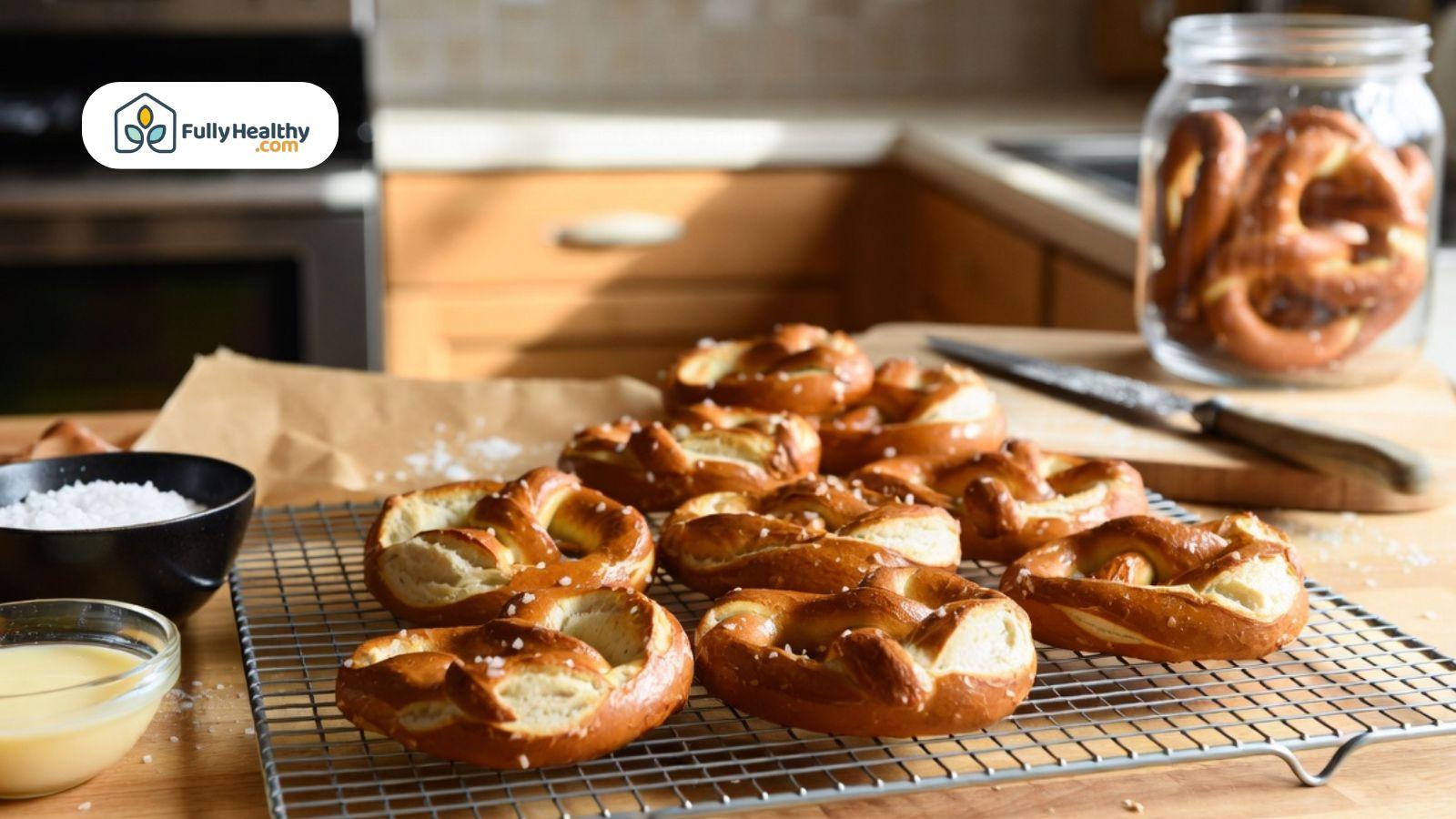
The healthiest pretzels are made with whole grains or seeds and contain less sodium. Traditional pretzels made with white flour are lower in fiber and higher in refined carbohydrates. When shopping, look for whole grain, multigrain, or higher-protein pretzels, and keep your serving size in mind.
Ingredients That Support Better Nutrition
A healthier pretzel starts with a shorter ingredient list and a balanced nutrition profile. Some gluten free products include whole grain ingredients that contribute more nutrients than refined starches alone, but portion size still matters.
-
Whole grains: Whole grain sorghum flour and brown rice flour can provide more nutrients than highly refined flour.
-
Sodium: Compare salt content because pretzels can be high in sodium.
-
Fiber: Ingredients such as corn fiber may help increase fiber content in some products.
-
Fats: Products made with moderate amounts of canola oil instead of large amounts of palm oil may better suit some dietary preferences.
-
Serving size: Follow the suggested serving to help manage calories and sodium intake.
Comparing Gluten-Free Pretzel Options
Reading the ingredient list makes it easier to compare one gluten free pretzel with another. Looking beyond the front of the package helps you choose a snack that matches your nutritional goals and personal preferences.
-
Ingredient quality: Compare flour blends, starches, and added ingredients instead of choosing by packaging alone.
-
Additives: Ingredients such as soy lecithin, sunflower lecithin, citric acid, sodium acid pyrophosphate, and yeast extract may appear in different products.
-
Texture: Some gluten free pretzels are crisp like pretzel crisps, while others have a softer bite.
-
Flavor: Taste can vary depending on the flour blend, amount of sugar, and baking process.
-
Everyday snack: Select a product that balances flavor, nutrition, and convenience for regular enjoyment.
Does Gluten-Free Lower Cortisol?
Current research does not show that a gluten-free diet directly lowers cortisol in healthy people. However, individuals with celiac disease may experience improvements in overall health after removing gluten, which can reduce physical stress caused by ongoing intestinal damage.
What Current Research Shows
Studies suggest that the benefits of a gluten-free diet are strongest for people diagnosed with celiac disease rather than the general population. Removing gluten helps the small intestine heal, but current evidence does not support using a gluten free diet solely to lower cortisol.
-
Celiac disease: A gluten-free diet is the only effective treatment.
-
Cortisol: Research has not established a direct cause-and-effect relationship between gluten free eating and lower cortisol levels in healthy adults.
-
Medical guidance: Do not remove gluten without professional advice if celiac disease has not been diagnosed.
-
Balanced diet: Nutrient-rich food remains important regardless of dietary pattern.
-
Evidence: More high-quality human studies are needed before firm conclusions can be made.
When a Gluten-Free Diet May Support Overall Health
For people with celiac disease, eliminating gluten often improves digestive symptoms, nutrient absorption, and overall well-being. Feeling healthier may indirectly reduce the body's response to ongoing illness, but a gluten free diet should not be viewed as a proven cortisol-lowering treatment.
-
Symptom relief: Healing the intestine may improve energy and daily comfort.
-
Nutrition: Better absorption of vitamins and minerals supports overall health.
-
Medical care: Continue regular follow-up with your healthcare provider after diagnosis.
-
Long-term approach: A gluten free diet should be maintained consistently for celiac disease.
-
Healthy lifestyle: Sleep, exercise, and stress management remain important alongside dietary changes.
FullyHealthy's Gluten-Free Baking Collection
FullyHealthy offers a wide selection of gluten free products for people managing food sensitivities or looking for convenient baking mixes.
Helping People Shop for Specialty Diets
FullyHealthy focuses on foods that support a variety of dietary needs, including gluten free, grain-free, and allergen-friendly lifestyles. Its product selection allows shoppers to compare ingredients and choose options that best fit their preferences.
-
Product variety: The store offers baking mixes, pantry staples, snacks, and specialty food items for different dietary needs.
-
Gluten free products: Shoppers can browse products made without wheat and other gluten-containing grains.
-
Ingredient information: Product pages include ingredient lists to help customers make informed decisions.
-
Convenience: Ordering online makes it easier to keep pantry staples stocked at home.
-
Specialty diets: The collection includes options for households managing multiple food sensitivities.
Bread and Pretzel Mixes Worth Trying
If you enjoy home baking, several mixes available through FullyHealthy can simplify the process while delivering delicious results. The Legit Bread Company Pizza Pretzel Mix is designed for making gluten free soft pretzels, pizza dough, and breadsticks with a chewy texture and satisfying flavor.
-
Legit Bread Company Pizza Pretzel Mix: Makes gluten free soft pretzels, pizza crust, and breadsticks with a chewy texture and classic pretzel flavor.
-
Eat G.A.N.G.S.T.E.R Pumpkin Bread Mix: A gluten free pumpkin bread mix that creates a moist loaf with warm seasonal spices.
-
Eat G.A.N.G.S.T.E.R Banana Bread Mix: Bakes into a soft banana bread that is suitable for gluten free baking at home.
-
Simple Mills Artisan Bread Almond Flour Mix: Uses almond flour to make hearty artisan-style bread with a tender crumb.
-
Simple Mills Banana Muffin & Bread Almond Flour Mix: Makes moist banana muffins or quick bread using almond flour.
-
Simple Mills Pumpkin Muffin & Bread Almond Flour Mix: Creates pumpkin muffins or bread with a soft texture and lightly spiced flavor.
-
Eat G.A.N.G.S.T.E.R Pizza Crust & Flatbread Mix: Prepares gluten free pizza crusts and flatbreads that are crisp on the outside and tender inside.
Final Thoughts
Choosing the right pretzel comes down to understanding the ingredients and selecting an option that fits your dietary needs. While traditional varieties are not suitable for everyone, there are plenty of alternatives that offer a similar taste and texture.
Reading labels, comparing ingredients, and knowing what to look for can help you make informed choices with confidence. We hope this guide has answered your questions and makes your next snack a little easier to choose!
FAQs
What is Surprisingly Not Gluten-Free?
Some foods that seem gluten-free, including certain sauces, seasonings, and snack products used as a dip, may still contain gluten.
Do Sourdough Pretzels Have Gluten?
Yes, traditional sourdough pretzels have gluten because they are made with wheat flour, even after fermentation.
What Foods Are 100% Gluten-Free?
Fresh fruits, vegetables, plain meat, fish, eggs, rice, and beans are naturally gluten-free when they are not exposed to cross-contact.
What is a Good Substitute for Pretzels?
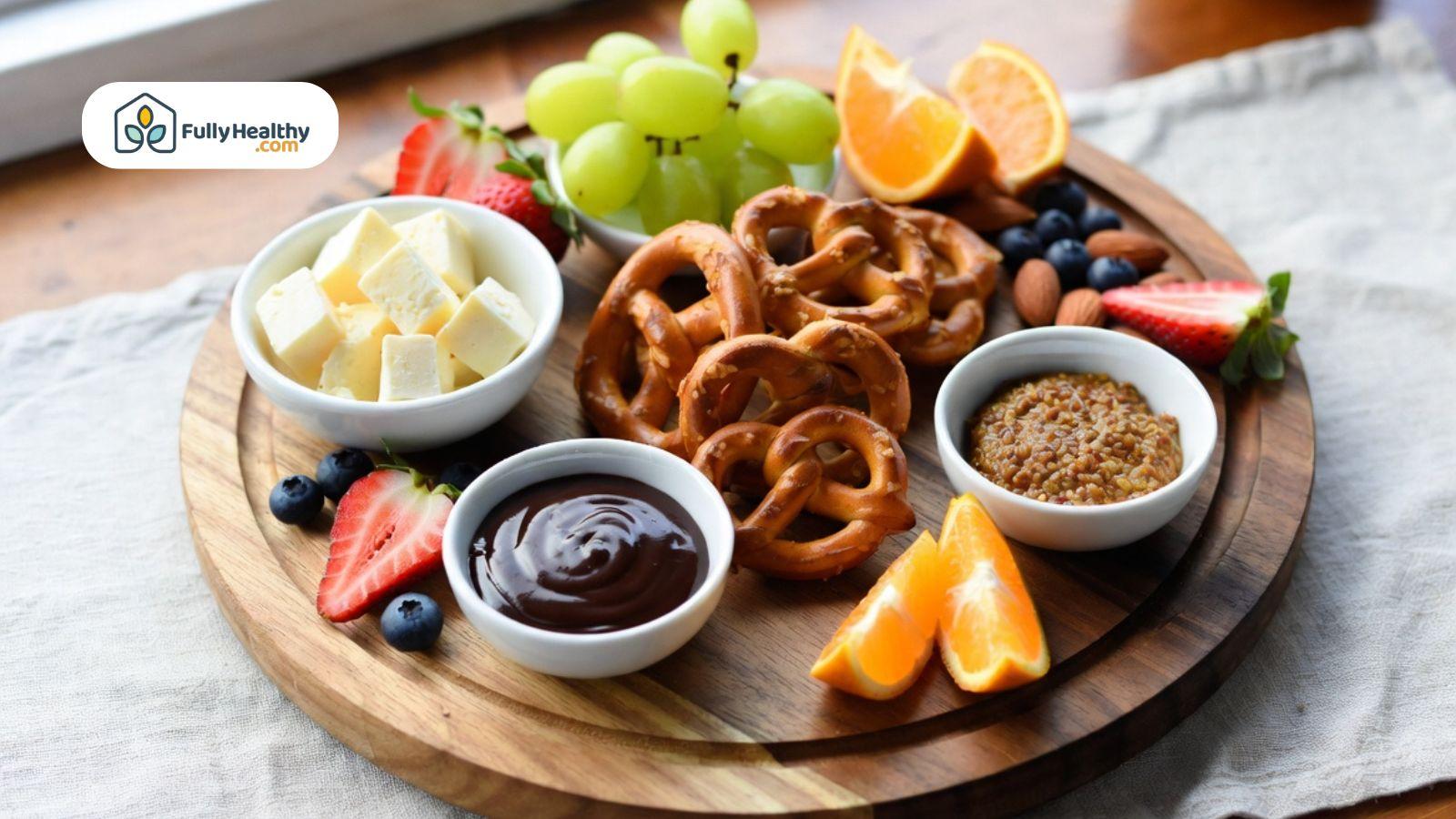
The best substitutes for pretzels include roasted chickpeas, salted nuts such as almonds or pili nuts, and bagel chips.
Are Gluten Free Soft Pretzels Good?
Yes, gluten free soft pretzels are a great tasting alternative, and you can enjoy half during one serving or save the rest for a later date.
Leave a comment