

Are Raspberries Acidic? The Truth About Berries, pH, and Your Body
 Photo Credit: Canva Pro
Are raspberries acidic? Yes, they are. Raspberries are acidic because their pH level is low. This might make people with stomach problems, acid reflux, or sensitive teeth feel worse. On the other hand, they have vitamins, fiber, and antioxidants.
Some people can handle raspberries and other berries better than citrus fruits. In this article, you’ll learn how raspberries affect your body, when to eat them, and how to enjoy their health benefits safely.
🍇 One Jar, Four Fruits – Make Breakfast Effortlessly Delicious with St. Dalfour!
Are Raspberries a High Acid Fruit?
 Photo Credit: Canva Pro
How Acidic Are Raspberries Compared to Other Fruits?
On the pH scale, raspberries have a value between 3.2 and 4.0, which means they are acidic. They are about the same acidity level as many other fruits, but not as acidic as most citrus fruits.
-
Definition of acidic: Any food with a pH level below 7 is considered acidic.
-
Raspberry pH level: Typically falls between 3.2–4.0, making them acidic.
-
Compared to citrus fruits: Lemons and limes can drop below pH 2.5 due to high citric acid.
-
Compared to other fruits: Raspberries are more acidic than bananas (pH ~5), but similar to strawberries.
-
Acid content source: Includes natural acids like citric acid and malic acid.
Should You Avoid Raspberries With Acid Reflux or Enamel Issues?
People who have acid reflux or gastroesophageal reflux disease may feel uncomfortable when they eat raspberries. Over time, their acidity can also wear away tooth enamel, especially when eaten with other acidic foods.
-
Triggers for reflux: Raspberries can worsen symptoms due to their low pH level and tangy flavor.
-
Tooth enamel risk: Eating acidic foods like berries can lead to enamel erosion.
-
Sensitive groups: People with GERD, reflux, or weak enamel should eat raspberries with meals.
-
Safe consumption: Pairing raspberries with dairy products or whole grains can reduce acidity impact.
-
Johns Hopkins Medicine advice: Reduce acidic food intake to manage acid reflux symptoms.
What Berry Is the Least Acidic?
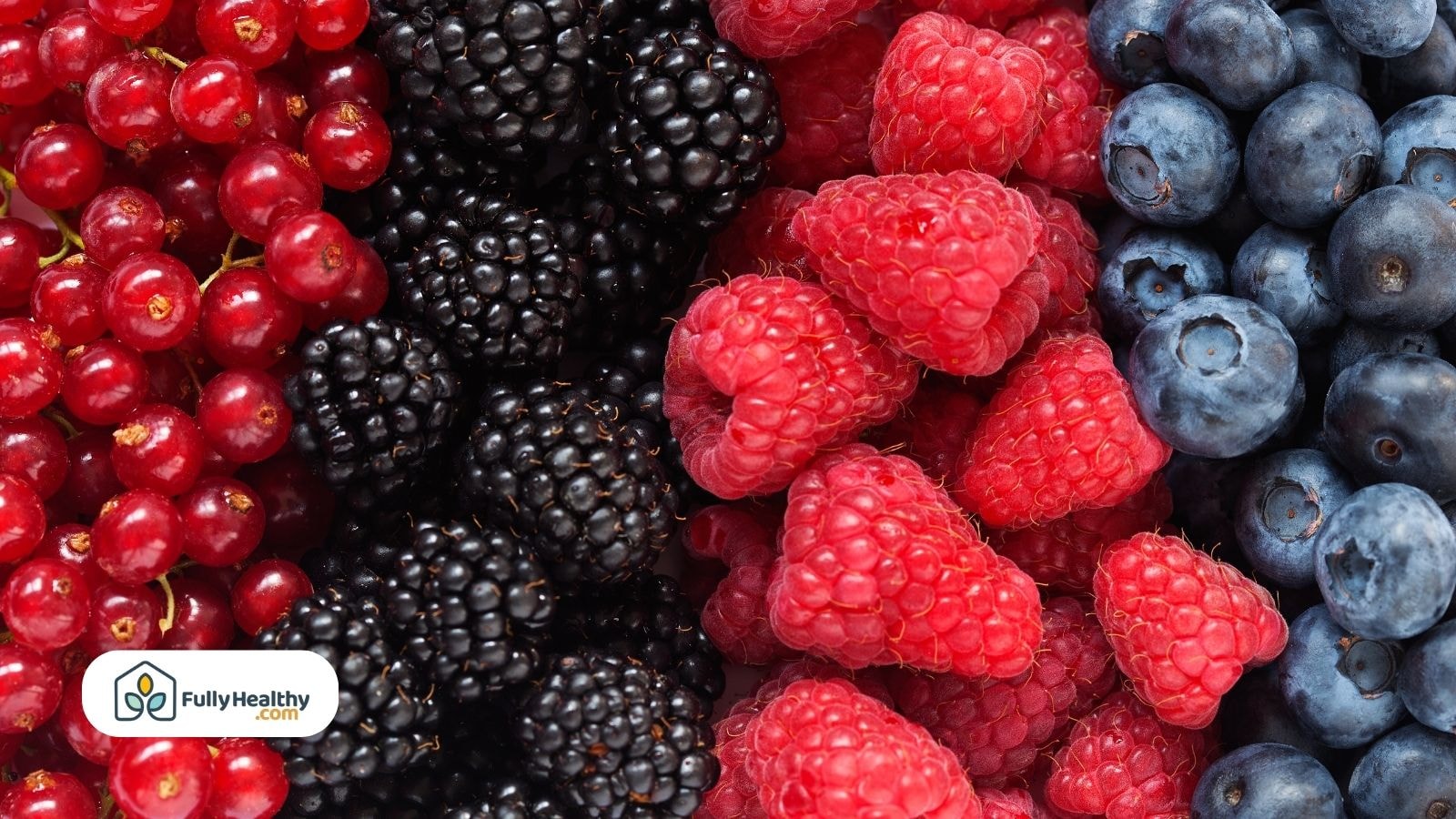 Photo Credit: Canva Pro
Ranking Berries From Most to Least Acidic
Cranberries are very acidic because they have the lowest pH level of all the berries. Blueberries and blackberries are better for people with sensitive stomachs because they are less acidic.
-
Cranberries: pH 2.3–2.5. Highly acidic, similar to cranberry juice and soft drinks.
-
Strawberries: pH 3.0–3.9. Acidic and often worsens acid reflux.
-
Raspberries: pH 3.2–4.0. Slightly less acidic than strawberries.
-
Blueberries: pH 3.1–3.6. Considered acidic, though many tolerate them better due to lower total acid content.
-
Blackberries: pH 3.9–4.5. Closer to considered neutral and gentle on digestion.
Best Berry Options for Acid-Sensitive Diets
Those managing acid reflux or enamel sensitivity should choose berries with higher pH levels, and pair them with alkaline foods for balance.
-
Choose blackberries or blueberries: These have lower acid levels and are better tolerated.
-
Combine smartly: Eat berries with low fat yogurt, oats, or leafy greens to neutralize acidity.
-
Avoid eating berries alone: Combining them with other food groups helps protect teeth and stomach.
-
Monitor food intake: Limit frequency and portion size if you notice reflux or enamel discomfort.
-
Ripe London advice: Blueberries are among the best berry choices for reducing acid problems.
Are Raspberries Good for Your Gut?
 Photo Credit: Canva Pro
Fiber Content and Prebiotic Benefits
Every cup of raspberries has about 7 grams of fiber, which makes them one of the best fruits for teeth and gums. Their fiber feeds the good bacteria in your gut, which is called prebiotics.
-
High in fiber: Helps regulate digestion and promote gut balance.
-
Prebiotic effect: Feeds beneficial bacteria and supports microbiome health.
-
Gut-friendly nutrients: Includes antioxidants and vitamin C that support immune and gut function.
-
Part of a balanced diet: Works well with whole grains, vegetables, and lean proteins.
-
Health benefits: Supports digestion, lowers blood sugar spikes, and improves food absorption.
Low-FODMAP and Digestion-Friendly
There aren't many FODMAPs in raspberries. FODMAPs are carbs that can make sensitive people bloated. They are a great choice for people with IBS or mild acid reflux because of this.
-
FODMAP explained: Short for fermentable oligosaccharides, disaccharides, monosaccharides, and polyols.
-
Raspberries are low-FODMAP: Well tolerated by people with gut sensitivity or digestive issues.
-
Eating tip: Combine raspberries with other low acid fruits like bananas or papaya for easier digestion.
-
Nutrition experts: Registered dietitians often recommend raspberries for digestive health.
-
Foods high in fiber and antioxidants: Raspberries support multiple systems, including digestion and immunity.
What Organ Do Raspberries Help?
 Photo Credit: Canva Pro
Raspberries and Heart Health
Raspberries have a lot of fiber and antioxidants, which are both good for your heart. The polyphenols in them may lower bad cholesterol levels and reduce inflammation.
-
Heart support: Fiber improves cholesterol and antioxidants reduce blood pressure.
-
Polyphenols benefits: Help relax blood vessels and reduce clot formation.
-
Blood sugar impact: Raspberries support stable blood sugar, benefiting overall heart health.
-
Registered dietitian advice: Include raspberries as part of a diet with whole grains and vegetables.
-
Dietary pattern: Raspberries complement alkaline foods and lean proteins for heart-friendly meals.
Support for Brain and Liver
Raspberries have compounds in them that may help keep your brain healthy. Their antioxidant content also helps the liver's natural process of getting rid of toxins.
-
Cognitive function: Antioxidants protect neurons and improve memory-related pathways.
-
Liver health: Nutrients in raspberries assist the liver in neutralizing toxins.
-
Oxidative stress reduction: Polyphenols help slow cellular damage in brain and liver.
-
Malic acid and vitamin C: Improve metabolic function and overall organ health.
-
Medical News Today: Notes raspberry benefits for long-term brain and liver support.
Shop Smarter with FullyHealthy
What Is FullyHealthy?
FullyHealthy is an online store that sells foods and other items that are good for your health. It focuses on real foods and choices that are good for you in every food group.
-
E-commerce focus: Curates low-acid, high-nutrition products for sensitive diets.
-
Targeted for wellness: Ideal for those managing acid reflux or specific health conditions.
-
Clean label approach: Products often free from added sugars, dairy, and gluten.
-
Product variety: Includes snacks, pantry staples, cereals, and fruit-based options.
-
Mission: Support a balanced diet through accessible, nutritious foods.
Berry-Powered Product Picks
A low acid diet works great with a number of FullyHealthy products that are made with berries. They're made to be lightweight on the stomach and packed with nutritional value.
-
St. Dalfour Red Raspberry Conserves: 100% fruit-based with no added sugar, only the natural sweetness of grape juice. AIP, paleo, and non-GMO compliant.
-
Elements Truffles Raspberry Artisanal Chocolate: A unique blend of fine chocolate with raspberry and beetroot, rooted in Ayurveda. Gentle on digestion and made with natural ingredients.
-
Lovebird Grain-Free O’s Cereal (Fruity): Made with organic strawberry juice powder and beet juice. Free from grains, added sugar, and dairy, ideal for sensitive stomachs.
-
St. Dalfour Wild Blueberry Conserves: Made without preservatives or refined sugars. A clean-label spread that pairs perfectly with oats or whole grains.
Final Thoughts
Even though raspberries are an acidic food, they are still very good for you if you eat them the right way. Some foods, like whole grains, dairy, or low-acid fruits like apples, can help people who have acid reflux or problems with their teeth still eat berries like raspberries.
They are full of good things for you, like vitamin C and some lactic acid, which is good for your body and digestion. Mix raspberries with leafy greens and calcium-rich foods to help your body's pH level. Stay away from more sugar and white wine. Eat with intention.
FAQs
Are raspberries acidic foods or alkaline?
Raspberries are acidic foods with a pH between 3.2–4.0 and are not alkaline, but some people tolerate berries better than citrus fruits.
Are raspberries ok for acid reflux?
Raspberries may worsen acid reflux symptoms because of their stomach acid effect, but certain foods like dairy or whole grains can help tolerate berries.
Do raspberries have citric acid or lactic acid?
Raspberries contain citric and malic acids, which contribute to their tart flavor and acidity.
Can raspberries cause health problems if I eat more sugar?
Eating raspberries with more sugar or white wine may cause acid build-up, enamel erosion, or digestive health problems in sensitive people.
Do family physicians recommend raspberries for calcium and digestion?
Dietitians often recommend combining acidic fruits like raspberries with calcium-rich foods to reduce potential enamel impact.
Leave a comment