

Are Tomatoes Low FODMAP? What You Can Eat Without Triggering IBS
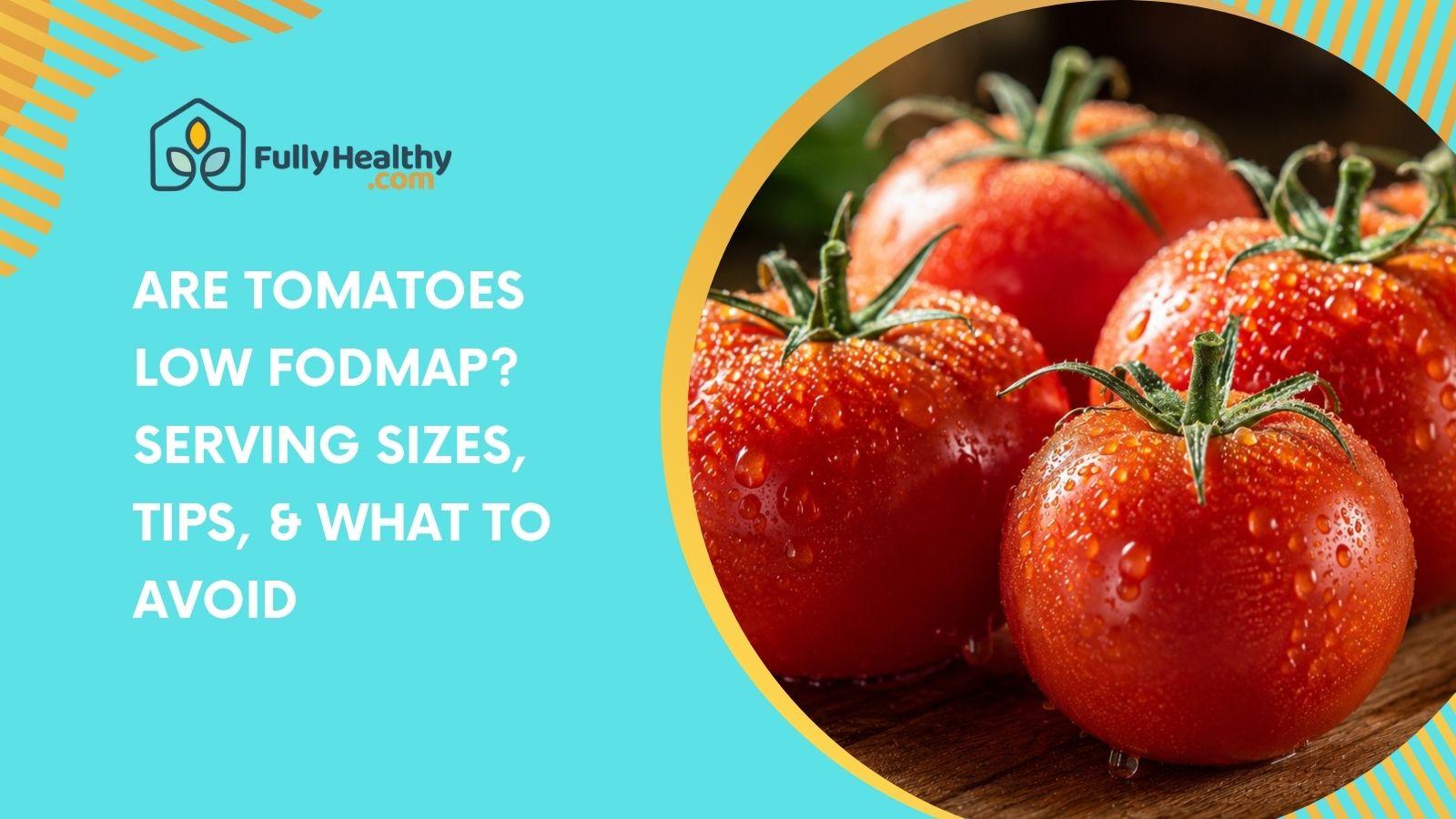
Are tomatoes low FODMAP? Yes, most fresh tomatoes are low FODMAP when eaten in the right serving sizes. However, some tomato products can become high in FODMAPs because of concentrated tomatoes or added ingredients like garlic and onion.
This guide explains which tomatoes fit a Low FODMAP Diet, recommended serving sizes, vegetables that are less likely to trigger IBS, and how to choose suitable tomato-based products.
Are Tomatoes Low FODMAP?
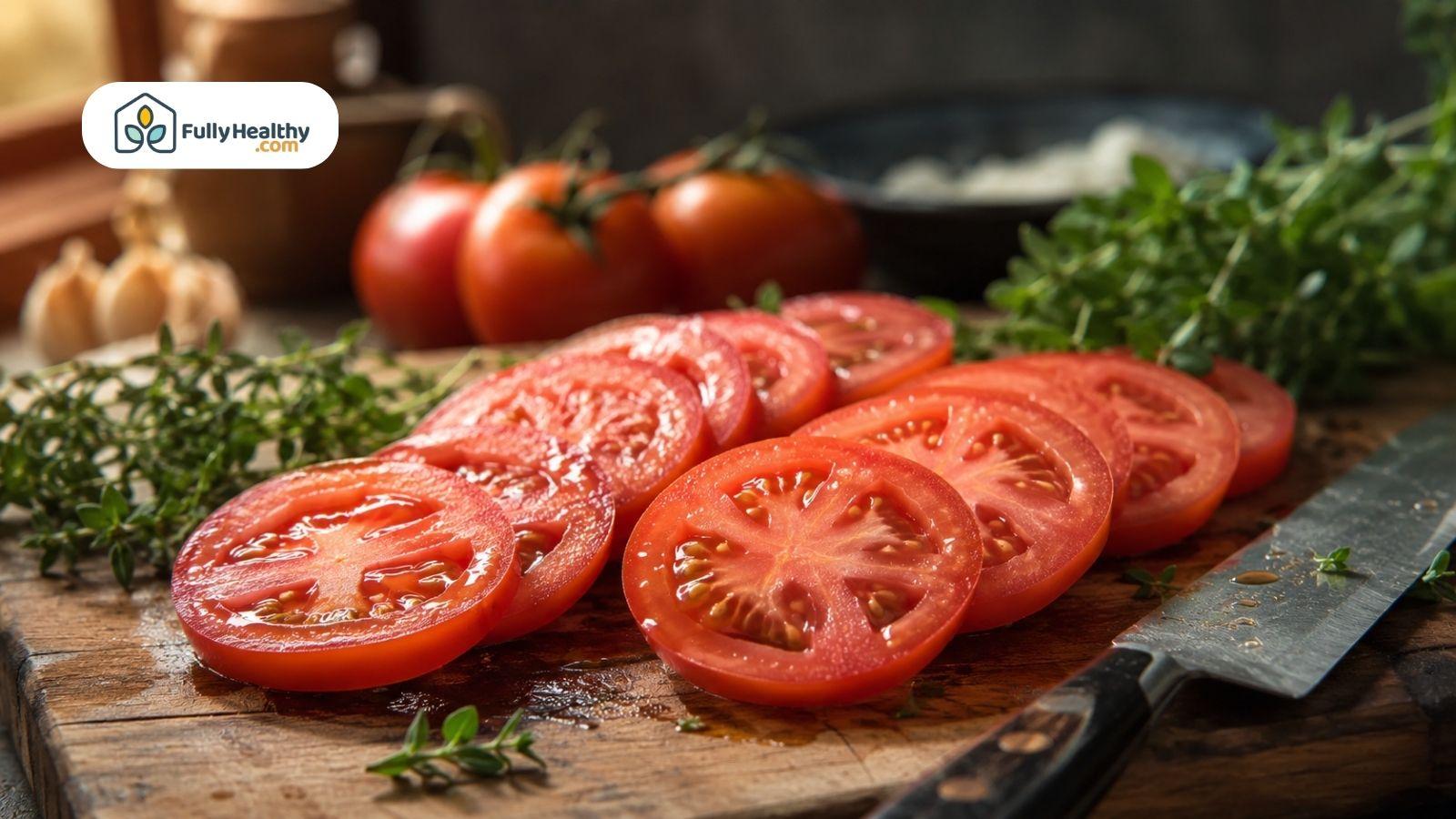
Yes, tomatoes are generally low FODMAP when eaten in appropriate serving sizes. Most fresh tomatoes fit into a low FODMAP diet, although larger servings and processed tomato products may contain higher FODMAP levels.
Understanding Tomatoes on a Low FODMAP Diet
Fresh tomatoes are low in FODMAPs at tested serving sizes, making them suitable during the elimination phase. Depending on the variety or product, larger servings may contain excess fructose or fructans.
-
Fresh Tomatoes: Common tomatoes, Roma tomatoes, and cherry tomatoes are considered low FODMAP in tested amounts.
-
Portion Size: Larger servings increase FODMAP content.
-
Low FODMAP Diet: Tested serving sizes help manage digestive symptoms.
-
Health Benefits: Tomatoes provide vitamin C, potassium, and lycopene.
-
Digestive Health: Fresh tomatoes fit into a balanced eating plan.
Reasons Tomatoes May Still Cause Symptoms
Tomatoes are not always the cause of digestive discomfort. Symptoms may also relate to tomato acidity, individual sensitivity, portion size, or added garlic and onion, although the cause varies between individuals.
-
Garlic and Onion: Common high FODMAP Ingredients in tomato sauce and pasta sauce.
-
Food Intolerance: Salicylates, amines, and glutamates may contribute to symptoms.
-
Tomato Products: Check labels for garlic, onion, inulin, concentrated fruit ingredients, and sweeteners containing excess fructose.
-
FODMAP Stacking: Several low FODMAP Foods eaten together can increase the total FODMAP load.
-
Ingredient Labels: Plain products are usually the better choice.
What Kind of Tomatoes are Low in FODMAP?

Common tomatoes, truss tomatoes, Roma tomatoes, cherry tomatoes, yellow tomatoes, and plain canned tomatoes are all considered low FODMAP in tested serving sizes. Following the recommended gram measurements helps keep FODMAP content within the tested range.
Low FODMAP Serving Sizes for Different Tomato Varieties
Fresh tomatoes have different Low FODMAP serving sizes depending on the variety. Following the tested gram measurements helps keep FODMAP content low while allowing you to enjoy tomatoes as part of a diet.
-
Common (Beefsteak) Tomatoes: ½ medium tomato, about 65 g.
-
Truss Tomatoes: ½ medium tomato, about 69 g.
-
Roma Tomatoes: ½ small Roma Plum tomato, about 48 g.
-
Cherry Tomatoes: 3 medium Cherry Tomatoes, about 45 g.
-
Yellow Tomatoes: Up to 100 g.
-
Canned Tomatoes: ½ cup plain Canned Tomatoes, about 100 g, with no Garlic or Onion.
-
Portion Size: Larger servings increase fructose intake and may raise FODMAP levels.
Tomato Products That Require Portion Control
Fresh tomatoes are usually easier to include than concentrated tomato products because processing can increase FODMAP content or add High FODMAP Ingredients. Always check ingredient labels before choosing tomato sauce, pasta sauce, or other tomato-based Products.
-
Tomato Paste: Low FODMAP in small servings but concentrated, so portion size matters.
-
Tomato Sauce: Plain varieties without garlic and onion are the better choice.
-
Pasta Sauce: Commercial pasta sauces often contain garlic or onion and may contain sweeteners with excess fructose.
-
Salsa: Some salsas include High FODMAP ingredients even if tomatoes are the main ingredient.
-
Sun-Dried Tomatoes: Concentrated tomatoes require smaller servings than fresh tomatoes.
-
Tomato-Based Products: Review ingredient labels to avoid unnecessary FODMAPs.
What Vegetables Don't Trigger IBS?
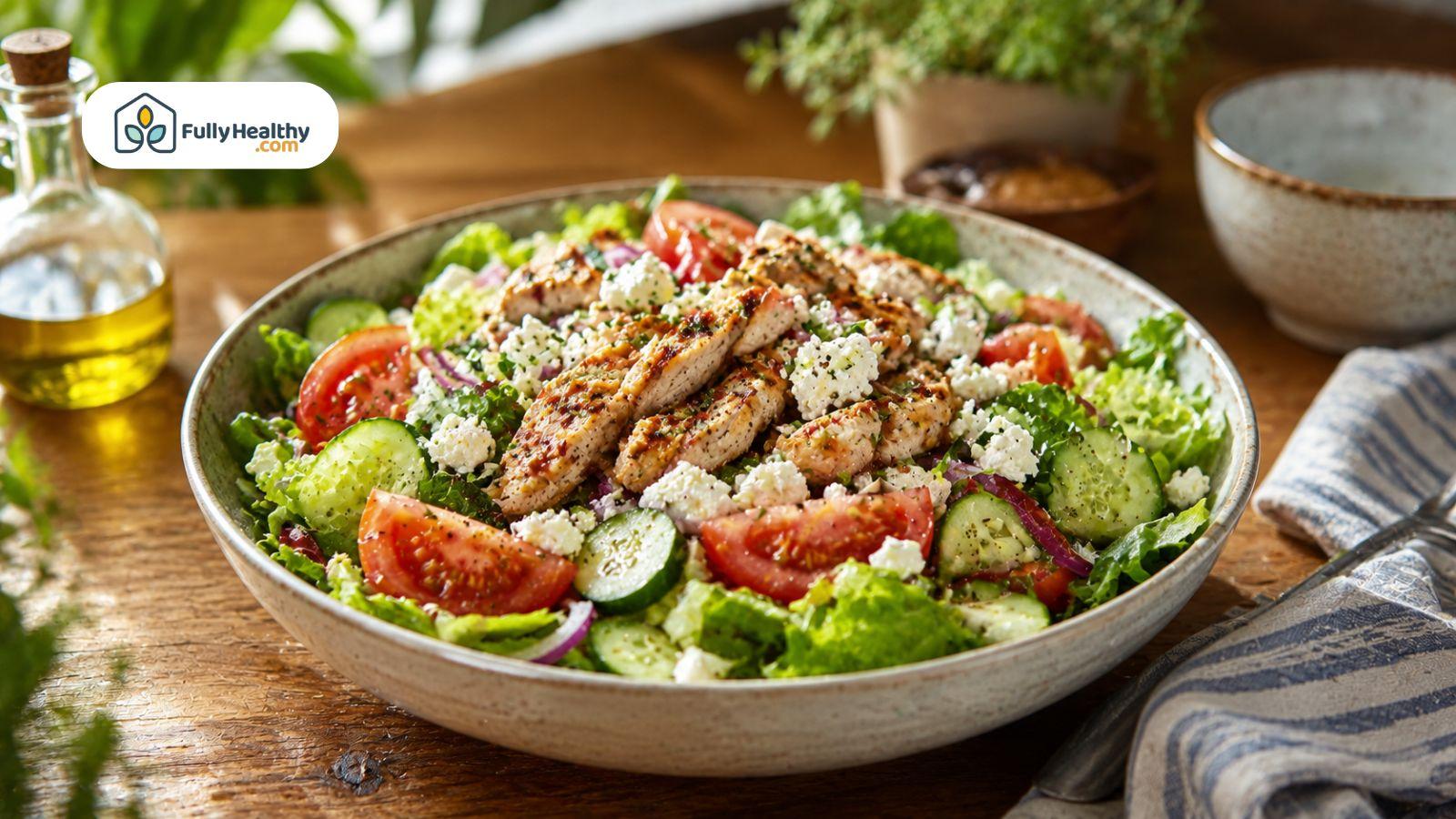
Carrots, spinach, lettuce, cucumbers, zucchini, green beans, and Bell Peppers are among the vegetables commonly tolerated in appropriate serving sizes.
Vegetables Commonly Tolerated with IBS
Low FODMAP Vegetables contain lower amounts of fermentable carbohydrates, making them suitable during the elimination phase. Individual tolerance still varies, so introducing foods gradually helps identify personal trigger foods.
-
Carrots: A versatile vegetable for salads, soups, and side dishes.
-
Spinach: Naturally low FODMAP and rich in vitamins and minerals.
-
Bell Peppers: Red, yellow, and green Bell Peppers pair well with tomatoes in Low FODMAP Recipes.
-
Cucumber: A refreshing option for salads and snacks.
-
Zucchini: Suitable in moderate servings for many Low FODMAP meals.
-
Lettuce: An easy base for salads with fresh tomatoes and olive oil.
Building Balanced Low FODMAP Meals
Balanced meals combine Low FODMAP Vegetables with lean protein, healthy fats, and suitable carbohydrates while reducing FODMAP Stacking. Keeping serving sizes in check allows you to include more foods without exceeding your personal tolerance.
-
Lean Protein: Pair vegetables with chicken, fish, eggs, or tofu.
-
Olive Oil: Adds flavor without increasing FODMAP content.
-
Suitable Carbohydrates: Rice, potatoes, and quinoa complement Low FODMAP vegetables.
-
FODMAP Stacking: Avoid combining several moderate FODMAP foods in one meal.
-
Meal Variety: Mix different Low FODMAP foods to support digestive health and overall nutrition.
What Vegetables Should I Avoid on a Low FODMAP Diet?
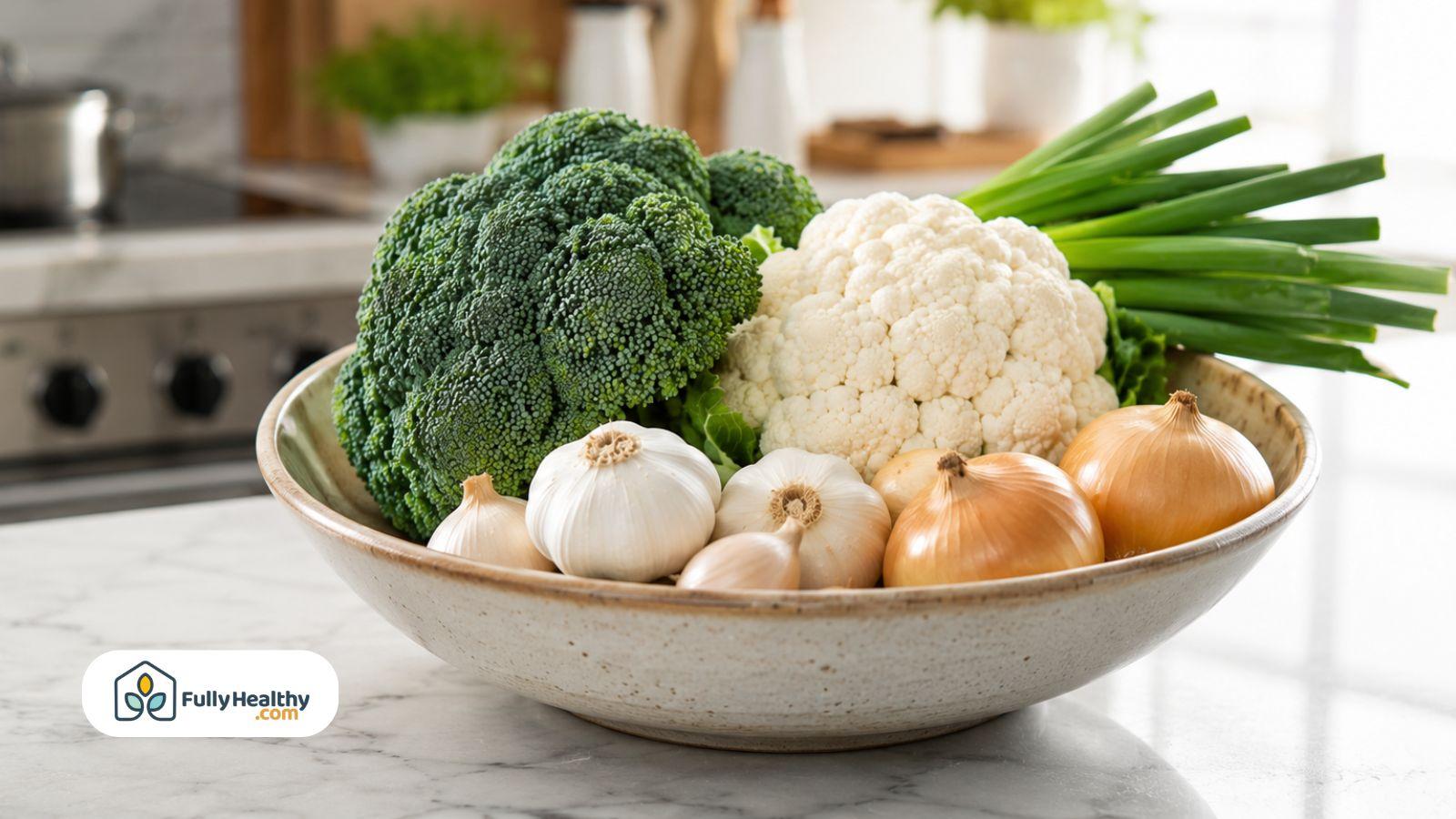
Certain vegetables contain higher amounts of fermentable carbohydrates that can trigger digestive symptoms during the elimination phase. Limiting these High FODMAP Foods first helps identify which foods your body tolerates.
Vegetables That Are High in FODMAPs
High FODMAP vegetables are typically rich in fructans, galacto-oligosaccharides (GOS), or polyols. These carbohydrates are poorly absorbed and may contribute to bloating, gas, and abdominal discomfort in people with Irritable Bowel Syndrome.
-
Garlic and Onion: The most common High FODMAP Ingredients and frequent IBS triggers.
-
Cauliflower: High in polyols when eaten beyond small servings.
-
Mushrooms: Several varieties contain high amounts of polyols.
-
Asparagus: Naturally high in fructans.
-
Artichokes: Contain large amounts of fructans.
-
Elimination Phase: Limit High FODMAP Foods first before gradually reintroducing them.
Managing Vegetable Choices During Elimination
The elimination phase is only the first step of a Low FODMAP Diet and is not intended to be permanent. Foods are gradually reintroduced to identify personal trigger foods while expanding the diet as much as possible.
-
Reintroduction: Add one food back at a time to monitor digestive symptoms.
-
Portion Size: Continue following tested serving sizes during each challenge.
-
Food Groups: Test fructose, lactose, fructans, GOS, sorbitol, and mannitol separately.
-
Digestive Health: A varied diet supports better long-term nutrition.
-
Professional Guidance: A registered dietitian can help personalize your Low FODMAP Diet.
Shop Specialty Foods at FullyHealthy
FullyHealthy offers specialty foods for gluten-free, allergen-friendly, Paleo, AIP, and other dietary lifestyles. While not every product is Low FODMAP, the store provides options that can fit different dietary needs when ingredients are carefully reviewed.
Supporting a Wide Range of Dietary Needs
FullyHealthy carries products designed for a variety of food preferences and ingredient restrictions. Reviewing ingredient labels remains important because suitability depends on the product rather than the store itself.
-
Specialty Foods: Includes gluten-free, grain-free, Paleo, AIP, and allergen-friendly products.
-
Ingredient Labels: Always check for Garlic, Onion, legumes, and other High FODMAP Ingredients.
-
Dietary Choice: Select products that match your individual eating plan.
-
Convenience: Specialty foods make meal planning easier.
-
Balanced Eating: Pair packaged foods with fresh ingredients whenever possible.
Tomato and Tomato-Free Product Options
FullyHealthy offers both tomato-based and tomato-free products, giving you more flexibility in the kitchen. Ingredient lists vary, so checking each product before purchasing helps you stay within your dietary goals.
-
KC Natural Garden Cherry Tomato-Free Salsa: A tomato-free salsa that offers a flavorful alternative to traditional tomato-based salsa.
-
KC Natural Carrup Tomato-Free Ketchup: A tomato-free ketchup made for anyone looking to replace traditional ketchup.
-
KC Natural Traditional Style Tomato-Free Pasta Sauce: A tomato-free pasta sauce designed for classic pasta dishes without tomatoes.
-
Foods Alive Italian Zest Flax Crackers: Flax crackers seasoned with Italian herbs that pair well with dips, soups, or salads.
-
Wild Zora Quick Quinoa Meal Baja Citrus: A ready-to-make quinoa meal featuring tomatoes, lime, and cilantro.
-
Wild Zora Instant Soup: A tomato basil soup containing chickpeas, garlic, and onion, so review the ingredients if you're following a Low FODMAP Diet.
-
Wild Zora Quick Quinoa Meal Fiesta: A hearty quinoa meal with beef, tomatoes, bell peppers, and sweet potato.
-
Wild Zora Quick Quinoa Meal Greek: A Mediterranean-inspired quinoa meal made with lentils, tomatoes, spinach, and green olives.
Final Thoughts
Tomatoes can fit into a Low FODMAP Diet when eaten in the right amounts. Choose tomato products carefully. Always check ingredient labels before buying or cooking. Tomato based pasta sauce, tomato chutney, diced tomatoes, vegetable based tomato juice, tomato puree, ripe tomatoes, and unripe tomatoes can all vary in FODMAP content. Start with a small portion, then adjust your serving based on your own tolerance and symptoms.
FAQs
Are tomatoes good for IBS sufferers?
Fresh tomatoes have low-FODMAP servings and may be tolerated by some people with IBS, but individual responses vary.
What is the most common FODMAP trigger?
Garlic and onion are common dietary sources of fructans, but the most important FODMAP trigger differs between individuals.
Can I eat fresh tomatoes if I have IBS?
Yes, fresh tomatoes are generally low FODMAP, but start with a small portion and increase only if tolerated.
Who should stay away from tomatoes?
People with a tomato allergy, a diagnosed food intolerance to tomatoes, or those whose symptoms consistently worsen after eating tomatoes should avoid them.
Are canned tomatoes low FODMAP?
Plain canned tomatoes can be low FODMAP in recommended serving sizes, but always check for added garlic, onion, or other high FODMAP ingredients.
Leave a comment