
Can Bearded Dragons Eat Carrots? Safe Feeding Guide for Owners

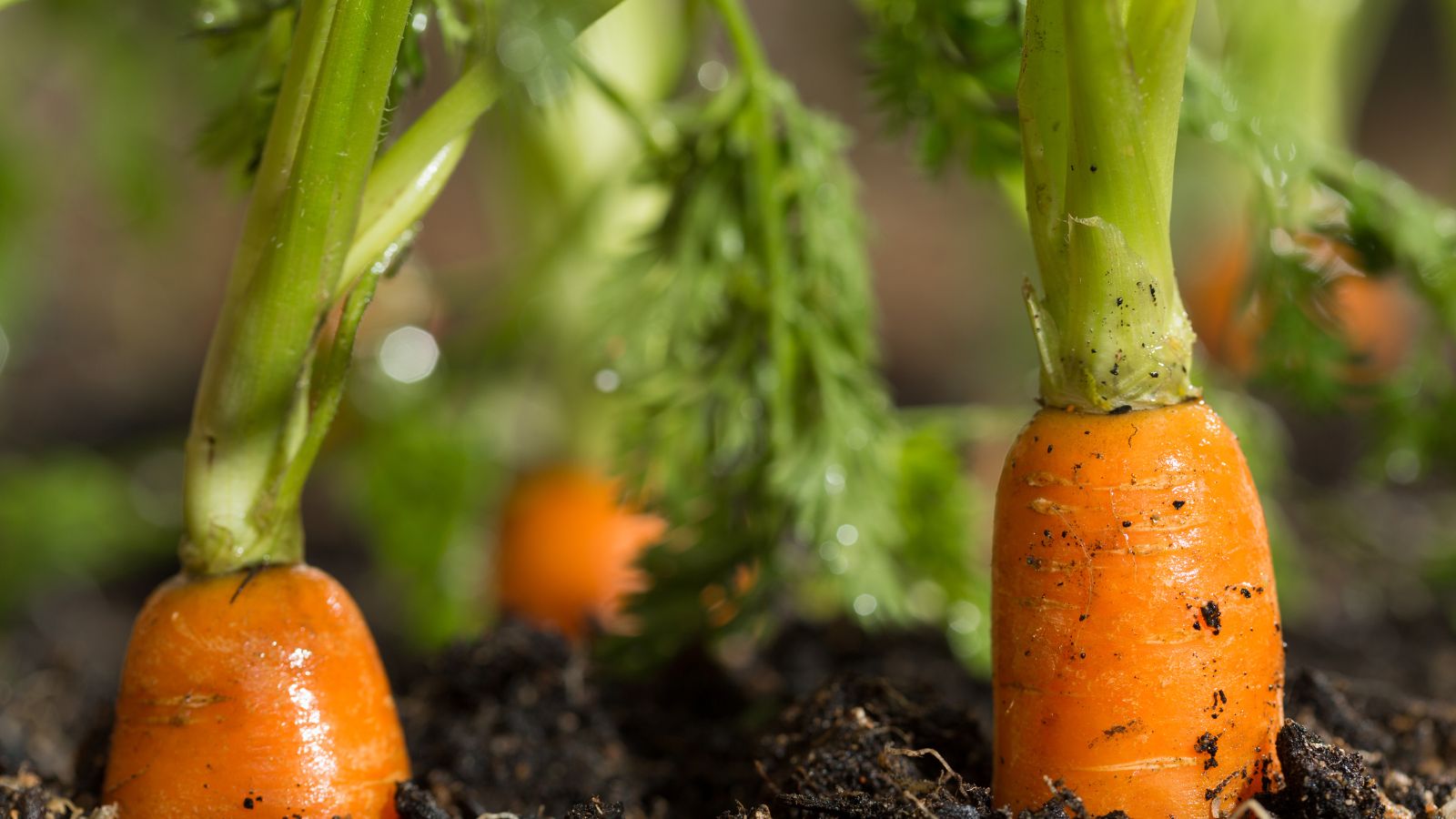
Bearded dragons can eat a little carrot here and there. Carrots are safe to eat and bring you vitamins, like A. But too much can be bad for your health.
How often should you feed your bearded dragon carrots? What vegetables should you avoid? What is poisonous? What should your bearded dragon eat every day? We'll also talk about FullyHealthy products for pet owners and answer some of the most common questions about taking care of a bearded dragon.
🌿 Click Here for a Clean, Hearty Lentil Soup Made for Real Wellness!
Can Bearded Dragons Eat Carrots?

Feeding bearded dragons the right vegetables is important for their health. You can eat small amounts of carrots without getting sick. Bearded dragons, both babies and adults, can eat them as treats but not every day.
Are Carrots Safe for Bearded Dragons to Eat?
Bearded dragons can eat carrots occasionally, but they should be limited due to their moderate oxalate content and high Vitamin A, which can cause toxicity when overfed. But to keep people healthy, they should only be eaten raw a few times a week.
-
Safe in small amounts: Carrots should be an occasional treat, not a daily food.
-
Raw carrots only: Avoid cooked carrots, not because they lose all nutrition, but because raw carrots retain fiber and are easier to monitor for sugar content and calcium balance.
-
Grate before feeding: Use a cheese grater to make small pieces for easy chewing.
-
Avoid store-bought baby carrots: They may contain preservatives that are unsafe.
Nutritional Value and How Often to Feed Carrots
Vitamins A and beta-carotene are found in carrots. These vitamins help keep your skin healthy and your immune system strong. Too much, though, can be bad, like Vitamin A toxicity.
-
Feed 1–2 times per week: Carrots should not replace leafy greens in the diet.
-
Good for the immune system: Beta-carotene supports vision and skin health.
-
Use calcium powder: Dust carrots to help prevent metabolic bone disease.
-
Carrot tops in moderation: It should be avoided or fed rarely due to their high oxalate content, which can interfere with calcium absorption and increase the risk of metabolic bone disease.
What Vegetables Can a Bearded Dragon Not Eat?

Not every vegetable is good for your pet bearded dragon. Some can make you sick, and others don't give you enough nutritional benefits. You should know which ones to stay away from.
Vegetables That Are Unsafe or Toxic for Bearded Dragon Diet
Some vegetables may not be good for your dragon's health or even be poisonous. These foods should never be given to baby beardies or adults.
-
Avoid toxic vegetables: Rhubarb, avocado, and eggplant are poisonous.
-
Skip garlic and onions: These are toxic to bearded dragons and can cause hemolytic anemia and gastrointestinal distress.
-
No mushrooms: They contain chemicals that are harmful to reptiles.
Veggies That May Cause Digestive or Nutrient Problems
Others aren't poisonous, but they low nutritional content or can throw your body's balance off. Rarely, if ever, feed these.
-
Iceberg lettuce: Mostly water and can cause diarrhea.
-
Spinach: Blocks calcium absorption and can weaken bones.
-
Tomatoes and citrus fruits: These are best avoided due to their low calcium-to-phosphorus ratio and high acidity, which can disrupt digestion and mineral balance.
What is Toxic for a Bearded Dragon?

Bearded dragons can die from a few common foods and plants. Even bugs that look harmless could carry parasites or poisons that are bad for you. For your pet's health, you need to know what's poisonous.
Foods, Plants, and Insects That Are Poisonous
Some bugs and plants around the house might not seem dangerous, but they can be very bad for bearded dragons. Don't give them anything that hasn't been proven safe.
-
Never feed wild bugs: They may have parasites or pesticides.
-
Avoid fireflies and ladybugs: These are highly toxic and can kill your dragon.
-
Stay away from harmful plants: Ivy, azalea, mistletoe, and oak are all dangerous.
Environmental and Supplement-Related Hazards
Mistakes like giving your dragon the wrong supplement or feeding it in the wrong way can also hurt it over time.
-
Limit Vitamin A: Too much, especially from carrots and supplements, can be toxic.
-
Always use calcium powder: It helps prevent metabolic bone disease.
-
Don’t use loose sand: Your dragon might swallow it and get impacted.
-
Stick to popular feeder insects: Use dubia roaches and crickets for safe protein.
What Do Bearded Dragons Eat Daily?

Bearded dragons should eat based on their age and nutritional needs to stay healthy. Adult bearded dragons do well on greens and vegetables, but baby bearded dragons need more protein from bugs. Giving them the right food helps them grow and stays strong.
Daily Feeding Ratios for Juveniles vs Adults
As bearded dragons get bigger, they change the way they eat. Beardies need more bugs when they are young, but as they get older, vegetables become the main thing they eat.
-
Juvenile dragons: Feed 80% insects and 20% vegetables for proper growth.
-
Adult dragons: Serve 80% vegetables and 20% insects to prevent obesity.
-
Feeding frequency: Baby dragons eat 2–3 times a day, adults 1–2 times daily.
-
Watch the portion size: Avoid large quantities—only feed what they can eat in 10–15 minutes.
Best Daily Greens, Veggies, and Insects
Greens, vegetables, and insects are all safe to eat every day. Natural, fresh foods are good for your dragon's health and energy.
-
Top leafy greens: Turnip greens, dandelion greens, and collard greens provide vitamins and calcium.
-
Nutritious vegetables: Bell peppers, squash, and carrots (as an occasional treat) add variety.
-
Most popular feeder insects: Use dubia roaches, crickets, and mealworms for protein.
-
Fruit in small amounts: Prickly pears and apricot blackberries can be offered rarely due to sugar content.
How FullyHealthy Supports Bearded Dragon Owners
FullyHealthy sells clean, allergen-free foods made for people who have to stick to strict diets like Paleo or AIP. Even though their products aren't for reptiles, they support the healthy lifestyle that a lot of people who have exotic pets live.
AIP-Friendly Products With Ingredients Like Carrots
FullyHealthy has products made from natural ingredients like carrots and greens that are healthy for humans, though they are not formulated for bearded dragons and should not be fed to them. People who want to eat healthy while taking care of their pets will love these.
-
Wild Zora Savoy Beef Soup: Made with carrots, beets, and cabbage—simple and wholesome.
-
Wild Zora Lemon Chicken Soup: Includes carrots, green onion, and dill for a light, tasty option.
-
Wild Zora Carrot Cake Hot Cereal: Contains real carrots, flaxseed, and dates for natural sweetness.
-
All products are for human consumption: These are not meant for animals but align with the lifestyle of many pet owners.
Wholesome Lifestyle Support for Exotic Pet Owners
Smart people should take care of their pets. FullyHealthy helps you stick to clean eating even when you're taking care of a bearded dragon as a pet.
-
Quick and easy meals: Helps busy pet owners save time in the kitchen.
-
No excessive sugar or fillers: Low sugar content helps avoid health issues.
-
Better than high water content snacks: Focuses on nutrient-dense ingredients.
-
Perfect for health-minded people: Great for humans who care for animals with special diets.
Final Thoughts
For long-term health, make sure you feed your bearded dragon the right mix of fruits, vegetables, and bugs. Carrots are safe as a treat once in a while, but never give too many. Leafy greens like kale, dandelion greens, and turnip greens should always be a part of their meals to help keep their bones healthy and their nutrition up to par.
Instead of giving them only worms or sweet fruits, make a salad with raw vegetables and the most popular feeder insects. For bearded dragon babies, bugs like dubia roaches are better for getting protein. Most of what adult bearded dragons eat should be plants.
If you feed your bearded dragon a variety of foods, it will have healthy skin, digestion, and a strong immune system. Great pets need great care, and feeding them right is the first step.
FAQs
Can bearded dragons eat kale and carrots together in a salad?
Yes, kale and carrots can both be included in a salad for your bearded dragon. Just make sure you don’t use excessive amounts of either, especially kale, since it can block calcium absorption.
Is it okay to feed baby bearded dragons worms daily?
Phoenix worms are a good source of calcium and safe for baby dragons. Mealworms should be limited due to their hard exoskeleton, which can cause impaction in juveniles. Just don’t use excessive amounts and always mix them with vegetables for balanced nutrition.
Can worms be part of a bearded dragon’s salad?
Worms are usually not part of a salad but can be served alongside it. Feed worms separately to keep veggies like kale, carrots, and greens clean and fresh.
What happens if I give my bearded dragon excessive amounts of carrots?
Feeding excessive amounts of carrots can cause too much Vitamin A, which affects your bearded dragon’s nutrition and may lead to health problems.
What’s the best way to give kale and worms to baby bearded dragons?
Serve small kale pieces mixed in a salad and worms like phoenix or silkworms on the side. This keeps nutrition balanced and prevents digestive issues.
Leave a comment