

Can Bunnies Have Cucumbers? What Rabbit Eats Daily
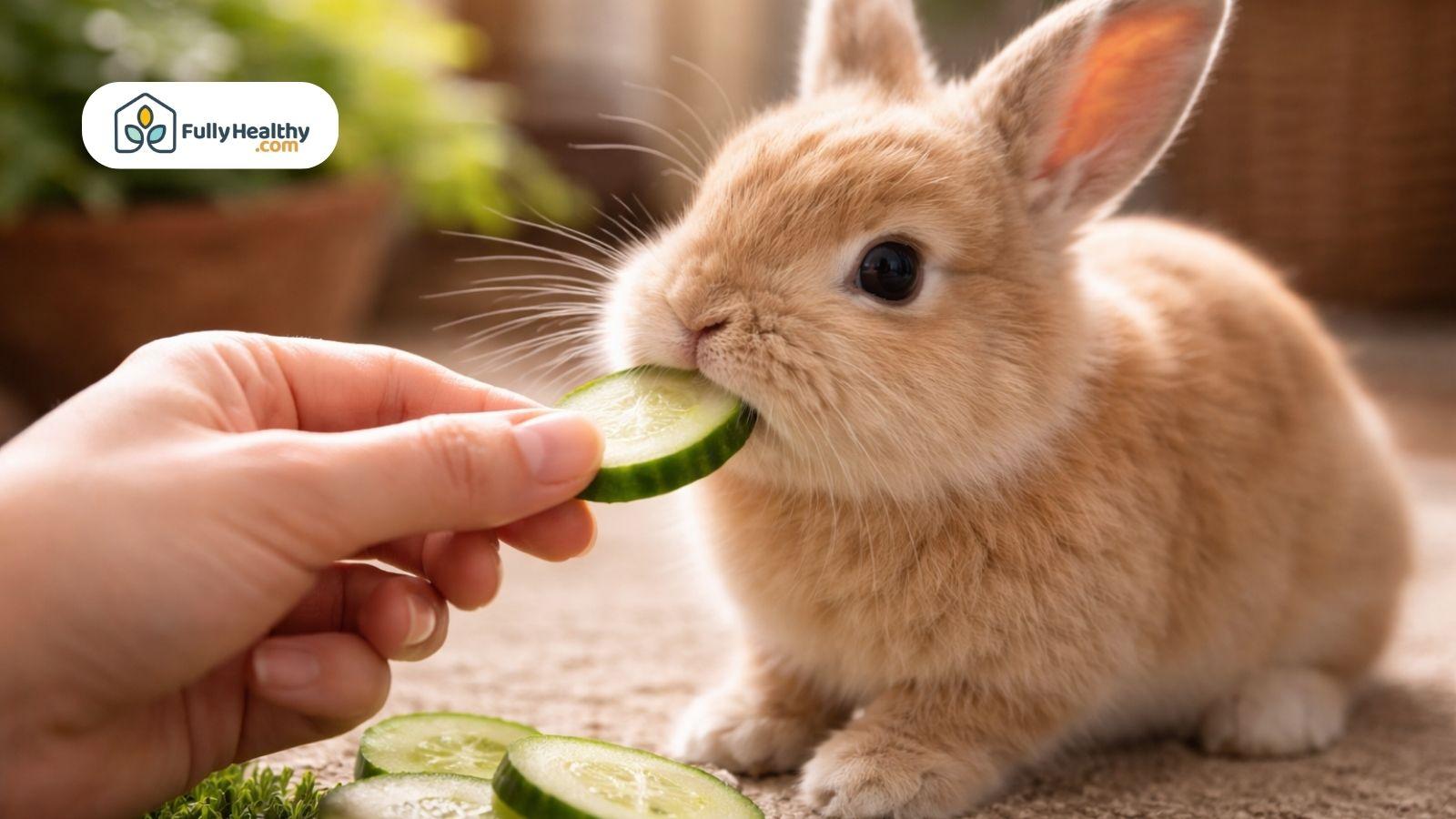
Rabbits need a careful diet to stay healthy, so many owners ask: Can bunnies have cucumbers? Yes, but only in small amounts. Since cucumbers are mostly water and not much fiber, giving them too many can make a rabbit's stomach upset.
This blog will tell you if rabbits can eat cucumbers, how much to feed them, what foods they shouldn't eat, and which vegetables are best for a healthy rabbit diet.
🧄 Satisfy Salty Cravings — Crisp Cucumber Chips with Garlic & Dill!
Can Bunnies Have Cucumbers?
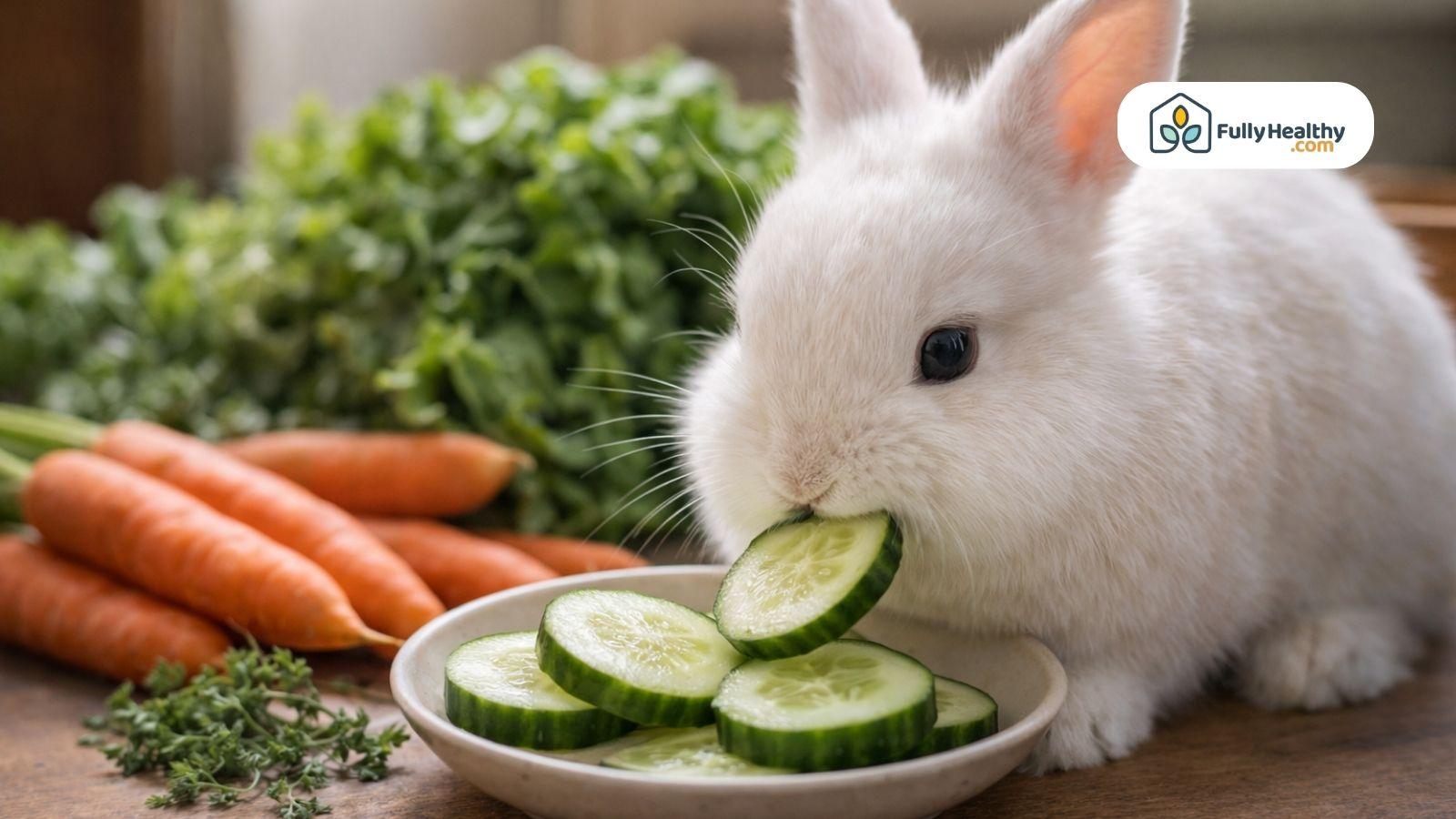
Pet owners often wonder if it's safe for rabbits to eat cucumber. To cut a long story short, rabbits can eat cucumbers, but not too much. Since cucumbers are mostly water and not much fiber, they should only be eaten as a treat once in a while and not every day.
A rabbit should still eat mostly hay and leafy greens to stay healthy. If you give it to your rabbit the right way, cucumber can be a cool treat that keeps your rabbit hydrated.
Is Cucumber Safe For Rabbits To Eat Regularly
Cucumber should not replace hay or leafy greens and should only be offered occasionally as a low-fiber treat. Since cucumbers are mostly water and low in fiber, excessive intake may disrupt a rabbit’s digestive balance. Most rabbits like this vegetable, but it's best to give them small amounts when adding new ones or fresh fruits and vegetables to their diet.
-
High Water Content: Cucumbers contain about 95% water, which makes them a hydrating snack for small pets, especially during hot days.
-
Digestive Balance: Too much cucumber may upset the rabbit's digestive system and lead to digestive issues.
-
Healthy Diet Base: Rabbits generally need hay, leafy greens like kale, and other vegetables for proper nutrients and vitamins.
-
Occasional Treat: Feeding cucumber works best as a refreshing treat rather than a food rabbits eat daily.
How Much Cucumber Can Bunnies Safely Eat
To feed a cucumber, it's a good rule to start small. Fresh vegetables are usually fine for adult rabbits to eat, but you should always introduce new foods slowly. Cut the cucumbers into thin slices and watch your rabbit to see if it gets sick before giving it more.
-
Serving Size: Offer small pieces or thin slices once or twice a week for adult rabbits.
-
Preparation Tip: Wash the cucumber skin carefully to remove pesticides before feeding fresh produce.
-
Cucumber Variety: English cucumbers are often easier for rabbits to eat because they have softer skin and fewer seeds.
-
Observation: If digestive issues appear, stop feeding cucumber and return to hay and fresh water until the rabbit feels normal again.
What Are Rabbits Not Allowed To Eat?
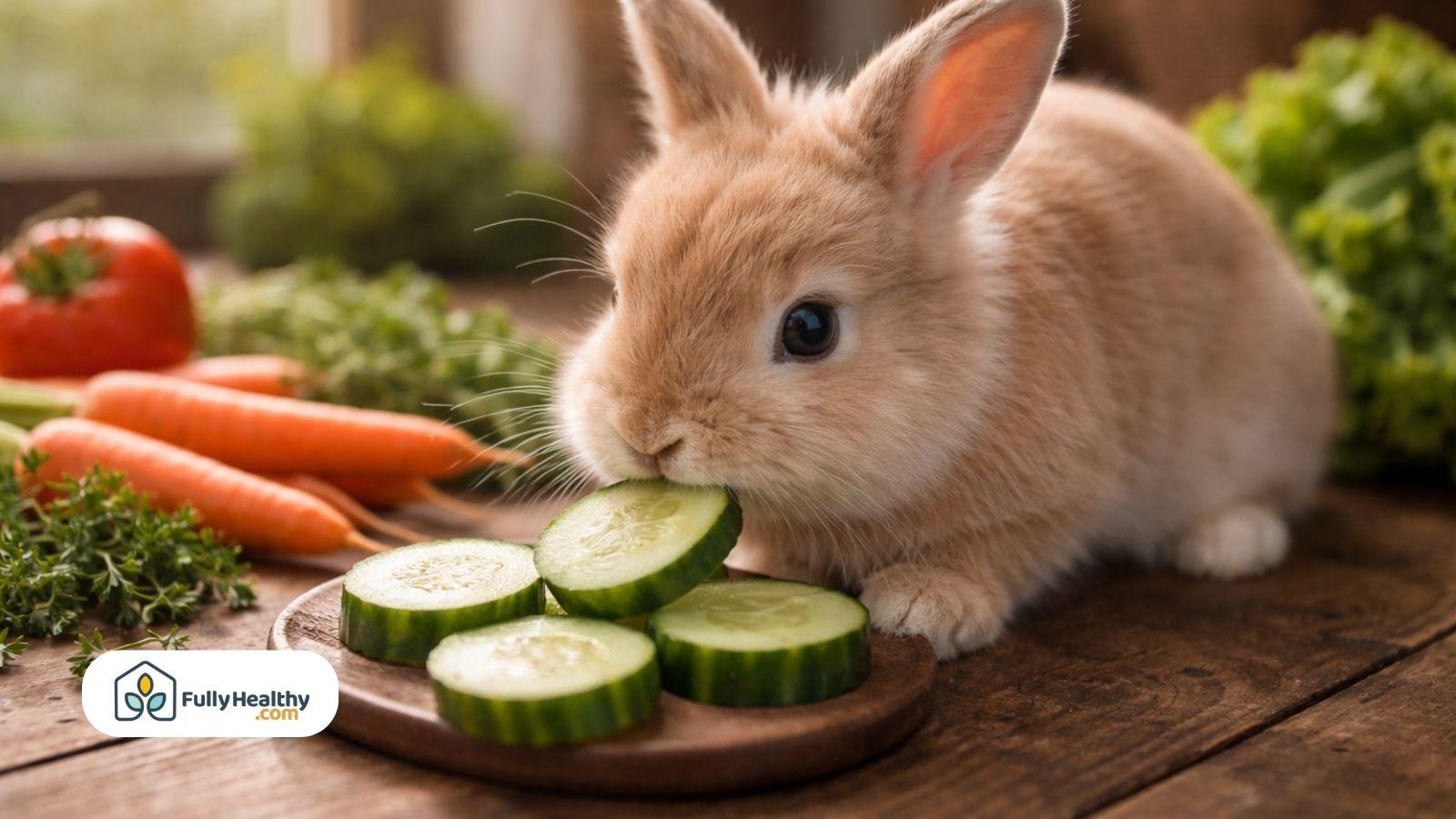
Rabbits primarily eat hay and leafy greens, while fruits should be given only in very small amounts as treats. Because their digestive system is sensitive, some things may make them very sick or upset their stomach. Do not feed your rabbit certain foods, as they can harm their health, and keep your rabbit safe.
Toxic Foods That Can Seriously Harm Rabbits
Some foods that people like are not safe for rabbits to eat. Rabbits can get sick from things like garlic, onions, and fruits with seeds. Some vegetables, like Iceberg lettuce has low nutritional value and may cause mild diarrhea in rabbits due to its high water content.
-
Avocado Risk: Avocado contains toxins that may affect breathing and heart health in rabbits.
-
Onions And Garlic: These vegetables may damage red blood cells and cause serious health problems.
-
Fruit Seeds: Seeds from fruits such as apples or peaches may contain harmful compounds and should always be removed.
-
Iceberg Lettuce: This lettuce has low nutrients and may cause digestive upset in rabbits.
Human Foods And Processed Items Rabbits Should Never Eat
Many snacks that people eat are bad for rabbits because they have too much sugar, starch, or fat. Processed foods can make your digestive system upset, which can make you fat or sick. Fresh vegetables, hay, and clean water should always be the main things that rabbits eat.
-
Processed Foods: Bread, chips, cookies, and sugary snacks may harm the rabbit's digestive system.
-
Animal Products: Meat, eggs, and dairy are not suitable for rabbits because they are plant eaters.
-
Cooked Vegetables: Rabbits should not be fed cooked vegetables, as cooking alters nutrient composition and may disrupt digestion.
-
High Sugar Fruits: Fruits like grapes or watermelon should only be given in small quantities as a treat.
What Is The 3-3-3 Rule For Bunnies?
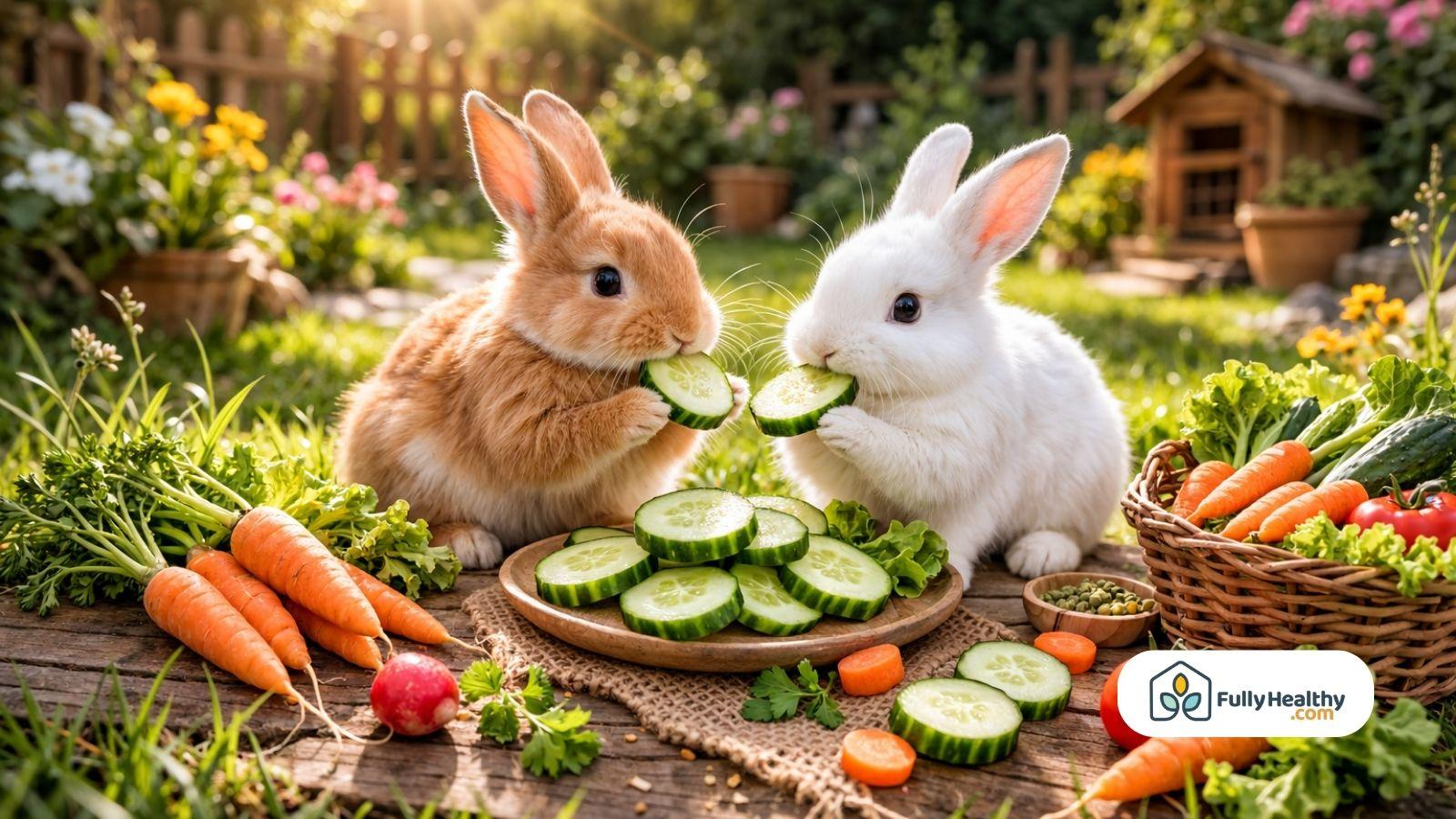
This rule is anecdotal and not scientifically validated for rabbits. This is to help them understand how their rabbit acts. Rabbits usually need some time to get used to big changes, like giving them new vegetables.
Understanding The 3-3-3 Rule For Newly Adopted Rabbits
Most rabbits get scared and hide for the first three days. After three weeks, they start to eat normally and look around their new home. After about three months, the rabbit usually feels at ease and starts to trust its owner.
How The 3-3-3 Rule Affects Feeding And Treats
Rabbits may have trouble digesting new vegetables if you give them too quickly. Before giving them foods like cucumber or carrot tops, owners should make sure that their feeding schedules stay the same. Slow changes help keep rabbits' stomachs healthy.
-
Stable Diet First: Feed rabbits mainly hay and provide fresh water during the early adjustment stage.
-
Slow Introduction: Add fresh vegetables or cucumber only after the rabbit feels comfortable.
-
Watch For Reactions: Monitor how the pet reacts to new foods before adding other veggies.
-
Healthy Routine: A balanced diet with leafy greens, carrots, celery, and small treats supports long-term health.
Are Any Vegetables Poisonous To Rabbits?
Many fresh vegetables are good for rabbits, but not all of them are safe for them. Because their stomachs are sensitive, the wrong plants could make them sick or upset their stomachs. People who have pets should know which vegetables are safe for them and which ones they should stay away from.
Picking the right vegetables is good for your health and keeps small pets safe from foods that are bad for them.
Vegetables And Plant Families That Can Be Toxic
Rabbits should not eat certain vegetables or plant parts. Tomato plant leaves and stems contain toxic compounds (e.g., solanine) and should not be fed to rabbits. Tomato plants should never be fed to rabbits. Ripe tomato fruit may be offered only in very small amounts as an occasional treat.
-
Tomato Plant Risk: The leaves and stems of tomato plants contain toxic compounds and should not be fed to rabbits.
-
Nightshade Family: Plants related to tomato belong to the nightshade family and may cause health issues in small pets.
-
Allium Vegetables: Foods such as onions and garlic can damage red blood cells and should never be fed to rabbits.
-
Sensitive Digestion: Because rabbits have a delicate digestive system, eating toxic plants can quickly cause illness or digestive upset.
Vegetables That Are Safe Alternatives To Cucumber
When served the right way, many vegetables are safe sources of nutrition. Rabbits eat many kinds of fresh fruits and vegetables, which can be good for their health and provide important nutrients. But vegetables should still be eaten in moderation to keep your stomach from getting upset.
-
Leafy Greens: Kale, parsley, and carrot tops are considered some of the best vegetables for rabbits and provide useful nutrients.
-
Crunchy Vegetables: Celery and brussels sprouts can be offered in small portions but may cause gas in some rabbits and should be introduced cautiously.
-
Tomato Fruit: In rare cases, adult rabbits may eat one small cherry tomato or a small cherry tomato piece as an occasional treat.
-
Diet Variety: Rotating different vegetables helps provide balanced nutrition and prevents overfeeding a single veggie.
What Does Fully Healthy Offer For People Seeking Clean And Natural Food Options?
This is an online store called Fully Healthy that sells healthy food options for people who have to follow certain diets. The platform mostly sells things for people, but it stresses how important natural foods and simple ingredients are.
What Is Fully Healthy And How Does It Support Healthy Eating
FullyHealthy has products made for people who are on special diets. A lot of things are made with simple ingredients and don't contain common allergens. People can be more careful about what they eat and what they feed their pets if they know more about healthy food options.
-
Special Diet Marketplace: FullyHealthy focuses on foods that support special diets and clean eating habits.
-
Clean Ingredients: Many products are gluten-free and made with fewer additives or artificial ingredients.
-
Healthy Awareness: The website promotes the health benefits of natural and carefully selected foods.
-
Nutrition Education: The platform encourages people to learn more about ingredients and make informed food choices.
Popular Products And Specialty Food Categories Available
This store has many different kinds of foods for people who want to eat healthier. The focus on natural ingredients and balanced nutrition is similar to how people choose vegetables and fruits for their pets, even though these foods aren't made for rabbits.
-
Snack Options: The website offers a variety of snack products designed for people looking for healthier alternatives.
-
Special Diet Foods: Many products support gluten-free and allergen-friendly diets.
-
Fruit Ingredients: Some products highlight fruits such as watermelon or grapes, which reminds readers that rabbits eat watermelon and rabbits eat grapes only in small amounts because of their high sugar content.
-
Tomato Products: Some foods include tomato ingredients, but pet owners should remember that rabbits eat tomatoes only in tiny portions and should never consume the tomato plant.
Final Thoughts
Yes rabbits can eat cucumber, but only in moderation as an occasional treat. Rabbits eat cucumber best when it is fresh, washed, and served in thin slices alongside hay, leafy greens, and other fresh vegetables that rabbits eat daily. To protect your digestive system and keep things from going wrong, always add new foods slowly.
Adult rabbits can eat small amounts of vegetables without getting sick, but baby rabbits should stay away from cucumber and most new vegetables until their diet is stable. Every pet rabbit needs a balanced diet to stay healthy, stay hydrated, and do well.
FAQs
How Do Rabbits Say “Sorry”?
Rabbits often show apology-like behavior by grooming another rabbit or gently nudging their owner, which is a sign of trust and affection.
What Is A Rabbit’s Worst Enemy?
A rabbit’s worst enemies are natural predators such as foxes, hawks, snakes, and wild cats that hunt small animals.
Can A Rabbit Recognize Its Owner?
Yes, rabbits can recognize their owner through scent, voice, and daily interaction, especially if they are handled regularly.
Why Can’t Rabbits Have Carrots?
Rabbits can eat carrots, but only in small amounts because carrots contain natural sugar that may cause digestive problems if eaten too often.
Are Carrots Safe For Rabbits At All?
Carrots can be given as an occasional treat, but rabbits should mainly eat hay, leafy greens, and fresh vegetables for a balanced diet.
Leave a comment