

Can Carrots Increase Vision? The Truth About Eyesight and Diet
Can carrots increase vision? The beta carotene in carrots is good for your eyes because it turns into vitamin A in your body, which is needed for normal vision and night vision. But they don't improve eyesight, clear up blurry vision, or stop night blindness that can happen when you don't get enough vitamin A. Setting realistic goals for diet and eye care is easier when you know this difference.
Featured Pantry Pick
KC Natural // Carrot Marinara Paleo Pasta Sauce - 16 oz
Loading...
Can Carrots Increase Vision?
What Carrots Can and Cannot Do for Vision
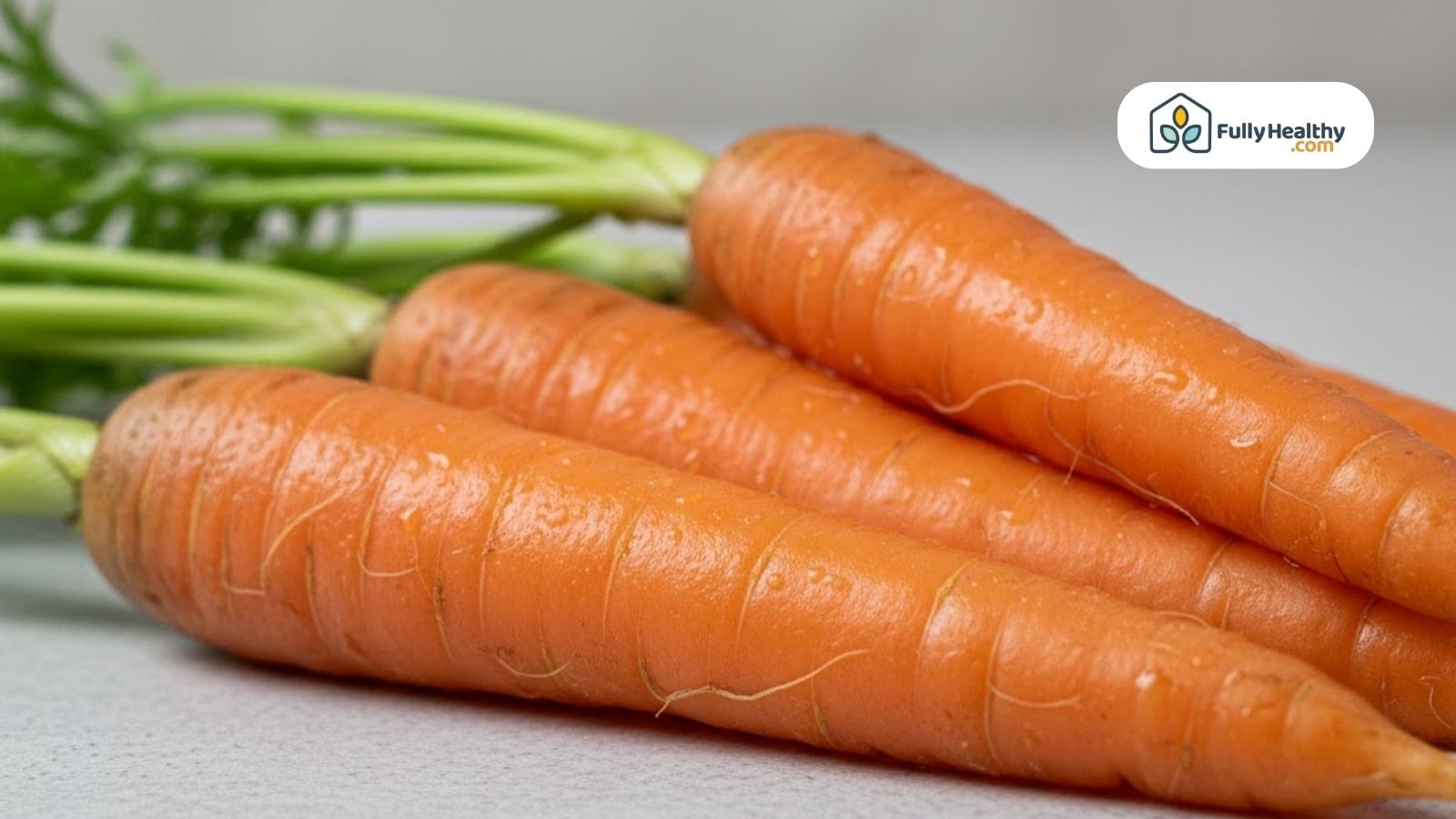
Beta carotene in carrots is turned into vitamin A by the body, which helps protect against night blindness and improves night vision. They don't improve eyesight, make it easier to see, or fix refractive errors. For those things, you need to see an eye doctor and get regular exams.
-
Clear answer: Carrots do not increase vision.
-
What carrots support: Normal vision function and protection in dark or low light settings.
-
What carrots cannot do: Improve vision clarity or deliver better vision beyond baseline.
-
Medical consensus: Eye conditions like cataracts and macular degeneration are not cured by diet alone.
-
Smart approach: Nutrition works best alongside protective eyewear and healthy screen time habits.
What Are the Benefits of Eating Carrots?

Nutritional Profile and Core Health Benefits
Carrots are full of nutrients that are good for your health and meet your daily nutritional needs. They are high in vitamin A, fiber, antioxidants, and other nutrients. Vitamin A is made by the body from beta carotene in carrots. Vitamin A helps with vision, skin health, and the immune system.
-
Vitamin A supply: Supports vision, night vision, and protection against night blindness.
-
Beta carotene content: Acts as an antioxidant that supports overall eye health.
-
Fiber contribution: Helps digestion and supports healthy blood sugar levels.
-
Other nutrients: Includes potassium and other vitamin compounds important for the body.
-
Diet role: Fits well into a balanced diet focused on long-term health.
Benefits Beyond Vision
Beyond eyesight, eating carrots supports heart health, digestion, and metabolic balance as part of a healthy diet. Carrots' fiber and antioxidants are good for your health in general, and they may help protect against chronic diseases when eaten with other vegetables and foods that are high in nutrients.
-
Heart support: Fiber and antioxidants contribute to cardiovascular health.
-
Digestive health: Supports gut regularity and nutrient absorption.
-
Skin support: Vitamin A contributes to skin maintenance and repair.
-
Metabolic balance: Supports healthy weight and diabetes management.
-
Whole-body benefit: Works best alongside diverse foods and vegetables.
What Happens If We Eat Carrots Daily?

Health Effects of Eating Carrots Every Day
Carrots are good for you because they contain fiber, antioxidants, and other nutrients that help with digestion, skin health, and overall health. Carrots that have been cooked help your body absorb beta carotene better, which is good for your eyes as part of a healthy diet, not on their own.
-
Digestive support: Fiber helps regulate digestion and blood sugar, supporting diabetes management.
-
Nutrient density: Carrots supply vitamin A, other vitamin compounds, and vital nutrients.
-
Preparation matters: Cooked carrots improve nutrient availability for the body.
-
Diet context: Carrots work best when paired with rich foods like eggs, nuts, and olive oil.
Safety and Side Effects
People who eat too many carrots can get carotenemia, a condition that doesn't hurt but makes the skin look yellow or orange, especially on the palms. Figuring out how many carrots you should eat each day can help protect your eyes without making you worry or throwing off your nutrition.
-
Safe intake: One medium carrot or half a cup daily suits most people.
-
Visible effect: Skin color changes do not signal blindness or vision damage.
-
Who should moderate: People with thyroid issues or low levels of other nutrients.
-
Balanced rule: Variety in foods protects the body better than excess intake.
What Vegetables Improve Eyesight?

Colorful Vegetables for Eye Health
Vegetables are very good for your eyes because they have compounds, vitamins, and antioxidants that protect your eyes over time. Dark leafy greens and deeply colored fruits and vegetables are good for your eyes and help keep them healthy overall.
-
Spinach: Rich in lutein and zeaxanthin that help filter harmful light exposure.
-
Kale: Provides concentrated antioxidants that support optimal eye health.
-
Sweet potatoes: Supply beta carotene, which the body converts into vitamin A.
-
Dark leafy green vegetables: Help protect eyes healthy tissues from oxidative stress.
-
Other vegetables: Colorful options contribute vital nutrients needed for vision support.
How These Vegetables Support Long-Term Vision
Over time, oxidative damage can lead to age-related macular degeneration and macular degeneration. Eating a lot of vegetables high in antioxidants can help lower this risk. These foods are good for your eyes and help keep your vision in good shape, but they don't instantly improve your eyesight or visual acuity.
-
Antioxidant protection: Helps lower the risk of cataracts and other eye conditions.
-
Light defense: Pigments support protection from sun exposure and low light stress.
-
Nutrient balance: Works best alongside fatty fish, eggs, nuts, and citrus fruits.
-
Sustainable care: Most effective when combined with regular eye exams and protective eyewear.
About FullyHealthy
What FullyHealthy Stands For
FullyHealthy focuses on clean-label foods that are made for people who are trying to eat healthy and stay away from common food triggers and extra ingredients. The store focuses on nutrition, honesty, and high-quality ingredients to improve overall health.
-
Clean-label focus: Products emphasize simple ingredients and clear sourcing.
-
Diet-friendly options: Supports paleo, gluten-free, and specialty diet needs.
-
Nutrition-first approach: Aims to deliver vital nutrients through everyday foods.
-
Balanced philosophy: Encourages diet variety rather than reliance on one food.
-
Consumer trust: Built around clarity, quality, and responsible health messaging.
Carrot-Based Products Available
FullyHealthy has a number of foods that include carrots as part of well-balanced recipes that are meant to be easy to make and good for you.
-
KC Natural Carrot Marinara Paleo Pasta Sauce: A tomato-free pasta sauce made with carrots, beets, herbs, and olive oil, designed for paleo-friendly meals that support a balanced diet.
-
Wild Zora Quick Quinoa Meal Herb Roasted Chicken with Carrots: A ready-to-eat quinoa meal combining carrots, spinach, herbs, and chicken for a nutrient-dense option that supports overall health.
-
Wild Zora Instant Grain-Free Hot Cereal Carrot Cake 1.6 oz: A grain-free hot cereal made with carrots and spices, offering fiber and other nutrients as part of a healthy diet.
-
Wild Zora Instant Soup French Lentil with Carrots: A lentil-based soup featuring carrots, onion, and celery, providing an easy way to include vegetables in daily meals.
Final Thoughts
Carrots fit into eye care by supplying nutrients that support vision without promising miracles. A well-balanced diet with fruits, vegetables, fats, and proteins is better for your eyes than eating just one type of food.
For daily protection, switch up your screen time, get regular eye exams, and wear protective glasses. Vitamin E should be taken with other nutrients, limits should be respected, and choices should be kept practical for long-term comfort and confidence. Choose steadily today to protect your eyes tomorrow.
FAQs
Do carrots actually improve vision?
Carrots actually improve overall eye health by supporting night vision and nutrient balance, but they do not improve eyesight or visual acuity..
What is super food for vision?
There is no single super food for vision, but a healthy diet with vegetables, fruits, fatty fish, nuts, and eggs supports long-term eye health.
Can I eat too much carrots?
Eating too many carrots can cause temporary skin color changes, but it does not damage vision or overall eye health.
Which fruit is best for eyes?
Citrus fruits are often recommended for eyes because they provide vitamin C and antioxidants that support eye health.
What is beta carotene?
Beta carotene is the natural compound in carrots that gives them their orange color, and the body converts it into vitamin A to support eye health and night vision.
Leave a comment