

Can Cats Eat Cucumbers? Safe Snacks For Your Feline Friend
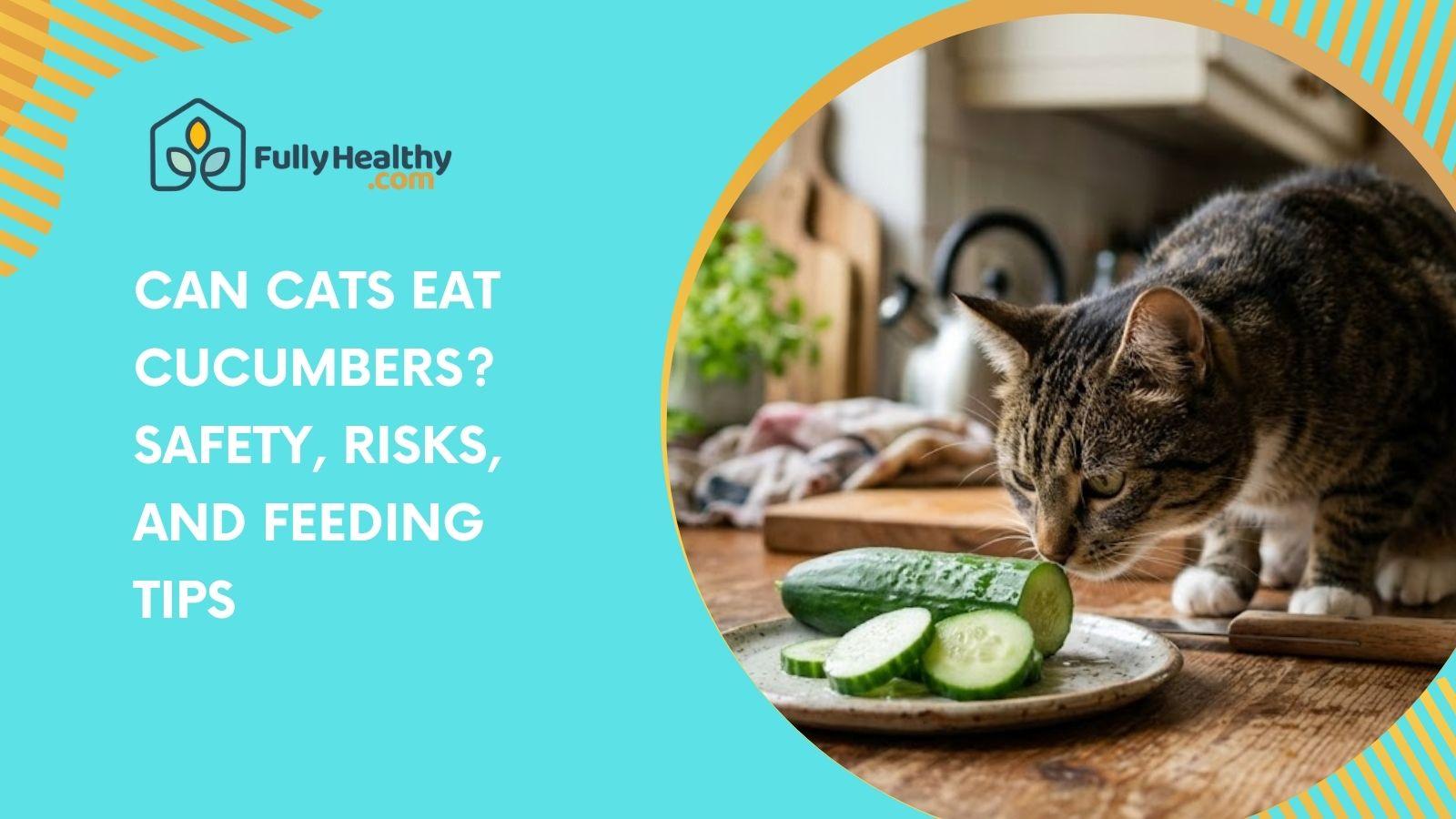
Can cats eat cucumbers? In small amounts, cats can eat cucumbers as a snack every once in a while. Since this crunchy vegetable is mostly water and low in calories, it might be a good snack for when it's hot outside.
Even so, cats are obligate carnivores and rely on animal protein for essential nutrients. This article explains cucumber safety, portion size, possible risks, and how pet parents can safely offer cucumbers to cats.
🥒 Crunch into Real Cucumbers — Dill Pickle Chips with Big Flavor!
Can Cats Eat Cucumbers Raw Or Cooked?
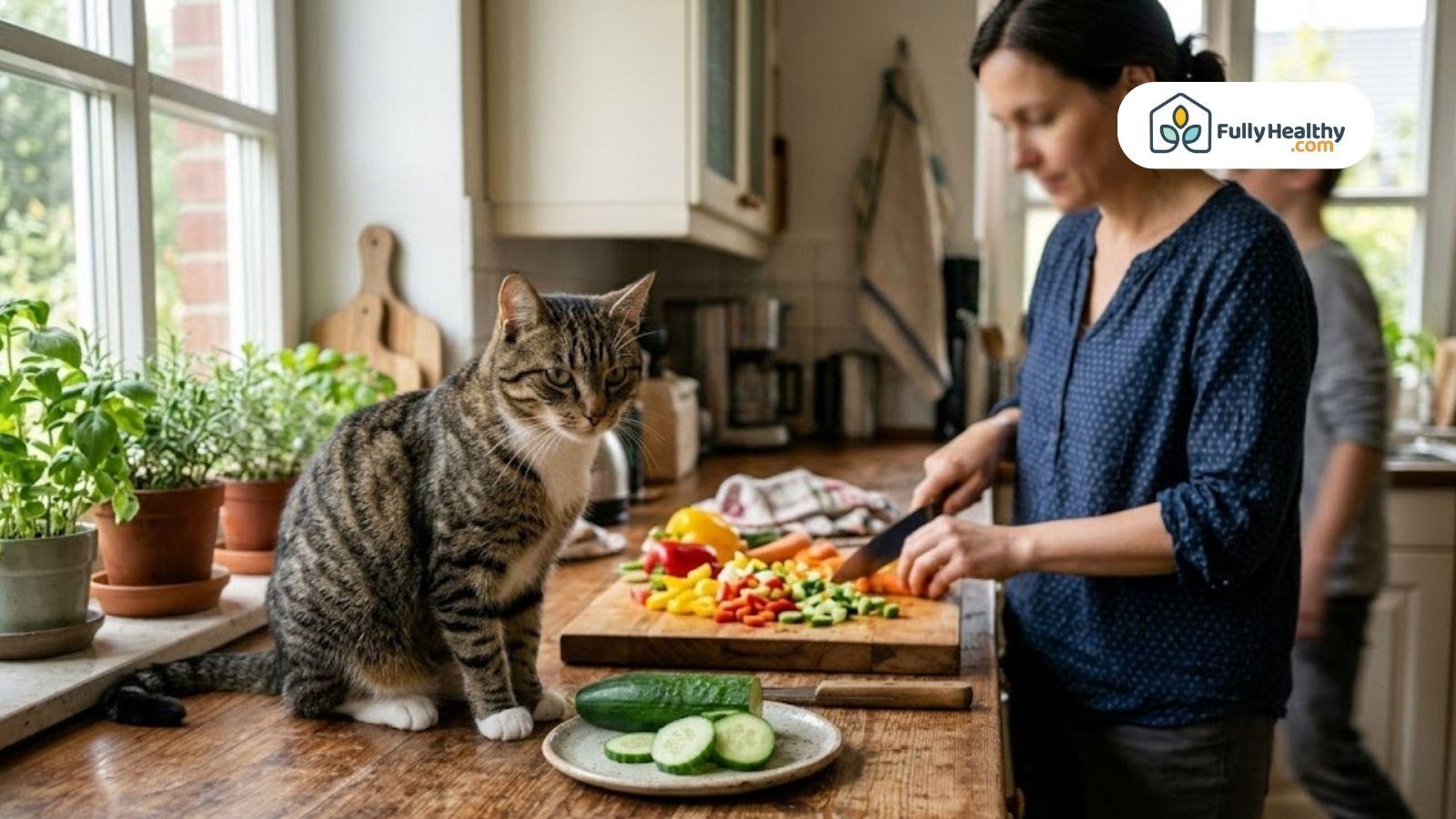
People who own cats often wonder if they can eat cucumbers and if this vegetable is good for their diet. Veterinary sources say that cats can eat small amounts of cucumbers without getting sick, but they do need animal protein from high-quality cat food to stay healthy.
Raw Cucumber Safety For Cats
Some cats may accept small cucumber pieces as an occasional treat, though many cats show little interest in vegetables. Raw cucumber contains a high water content and a few nutrients like vitamin K, which may offer minor health benefits of cucumbers while remaining low calorie.
-
Hydration Support: Raw cucumber contains mostly water which may help hydration.
-
Low Calorie Treat: Cucumbers are a low calorie snack option compared with many human food snacks.
-
Moderate Portions: Pet parents should offer only a few small pieces because too much cucumber may cause digestive problems.
-
Carnivore Diet Needs: Cats are obligate carnivores and require animal protein from commercial cat foods.
-
Safe Preparation: Thin slices or small pieces reduce choking hazard when feeding cucumbers to cats.
Cooked Vs Plain Cucumber Preparation
Feeding cucumbers to cats works best when the vegetable remains plain and raw. Cooked vegetables sometimes include oils or seasoning that may upset a sensitive stomach.
-
Plain Serving: Raw cucumber is generally safe when offered without seasoning or additives.
-
Skin Safety: Cats eat cucumber skin when washed well, although some cats prefer peeled cucumber skin.
-
Organic Produce: Organic cucumbers may reduce pesticide exposure compared with non organic cucumbers.
-
Proper Cutting: Slice cucumbers into small pieces to prevent choking hazard.
-
Portion Awareness: Pet parents should consider how much cucumber they provide during feeding cucumbers to cats.
What Fruits Can Cats Not Eat?
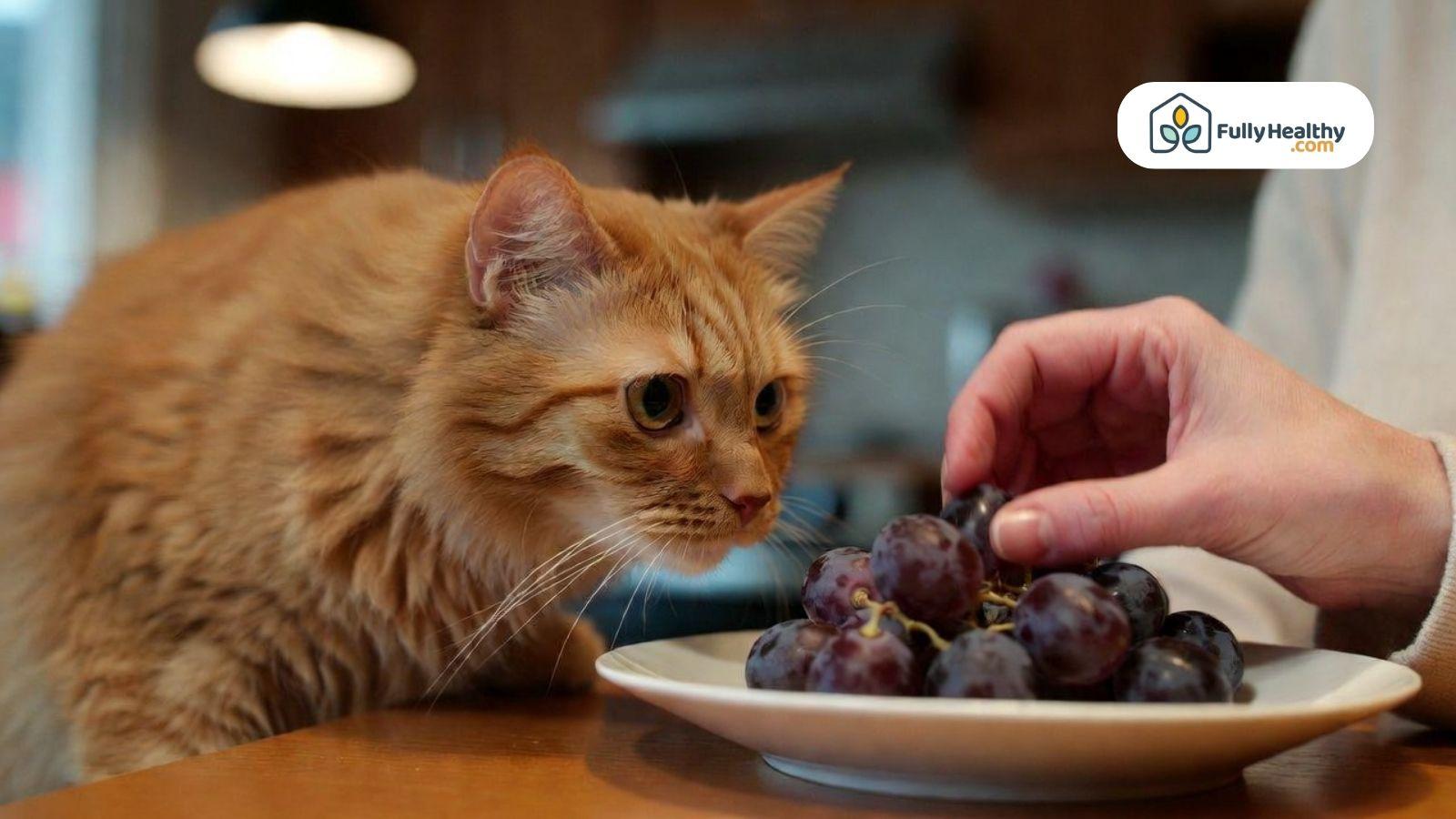
Fruit sometimes appears harmless, yet certain fruits are unsafe for cats. Understanding which fruits belong outside a cat's diet helps protect a feline friend from digestive problems or toxic reactions.
Fruits That Are Unsafe Or Toxic For Cats
There are a few fruits that cats shouldn't eat. It's possible for even small amounts to cause stomach problems or even more serious problems.
-
Grapes And Raisins: These fruits have been linked to kidney damage in cats.
-
Citrus Fruits: Citrus oils may irritate the digestive system and trigger upset stomach.
-
Fruit Pits: Pits from peaches or cherries contain compounds harmful to animals.
-
Sugary Fruit Products: Excess fruit sugar may disrupt a balanced diet for cats.
-
Artificial Ingredients: Some processed fruit foods contain additives or excessive salt unsuitable for cats.
Fruit Treats And Feline Digestive Limits
Instead of fruit, cats mostly eat animal protein and nutrients from commercial cat food. Because cats have to eat meat, fruit should only be given to them as a treat once in a while and not every day.
-
Limited Nutrition: Fruit does not provide all the nutrients required by cats.
-
Small Portions: Feeding fruit should involve small quantities only.
-
Sensitive Digestion: Many cats have a sensitive stomach that reacts to sugary foods.
-
Veterinary Advice: A small animal veterinarian usually recommends high quality cat food first.
-
Alternative Vegetables: Cooked carrots sometimes appear as safer vegetable treats for cats.
Can Cats Eat Pickles?
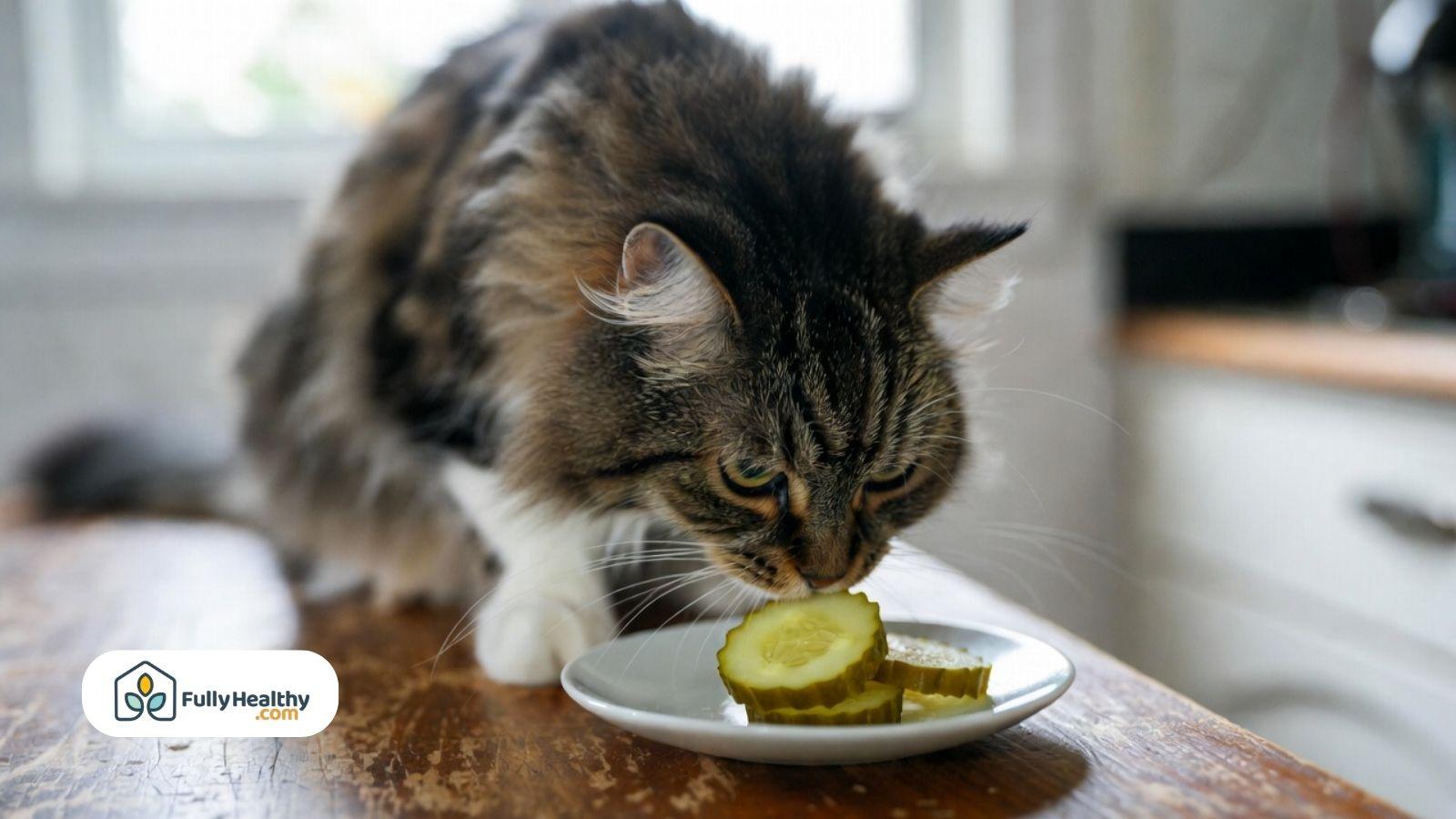
Pickled cucumbers look like fresh cucumbers, but the way they are made changes their safety profile completely. There are things in cat pickled cucumbers that could be bad for your cat.
Pickled Cucumbers And Sodium Risks For Cats
Pickled cucumbers usually have a lot of salt, vinegar, and seasoning in them. Pickled cucumbers are not safe for cats, even in small amounts, because they contain these ingredients.
-
Excessive Salt: High sodium levels may affect a cat's health and hydration.
-
Vinegar Acidity: Vinegar may irritate a cat's digestive system.
-
Seasoning Risks: Some pickles include garlic or onion which are toxic for cats.
-
Processed Human Food: Pickles belong to human food categories unsuitable for cat treats.
-
Safer Choice: Plain cucumber slices remain a safer option for cucumbers to cats.
Health Effects If A Cat Eats Pickles
Symptoms may show up in a cat that eats pickled cucumbers, depending on how much cucumber and seasoning it ate. Keeping an eye on the cat friend helps keep it healthy.
-
Digestive Distress: Stomach upset and vomiting may appear after eating pickles.
-
Salt Effects: Excessive salt may lead to dehydration or lethargy.
-
Sensitive Cats: Cats with urinary tract issues may react strongly to sodium.
-
Veterinary Consultation: Contact a small animal veterinarian if symptoms continue.
-
Preventive Feeding: Avoid feeding pickled cucumbers to cats.
What Is The Most Toxic Thing A Cat Can Eat?
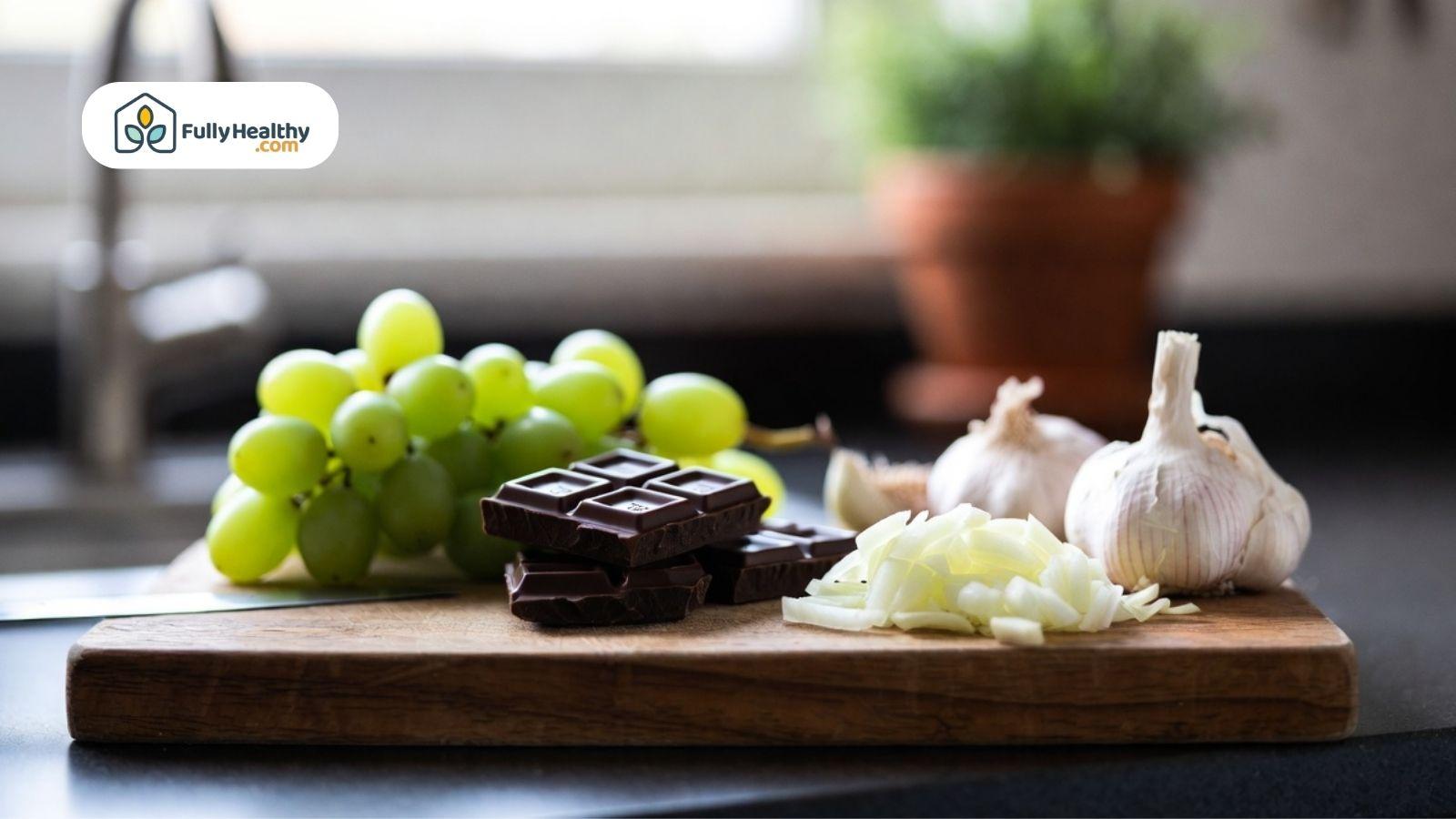
Because cats' metabolisms work differently than ours, some foods that people eat are very bad for them. Pet owners can keep their fur babies from getting poisoned by eating these foods.
Highly Toxic Human Foods For Cats
Certain foods are widely recognized as toxic to cats and should never appear in a cat's diet. Even small quantities may harm a feline friend.
-
Onions And Garlic: These foods damage red blood cells in cats.
-
Chocolate: Chocolate contains compounds toxic to cats and other animals.
-
Alcohol: Alcohol may cause severe poisoning even in small amounts.
-
Caffeine: Coffee and energy drinks overstimulate the nervous system in cats.
-
Grapes And Raisins: These fruits may cause kidney damage in cats.
Symptoms Of Food Poisoning In Cats
Pet owners can help their animals before the poisoning gets worse if they quickly recognize the signs. A cat's health is protected when it is exposed to poisons by getting veterinary care.
-
Vomiting Signs: Repeated vomiting indicates possible poisoning.
-
Lethargy: Weakness or unusual tiredness may appear.
-
Muscle Tremors: Tremors or seizures require immediate veterinary care.
-
Digestive Problems: Diarrhea and loss of appetite signal digestive distress.
-
Emergency Care: Immediate veterinary treatment improves recovery chances.
About FullyHealthy
Healthy food environments support wellness for both people and pets. FullyHealthy provides natural food options designed for clean ingredient lifestyles.
FullyHealthy Wellness Marketplace Overview
FullyHealthy offers foods built around simple ingredients and transparent nutrition facts. Many pet parents who prioritize nutrition for themselves also appreciate a healthier environment for their fur babies.
-
Clean Ingredients: Products emphasize whole food ingredients.
-
Specialty Diet Support: Many items fit gluten free or specialty diet needs.
-
Natural Nutrition: Foods focus on minimal processing and balanced nutrition facts.
-
Wellness Lifestyle: The platform promotes mindful food choices.
-
Trusted Brands: FullyHealthy curates products from reputable companies.
Featured Natural Food Products
FullyHealthy carries several fruit based snacks made with simple ingredients. These products highlight natural food choices for wellness focused households.
-
That's It Apple + Pear Fruit Bar: A fruit bar made with simple whole fruit ingredients.
-
That's It Blueberry Probiotics Fruit Bar: Combines fruit with probiotics for digestive balance.
-
St. Dalfour Four Fruits Fruit Spread: A fruit spread made without refined sugar.
-
Solely Banana With Cacao Fruit Snack: A dried fruit snack made from banana and cacao.
-
Solely Pineapple Fruit Snack: A single ingredient pineapple snack.
Final Thoughts
When given in small amounts, cucumbers are usually safe for cats, and most cats can handle a small amount as a snack once in a while. When giving cucumbers to their pets, owners should start with small pieces instead of big chunks and watch out for allergic reactions or stomach problems.
Cats can drink cucumber water to stay cool when it's hot outside. Some cats love the crunchy texture, while others act like they're scared of it. Take care to eat well-balanced meals and not add cucumbers to wet food too often.
FAQs
What Is The Deadliest Thing A Cat Can Eat?
The deadliest foods for cats include onions, garlic, chocolate, alcohol, and caffeine, and pet parents should know these human foods are dangerous even though cucumbers safe for cats remain harmless compared with toxic foods.
What Human Foods Are Completely Toxic To Cats?
Onions, garlic, chocolate, grapes, alcohol, and caffeine are toxic human foods, and while cucumbers safe for cats may appear harmless, feeding large chunks of any human food can still cause digestive issues.
What Is The 3-3-3 Rule Of Cats?
The 3-3-3 rule describes how most cats adjust after adoption, and while introducing cucumbers or adding cucumbers near wet food bowls, pet parents may notice cats afraid reactions before they relax.
Are Cucumbers Good For Cats?
Cucumbers good as a refreshing snack because cucumber water content helps hydration, and most cats tolerate a little cucumber when introducing cucumbers slowly.
Why Do Cats Love Or Fear Cucumbers?
Some cats love cucumbers because of the crunchy texture, while other cats afraid reactions appear suddenly, so pet parents should offer a little cucumber and watch for allergic reactions.
Leave a comment