

Can Cats Eat Grapes? Safe Treat Swaps and Panic-Free Steps

Can cats eat grapes? Not at all. It's possible for cats to get sick from eating grapes and raisins. It's not known how many grapes are safe, but even one can be harmful.
Do not wait for your cat to show signs like vomiting, diarrhea, or low energy to know that it ate grapes. Right away, call your vet or an emergency clinic to get help. This guide breaks down the risks and safer ways to treat them in simple steps.
🍒 Deep, Fruity & Naturally Sweet – Enjoy Black Cherry Enriched by Grape Flavor!
Can Cats Eat Grapes?
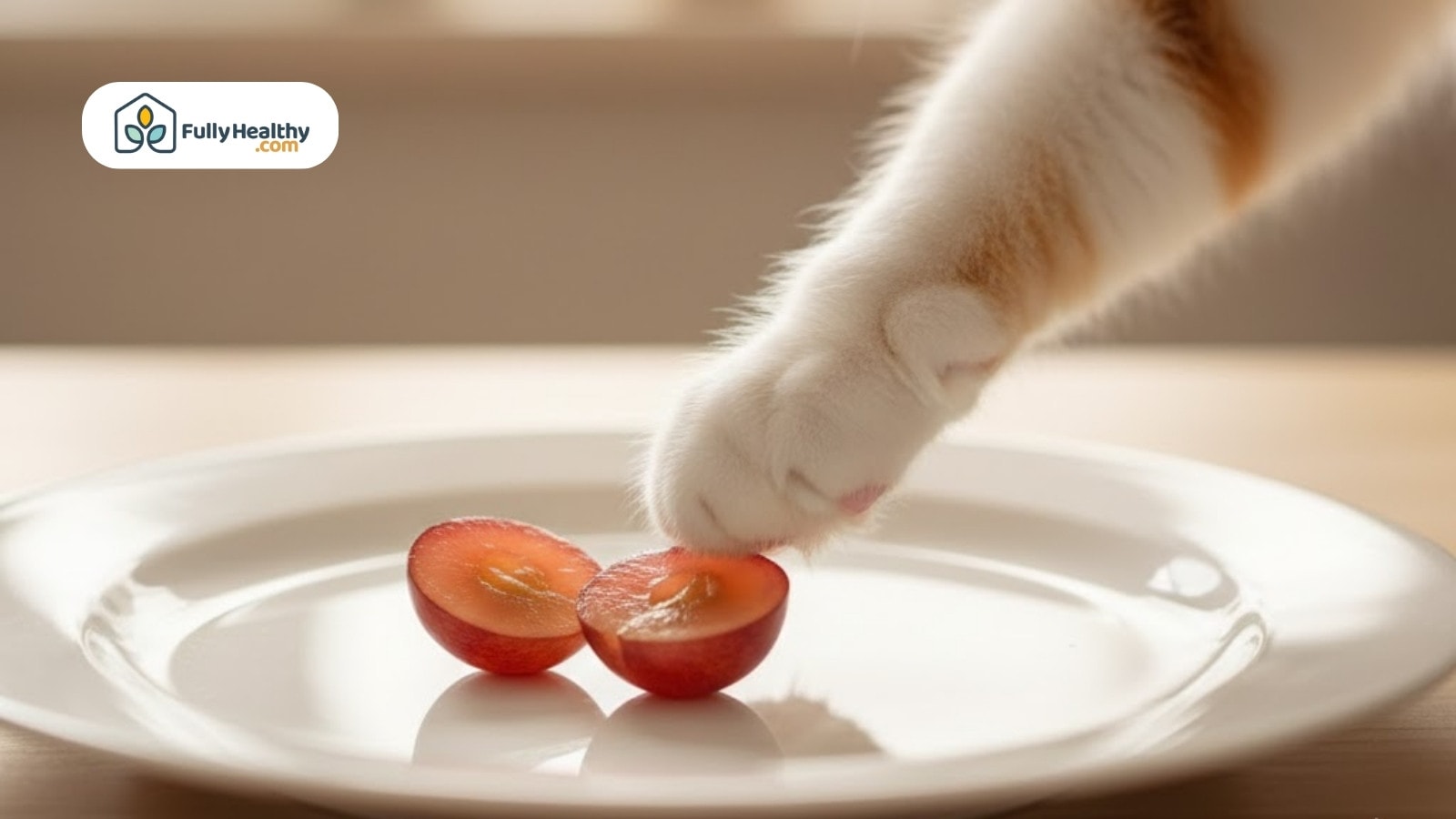
Are grapes safe for cats to eat? Not really. The grapes are bad for your cat. Cats can't eat grapes or raisins because they can hurt or kill their kidneys. Many cat owners think that a small bite is fine, but cats should never eat grapes because they aren't always safe.
Can Cats Eat Grapes? The Direct Answer
Cats are obligate carnivores, so a cat's diet is made for meat, not sugary human food. It's hard to tell if grapes will hurt cats, so it's best to keep them away at all times.
-
Quick Rule: Grapes or raisins are toxic to cats, so cats avoid them.
-
Main Concern: Grape ingestion can lead to acute kidney injury and kidney failure.
-
Who This Helps: Pet parents with curious cats that like to sample human food.
Why Grapes And Raisins Are Risky for Cats
There is no known safe amount in veterinary medicine. One possible cause is tartaric acid, but the exact cause is still unknown. What cat owners need to know is that kidney damage can happen before serious symptoms show up, and most cats may look fine at first.
-
Unpredictable Risk: Toxicity in cats can vary by body weight and sensitivity.
-
Raisins Count Too: Cats eat raisins can face the same grape toxicity risk.
-
Prevent Accidents: Pick up dropped grapes fast and do not leave grapes out.
What Happens If My Cat Ate a Grape?
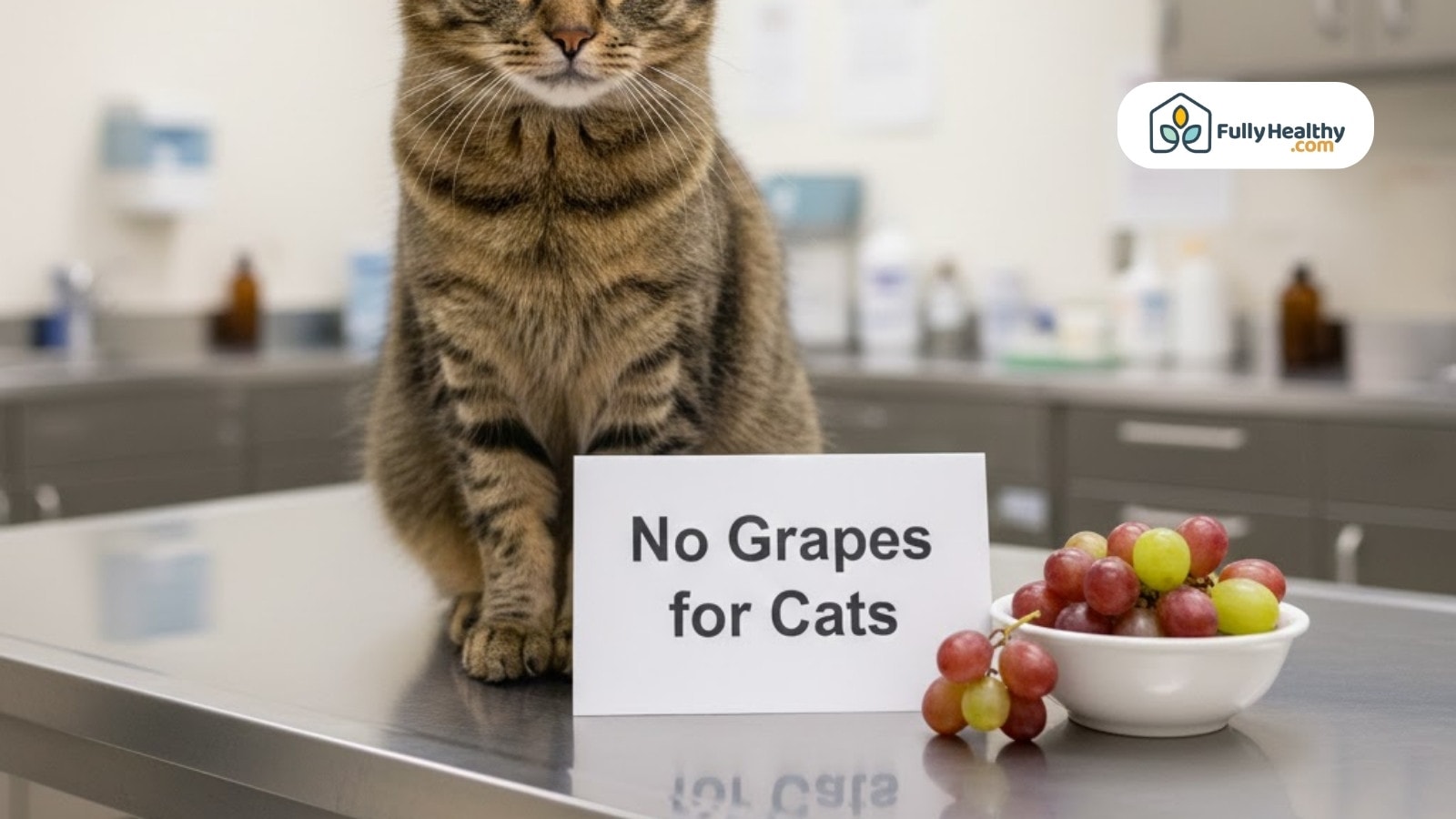
If you think someone ate grapes, treat it like they might have food poisoning. Get in touch with a vet right away and do what they say. If you act quickly, you may lower your vet bill and lower the chance of kidney damage.
Early Symptoms And How Fast They Can Start
Some cats first act strangely, while others have an upset stomach. Keep track of what happened, like when and how many grapes or raisins were eaten.
-
Early Signs: Vomiting, diarrhea, drooling, upset stomach, or abdominal pain.
-
Worsening Signs: Low energy, dehydration, less urination, or severe symptoms.
-
Do Not Wait: Even if your cat seems fine, call a vet immediately.
What To Do Right Now
Call your clinic or emergency room and be clear about what's going on. Fix things around the house only if a professional tells you to. A team may tell you to make the animal vomit only when it is safe to do so, and then to start veterinary care to protect the kidneys.
-
Call First: Share the time of grape ingestion, the amount, and your cat’s body weight.
-
Expect Testing: Veterinary care may include bloodwork and IV fluids to watch for acute kidney injury.
-
Avoid DIY: Do not use “home remedies” or extra human food to calm symptoms.
What Is the Most Toxic Food for a Cat?

There is no one food that all cats should avoid at all costs. There are foods that are bad for the kidneys, the brain, and the blood. Keep dangerous foods out of reach for your cat because of this.
Common Household Foods That Are Toxic to Cats
Many everyday foods are toxic to cats, even in small bites. Keeping a clean, simple cat's diet helps prevent accidents.
-
High-Risk Foods: Onions, garlic, alcohol, chocolate, and raw dough.
-
Fruit Warning: Citrus fruits can cause vomiting and stomach upset in some cats.
-
Grapes Too: Grapes bad because grape toxicity may cause kidney damage.
Why “Most Toxic” Depends On Dose And Your Cat
Risk depends on the food, the dose, and the cat. Smaller body weight can raise risk, and delays can make severe symptoms more likely.
-
Key Factors: Body weight, dehydration, and how fast you get veterinary care.
-
Red Flags: Unusual behavior after eating something risky should trigger a vet immediately call.
-
Simple Rule: Cats avoid unsafe foods, and pet parents should limit human food access.
How Many Grapes Are Too Many For a Cat?

There's no set amount of grapes that cats can eat comfortably. It's possible for cats to have bad reactions to even small amounts. There are cases where cats can die from severe cases, while less severe cases only cause stomach problems. Because of this risk, don't give any grapes to your pet.
There Is No Known Safe Amount
Grape toxicity does not follow a clear rule by body size. One cat may seem fine, while another gets sick fast. Also, whole grapes can be a choking hazard, especially if a cat gulps human food.
-
Key Point: There is no proven safe dose, even in small quantities.
-
Early Clues: Watch for decreased appetite, vomiting, and signs of gi tract stress.
-
Why It Matters: Toxic reactions can progress to kidney damage and even death.
Does Form Matter: Fresh, Dried, Or Mixed In Foods?
Grapes or raisins can be risky in any form, and grape products can show up in snacks, trail mixes, and baked items. Homes with dogs can have more “dropped bites” on the floor, which curious cats may find. If exposure happens, call a veterinarian right away.
-
Hidden Sources: Check labels for grape products, especially in sweets and spreads.
-
Fast Changes: Rapid development of increased thirst or increased urination can be red flags.
-
When It’s Serious: Severe cases may need supportive care and close monitoring.
What FullyHealthy Can Do For You
FullyHealthy is a site that helps people shop for all of their diet needs in one place. That can cut down on random snacking and sharing the table, which helps pet owners keep their pets from eating human food that isn't safe. It also helps you organize your pantry better so that pets don't get distracted by open jars or sticky plates.
How FullyHealthy Helps With Special-Diet Shopping
When your kitchen has a clear plan, it is easier to keep pets safe. Build meals around approved items and keep foods sealed. This is helpful because other foods can also be bad for cats, including items from the allium family.
-
Safer Habits: Keep counters clean and put food away right after use.
-
Clear Boundary: Avoid feeding pets from plates, even “tiny tastes.”
-
Extra Reminder: Keep other foods like the allium family away from cats.
Products To Highlight From FullyHealthy
FullyHealthy carries St. Dalfour Four Fruits Fruit Spread, St. Dalfour Black Cherry Conserves, and St. Dalfour Red Raspberry Conserves. These are grape-adjacent items because some spreads use fruit concentrates, so store them carefully. If a pet eats unknown foods, a veterinarian may consider supportive care, and in some cases activated charcoal, based on timing and symptoms.
-
Storage Tip: Close lids tightly and keep jars high, not at pet level.
-
Clean-Up Rule: Wash utensils fast and do not leave sticky plates out.
-
Learn More: If you want university-style guidance, search phrases like New York state college and York state college with “grape toxicity” for basic references.
Final Thoughts
Can cats eat grapes? No. Grapes and raisins can be toxic for your feline friend and may lead to serious kidney problems, even from a small amount. Because there is no proven safe serving size, it is best to avoid them completely.
If your cat eats grapes, contact your veterinarian or a pet poison helpline right away, even if your cat seems fine at first. Symptoms like vomiting, diarrhea, low appetite, or gastrointestinal upset may appear later, and early action matters. Keep grapes, raisins, and foods made with them stored securely, and choose cat-safe treats instead.
FAQs
Can cats eat grapes if my cat has eaten small quantities?
No, grape ingestion and grape toxicity are toxic to cats, so vet immediately.
Can cats eat grapes or raisins if cats eat raisins and cats and dogs share snacks?
No, grapes or raisins and grape products are bad for cats, avoid feeding.
Can cats eat grapes if there are dropped grapes and curious cats lick them?
No, toxicity in cats can cause kidney damage, acute kidney injury, kidney failure.
Can cats eat grapes if I think toxicity works differently than dogs?
No, veterinary medicine says toxic to cats, life threatening in severe cases, even death.
Can cats eat grapes if I want to induce vomiting at home after cat has eaten?
No, call a veterinarian for veterinary care, supportive care, activated charcoal guidance.
Leave a comment