

Can Cats Eat Mango? What Happens If Your Cat Tries It
Can cats eat mango? Yes, but only in very small amounts and only the right way. Mango is not toxic, but it is not needed in a cat’s diet. Unsafe parts exist, and too much can make theirf stomach hurt. What is safe, what isn't, how much mango is okay, what to look out for as a warning sign, and better fruits for cats are all covered in this article.
🍈 Pure, Ripe & Real – Savor Every Bite of Simply Dried Mango Halves!
Is It Safe for Cats to Eat Mango?
When Mango Flesh Is Considered Safe
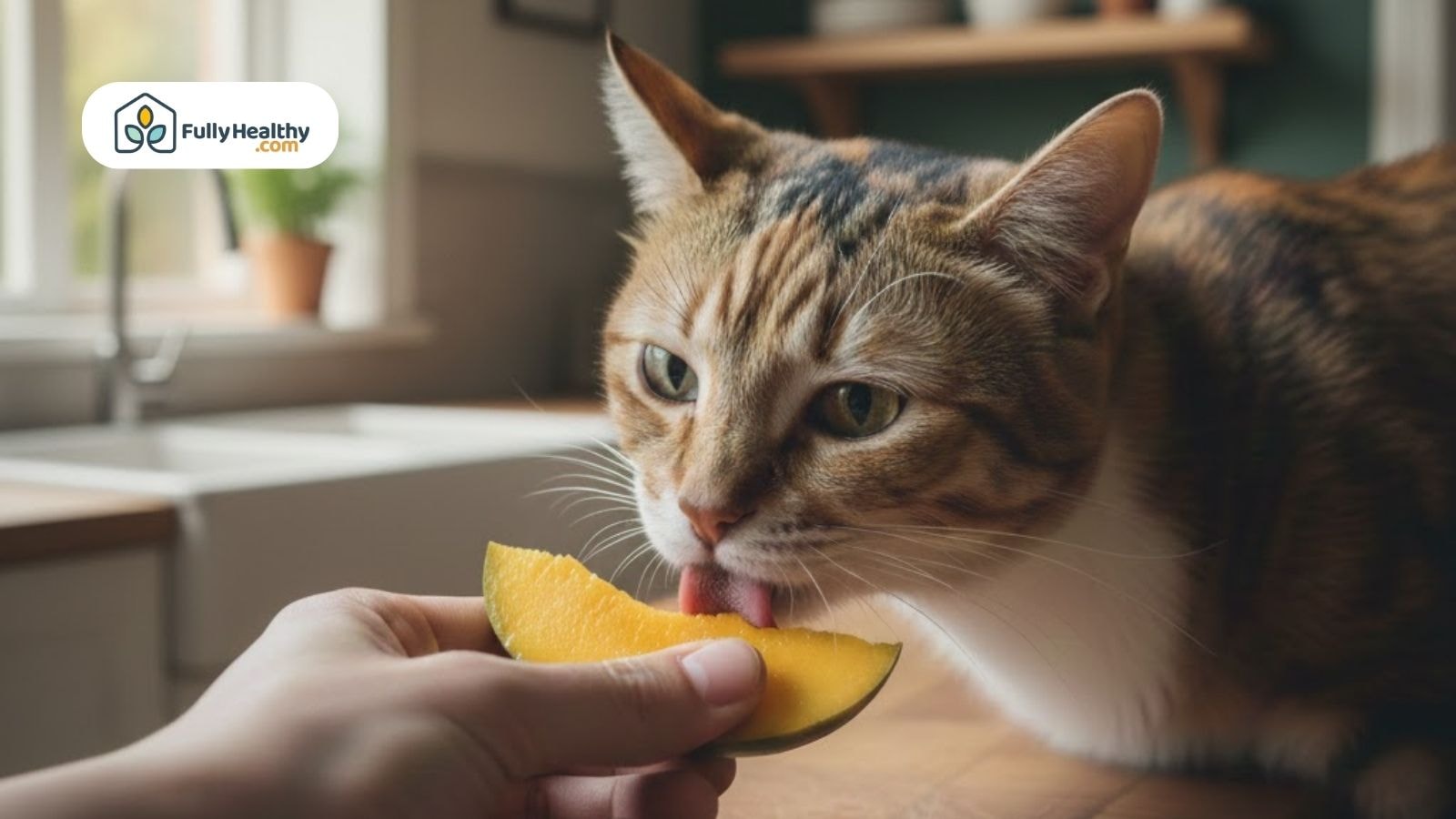
Very small amounts of mango are safe for cats to eat, but it depends on how much they eat, how they prepare it, and what else they eat. As an occasional treat, most cats can eat ripe mango flesh, but it's not very healthy for them and doesn't replace the protein that cats need because they have to eat meat.
-
Occasional treat: Mango is generally safe when offered as a rare treat or occasional snack rather than daily food.
-
Proper preparation: Offer fresh mango only, using ripe mango flesh cut into bite sized pieces or small cubes.
-
Portion control: How much mango matters, and a small bite helps reduce digestive upset and stomach upset.
-
Limited nutrition: Mango contains vitamin C and other nutrients, but provides little nutritional value for a cat's diet.
-
Healthy cats only: Offer mango only to healthy cats with stable digestive health and no underlying conditions.
Parts of Mango That Are Dangerous
Cats shouldn't eat certain parts of mango because they can make their stomachs upset or hurt them physically. Mango peel and skin are hard for a cat's digestive system to break down and may irritate the skin or cause digestive problems. The pit is dangerous because it can choke on it, and dried mango or mango juice is high in sugar.
-
Choking hazard: The pit can lodge in the throat or digestive tract and should never be offered.
-
Digestive risks: Mango peel and mango skin may lead to digestive upset and stomach upset.
-
High sugar content: Dried mango and mango juice can overwhelm a cat's digestive system and cause digestive issues.
-
Texture concerns: Chewy texture from dried mango increases choking risk and digestive distress.
-
Unsafe forms: Cats should never eat dried mango, mango juice, or processed human food versions.
What Are Signs of Mango Poisoning in Cats?
Mild Digestive Reactions to Watch For
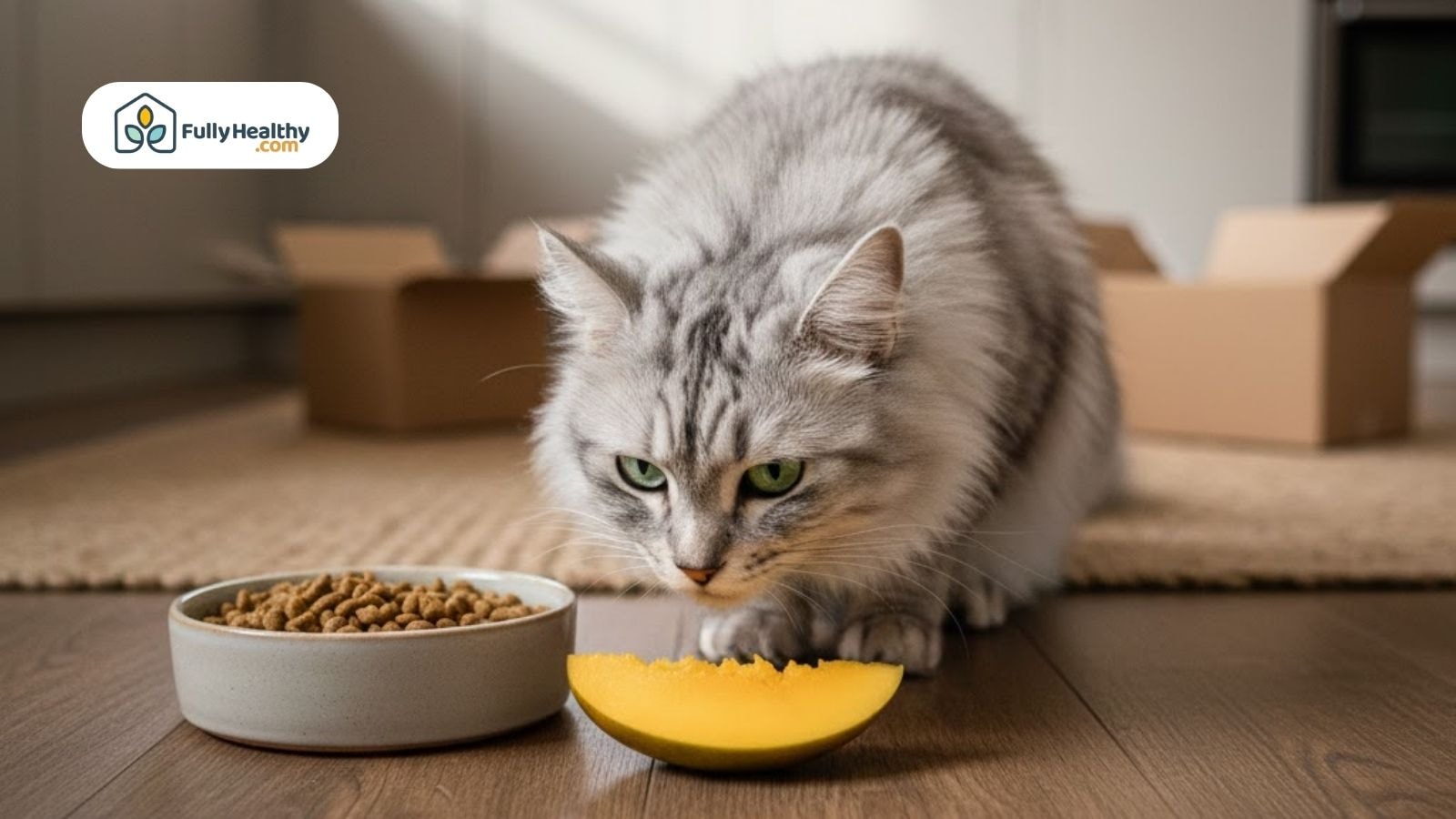
Cats must eat meat, and their digestive systems aren't made to handle fruit well. This is why most reactions happen. If cats eat too much mango, they may experience mild symptoms that are more due to the sugar, fiber, and texture of the fruit than to its actual poisonousness.
-
Upset stomach: Cats eat mango may vomit or develop loose stool due to high sugar content irritating the cat's digestive system.
-
Digestive upset: Diarrhea or gas can occur when fruit disrupts digestive health and balance.
-
Digestive distress: Some cats experience stomach upset when trying new foods like fruit treat options.
-
Reduced appetite: Cats may eat less cat food or wet food temporarily after eating fruit.
-
Sensitivity to fiber: A cat's digestive system may struggle with fiber found in fruit, leading to digestive issues.
Emergency Symptoms That Need a Vet
Serious reactions are uncommon, but they can occur if a choking hazard happens or if a cat reacts poorly to new foods. These symptoms require immediate veterinary medicine attention to protect your feline friend and overall immune system health.
-
Choking hazard signs: Gagging, coughing, or pawing at the mouth can happen if mango is not cut into bite sized pieces or small cubes.
-
Severe reactions: Facial swelling, breathing difficulty, or collapse may indicate severe reactions requiring urgent care.
-
Ongoing vomiting: Repeated vomiting after eating mango can signal digestive distress that needs veterinary review.
-
Lethargy: Extreme tiredness or weakness after eating fruit may indicate the cat's digestive system is overwhelmed.
-
Behavior changes: Sudden withdrawal or discomfort after eating human food should be monitored closely.
Which Fruit Can a Cat Eat?
Fruits Generally Considered Safe in Small Amounts
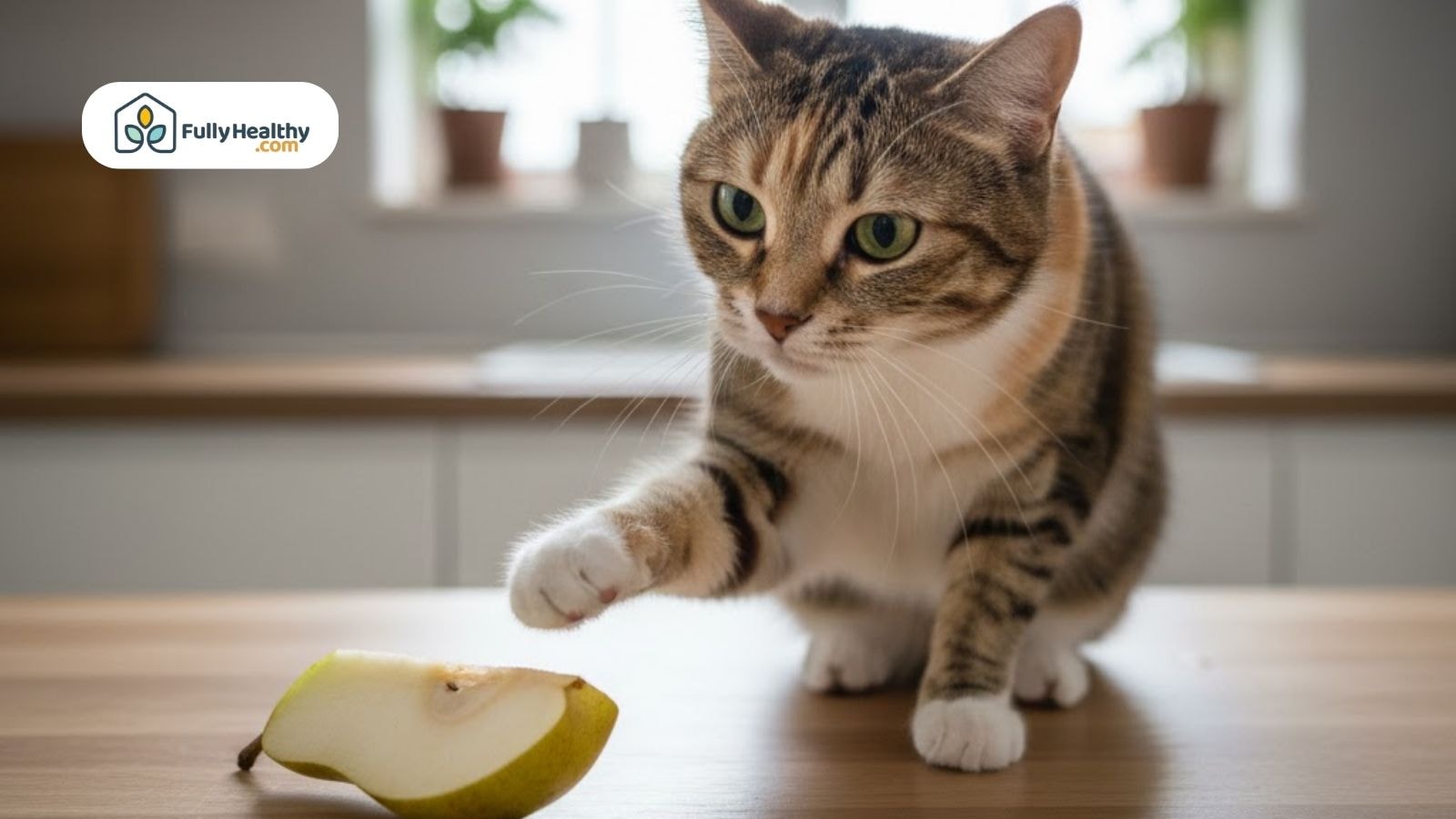
Some fruits are safe for cats as long as they are given to them in the right way, but cats should never eat fruit instead of meat.
-
Apples: Cats can eat small pieces of apple with the skin removed and seeds discarded to avoid digestive upset.
-
Blueberries: Soft texture and small size make blueberries easier for a cat's digestive system when offered as a small bite.
-
Strawberries: Fresh strawberries can be given in tiny pieces, but too much may cause stomach upset due to sugar.
-
Watermelon: Seedless watermelon without rind is generally safe and provides hydration when given sparingly.
-
Bananas: Very small portions may be tolerated, but the dense texture can cause digestive distress if overfed.
Feeding Rules for All Fruits
Because cats are strict carnivores that need animal protein for essential nutrients, fruit should never come first on their diet. Animal protein is good for cats' digestive health, immune health, and overall balance.
-
Ten percent rule: Fruit treats should make up less than ten percent of total food intake.
-
Protein priority: Cat food and wet food should always come before fruit in a cat's diet.
-
Portion control: How much mango or other fruit is offered should remain very small.
-
Rare use: Fruit should be a rare treat, not a daily or frequent habit.
-
Digestive support: Limiting fruit helps prevent digestive upset and stomach upset in healthy cats.
Are There Any Fruits Toxic to Cats?

Fruits That Are Unsafe or Toxic
Cats shouldn't eat certain fruits because even small amounts can be very bad for their health. Cats can safely eat a lot of different foods, but some fruits should never be given to them to protect their digestive systems and health in general.
-
Grapes and raisins: These can cause kidney failure and are never safe for cats.
-
Citrus fruits: Oranges, lemons, and limes can irritate the digestive system and cause stomach upset.
-
Cherries: The pits contain compounds that can be toxic and create a choking hazard.
-
Unripe fruit: Unripe or spoiled fruit may ferment and cause digestive distress.
-
Processed fruit: Fruit mixed with sweeteners or additives is unsafe for cats.
Why Cats React Poorly to Certain Fruits
Because cats must eat meat and don't have taste receptors that let them fully taste sweetness, their bodies can't handle fruit sugars as well as they could.
-
Digestive limits: A cat's digestive system struggles to process high sugar content.
-
Biological design: Cats eat animal protein for essential nutrients, not fruit.
-
Digestive issues: Fruit can trigger digestive issues or stomach upset.
-
Limited enzymes: Cats lack enzymes needed to digest many fruits properly.
-
Low tolerance: Too much fruit can overwhelm digestive systems quickly.
FullyHealthy: Simple Ingredients, Clear Food Choices
About FullyHealthy
FullyHealthy focuses on making clear, simple food for people who care about the quality and source of their ingredients. The store offer food that has simple ingredients that are labeled clearly so customers can easily understand what they are buying.
-
Simple ingredients: FullyHealthy prioritizes short ingredient lists without unnecessary additives or fillers.
-
Transparency: Products clearly list ingredients so consumers know what they are choosing.
-
Human food focus: All items are intended for human food use, not formulated as cat food.
-
Quality standards: Emphasis is placed on clean sourcing and careful preparation.
-
Informed choices: The site supports better decisions around food and nutrition.
Our Mango-Based Products
FullyHealthy has many products made from mangoes, such as dried and packaged fruit. These foods highlight mango as a tropical fruit ingredient and focus on simple recipes and snacks that you can eat every day.
-
That’s It Mango Probiotics Fruit Bar: Mango-based fruit bar made for everyday human snacking.
-
Solely Mango Halves: Dried mango halves prepared as a simple tropical fruit snack.
-
Solely Mango: Single-ingredient dried mango created for human consumption.
-
Made In Nature Organic Dried Mangoes: Organic dried mango slices offered as a packaged fruit snack.
-
That’s It Apple Mango Fruit Bar: Fruit bar combining apple and mango in a portable format.
-
Wild Zora Air-Dried Organic Tropical Fruit Mix: Air-dried mix featuring mango, banana, and pineapple.
-
Wild Zora Freeze-Dried Meal Palisade Pineapple Mango: Freeze-dried meal option made with pineapple and mango.
Final Thoughts
How much cats can safely eat of mango depends on how well they are prepared and what their limits are. Some cats like mango as a treat, but it doesn't give them all the nutrients they need from animal-based food or really help their health.
There are some fruits that are safe for cats, but they should never be fed instead of other foods that are made for cats. Focus on balance, small portions, and watching how people react if you love cats. This will help you make smart decisions without stress.
FAQs
Why do cats love mango?
Some cats show interest because mango smells sweet and soft, even though it does not provide all the nutrients or real health benefits.
Can I give my cat mango shake?
No, mango shake is not recommended since blended fruit, added liquids, and vitamin e content do not support digestion in cats.
Is mango toxic to pets?
Mango is not toxic, but kittens eat mango only by accident and too much can cause problems compared to safe fruits.
What smell do cats hate the most?
Most cats dislike strong smells like citrus, vinegar, or certain other foods used in kitchens.
What to do if my cat ate too much mango?
Watch closely, limit other foods, note signs like stomach upset, and remember mango is only a tasty treat, not daily food.
Leave a comment