

Can Cats Eat Pears? Understanding Fruit in a Cat’s Diet
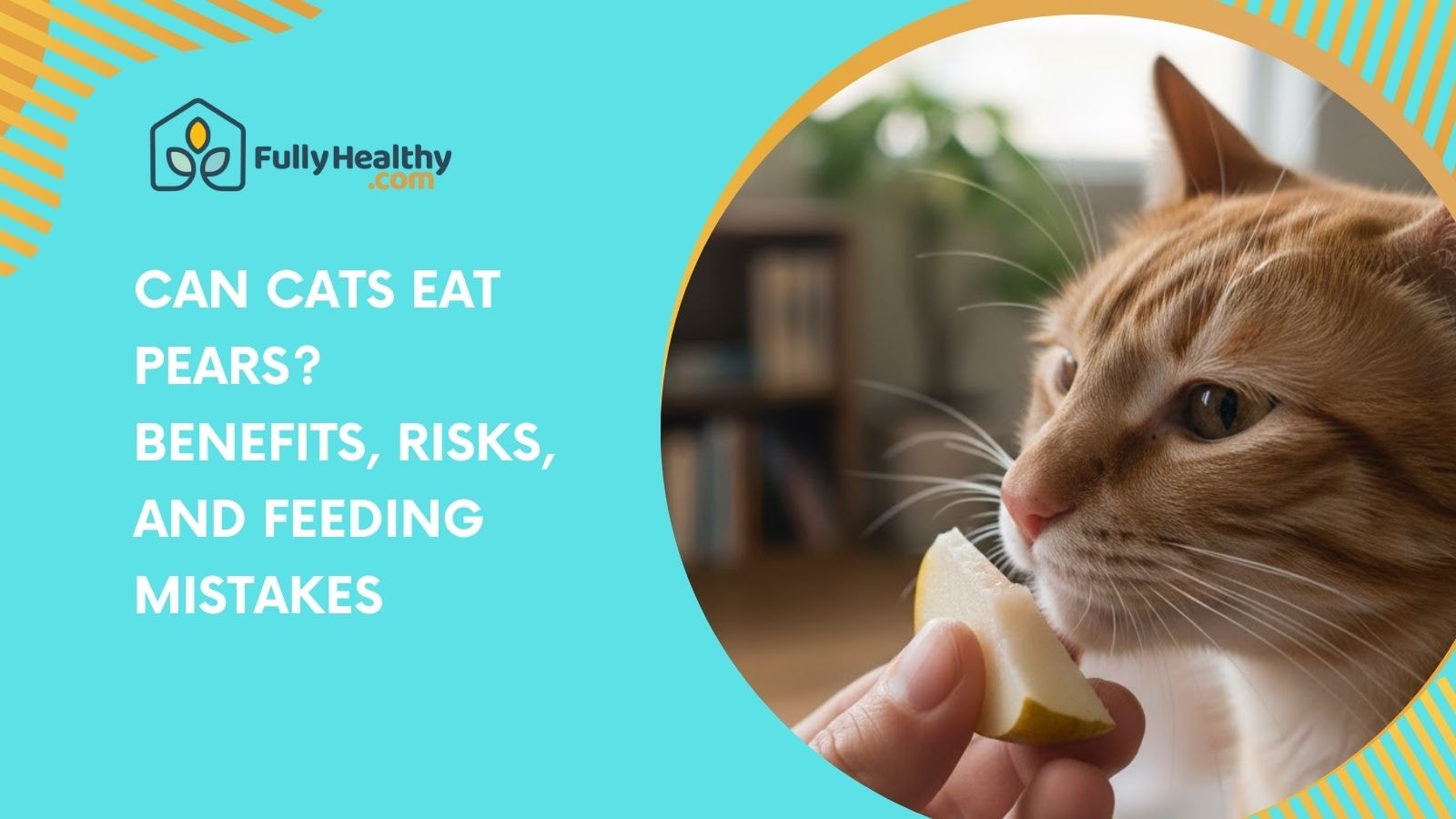
Can cats eat pears? Yes, but only a small amount. Pears are not toxic to cats, but they are still human food and not something cats need in their diet. This article explains when pears are safe, which parts to avoid, possible side effects, and better fruit options, so you can keep your cat safe.
Featured Snack Pick
That's It // Apple + Pear Fruit Bar - 1.2 oz
Loading...
Is It Safe for Cats to Eat Pear?
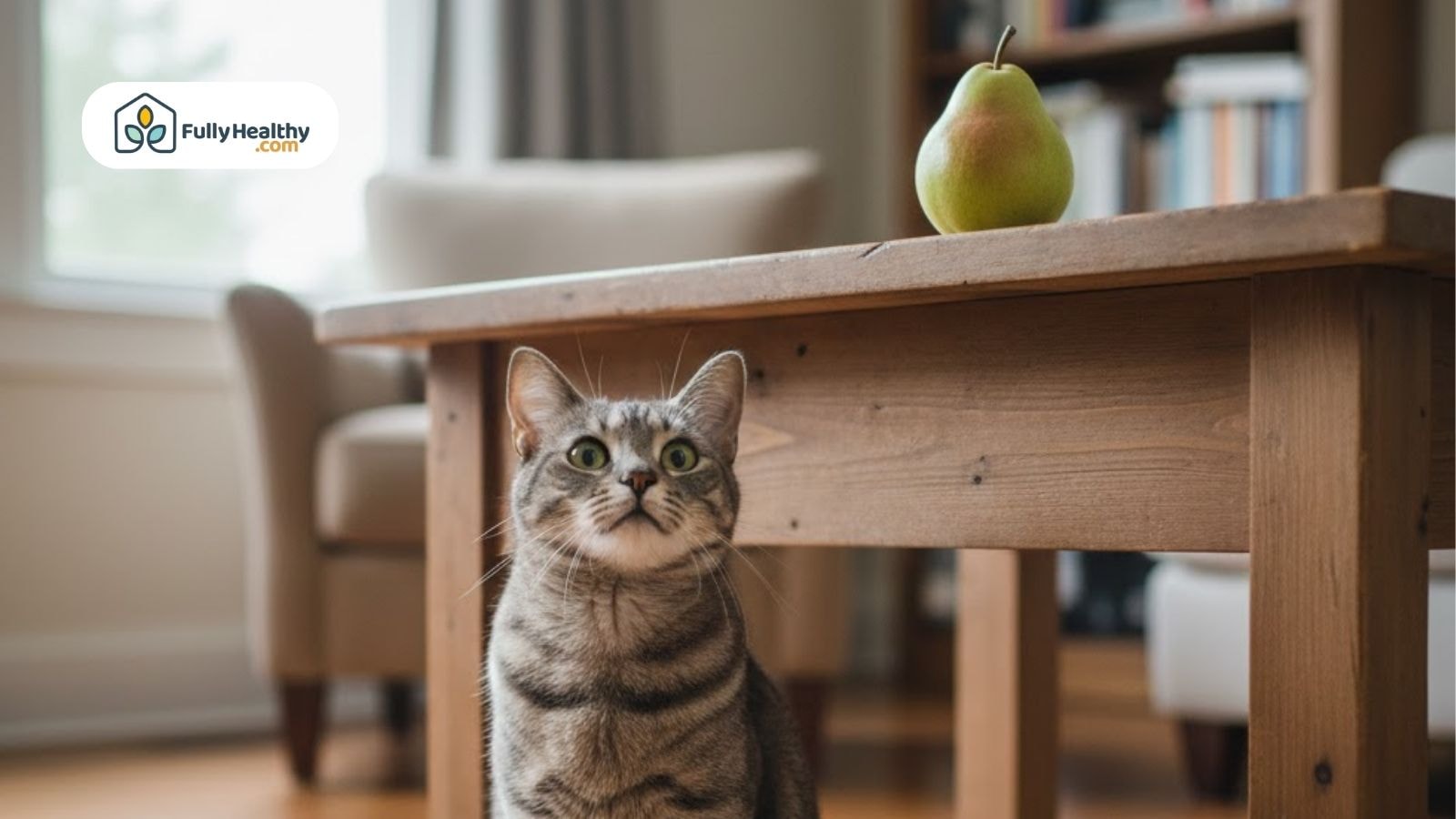
Why Pear Flesh Is Considered Non-Toxic to Cats
Yes, plain pear flesh is generally safe for cats in very small amounts. Pears do not contain substances known to poison cats, but they are still human food and not something cats need. Cats are obligate carnivores, which means their bodies are built to digest meat, not fruit.
-
Non-toxic meaning: Non-toxic means pear flesh does not directly cause poisoning or serious health issues in healthy cats.
-
Diet relevance: Pears do not replace meat, cooked meat, dry food, or complete cat food.
-
Digestive design: Feline digestive systems are ma for a meat based diet, not fruits and vegetables.
-
Taste response: Cats lack sweet taste receptors, making fruit less appealing than meat.
-
Nutritional limits: Pears provide limited nutritional value compared to foods supporting immune system and heart health.
Portion Size and Preparation
How you prepare pears matters more than the pear itself. Seeds and cores should never be given, and portions must stay small. Pears contain sugar and fiber that can upset a cat’s stomach if fed in excess.
-
Seed removal: Pear seeds and cores should always be removed before feeding.
-
Portion size: Bite sized pieces help prevent stomach upset and choking hazard.
-
Sugar impact: High sugar content can disrupt digestive health in cats.
-
Fiber load: Too much fiber may cause upset stomach or digestive issues.
-
Treat role: Pears should remain an occasional treat, not solid food.
What Are the Symptoms of Pear Poisoning in Cats?

Digestive Symptoms After Eating Pear
Pears are not poisonous to cats, but eating them can still cause stomach issues. Most reactions are related to digestion, not true poisoning, and usually pass on their own. Cats trying fruit for the first time may react more strongly.
-
Vomiting: Vomiting can occur after consuming large quantities.
-
Diarrhea: Loose stools may appear due to excess fiber.
-
Gas discomfort: Abdominal bloating may signal digestive issues.
-
Reduced appetite: Temporary refusal of cat food can follow stomach upset.
-
Lethargy: Low energy may accompany mild digestive upset.
When Symptoms May Indicate a Broader Poisoning Issue
Some symptoms look similar to food sensitivity but may point to something more serious. If symptoms last longer or seem severe, a vet should be contacted. Risk increases if the cat ate other foods at the same time.
-
Symptom duration: Prolonged vomiting or diarrhea requires veterinary attention.
-
Neurological signs: Tremors or disorientation may indicate toxic exposure.
-
Multiple foods: Eating other foods increases risk of serious health issues.
-
Behavior changes: Extreme lethargy or hiding can signal distress.
-
Vet consultation: Early advice from a vet supports pet safety.
What Fruits Can Cats Not Eat?
Fruits That Are Toxic or High Risk for Cats
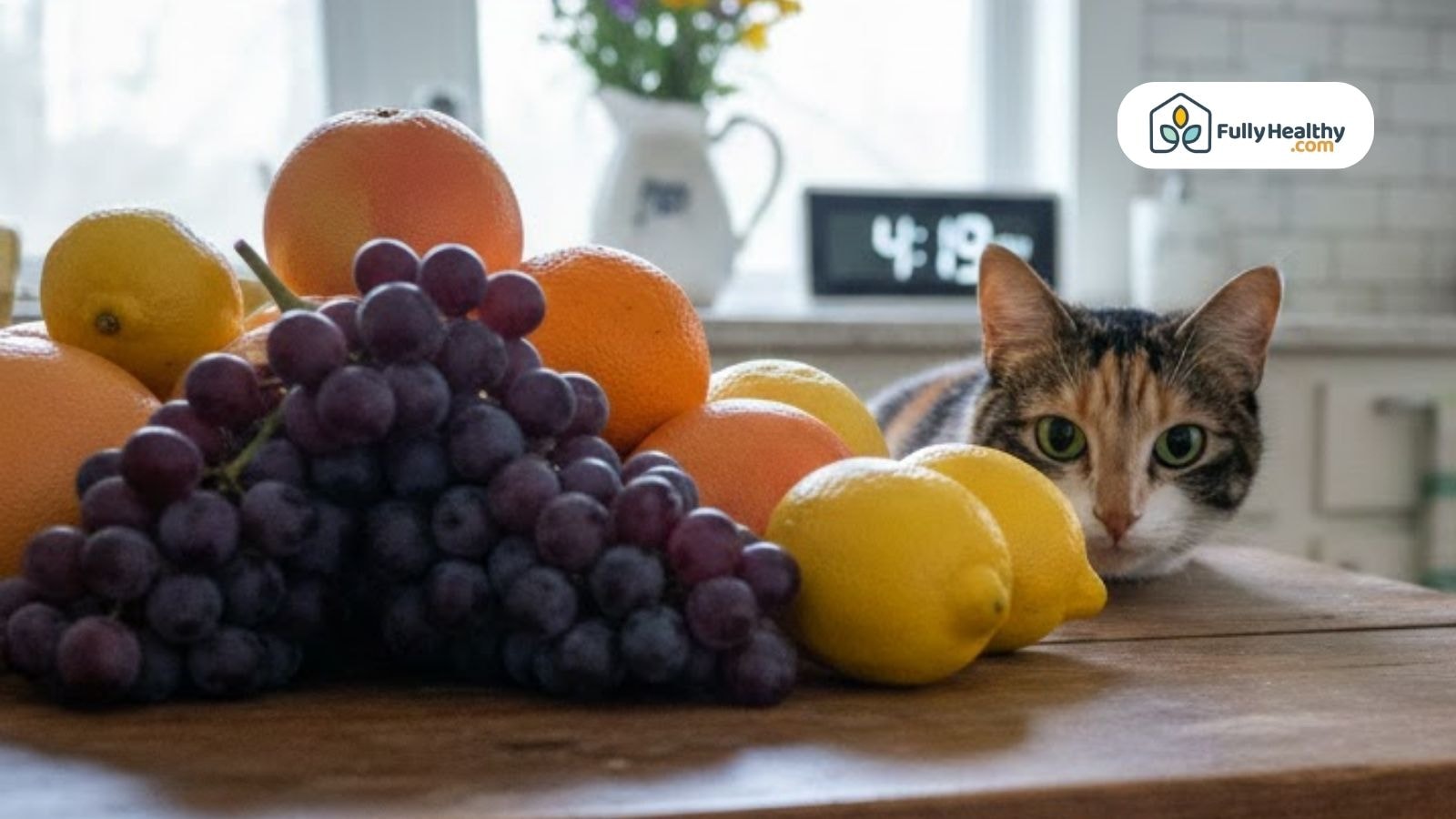
Some fruits are unsafe for cats, even in small amounts. Their bodies are not built to handle many plant compounds. Certain fruits are toxic, while others create avoidable risks without offering any real benefit.
-
Grapes and raisins: These are toxic to cats and linked to kidney health issues.
-
Citrus fruits: Citrus fruits contain oils that irritate digestive systems.
-
Stone fruits: Peaches and plums contain pits that pose choking hazard risks.
-
Unripe fruit: Immature fruits can cause stomach upset.
-
Apple seeds: Apple seeds contain compounds pets should steer clear from.
Seeds, Pits, and Citrus Oils
Seeds and pits often contain protective plant compounds that can harm pets. Citrus oils are concentrated and difficult for cats to digest safely. These risks explain why most fruits require strict preparation before exposure.
-
Cyanogenic compounds: Seeds may release substances that interfere with normal bodily functions.
-
Oil irritation: Citrus oils can irritate the mouth and digestive systems.
-
Choking hazard: Hard pits increase airway obstruction risk.
-
Digestive strain: Cats struggle to digest solid food plant parts.
-
Compound buildup: Multiple seeds increase toxicity risk.
What Is the Safest Fruit for Cats?
Fruits Most Often Tolerated by Cats in Tiny Amounts
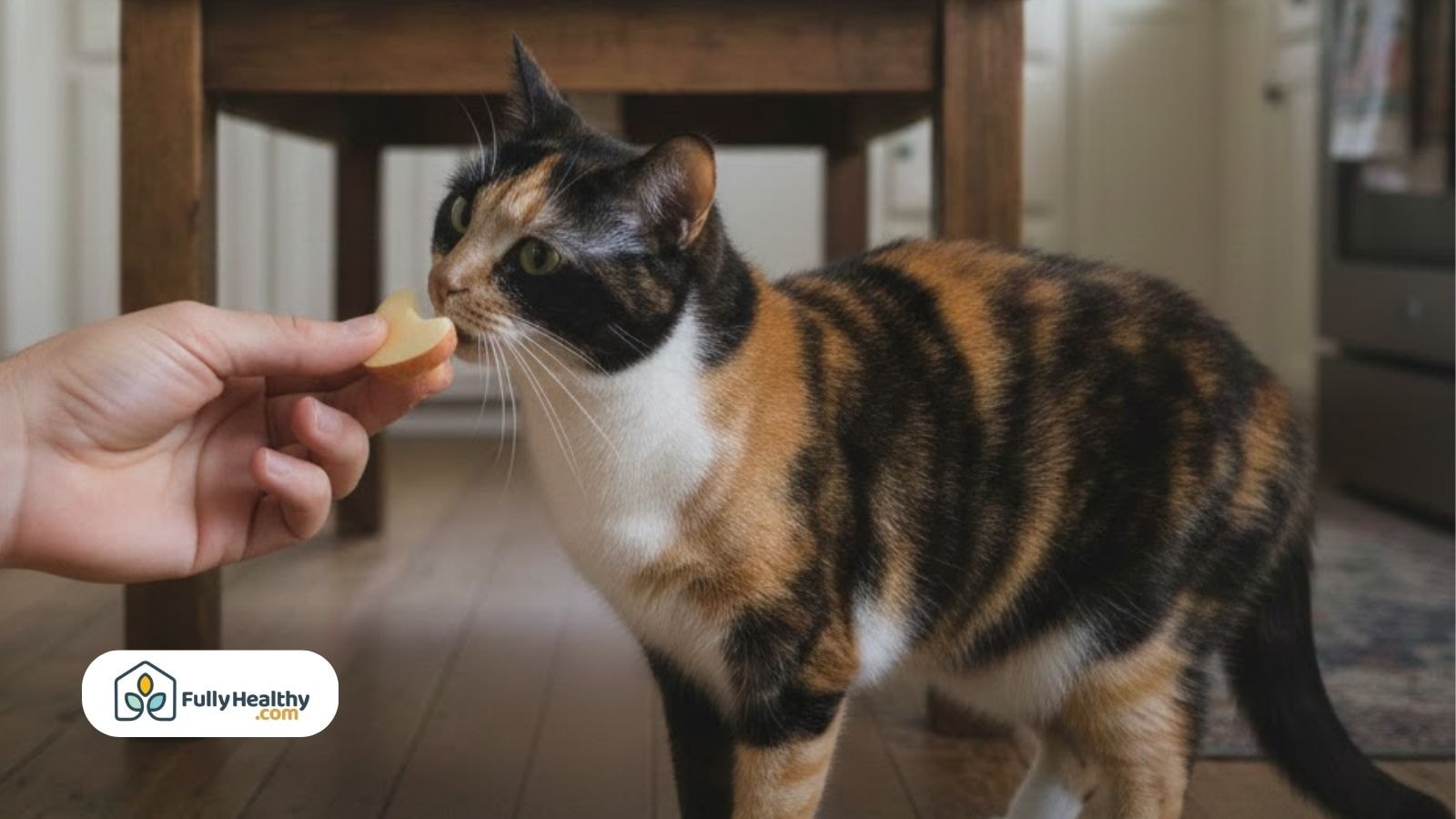
Cats don't need to eat fruit, but some fruits are better for them than others if you offer them carefully. People think these choices are better for cats because they are easier for them to digest and less likely to give them stomach problems.
-
Watermelon: Seedless watermelon offers hydration without high sugar impact.
-
Blueberries: Blueberries provide small amounts of vitamins and beta carotene.
-
Strawberries: Strawberries may offer limited vitamin C but should be given sparingly.
-
Pears: Pear flesh can be tolerated in small pieces when prepared properly.
-
Green beans: Green beans are often easier to digest than many fruits.
How Often Fruit Treats Are Actually Appropriate
A diet based on meat should never be interrupted by fruit if you want your cats to stay healthy. T reats should only make up a very small part of a pet's daily diet. If you give your pet fruit too often, it might not be able to digest it properly or absorb nutrients.
-
Ten percent rule: Treats should make up no more than ten percent of daily calories.
-
Occasional use: Fruit should be offered occasionally, not daily.
-
Diet priority: Meat and complete cat food must remain the main diet.
-
Portion awareness: Large quantities increase risk of stomach upset.
-
Health monitoring: Watch for digestive upset after introducing new foods.
FullyHealthy and Fruit-Based Products for People
What FullyHealthy Focuses On
FullyHealthy is an online store that offers clean-label, allergen-aware foods that are made for people, not pets. The platform focusses on clear labelling, simple ingredients, and food that is good for people's health.
-
Human-focused products: All items are developed as human food, not pet food.
-
Ingredient transparency: Products emphasize clear ingredient sourcing.
-
Dietary awareness: Options support people managing allergies or sensitivities.
-
Food quality: Items prioritize fresh ingredients and minimal processing.
-
Pet disclaimer: Products are not designed to support a cat's diet.
Fruit Snack Options Intended for Human Consumption Only
Fruit bars and apple-based snacks offered by FullyHealthy are meant for people seeking convenient snacks. These products may contain fruits like apples, pears, or fresh pineapple, but they are not safe for pets.
-
That’s It Apple Pear Fruit Bar (1.2 oz): A compact bar made from apples and pears, offering a naturally sweet option for on-the-go snacking.
-
That’s It Apple Cherry Fruit Bar (1.2 oz): Combines apple and cherry flavors into a dense fruit bar suited for quick energy between meals.
-
That’s It Apple Blueberry Fruit Bar (1.2 oz): Blends apples and blueberries into a smooth, fruit-forward snack with no complex preparation required.
-
That’s It Blueberry Probiotics Fruit Bar (1.2 oz): A blueberry-based fruit bar that includes added probiotics, designed for people interested in digestive support.
-
Bare Fruit Crunchy Organic Fuji Reds Apple Chips (3 oz): Crunchy, dehydrated apple chips made from organic Fuji apples for a crisp snack texture.
-
That’s It Apple Banana Fruit Bar (1.2 oz): A simple apple and banana combination crafted into a portable bar for everyday snacking.
Final Thoughts
So, can cats eat pears as a refreshing snack? Yes, but only in small amounts. Cats are strict carnivores, and their diet should always focus on meat, not fruit. Pears offer far less nutrition than meat, canned tuna, or complete cat food, and cats also cannot digest milk because they are lactose intolerant.
While some fruits contain compounds linked to cell protection, eye health, or reduced inflammation, these benefits matter much more for people than for cats. For pets, fruit should stay an occasional treat at most, offered carefully and never as a replacement for proper feline nutrition.
FAQs
Why do cats love pears?
Cats may eat pears out of curiosity, but true carnivores do not need fruit, and interest often comes from texture, novelty, or other foods nearby rather than nutritional value.
What is the silent killer of cats?
Toxic foods, untreated health issues, and digestive problems can be a silent killer of cats, especially when mixed with human food, other fruits, or items cats cannot digest milk from.
What is the one meat to never feed a cat?
Processed or spoiled meat should never be fed to cats, even if canned tuna seems safe in small portions, because poor-quality meat can cause serious issues.
What is the 3-3-3 rule for cats?
The 3-3-3 rule explains how cats adjust to new environments or new foods slowly, helping them safely enjoy changes without stress or digestive upset.
What smell do cats absolutely hate?
Strong smells like citrus fruits, vinegar, or certain cleaners are disliked by cats and can help keep them away from unsafe foods or areas.
Leave a comment