

Can Cats Eat Turkey? Your Holiday Leftover Guide
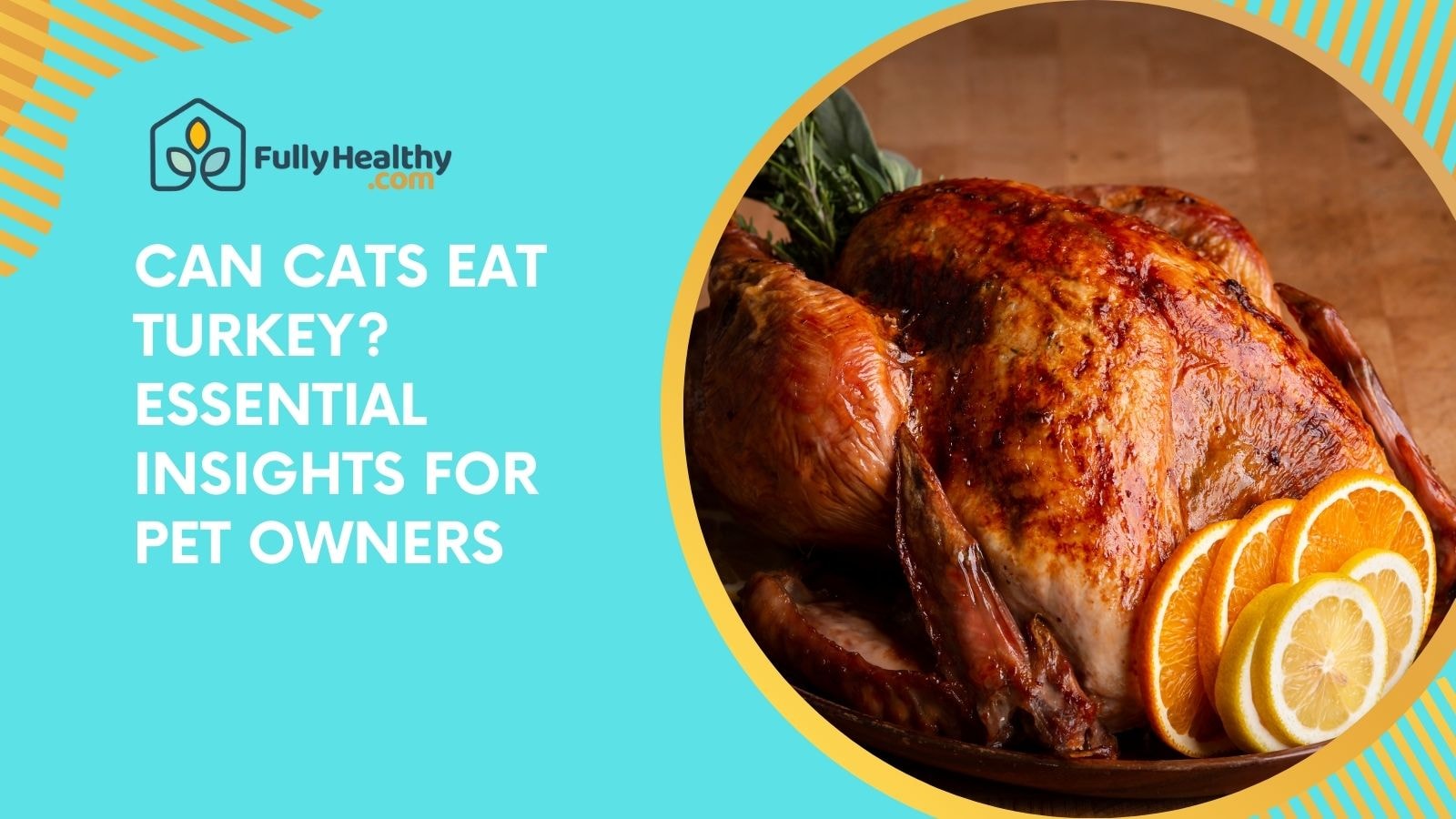 Photo Credit: Canva Pro
Cats can eat turkey as long as it's plain, cooked, and served in small amounts. It's best to stay away from deli slices, skin, and gravy. Turkey skin is high in fat and may cause gastrointestinal upset or pancreatitis in cats. Turkey is a good source of lean protein for cats, but too much or the wrong kind can be bad for them. Some cats might get sick from turkey, but this article tells you which turkey is okay and which to avoid.
Featured Kids Pick
Serenity Kids // Turkey Bolognese - 3.5 oz
Loading...
Can Cats Eat Turkey Safely?
 Photo Credit: Canva Pro
Turkey is safe for cats to eat, but not all of it is. Cooked, unseasoned turkey breast can be a healthy occasional treat for cats, but it should not replace a balanced feline diet. It gives your cat important nutrients like animal protein and amino acids, which help keep them healthy.
However, giving turkey the wrong way, like raw meat, turkey bones, or seasoned slices, may contain onion, garlic, or salt, which are toxic or harmful to cats.
What Nutrients In Turkey Benefit Cats?
A great way to get lean animal protein is to cook turkey and eat the white meat from the turkey breast. Cats need a lot of protein because they are obligate carnivores, which means they get all of their nutrients from meat. Taurine, B vitamins, and minerals found in turkey meat help a cat's immune system, heart health, and muscle function.
-
Essential Nutrients: Taurine, B6, B12, selenium, and zinc can be found in turkey.
-
Supports Muscle Health: Lots of lean protein, which is important for growth and repair.
-
Low in Carbs: Turkey that has been cooked is low in carbs, which is similar to what cats normally eat.
-
Nutritionally Dense: Even more so when served without the skin or fat.
How Much Turkey Is Too Much?
Turkey shouldn't be used instead of cat food. You can enjoy it as a rare treat once in a while or add it to home-cooked meals sometimes. If you feed turkey too much, its diet might not be balanced, which can cause health problems like obesity or a lack of nutrients. Never give your cat too much food.
-
Safe Portions: Most cats only need a teaspoon of turkey meat without the skin.
-
Feeding Frequency: Not more than twice a week.
-
Avoid Overfeeding: Too much meat can make cats eat less complete cat food.
-
Life Stage Consideration: Kittens eat turkey only in tiny, soft pieces.
Can Cats Have a Little Deli Turkey?
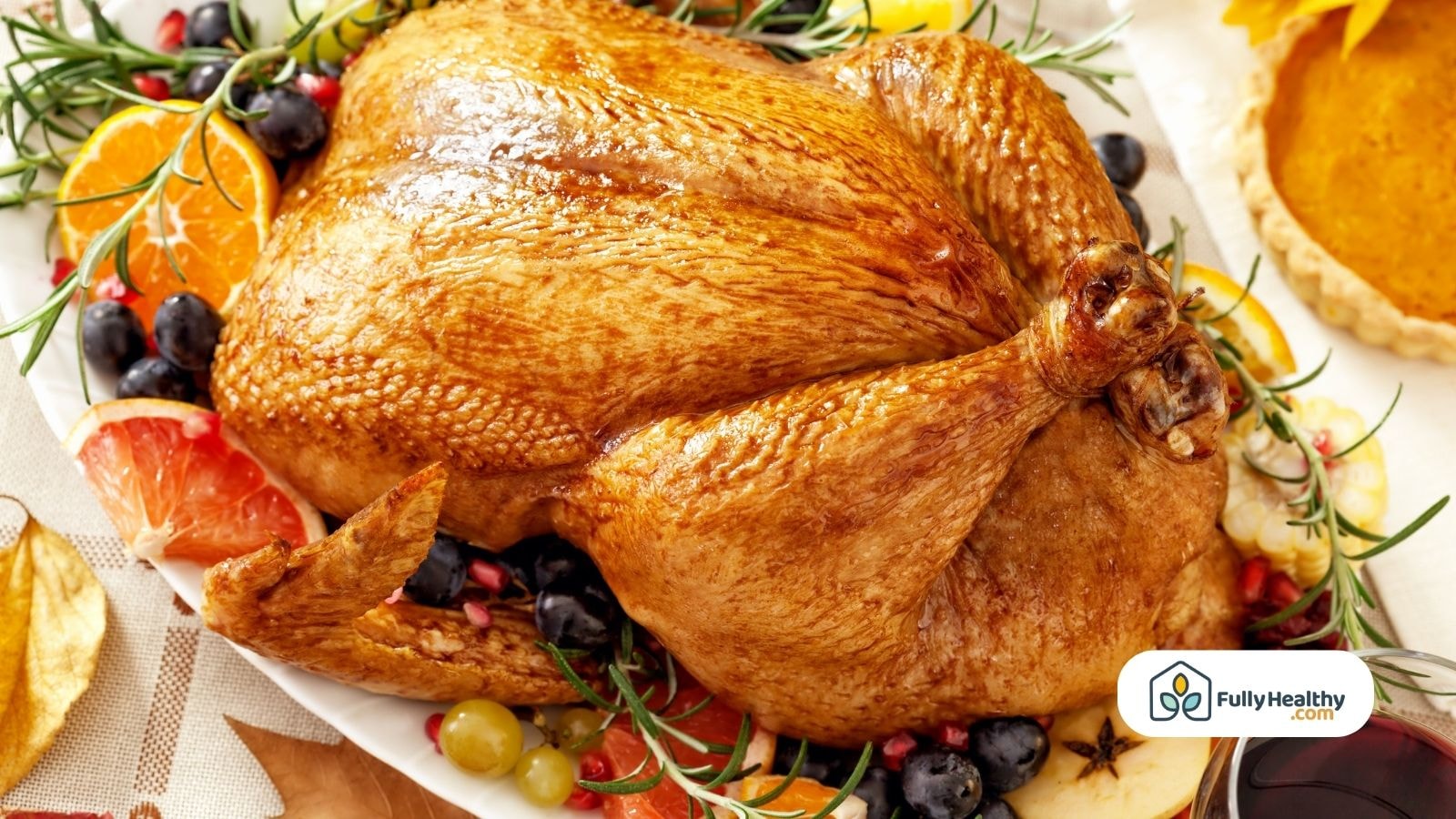 Photo Credit: Canva Pro
Cats can eat turkey, but not deli slices. There is a chance that the salt, preservatives, and spices in turkey lunch meat and turkey sandwich slices will hurt your cat's kidneys or digestive tract. Giving cats processed turkey can make them more likely to get stomach problems or even heart disease.
What’s In Deli Meats That’s Risky For Cats?
Deli meat has a lot of salt and other things in it that cats shouldn't eat. Some cats eat turkey bacon or last-day turkey sandwiches, but these foods can be bad for their health in the long run. Red blood cells in cats are especially at risk from things like garlic powder, onion, and nitrates.
-
High Salt Content: Makes you more likely to get kidney disease and become dehydrated.
-
Preservatives: Nitrates and nitrites used in processed meats may contribute to methemoglobinemia and other health risks in pets.
-
Seasonings: Garlic and other foods can kill red blood cells.
-
Fat Content: Being sick from turkey bacon and dark turkey meat is not a good idea.
Are Any Deli Turkey Options Cat-Safe?
If you have to feed deli turkey, pick plain slices that are low in salt and don't have any added chemicals. Even so, it's best to stick to plain cooked turkey that you make at home. If the turkey from Thanksgiving isn't seasoned, roast turkey is a safer choice than lunch meat.
-
Best Choices: Fully cooked turkey breast or ground turkey without the skin.
-
Avoid: Tastes like raw turkey, turkey skin, or turkey bacon that has been spiced up.
-
Feeding Turkey Safely: Before you serve the meat, take out the bones, fat, and seasoning.
-
Homemade Meals: To get a better handle on things, make homemade cat treats with plain turkey.
Why Is Turkey So Friendly to Cats?
 Photo Credit: Canva Pro
While Turkey has a notable street cat culture, the feeding of turkey meat is not universally practiced or nutritionally guided. This culture of care shows how turkey is seen as a natural part of a cat’s diet, not just a holiday meal.
Turkey’s Cultural Respect For Cats And Feeding Norms
In Turkey, cats are often thought of as part of the family. Cats are thought to be clean in Islam. People in the area often feed them leftover turkey, sweet potatoes, or other meat as a way to be kind.
-
Religious Tradition: The Prophet Muhammad liked cats a lot.
-
Cultural Practice: People often feed cats that live on the streets.
-
Community Support: White meat and skinless turkey pieces are among the foods that are shared.
Istanbul’s Street Cats And Communal Care
Most cats in Turkey live in semi-domesticated homes that are cared for by whole neighborhoods. Even restaurants safely feed cats turkey or ground meat leftovers. These things help cats stay healthy and are more common in everyday life.
-
Public Feeding Stations: Many offer cat food or turkey that has been cooked.
-
Street Cat Health: As they eat a lot of protein, they often do better than expected.
-
Awareness: It is usually best not to feed turkey bones or dark, fatty meat.
Can Turkey Give Cats Diarrhea?
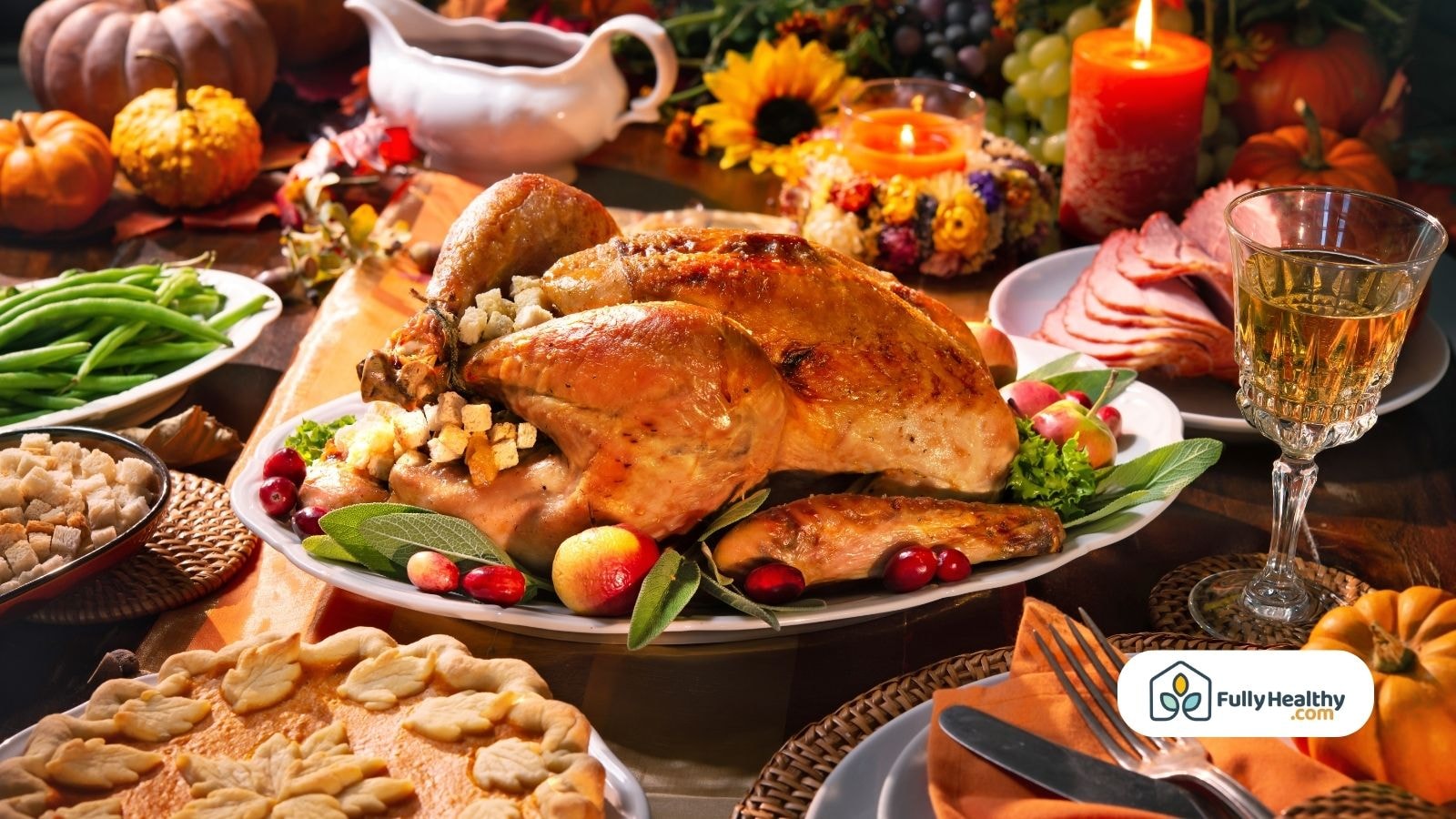 Photo Credit: Canva Pro
Turkey is mostly safe for cats to eat, but not all parts of the bird are good for them. If you feed your cat turkey skin, dark meat, or fatty trimmings, it could get gastrointestinal issues.
Turkey meat with a lot of fat, like the Thanksgiving turkey, can make you sick with diarrhea or even pancreatitis, which is very dangerous. To keep your cat healthy, you need to know how much turkey to give them and what kind is safe.
Why Fatty Turkey Can Trigger Digestive Issues
Cats can't break down fats from dark meat or turkey skin. These rich parts of turkey meat can make your digestive system upset, which can lead to diarrhea and stomachaches. If your cat eats too much fatty or undercooked food, they might have stomach pain, throw up, or not want to eat.
-
High Fat Risk: Dark meat and turkey skin add more calories without many important nutrients.
-
Pancreatitis Trigger: Diets high in fat can lead to pancreatitis in cats, though nervous system involvement is rare and not a direct consequence.
-
Gastrointestinal Impact: Turkey that is high in fat may make the cat sick or make its stools loose.
-
New Food Reaction: Eating habits can be thrown off by sudden changes.
Warning Signs After Feeding Turkey
Cats might act quickly if they eat unsafe parts of turkey. Watch out for pain, changes in energy, or changes in how the cat uses the litter box. If cats don't like new food, they might get tired or refuse to eat.
-
Digestive Red Flags: Diarrhea, throwing up, or being bloated.
-
Pain Symptoms: When you have abdominal pain, you might curl up or hide.
-
Behavior Changes: Not eating or changing how you act after meals.
-
Dehydration Risk: When kittens have diarrhea, they lose water, which is bad for them.
What Does Fully Healthy Offer For Cats And Turkey?
Fully Healthy doesn't sell cat food or turkey products for cats, but it does promote clean, allergen-free food. People who are looking into making their own pet food can use the same ideas when they feed their cat. Turkey meat is safe to feed as long as it is cooked, not seasoned, and given in small portions.
Do They Sell Turkey Products Suitable For Cats?
Things that are made just for cats won't be there, but turkey-based foods that aren't spiced may work for homemade treats.
-
Plain Foods Only: Leave out flavored turkey and sauces with added sugar.
-
Check Ingredients: Harmful bacteria and additives that are bad for you can hurt red blood cells.
-
Safe Cooking Required: Don't serve raw meat or turkey that has been processed.
How Do AIP And Allergen-Free Foods Relate To Pet Health?
Just like people, cats need to eat a balanced diet. Diets that are low in allergens may make it less likely for pets to have digestive problems or allergic reactions.
-
Low-Allergen Foods: Help the cat's health and reduce inflammation.
-
Cooked Only: Bad bacteria might be on raw meat.
-
Avoid Bones: Turkey bones splinter easily and can be choke hazards.
-
No Bone Fragments: It is very bad for cats' mouths and digestive systems to eat turkey bones.
Final Thoughts
Can cats eat turkey? Yes, but only when it's cooked, served plain, and in small amounts. Turkey is a healthy meat for your cat to eat because it has more iron, amino acids, and important nutrients than some other meats. Don't give your cat anything else, because only balanced food is good for their health.
Keep bones away because they could choke, and don't feed them raw meat. Complete commercial cat foods are designed to support red blood cell function and digestive health; mother’s milk is only appropriate for kittens. When making homemade meals for cats, use turkey wisely to keep the calorie content low and help them eat well.
FAQs
Are cats allergic to turkey?
Some cats can be allergic, but most cats eat turkey safely as long as the food is plain meat and supports cat's health.
Is cold turkey good for cats?
Cold, cooked turkey may be offered if it is free of bones, skin, and seasoning; however, it should be introduced gradually to avoid digestive upset.
Does turkey make cats sleepy?
Turkey has essential nutrients and meat proteins, but it doesn’t affect red blood cells or cause sleep; monitor for abdominal pain after new food.
Can cats eat eggs?
Yes, eggs are safe with cat food or homemade meals, but like meat, eggs must be cooked to protect red blood cells and cat's health.
Is tuna good for cats?
Cats love tuna, but too much can hurt cat's health; balance food with meat like turkey and other essential nutrients for strong red blood cells.
Leave a comment