

Can Cats Have Honey? Health Risks, Myths, and What to Do Instead
 Photo Credit: Canva Pro
Many pet owners wonder, can cats have honey? They can, but it is not good for cats. Honey isn't toxic, but it can make cats gain weight and make their stomach hurt. Cats don't need sugar or sweet treats, they need protein from meat.
People might benefit from honey, but cats don't benefit from it at all. You can keep your cat safe and healthy by knowing the risks.
🍯 Spread, Stir & Sweeten – Go Natural with Madhava Honey!
Can Cats Eat a Tiny Bit of Honey?
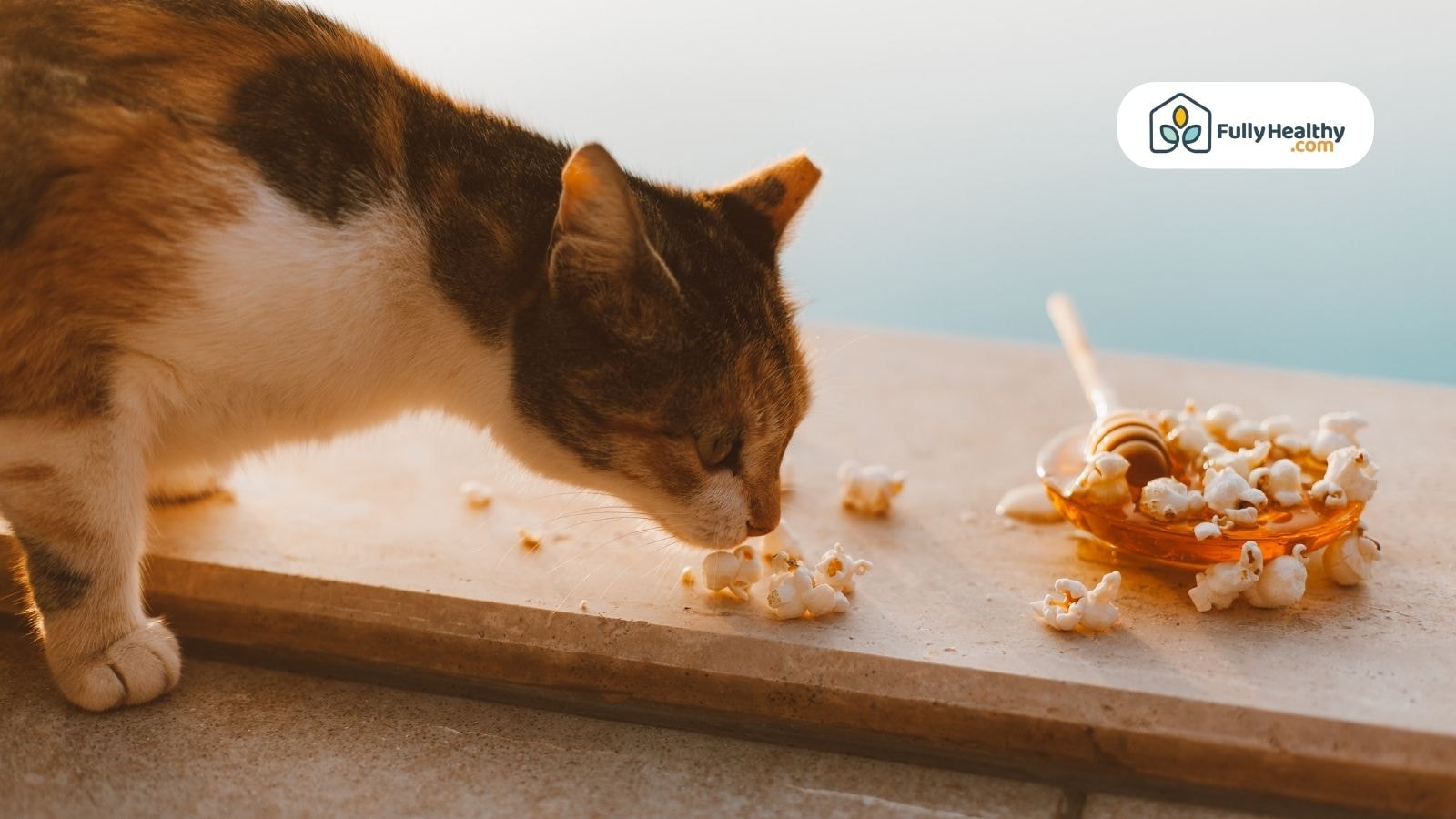 Photo Credit: Canva Pro
Do Cats Love Honey?
Cats don't want sweet tastes because they don't have the taste receptors that pick up on sweetness. But most cats are curious, and they might enjoy honey’s smell, texture, or chance to share a "treat" with their owner.
-
Scent-based interest: Honey has a flowery smell that cats like.
-
Texture curiosity: Cats might be interested in sticky foods.
-
Learned behavior: Many cats eat honey simply by copying their human.
-
No sweetness detection: Cats lack the gene to taste natural sugars.
-
Not a sweet treat: Feeding honey doesn't make the food taste better for them.
What Happens If a Cat Licks Honey
It's possible that a small bit of honey won't hurt your cat, but that doesn't mean it's good for them. Sugar is hard for cats' bodies to handle, and even small amounts can make their stomachs upset. Feeding honey disrupts the balance in your cat’s digestive system and may cause unnecessary discomfort.
-
Digestive reaction: Upset stomach, vomiting, or diarrhea may follow.
-
Blood sugar risk: This is especially bad for cats with diabetes or compromised immune systems.
-
No nutritional benefits: Honey is full of empty calories and not any amino acids or other important nutrients.
-
Not toxic to cats: Honey isn’t toxic, but it’s still unsuitable for regular food.
Is Honey an Antibiotic for Cats?
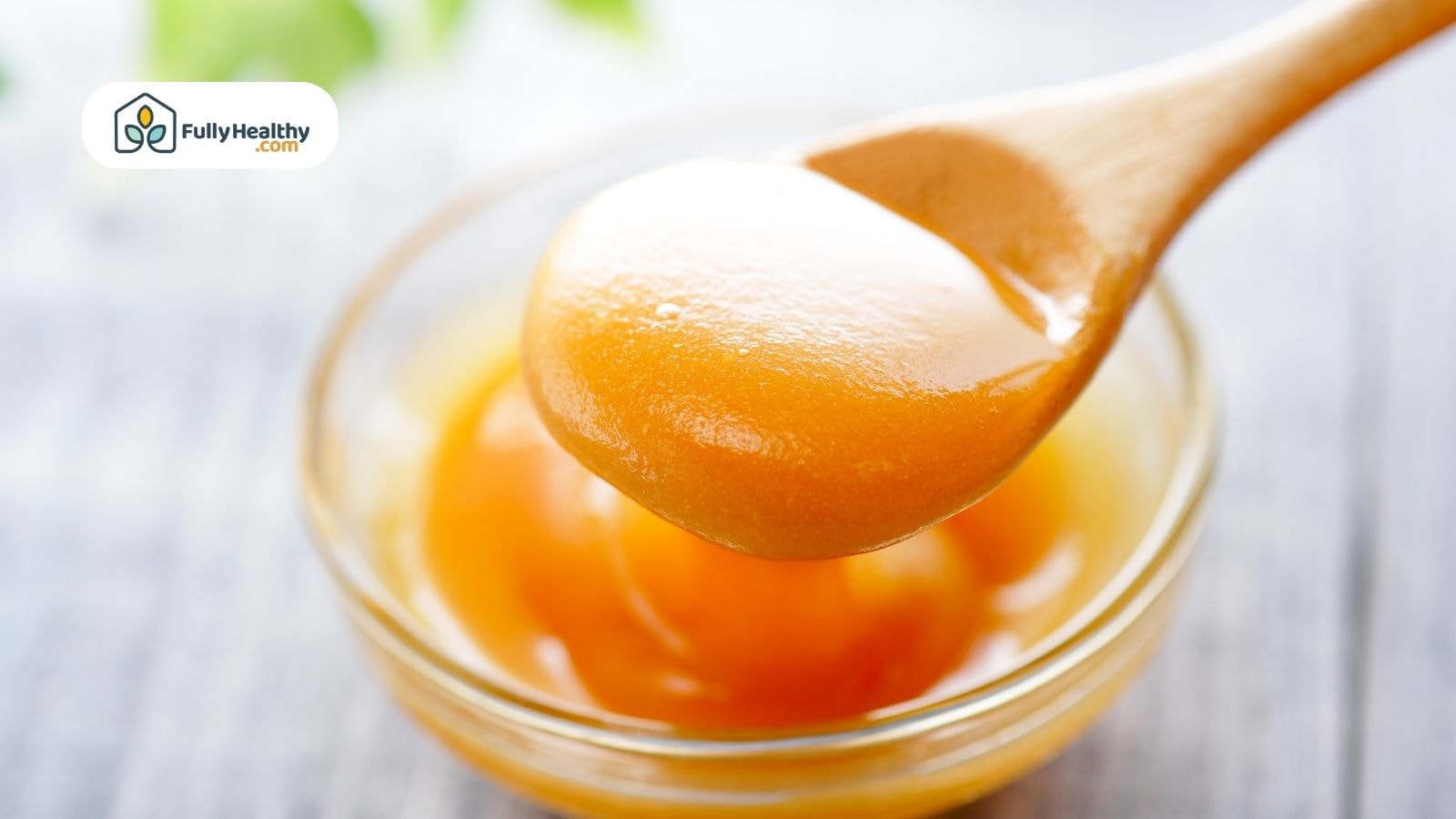 Photo Credit: Canva Pro
Medical-Grade Manuka Honey
Raw manuka honey has a strong antibacterial compound called methylglyoxal (MGO) in it. In veterinary medicine, manuka honey is put on wounds to help them heal and kill bacteria. Cats should not eat it.
-
High MGO content: This compound is what gives manuka honey antibacterial power.
-
Sourced with care: Only certain New Zealand bees produce this type of honey.
-
Vet-approved: For wound care in animals, manuka honey is approved for topical use, but cats shouldn't eat it.
-
Not like raw honey: Regular raw honey or local honey doesn’t have the same benefits.
-
Used in humans and pets: Veterinary-grade manuka honey is also used to treat wounds on babies.
How Honey Help Wounds in Cats
In clinical settings, manuka honey has been used to treat wounds on cats and dogs for its anti inflammatory properties. It keeps them from getting infections, pulls moisture out of the skin, and helps tissues grow back in safe, controlled ways.
-
Used externally only: Never intended for cats to eat honey, even medical types.
-
Reduces infection risk: Helps kill bacteria and manage wound healing safely.
-
Promotes healing: Can speed recovery after injury or surgery in healthy cats.
-
Supports veterinary care: Used with bandages or creams.
-
Not a home remedy: Feeding honey to help wounds is not safe or effective.
What Kind of Honey Is Best for Cats?
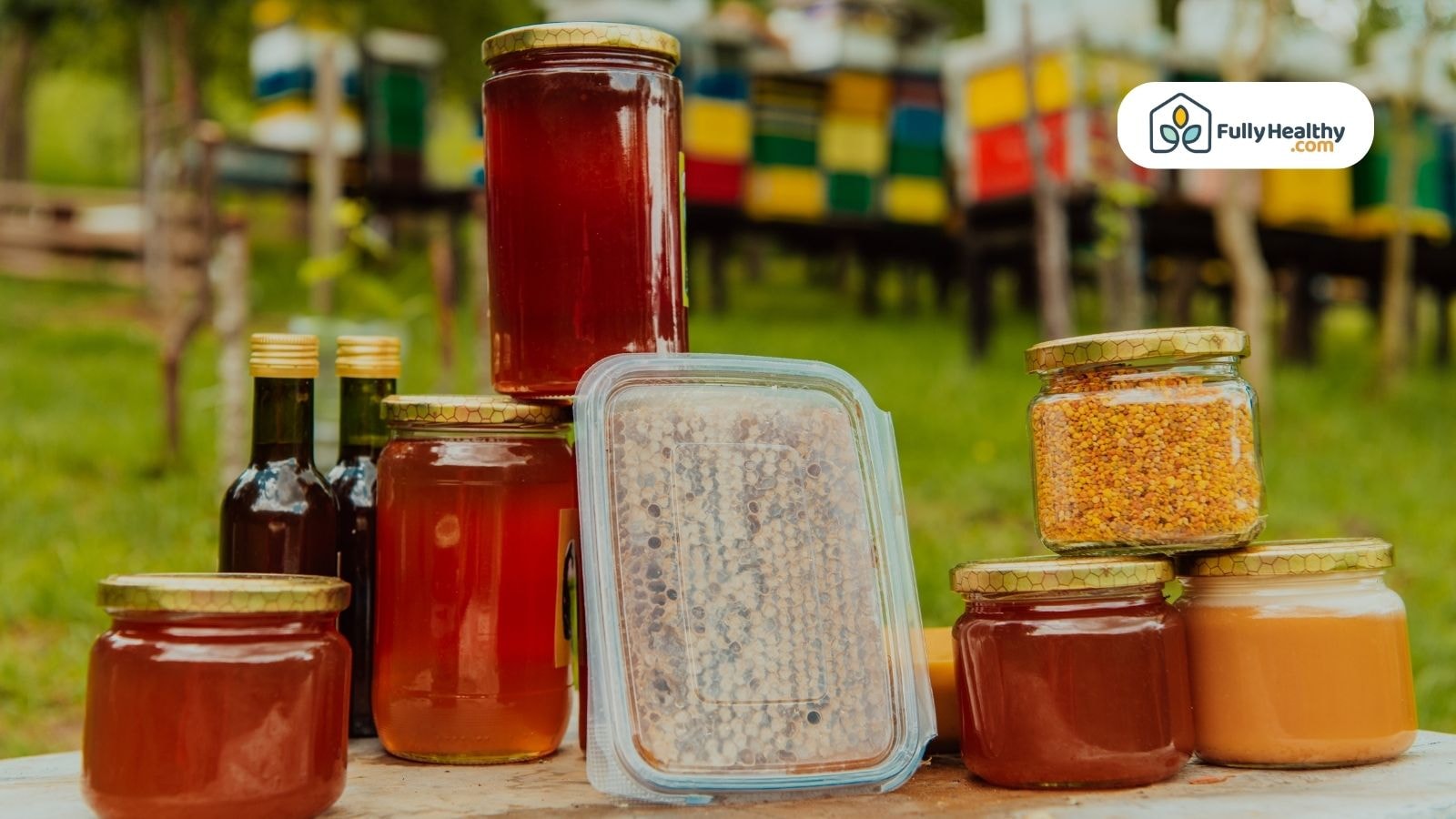 Photo Credit: Canva Pro
Types of Honey Safer Than Others for Cats
Some pet owners assume that raw honey or unpasteurized honey is better than commercial honey. Cats should not eat any kind of honey, regardless of if it is creamed, local, or organic. All of them have a lot of sugar and can make their stomach hurt.
-
Raw vs. pasteurized: Both still carry bacterial spores that can harm cats.
-
Local honey myths: Popular for humans to combat allergies, but not for cats.
-
Organic isn't safer: Still full of natural sugars cats can’t digest.
-
Unfiltered honey risk: May contain pollen or bee parts that irritate the gut.
-
Creamed honey: Just whipped, same sugar content, no better for feline health.
Can Cats Eat Raw or Processed Honey?
Cats shouldn't eat either raw honey nor processed, pasteurized honey. Both have risks, such as bacterial spores, allergic reactions, and too much sugar with no real nutritional value.
-
Botulism risk: Especially dangerous for kittens, like in human babies.
-
Digestive upset: Even small quantities may cause vomiting or diarrhea.
-
High sugar content: Adds stress to the cat’s liver and blood sugar levels.
-
No essential nutrients: Honey’s health benefits don’t apply to obligate carnivores.
-
No benefit over processed types: Raw doesn’t mean safe for cats to eat.
Can Honey Help with Hairballs in Cats?
 Photo Credit: Canva Pro
How Honey Affect Digestion
Some cat owners think that honey can help their cats get rid of hairballs, but cats can't digest natural sugars.
-
Sugar stress: Cats lack enzymes to handle glucose.
-
Digestive upset: Loose stool or vomiting can follow.
-
No real value: Honey bad for hairball prevention in cats.
Natural Remedies Using Honey
Honey is sometimes used in home remedies, but adding honey to a dog's food for hairballs is not recommended by veterinarians. Fiber-rich diets, staying hydrated, grooming, and oil supplements provide potential benefits that might help cats' health without hurting it.
-
Fiber diets: Hairball formulas with added fiber push fur through.
-
Hydration boost: Wet food and water improve digestion.
-
Oil supplements: Vet-approved oils help coat swallowed hair.
-
Grooming: Regular brushing removes loose fur.
-
Skip feeding honey: No potential health benefits for cats.
More Than Honey – Inside FullyHealthy
About FullyHealthy
FullyHealthy is a clean-label market that focuses on AIP-compliant foods that are good for both people and their pet's health. Its goal is to offer goods that don't have any added ingredients, allergens, or artificial sweeteners.
-
Allergen-conscious sourcing: All products meet strict dietary standards.
-
Transparent ingredients: Full ingredient lists with no hidden preservatives.
-
Health-focused mission: Supports gut health, immune function, and balanced living.
-
Veterinary-safe options: Some items, like honey, are labeled for animal-safe uses.
-
Not just honey: Products include cereals, oils, and natural sweeteners.
Honey-Based Products We Offer
Two featured products showcase honey’s potential when used wisely in small quantities, not as part of a cat’s diet.
-
Madhava Organic Creamed Honey: Made with unpasteurized honey from wildflowers, ideal for humans, not safe for cats.
-
Lovebird Rise and Fly Honey Cereal: A lightly sweetened, AIP-friendly option using organic honey and cassava flour.
-
No artificial sweeteners: Both avoid refined sugars or high-intensity alternatives.
-
Coconut-free options: Great for allergy-sensitive households.
-
Good for humans, not cats: These items are not safe for cats to eat regularly.
Final Thoughts
So, can cats have honey? The answer is technically yes, but adding honey to your cat's food has no benefits. Giving cats honey won't help them get rid of a sore throat or gain weight. It might even make their stomach hurt. Animal protein, not sugar, is what cats need.
Honey might be good for your health, but only for humans. It doesn't help animals that have to eat meat. Before putting something new in your cat's bowl, you should always talk to your vet.
FAQs
Can cats have honey for a sore throat or weight gain?
Can cats have honey is asked a lot, but it causes stomach upset and doesn't help sore throat or weight gain in cats.
Is feeding cats honey bad?
Feeding honey may sound natural, but honey is for feline companion due to sugar and no animal protein.
What if a cat licks honey, any possible benefits?
A tiny lick offers no possible benefits and may upset their digestive system.
Why do cats love honey?
Cats don’t love honey for sweetness, but curiosity, not for animal protein, which they actually need.
Are there health benefits of adding honey to cats?
There are no potential health benefits of adding honey to cats since they can’t process sugar like humans.
Leave a comment