

Can Cats Have Olive Oil? See the Safe Amount for Your Cat Today
 Photo Credit: Canva Pro
Can cats eat olive oil? Yes, but not too much. While not toxic, olive oil is not an evidence-backed remedy for constipation or hairballs. Always consult a vet before using it therapeutically. But giving too much can make you gain weight or get diarrhea.
You shouldn't give your pet this instead of regular vet care or a healthy diet. Today, we'll talk about when it's safe to use, how much to give, and the best ways to do it.
Featured Pantry Pick
Graza // Sizzle Extra Virgin Olive Oil - 750ml
Loading...
Can Cats Have Olive Oil?
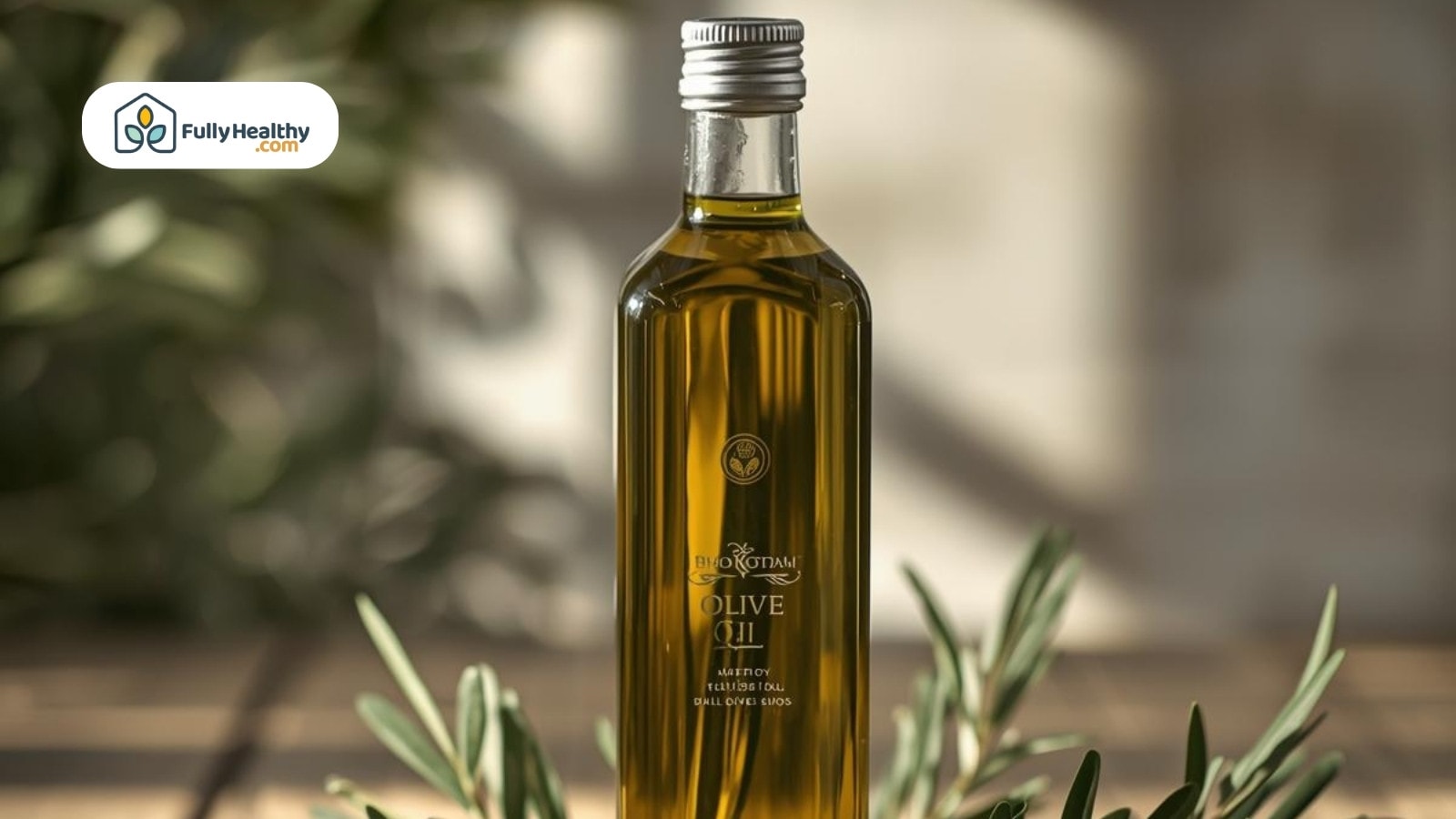 Photo Credit: Canva Pro
Cats can eat olive oil if they mix it into food or lick it off of plates. But is it safe for cats to eat olive oil? Yes, but only in small amounts. Olive oil is non-toxic to cats but should not be used regularly without veterinary approval due to its high fat content and possible health risks. Too much can make your stomach hurt.
Is Olive Oil Safe for Cats to Eat?
For cats, olive oil is not poisonous. Although, cats are obligate carnivores, so this food doesn't provide them with much nutrition. Using a little olive oil is fine, but too much can be bad.
-
Olive oil safety: It's non-toxic, but should only be used in small amounts.
-
Extra virgin olive oil: This is better than vegetable or coconut oil because it’s less processed.
-
Avoid flavored oils: Stay away from oils with garlic or herbs, as they can be harmful.
-
Watch the fat: Too much oil adds calories that cats don’t need, especially indoor cats.
Side Effects of Olive Oil in Cats
If you give your cat too much olive oil, even good olive oil, it can make them sick. For some cats, new foods are also too much or cause allergies.
-
Common problems: Diarrhea, vomiting, or loss of appetite can happen.
-
Health risks: Olive oil should be avoided in cats with diabetes, heart disease, or weight loss issues due to its caloric density and potential to interfere with prescribed dietary management.
-
Choking hazard: Large olive pieces or pits can block your cat’s throat or gut.
-
Better options: Ask your vet about cat-safe oils like krill oil or fish-based supplements.
Can I Give My Cat Olive Oil to Help Her Poop?
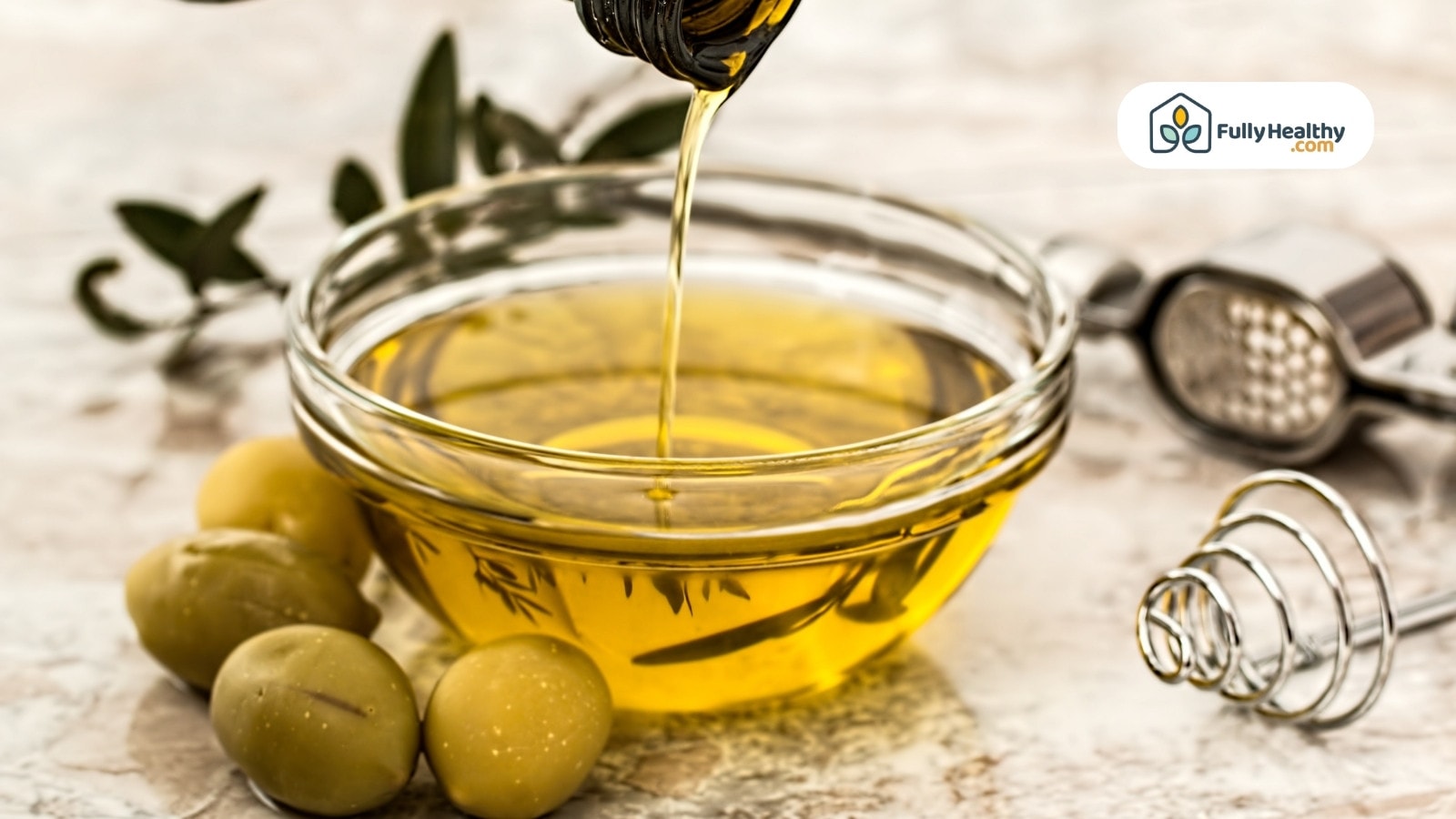 Photo Credit: Canva Pro
You might think that a little olive oil could help your cat go to the bathroom. Yes, but only in mild cases. Olive oil can help in the short term, but it won't fix problems that last.
How Olive Oil Acts as a Natural Laxative
It's possible that olive oil will help your cat poop by making stool easier to pass through the body. It works best when you mix it into food instead of forcing it.
-
Mild laxative effect: It can help move things along in the digestive tract.
-
Use with food: Mix into wet food, don’t give it straight.
-
Only a tiny bit: A small dose (about ¼ tsp) is usually enough.
-
Talk to your vet: Always check before giving human food to pets.
When to Use Olive Oil at Home, And When Not To
If you only have mild constipation once, olive oil should be fine. It won't help if your cat hasn't gone to the bathroom in two days or looks like it hurts.
-
Safe use: ¼ to ½ teaspoon mixed with food is enough.
-
Avoid syringes: Never squirt oil into your cat’s mouth—it can cause lung problems.
-
Skip the flavors: No garlic, herbs, or salt. Stick with plain extra virgin olive oil.
-
Check the diet: Constipation may be linked to dry food or low water intake.
How Much Olive Oil Do I Give My Cat for Hairballs?
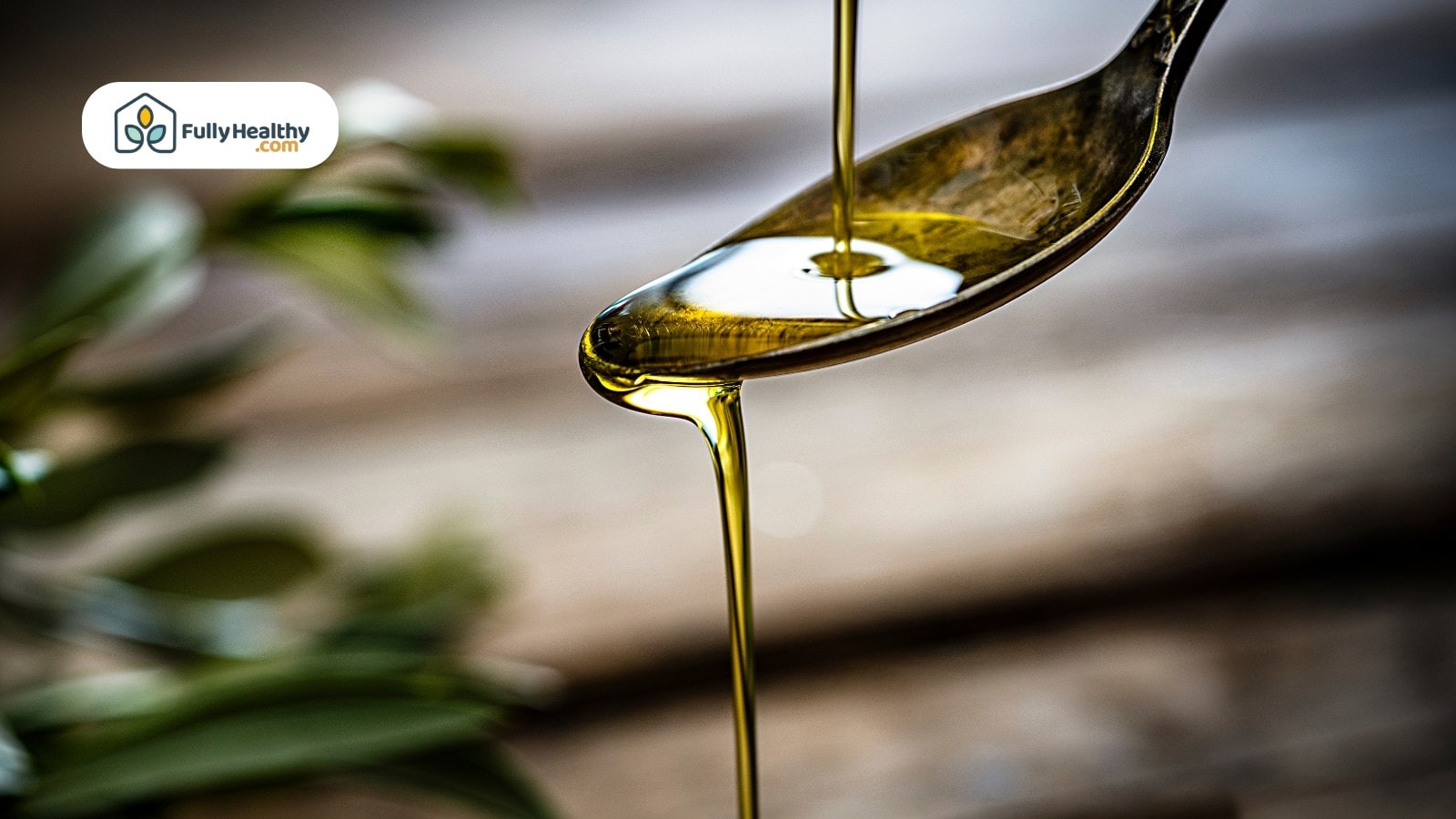 Photo Credit: Canva Pro
Hairballs in cats can sometimes be gotten rid of with olive oil. It can stick to the hair that you swallow and move it through your digestive system. That being said, it's not a daily fix.
Proper Olive Oil Dosage for Hairball Control
A little olive oil might help get rid of hairballs, especially in dogs with long hair. But don’t depend on it too much.
-
Weekly dose: It should not exceed ¼ to ½ teaspoon per week for an average adult cat, and only under veterinary supervision.
-
Best oil type: Choose cold-pressed extra virgin olive oil.
-
Mix with food: Don’t give it alone, add it to wet food.
-
Monitor results: If hairballs keep coming, try another solution.
Alternatives to Cats Eat Olive Oil for Long-Term Hairball Prevention
When you have hairballs, olive oil isn't the only thing you can use. You can better control them if you take better care of their appearance and diet.
-
Healthy skin support: Omega-3-rich foods help prevent dry skin and shedding.
-
Switch diets: Use moist, high-protein food instead of dry food.
-
Try fish oils: Krill oil or salmon oil can support your cat’s immune system and coat.
-
Groom often: Regular brushing removes loose hair before it’s swallowed.
Can I Give My Cat Olive Oil in a Syringe?
 Photo Credit: Canva Pro
Some cat parents wonder if it's okay to use a syringe to give their cat olive oil when it is having trouble going to the bathroom. This method may look like a quick fix, but it can hurt you more than help.
Why Syringe Feeding Is Risky Without Vet Guidance
Cats don't do well with being forced to eat like people do. It is very dangerous to give olive oil through a syringe because it can cause choking or lung infections. That being said, you shouldn't use this method unless your vet tells you to.
-
Risk of aspiration: Forcing oil into your cat’s mouth may cause them to inhale it, leading to pneumonia.
-
Stomach upset: Cats eat olive oil better when it’s mixed with food, not given directly.
-
Fear of feeding: Syringe feeding can make your cat fearful of eating or being handled.
-
Smarter option: Mix a small amount of oil into wet food for a safer and calmer experience.
Safe Ways to Add Little Olive Oil to Your Cat’s Diet
A little olive oil might help if your kitty ate something dry, has hairballs, or is just a little bit constipated. But it needs to be added in a safe and right way.
-
Use the right dose: No more than ¼ to ½ teaspoon for an adult cat.
-
Pick extra virgin olive oil: It’s richer in antioxidants and fatty acids than vegetable oil.
-
Stay away from flavored oils: Oils with garlic, herbs, or green olives are not good for cats.
-
Avoid large amounts: Too much oil can cause vomiting, diarrhea, or other issues.
What Fullyhealthy Offers for Cat-Safe Olive Oil Use
We humans call olive oil "liquid gold" because it is so good for you. Only a few types of oil are safe for our pets, mostly cats, and only in very small amounts. There are some clean, good options on FullyHealthy that you might want to check out.
Olive Oils Available at Fullyhealthy
They sell high-quality olive oils that are pure and don't have any added chemicals that are bad for you. These oils are made for people, but small amounts can be used around pets if the vet says it's okay.
-
Graza Sizzle: A mellow extra virgin olive oil made for cooking. Use tiny drops if adding to pet food.
-
Graza Drizzle: An early-harvest olive oil, great for raw use and rich in natural antioxidants.
-
Use with caution: Add a small amount only, too much may cause gastrointestinal upset.
-
Avoid salt and flavors: Stay away from any oil with high sodium content or infused with herbs.
Wild Planet Yellowtail Fillets: A Cat-Friendly Option
Are you looking for something healthier? Fullyhealthy also has Wild Planet Yellowtail Fillets in Olive Oil, which, when served the right way, can be a nice treat for cats.
-
Nutrient-rich: Contains healthy fats, vitamin E, and protein, good for cats in small portions.
-
Clean ingredients: Made without garlic, onions, or anything toxic to cats.
-
Serve as a treat: Give a few small bites, not the whole can.
-
Caution for diabetic cats: Monitor calories, especially if your cat has health issues or eats dry food.
Final Thoughts
When used the right way, olive oil can be good for your furry friend. Even though small amounts are thought to be safe, giving too much, a tablespoon may cause gastrointestinal upset such as vomiting or diarrhea, especially in smaller cats. It's best to only use it sometimes and mix it with food at all times. If your dog or cat eats olive oil, you need to be careful with it. Talk to your vet if you need more help.
If it has pits or extra salt, even a small olive can be bad for you. If you're looking for something else, small bites of tuna in olive oil might work. Remember that what's good for dogs might not be good for cats. Food habits that are good for your pet's health will keep them safe and help them to live long.
FAQs
Is olive oil beneficial for cats and dogs?
Yes, the benefits olive oil offers include smoother digestion, better coat health, and mild laxative effects, but only when used safely.
Can a dog eat a tablespoon of olive oil?
While it may seem small to humans, a tablespoon can be too much for a dog, especially smaller breeds.
Is a small olive safe for pets?
A small olive without pits may be considered safe in rare cases, but pits can cause intestinal obstruction.
Can tuna in olive oil be given to pets?
Yes, tuna in olive oil has health benefits in half-teaspoon portions, but not on a regular basis.
Where to get more answers about olive oil for cats?
For more answers, ask your vet, they’ll guide you on what’s safe for your furry friend and protect their long-term health.
Leave a comment