

Can Cereal Expire? What to Check Before Eating Old Cereal
Can cereal expire after sitting in the pantry for months? Yes, but most cereal becomes stale before it becomes unsafe to eat. Storage conditions, moisture, heat, and ingredients all affect shelf life and freshness.
This guide explains how long cereal lasts, how to spot spoiled cereal, the best ways to store cereal, and which breakfast cereals may not be the healthiest choice for your pantry.
Can Cereal Expire?
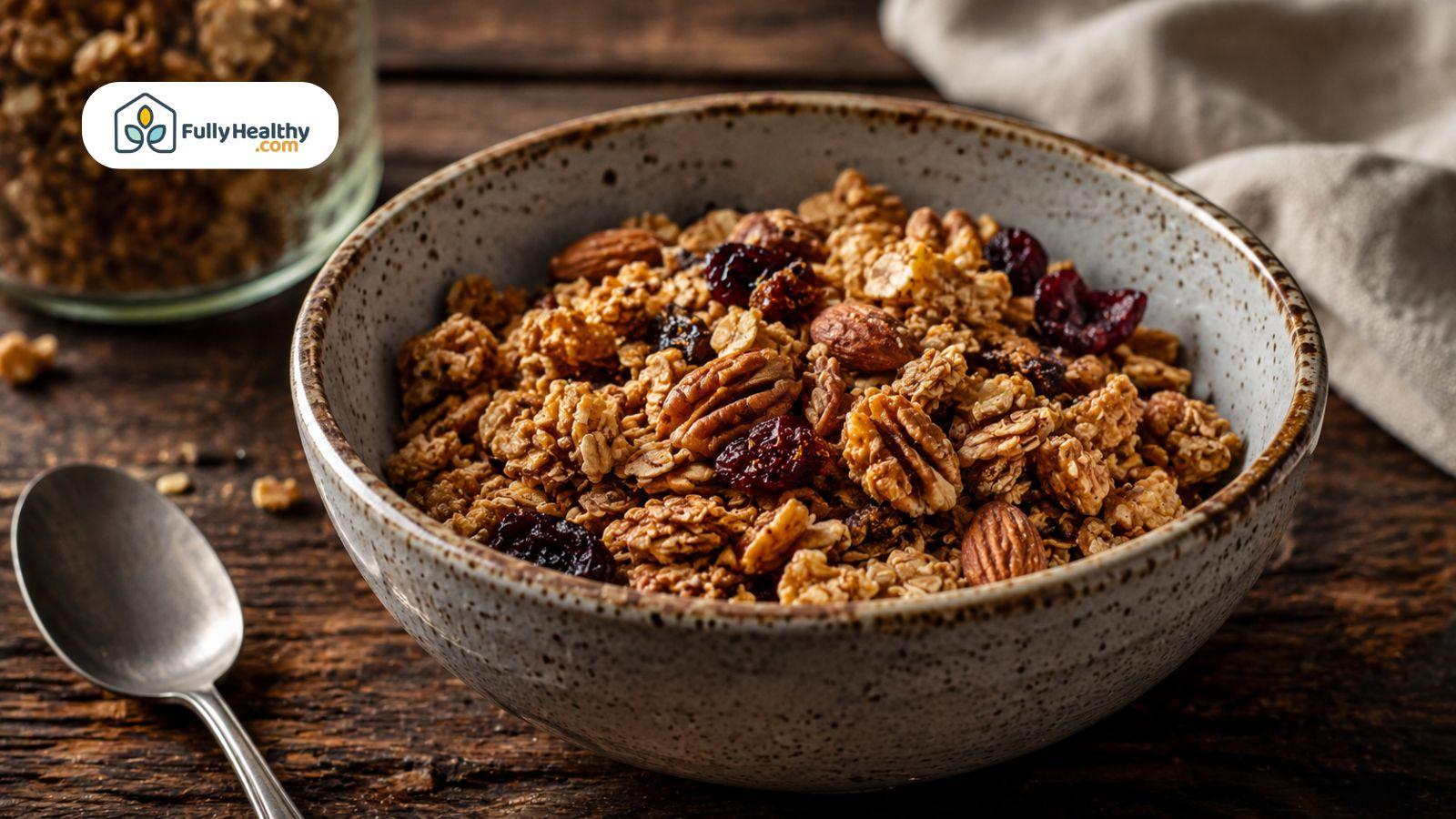
An old box sitting in the pantry often raises the question of if cereal can expire after the printed date passes. Most cereals stay safe to eat much longer than expected, although the taste and texture slowly change as freshness declines.
What “Best By” Dates Mean for Dry Cereal
Yes, cereal can expire, but most dry cereal becomes stale before it becomes unsafe to eat. The best by date on cereal boxes mainly shows when the cereal keeps peak quality, flavor, and crunch instead of the exact point when the food goes bad.
-
Best By Date: The printed date on cereal boxes refers to freshness and flavor quality.
-
Shelf Life: Unopened cereal often keeps its best quality for about 6 to 12 months after the best by date when stored properly.
-
Food Safety: Dry food with low moisture is usually lower risk than fresh foods, but it should still be checked for spoilage.
-
Higher Fat Cereals: Cereal with nuts, whole grains, or natural fats can go bad faster.
-
Taste And Texture: Old cereal may lose crunch and develop an unpleasant taste gradually.
How Long Opened and Unopened Cereal Usually Lasts
How long does cereal last depends heavily on cereal storage, moisture exposure, and storage conditions inside the pantry. Opened cereal loses freshness faster because air reaches the inner bag every time the box opens.
-
Unopened Box: A sealed box of cereal stored properly can often keep good quality for several months past the best by date.
-
Opened Cereal: Most opened cereal stays fresh for about 2 to 3 months.
-
Cool Dry Pantry: A cool dry dark place minimizes exposure to humidity and preserves cereal longer.
-
Proper Storage: Airtight containers help cereal last longer after opening the original box.
-
Whole Family: Large cereal boxes opened daily usually become stale cereal faster because of repeated air exposure.
How to Tell if Cereal Is Bad?
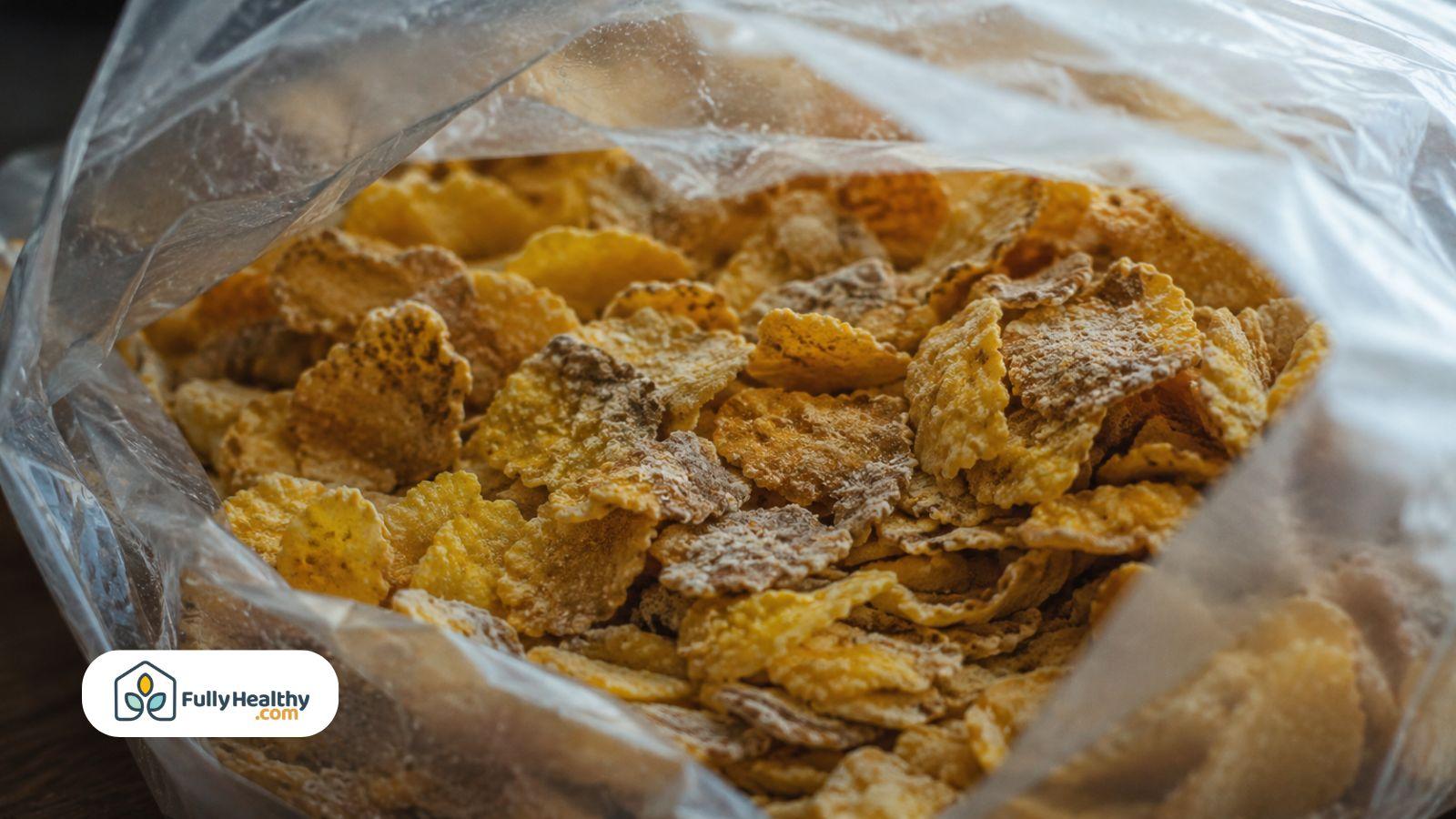
Expired cereal usually shows noticeable changes before becoming unsafe to eat. Smell, flavor, texture, and moisture exposure often reveal if cereal go bad inside the pantry.
Signs Your Cereal Has Gone Stale or Unsafe
Stale cereal often loses crunch and develops an unpleasant taste instead of the fresh flavor expected at breakfast. A rancid smell is also a sure sign that the natural fats inside the grains have started breaking down.
-
Rancid Smell: Sour or oily odors mean the cereal should not be eaten.
-
Pantry Moths: Bugs or insects inside cereal boxes indicate contamination.
-
Moisture: Clumps or soggy flakes show that humidity reached the cereal.
-
Smell Bad: Moldy or strange odors usually signal spoiled food.
-
Flavor: An unpleasant taste often develops before visible spoilage appears.
Simple Tests to Check Cereal Before Eating
People sometimes eat cereal past the best by date safely after checking for bad smell, mold, moisture, or pests. Most cereals only become stale unless moisture, heat, or pests affect the food storage conditions.
-
Crunch Test: Try snapping a piece of cereal in half. A soft texture with little or no crackling sound often means the cereal is stale.
-
Smell Test: An oily, sour, or rancid smell usually signals that the cereal has gone bad.
-
Visual Check: Check the inner bag for mold spots, discoloration, moisture buildup, or pantry moths.
-
Taste Test: Take a small bite to see if the cereal tastes bland, bitter, or unusually sour.
-
Milk Test: Add milk to a small bowl and see if the cereal immediately turns soft instead of staying crunchy.
How to Store Cereal Long Term?
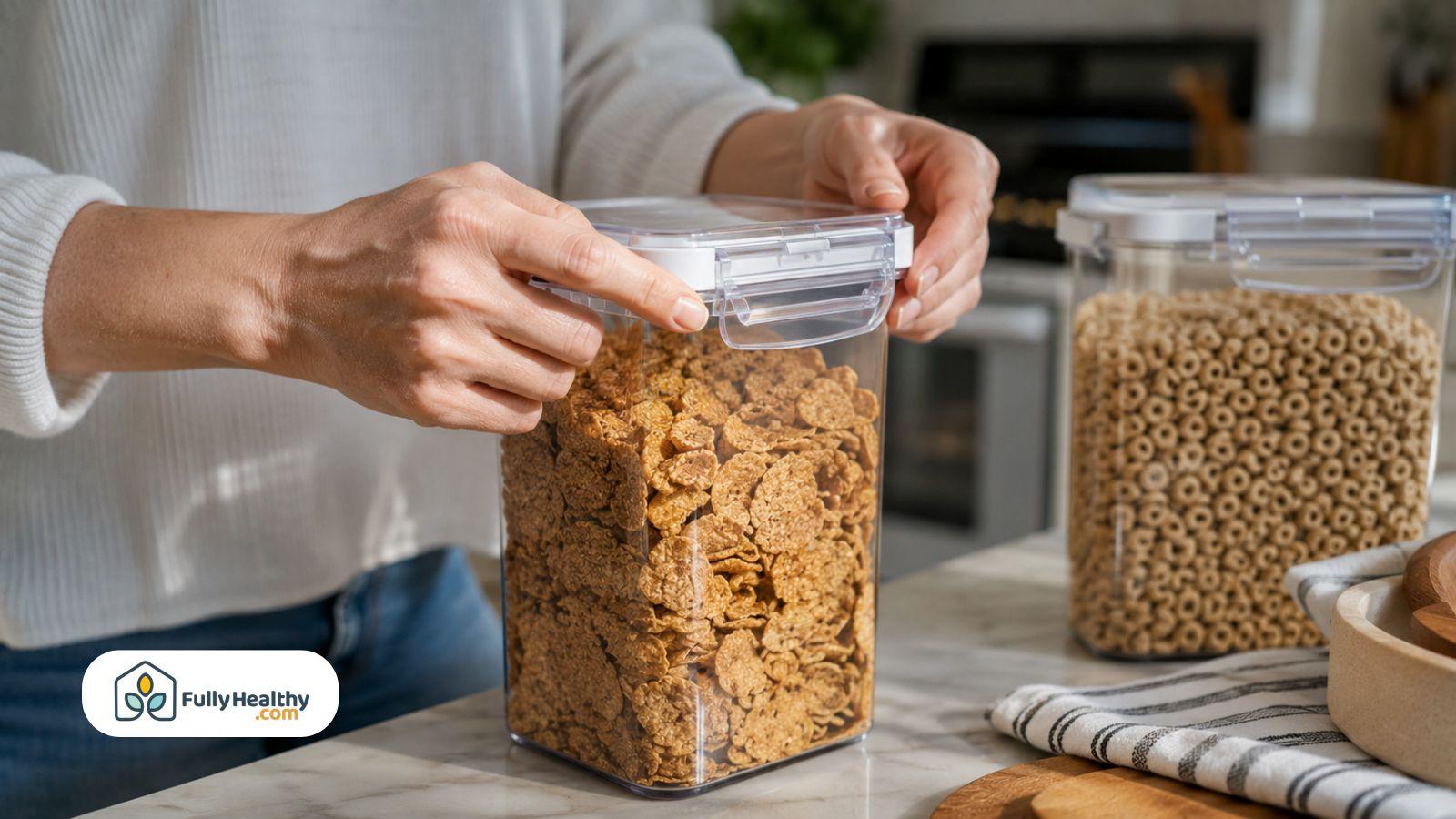
Proper storage helps preserve cereal and maintain crunch, flavor, and freshness for much longer. Most cereal storage problems happen because moisture, heat, and air slowly damage the grains inside the box.
Best Storage Conditions for Maximum Freshness
The best place to store cereal is inside a cool dry pantry away from heat, sunlight, and moisture. Cereal stays fresh longer when the inner bag stays sealed tightly or transferred into airtight containers after opening.
-
Airtight Containers: Airtight containers help preserve cereal after opening cereal boxes.
-
Cool Pantry: A cool dark place keeps cereal fresh longer than warm kitchen cabinets.
-
Dry Place: Moisture exposure quickly damages cereal flavor and texture.
-
Vacuum Sealed Bags: Vacuum sealed bags minimize exposure to oxygen and humidity.
-
Mylar Bags: Mylar bags work well for long-term food storage in emergency supplies.
Mistakes That Make Cereal Go Bad Faster
Most cereals lose freshness quickly when the inner bag stays open or the box sits near heat and moisture. Poor cereal storage conditions slowly damage grains and create stale cereal inside the pantry.
-
Opened Inner Bag: Leaving the inner bag loose allows moisture into the cereal.
-
Fridge Storage: Refrigerating dry cereal is usually unnecessary and may expose it to condensation if packaging is not sealed tightly.
-
Warm Pantry: Heat speeds up rancid smells in higher fat cereals.
-
Original Box Damage: Torn cereal boxes expose food to pantry air constantly.
-
Store Near Steam: Storing cereal near the stove increases humidity exposure.
What Cereal Should You Not Eat?
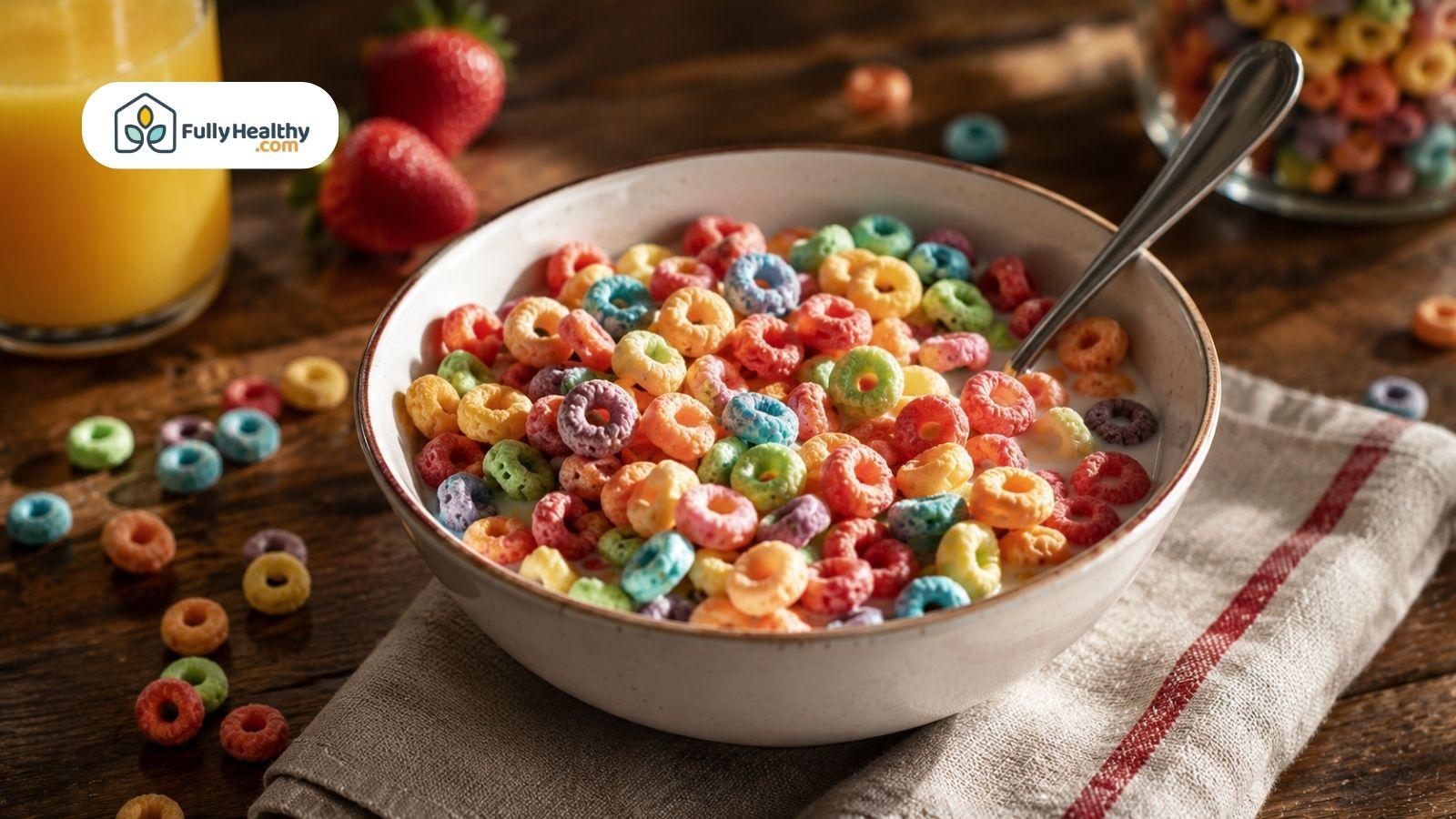
Some cereal options contain high sugar levels, refined grains, and very little real food nutrition. Highly processed breakfast cereal may taste great but often provides poor nutritional balance for the whole family.
Nutritional Red Flags to Watch for in Breakfast Cereal
Some breakfast cereal products are highly processed and contain large amounts of added sugar, refined grains, and artificial ingredients. Nutrition experts recommend choosing cereal with more fiber, protein, and real food ingredients for a more balanced breakfast.
-
Added Sugar: High sugar cereal may act more like dessert than breakfast.
-
Low Fiber: Low fiber cereal often leaves people hungry quickly.
-
Artificial Ingredients: Bright colors and additives may reduce overall food quality.
-
Refined Grains: Highly processed grains lose nutrients during manufacturing.
-
General Mills Cereal: Some processed cereal varieties contain high sugar levels.
Ingredients and Processing Concerns Linked to Lower-Quality Cereal
Processed cereal made with artificial ingredients and oils may lose nutritional value during manufacturing. Some cereal also contains very little protein, healthy fats, or whole grains despite attractive packaging.
-
Sugary Cereal: Some sweetened cereal options contain low fiber and high added sugar.
-
Rice Krispies: Refined grain cereal may provide less nutrition than whole grain alternatives.
-
Natural Fats: Cereals with nuts, seeds, or whole grains may contain natural fats, but those fats can turn rancid if stored poorly.
-
Real Food: Simple ingredient cereal often supports better breakfast habits.
-
Taste Great: Strong sweetness may hide low nutritional quality inside the box.
Why FullyHealthy Is Different?
Breakfast choices matter when looking for cereal made with simpler ingredients and better nutrition. FullyHealthy focuses on products designed for cleaner eating habits and specialty dietary needs.
How FullyHealthy Supports Specialized Dietary Needs
FullyHealthy offers food products designed for people looking for grain-free, gluten-free, and allergy-conscious breakfast options. The site includes cereal choices made with whole food ingredients instead of heavily processed fillers.
-
Specialty Foods: Products support gluten-free and grain-free eating styles.
-
Whole Grains Alternatives: Some cereal options avoid refined grains completely.
-
Food Variety: The site includes breakfast products for different dietary preferences.
-
Real Food Ingredients: Simpler ingredient lists support cleaner breakfast choices.
-
Breakfast Support: Options help families build balanced breakfast routines.
Cereal Products Available Through FullyHealthy
FullyHealthy carries cereal products made with cleaner ingredients and lower sugar levels than most cereals sold in regular grocery aisles. Several products also include nuts, coconut, and protein-rich ingredients for longer-lasting energy.
-
Wild Zora Instant Grain-Free Hot Cereal Original: Grain-free hot cereal made with simple ingredients for a filling breakfast option.
-
Lovebird Rise And Fly Cinnamon Cereal: Lower sugar cereal with cinnamon flavor and cleaner ingredient choices.
-
Wild Zora Instant Grain-Free Hot Cereal Tropical Tart: Tropical-inspired grain-free cereal with a lighter fruity flavor profile.
-
Lovebird Rise And Fly Cacao Cereal: Cacao-flavored cereal designed for people wanting lower sugar breakfast choices.
-
Wild Zora Instant Cereal Original With Almonds Walnuts Coconut: Protein-rich cereal blend with nuts and coconut for longer-lasting energy.
-
Wild Zora Instant Grain-Free Cereal Variety Pack: Variety pack that lets families try several grain-free cereal flavors in one order.
Final Thoughts
Cereal can stay safe to eat long after the date on the package when properly stored inside a cool dry closed pantry. Many cereals slowly lose crunch, flavor, and freshness before becoming unsafe, especially after the inner bag gets exposed to air and moisture.
Checking smell, texture, and storage conditions helps prevent stale or spoiled food at breakfast. A properly stored box can still taste tasty months later, so always check the cereal carefully before you eat cereal again.
FAQs
What is the best breakfast cereal for acid reflux?
The best breakfast cereal for acid reflux usually contains whole grains, lower sugar levels, and simple ingredients without excessive oils or artificial additives.
What is the shelf life of cereal?
Unopened, commercially packaged cereal typically stays fresh for 6–12 months past its "best-before" date when stored in a cool, dry place.
How to tell if cereal has gone bad?
Cereal has likely gone bad if it smells sour, feels soft instead of crunchy, contains pantry pests, or develops an unpleasant flavor.
What are the signs of an unhealthy cereal?
Signs of an unhealthy cereal include high sugar content, low fiber, refined grains, artificial colors, and very little real food nutrition.
What to do if I accidentally ate expired food?
If you accidentally ate expired food and feel normal, there is usually no serious issue, but symptoms like nausea, stomach pain, or vomiting may need medical attention.
Leave a comment