

Can Chickens Eat Cucumbers? Healthy Snack or Feeding Mistake?
Can chickens eat cucumbers? Yes. Chickens can safely eat cucumbers as a refreshing treat. There is a lot of water, fiber, and vitamins in cucumbers that help your body digest food and stay hydrated. Let birds easily peck them by serving them raw, sliced, or chopped.
Feed cucumbers in moderation because chickens still need balanced poultry feed as their main diet. This guide talks about the pros and cons, how to serve, and other vegetables that chickens can safely eat.
Featured Snack Pick
Bubbies // Kosher Dill Pickle Snacking Chips - 3.5 oz
Loading...
Can Chickens Eat Cucumbers?
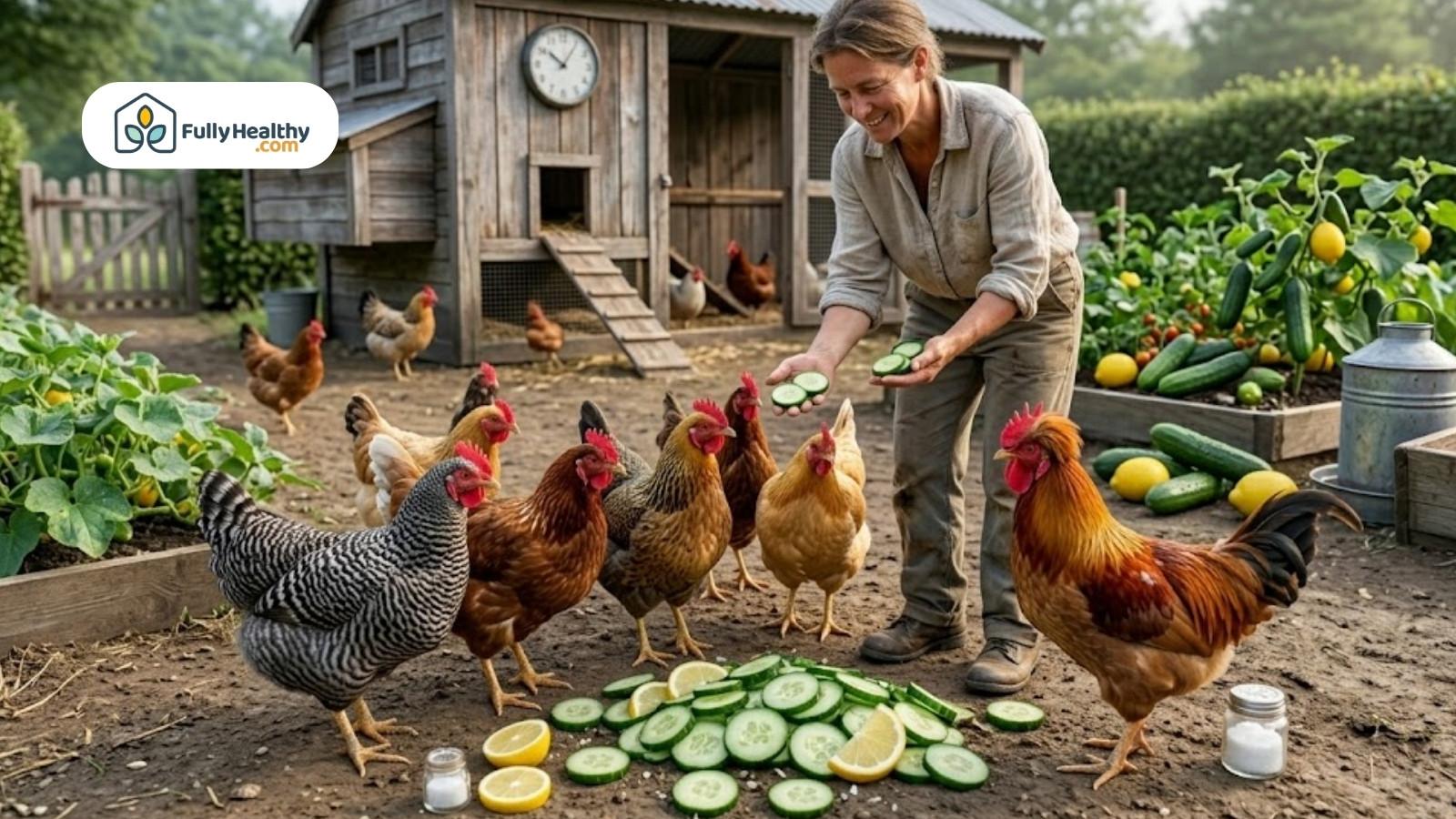
Chicken owners often wonder if their chickens can eat cucumbers. Yes is the easy answer. It's safe for birds to eat cucumbers because they are juicy and good for them. They help chickens stay cool in hot weather because they have a lot of water and vitamin C. If you serve cucumbers the right way, they can be a healthy snack that fits into your feathered friends healthy diet and gives them something new to enjoy.
Nutritional Benefits of Cucumbers for Chickens
To support chicken health in small amounts, cucumbers are light and refreshing vegetables. Regular feed is still needed, but these things add moisture and variety to the diet. Husky chickens love juicy vegetables, and when it's warm outside, cucumbers are a common treat for backyard flocks.
-
Hydration support: Cucumbers contain a high amount of water that helps chickens stay cool and refreshed in hot weather.
-
Nutrient boost: They provide vitamin C and small minerals that help support immunity and general health.
-
Digestive help: The soft flesh and cucumber skin provide light fiber that supports digestion.
-
Natural enrichment: Chickens enjoy pecking vegetables placed in the yard or near the chicken coop.
How Much Cucumber Should Chickens Eat?
People should only give cucumbers as a tasty treat and not as their main food source. To keep egg production steady, chickens need a well-balanced diet based on good poultry feed. Too many vegetables may reduce the intake of essential nutrients that help hens lay strong own eggs.
-
Treat guideline: Chicken treats should make up only about ten percent of a chickens diet.
-
Feed priority: Regular poultry feed provides protein and nutrients needed for egg production.
-
Portion control: A few slices of cucumber are enough for most backyard flocks.
-
Food variety: Mix cucumbers with leafy greens and other garden produce for balance.
Do Cucumbers Deworm Chickens?
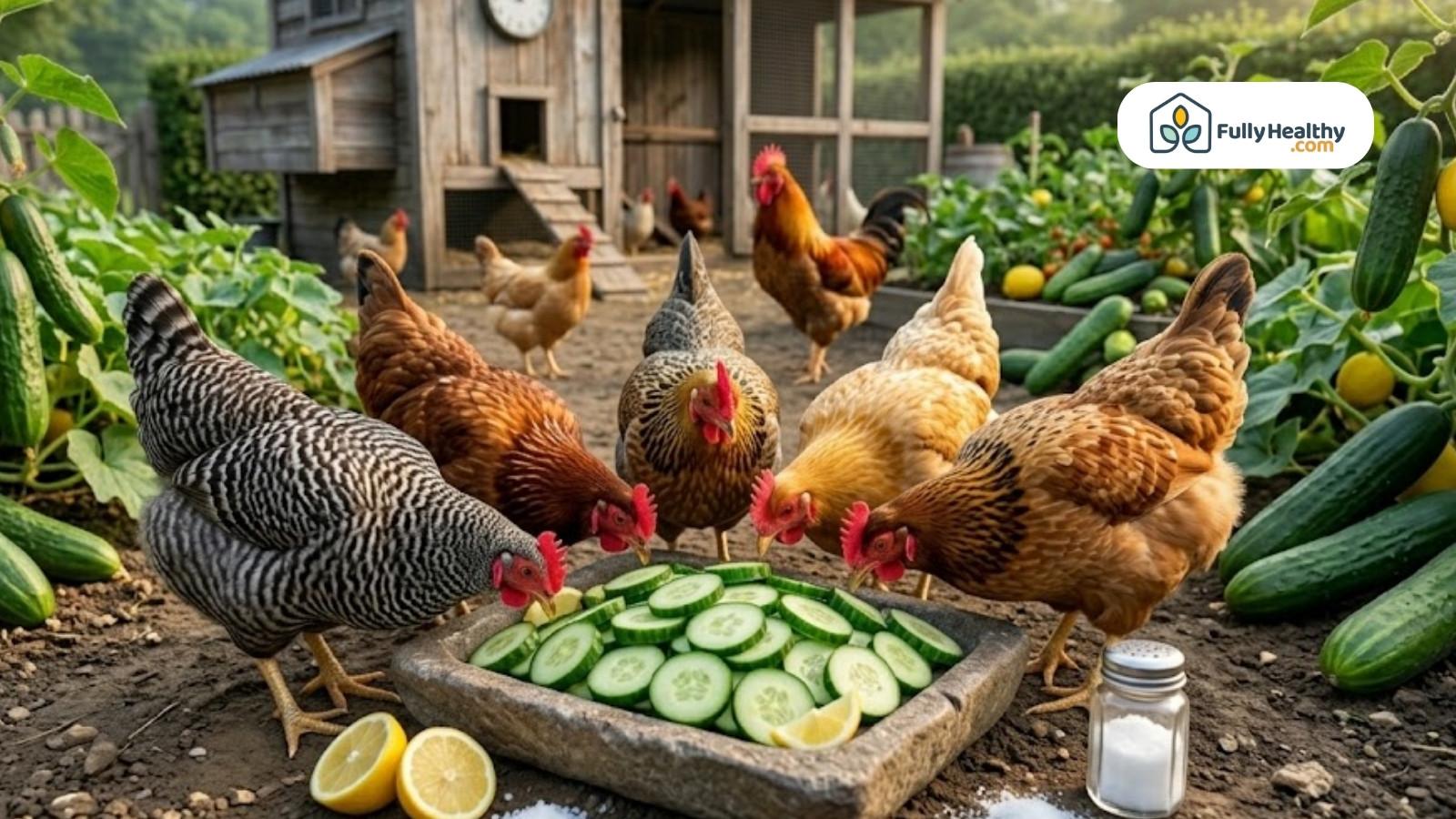
Some chicken keepers believe cucumbers can help control worms naturally. This idea comes from natural compounds found in some seeds. While these foods may support general health, cucumbers alone cannot remove parasites. Proper flock care and hygiene remain the most reliable ways to protect your birds.
The Role of Seeds and Natural Compounds
Certain seeds, including pumpkin seeds, contain natural compounds sometimes linked to parasite control. However, research on their effect in poultry is still limited. Cucumbers should be viewed as a small part of a healthy feeding plan rather than a treatment.
-
Seed compounds: Some plant seeds contain natural substances that may affect intestinal parasites.
-
Traditional remedy: Pumpkin seeds are often mentioned in natural poultry care practices.
-
Limited evidence: Scientific proof for parasite control in chickens remains limited.
-
Diet support: Cucumbers still work well as a refreshing healthy snack.
Proper Ways to Prevent Worm Problems
Healthy flock management is the best way to prevent worm issues. Clean living spaces and good nutrition help chickens stay strong. A well-maintained chicken coop and regular observation protect birds better than relying on vegetables alone.
-
Clean housing: Keep the chicken coop dry and remove droppings regularly to reduce parasite risks.
-
Healthy diet: Provide balanced feed with essential nutrients to support strong immunity.
-
Outdoor care: Rotate outdoor areas so birds do not keep pecking the same contaminated soil.
-
Routine checks: Watch for signs like poor appetite or reduced egg production.
How to Cut Up Cucumbers for Chickens
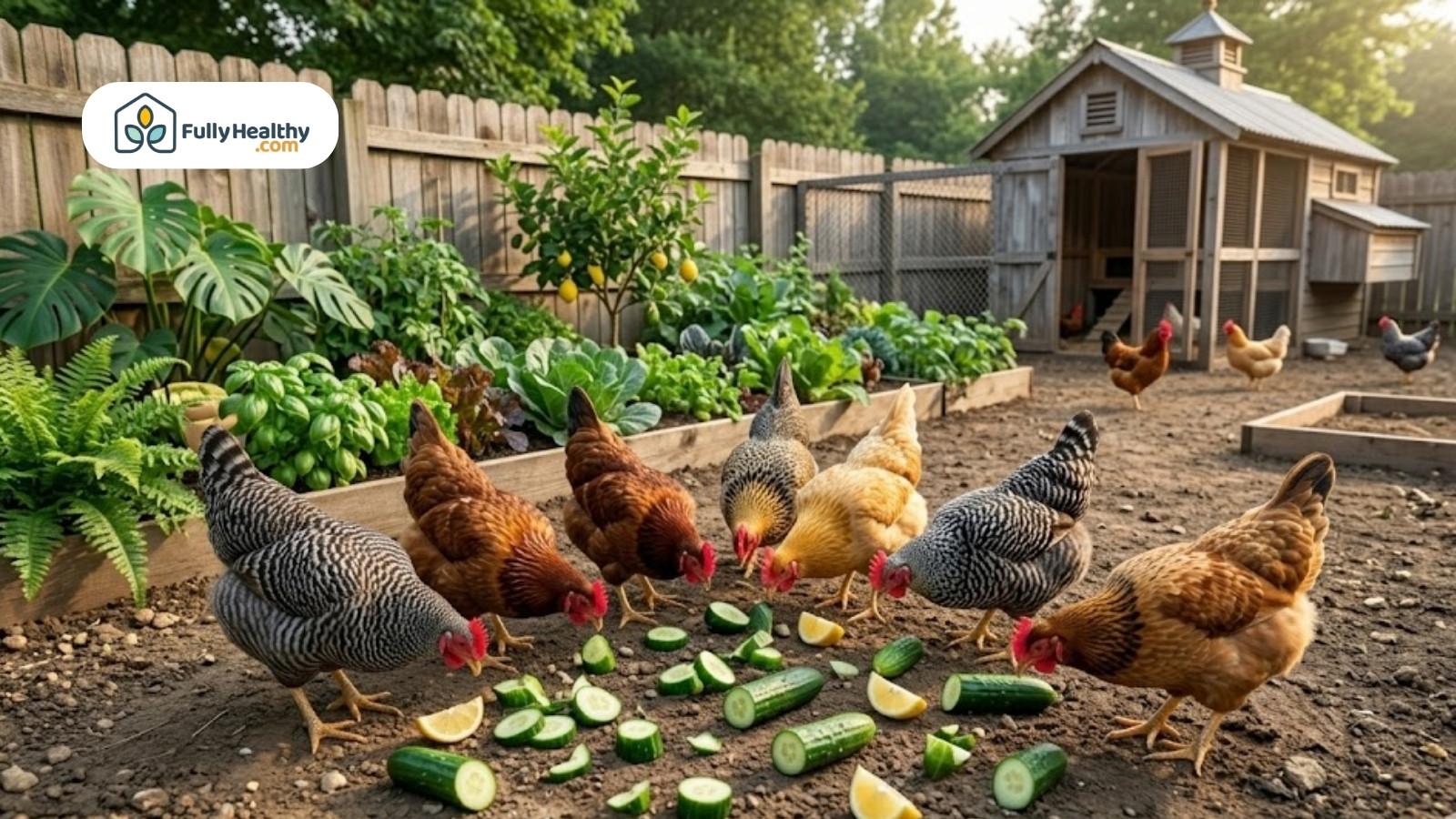
Preparing cucumbers properly makes feeding easier for your flock. Chickens absolutely love pecking fresh produce, especially when the soft inside is easy to reach. Cutting cucumbers also spreads the food around so more birds can eat comfortably.
Simple Ways to Prepare Cucumbers
There are several easy ways to serve cucumbers to backyard chickens. These methods help chickens love the texture while making the vegetable safe and easy to eat.
-
Slice method: Cut cucumbers half lengthwise so chickens can reach the juicy center easily.
-
Chunk method: Chop cucumbers into small pieces so several birds can share them.
-
Whole option: Place a whole cucumber in the run so chickens enjoy pecking it.
-
Cleaning step: Wash cucumber skin well to remove dirt or chemicals.
Feeding Tips for a Healthy Chicken Diet
Cucumbers work best as part of a varied feeding routine. Many fruits and vegetables can become a tasty treat when given in small amounts. Offering different foods keeps chickens active and curious.
-
Vegetable choices: Chickens eat carrots, chickens eat cabbage, chickens eat celery, and bell peppers as nutritious garden produce.
-
Fruit treats: Chickens eat apples, chickens eat grapes, chickens eat blueberries, and chickens eat pineapple in small portions.
-
Other foods: Chickens eat bread, chickens eat rice including cooked rice and uncooked rice, and chickens eat cheese occasionally.
-
Extra garden foods: Chickens eat tomatoes but avoid too much from the tomato plant, and chickens eat onions only rarely since strong flavors may affect eggs.
What Vegetables Can Chickens Eat Daily?
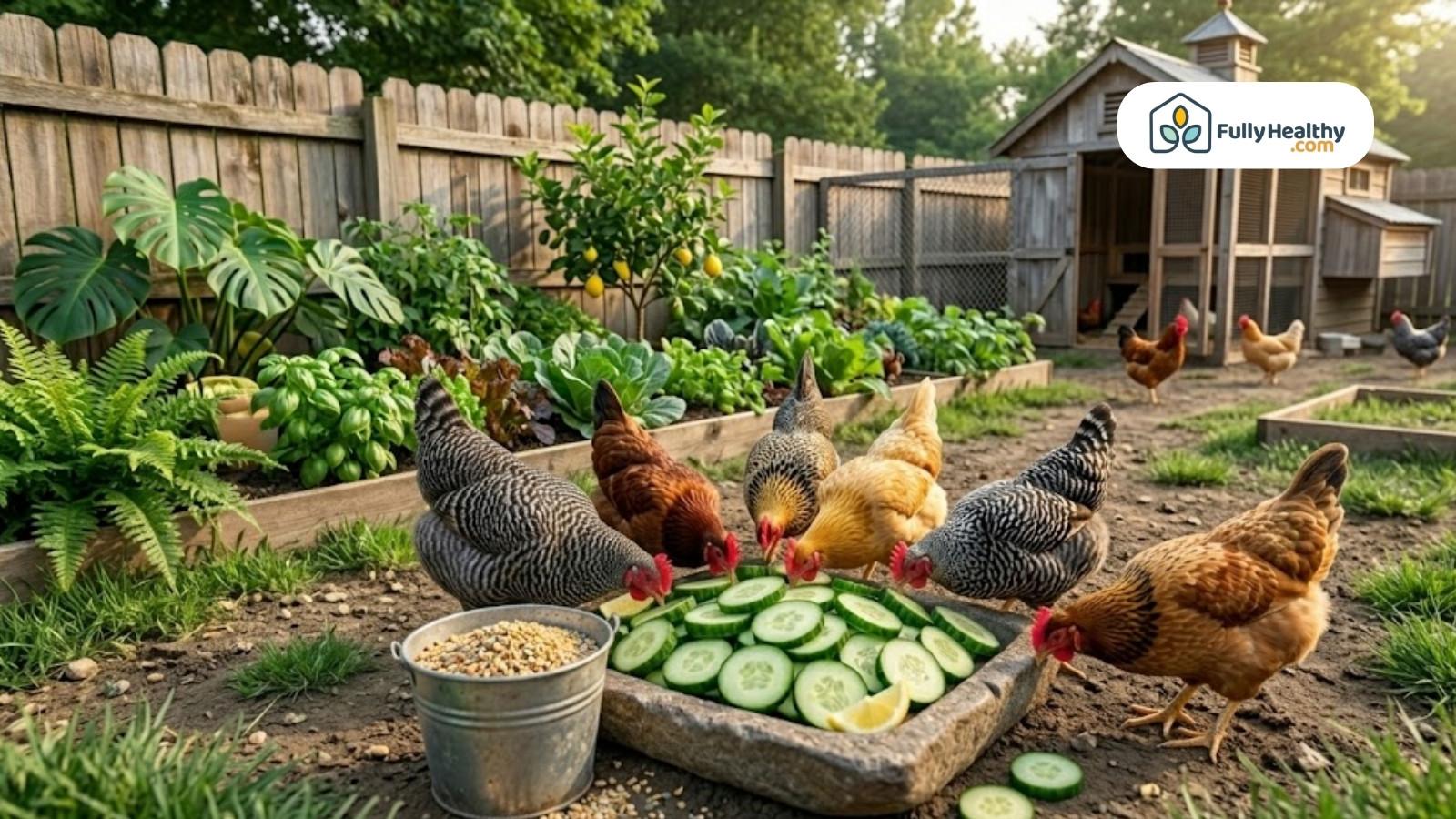
Vegetables are a helpful addition to a chicken’s diet when served correctly. Fresh veggies provide fiber, hydration, and nutrients that support overall health. However, vegetables should always be offered in moderation alongside a complete poultry feed. Many vegetables are generally safe for chickens when washed well and cut into manageable pieces so birds can easily peck them.
Nutritious Vegetables Chickens Can Eat
Many common garden veggies are suitable for backyard flocks. These foods provide vitamins and keep birds active while they forage in the chicken run. Offering vegetables also encourages natural behavior, especially for chickens that enjoy scratching and pecking around the yard.
Vegetables should always support a healthy feeding routine. They help add variety and nutrients without replacing the main poultry feed.
-
Leafy greens: Lettuce and other leafy greens add hydration and light fiber that support digestion.
-
Garden vegetables: Broccoli is a good source of nutrients and contains beta carotene that supports overall health.
-
Simple preparation: Cutting veggies into manageable pieces makes them easier and safer for chickens to eat.
-
Foraging enrichment: Scattering vegetables around the chicken run encourages movement and natural feeding behavior.
Feeding Vegetables the Right Way
Even healthy vegetables should be given properly. Chickens that are free range may already find plants and insects while roaming outside. Still, backyard keepers can safely offer vegetables as a supplement to their daily feed.
Vegetables should always support the main poultry ration rather than replace it. This balance helps chickens maintain proper nutrition and stable egg laying.
-
Portion control: Avoid feeding vegetables in large quantities so chickens still eat their regular feed.
-
Balanced feeding: Offer veggies in moderation alongside quality poultry feed to maintain good nutrition.
-
Food safety: Never give chickens junk food or processed foods that may contain added salt.
-
Diet variety: Providing different veggies helps deliver a range of nutrients.
Find Out the Healthy Pantry Options at FullyHealthy
Healthy food choices matter for both chickens and the people who care for them. FullyHealthy is an online store that focuses on simple ingredients and specialty diet foods. The store helps shoppers find products made with clean ingredients and fewer additives.
These pantry items make home cooking easier while encouraging meals made with whole foods and fresh veggies. This approach supports better nutrition and balanced eating habits.
Specialty Foods for Simple and Clean Eating
FullyHealthy provides foods designed for people who prefer clean labels and simple ingredients. Many products avoid common allergens, artificial preservatives, and unnecessary fillers.
These items can help people prepare meals using natural ingredients while supporting healthier everyday cooking.
-
Clean ingredients: Many products avoid unnecessary additives and artificial preservatives.
-
Diet friendly: Foods are often suitable for gluten free, paleo, and other specialty diets.
-
Cooking support: Pantry items help create meals using fresh veggies and whole ingredients.
-
Convenient shopping: The store gathers many specialty foods in one easy place.
Popular Products Available on FullyHealthy
FullyHealthy also offers several pantry products that make cooking easier. These foods focus on simple ingredient lists and flexible use in everyday recipes.
-
Base Culture Original Gluten Free Keto Bread: A grain free bread made with almond flour and other simple ingredients.
-
Hearty Sauces AIP Ranch Mix: A seasoning mix that helps create dressings, dips, or marinades.
-
Farmer’s Market Organic Pumpkin: A pumpkin puree made from organic pumpkin and known as a good source of natural flavor.
-
Pantry versatility: These products help build a pantry centered on simple ingredients and balanced meals.
Final Thoughts
Cucumbers and fresh veggies can be a simple way to improve a flock’s diet. They are generally safe when served in manageable pieces and offered in moderation alongside regular poultry feed. Chickens in a chicken run or free range setup often enjoy pecking fresh foods like broccoli and lettuce because they are a good source of moisture and nutrients such as beta carotene.
These vegetables support overall health but should never replace a balanced feed. Avoid feeding junk food or scraps with added salt because those foods can harm birds if eaten in large quantities. Instead, offer clean vegetables and fresh greens to keep chickens active, healthy, and interested in their daily meals.
FAQs
Are veggies generally safe for chickens?
Yes, most veggies like broccoli and lettuce are generally safe when cut into manageable pieces and fed in moderation alongside normal feed.
Can chickens eat vegetables in large quantities?
No, vegetables should not be given in large quantities because chickens still need balanced feed for overall health.
Are broccoli and lettuce a good source of nutrients?
Yes, broccoli and lettuce are a good source of hydration and nutrients like beta carotene that support overall health.
Can chickens eat junk food or foods with added salt?
No, junk food and foods with added salt should be avoided because they may harm chickens.
Do chickens eat veggies in a chicken run or free range area?
Yes, chickens in a chicken run or free range space enjoy pecking veggies like broccoli and lettuce when offered in moderation alongside feed.
Leave a comment