

Can Chickens Eat Grapes? Quick Safe Treat Guide
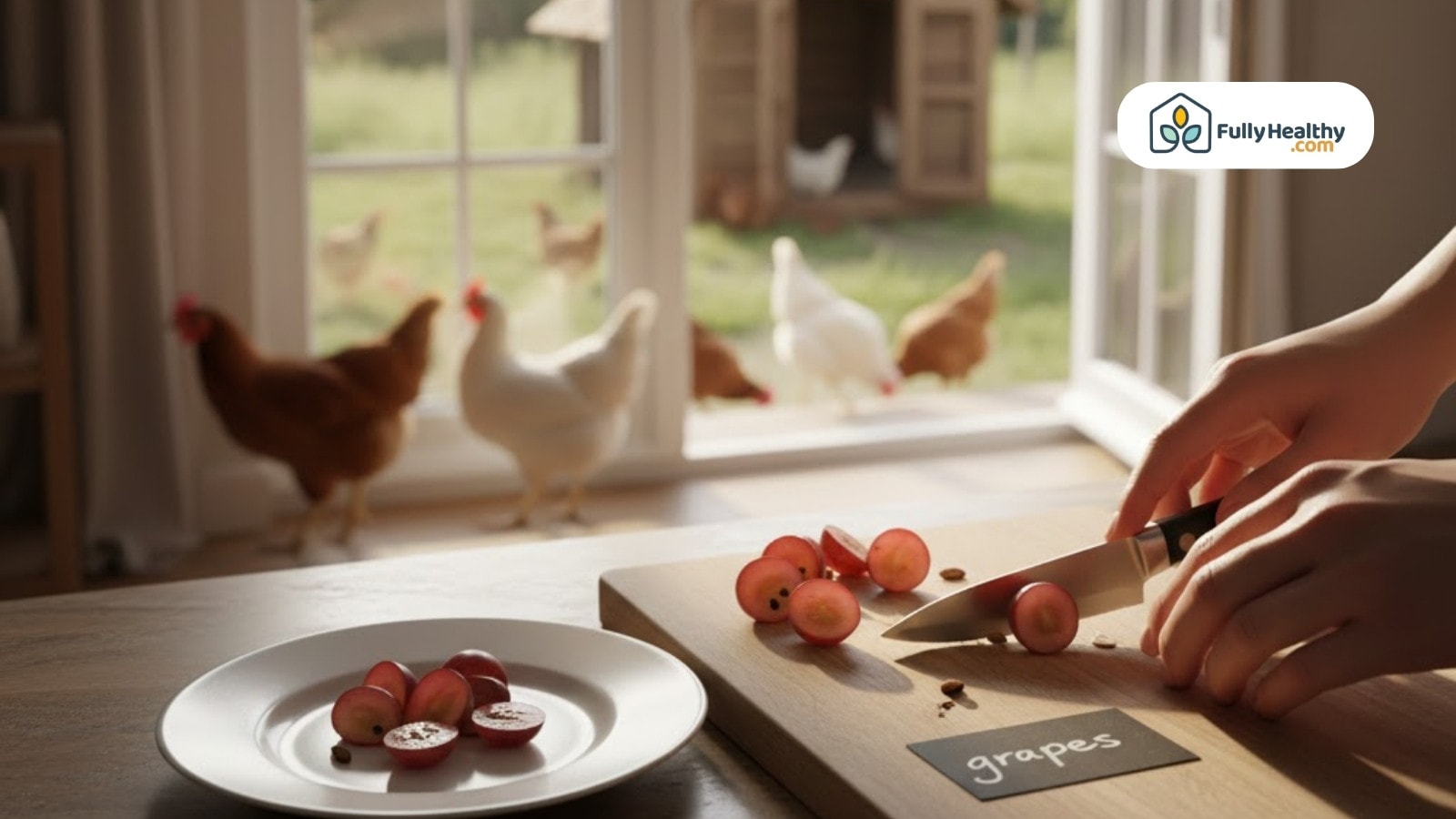
Can chickens eat grapes? Yes, but only in small amounts. To make it safe for birds to peck, wash them well and cut them in half. Give grapes as a treat, not every day.
Don't eat moldy fruit or stems that are too long and tough. Other favorites, like berries, melon, and apple slices, should be switched out. Predators are a bigger threat than treats, so keep the coop safe. For sweet spreads, you can buy St. Dalfour fruit options online today at FullyHealthy.
🍓 Bright, Juicy & Naturally Sweet – Enjoy Red Raspberry Conserves Sweetened with Grape Juice!
Can Chickens Eat Grapes?
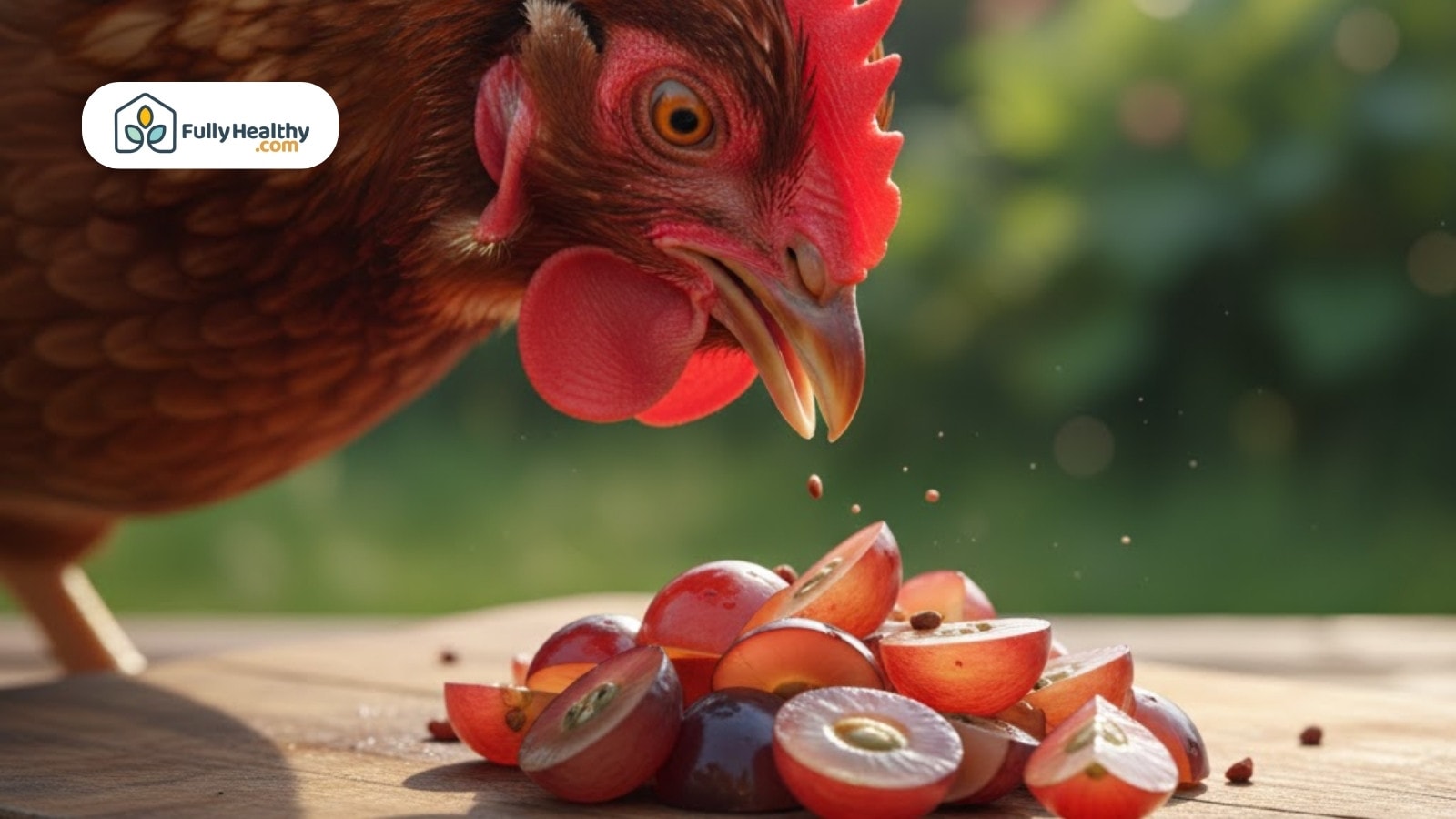
Does chicken eat grapes? Yes, but only in small amounts. Fresh grapes are a healthy snack, but they are also sweet, so keep them an occasional treat. For laying eggs, balanced feed should always be the main food source. It's important to prepare grapes before giving them to chickens because whole grapes can choke them, and chickens choke when they eat too quickly. Don't drink grape juice because it has a lot of sugar and can make you feel like it's junk food.
Quick Answer And Safe Serving Basics
Chickens grapes are generally grapes safe when washed and cut. On the plus side, grapes are good for you and contain some nutritional value with health benefits. But if you eat too many, they may make your stomach upset.
-
Portion rule: Offer a few small, cut pieces per bird.
-
Prep step: Rinse well, then cut to avoid whole grapes.
-
Best timing: Feed balanced feed first, then give treats after.
-
Spoilage check: Never feed moldy grapes, even if only a little.
Chickens Eat Grape Seeds: What To Know
Chickens eat grape seeds by accident when they peck grape pieces. Small grape seeds usually pass through, but large chunks can raise a choking hazard, especially if birds rush food.
-
Safer serving: Cut grapes smaller so birds do not gulp.
-
Watch fast eaters: Quick eaters are more likely chickens choke.
-
For baby chicks: Baby chicks eat grapes only as tiny soft bits.
-
Simple limit: If you’re asking how many grapes, keep it small.
Can Chickens Have The Stems Of Grapes?
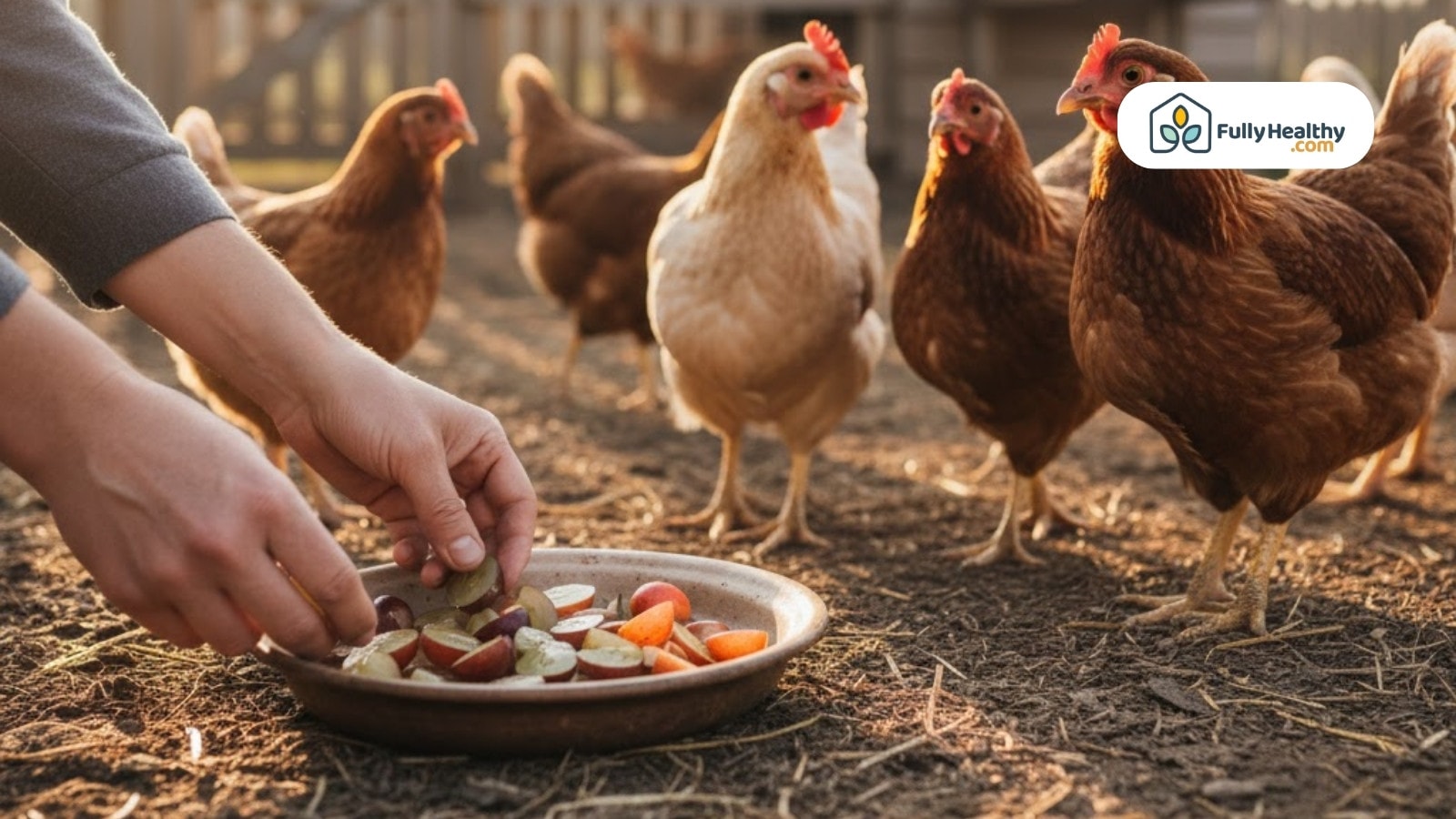
Hens may nibble on small stems, but stems are tough and not the best part to feed them. The bigger worries are the pesticide residue, the stringy pieces, and the hidden spoilage close to the batch. Stems should not be the main snack; they should be an extra. Also, be extra careful with baby chicks.
What Counts As Stems Versus Grape Vines
A stem is the thin piece holding grapes together. Grape vines are the toughest plant parts. Chickens may nibble both, but neither adds much nutrition compared with the fruit.
-
Clear meaning: Stems are thin; grape vines are tougher and stringier.
-
Small amounts: A few pecks is fine, but do not offer piles.
-
Chick caution: Baby chicks should not get long, stringy pieces.
-
New food rule: Try a small amount first and watch closely.
Stem Safety Checks Before Feeding
Wash clusters well, trim anything stringy, and toss anything that looks off. If you feel unsure, remove stems and focus on cut fruit only.
-
Wash well: Rinse grapes and stems to remove dirt and residue.
-
Trim strings: Snip long pieces that can act like a choking hazard.
-
Remove spoilage: Toss moldy grapes and slimy clusters right away.
-
Skip liquids: Avoid grape juice because it is sugary and fast to overdo.
What Are Chickens’ Favorite Fruits?
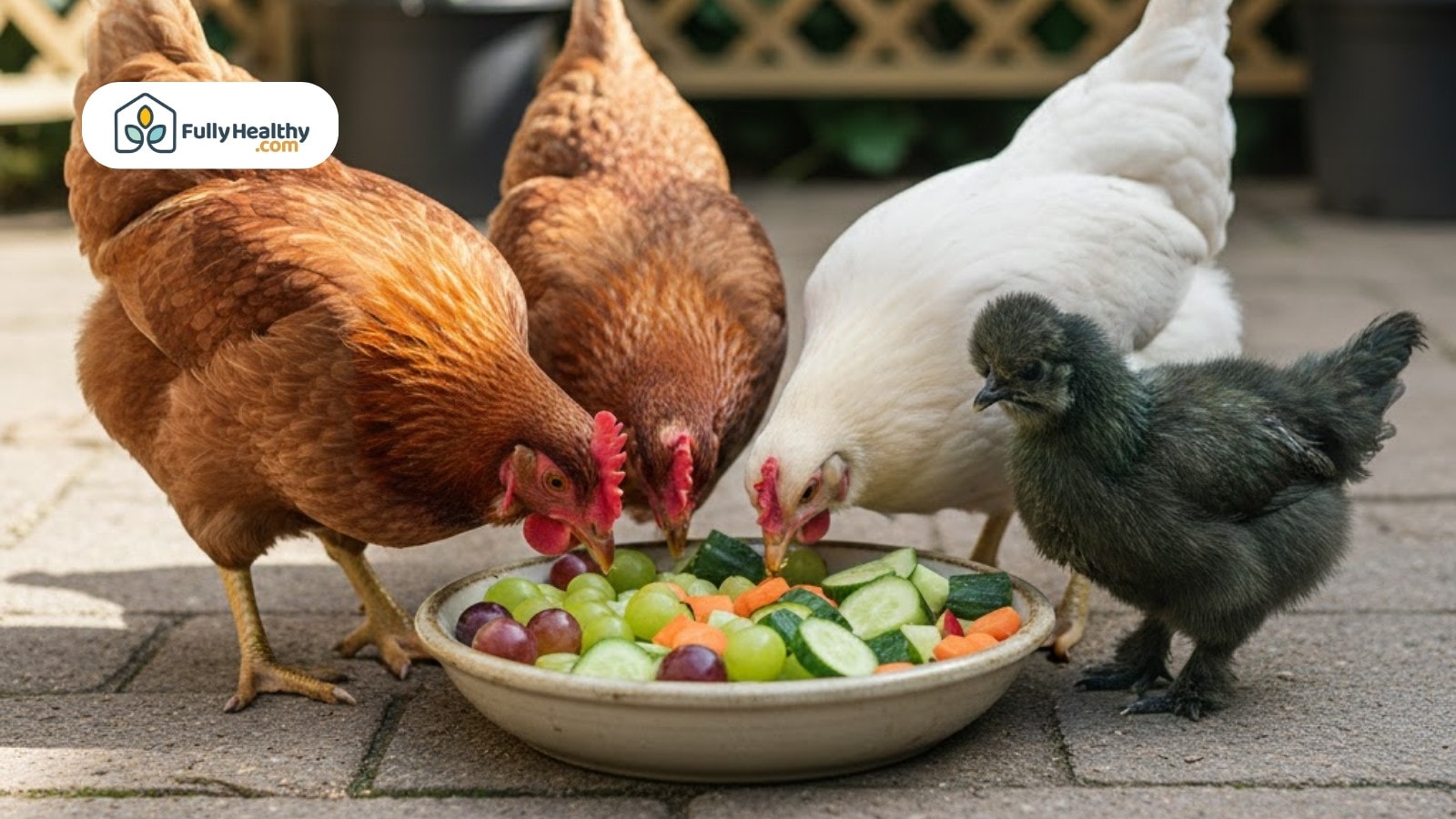
Most fruits can be fun for feathered friends when served fresh and bite-sized. That way, you won't eat too many grapes, and you'll still get a healthy treat. Switch out the fruits so that the treats stay simple and well-balanced.
Favorite Fruits Chickens Often Love
Along with fresh grapes, many flocks enjoy berries and melon. Apples can work too, but remove the seeds and keep slices small.
-
Common favorites: Blueberries, strawberries, melons, and apple slices.
-
Cut for safety: Smaller pieces lower the choking hazard.
-
Seed reminder: Remove apple seeds before serving.
-
Rotate treats: Use other fruits on days you skip grapes to chickens.
Treats Versus Feed For Health And Egg Laying
Fruit should never replace balanced feed because feed supports egg laying, growth, and daily nutrients. Too many sweet treats can cause digestive upset, so keep portions small and clean up leftovers fast.
-
Main rule: Balanced feed stays first, treats stay second.
-
Portion check: Cut back if droppings look loose or watery.
-
Clean up: Remove leftovers before they attract pests or spoil.
-
Avoid “junk food” habits: Too many sugary treats can add empty calories.
What Is The Number One Killer Of Chickens?
Predators are the biggest problem for many people who keep chickens in their yards. Your flock is safe all night and day in a strong coop and run, even when you are busy feeding grapes or adding water. Changes to security are usually more helpful than new treats if you're worried about losing things quickly. Clean up around food so pests don't hang out.
Predators That Commonly Target Backyard Flocks
Predators can attack fast, and some return once they find an easy meal. Dogs can kill chickens in seconds, while mice often show up because of spilled feed. Frogs are not a common danger to adult birds, but they can appear near wet areas and attract attention to your setup.
-
Common attackers: Hawks, raccoons, foxes, coyotes, and loose dogs.
-
Easy entry points: Weak latches, gaps in corners, and uncovered runs.
-
Pest attractors: Spilled feed that draws mice and other scavengers.
Prevention Moves That Actually Work
Good defense keeps people out and stops them from giving in to temptation. Keep things simple, use strong materials, and cut down on places to hide. This helps keep things safe for chickens and makes the flock less stressed.
-
Hardware upgrade: Use sturdy mesh, reinforce doors, and add locking latches.
-
Ground defense: Add a buried wire apron, and keep grass green but trimmed.
-
Night routine: Do a quick lock check at dusk and after storms.
-
Feed storage: Seal feed bins to protect protein and prevent pests.
FullyHealthy Products And How FullyHealthy Can Help You
FullyHealthy is for humans who want specialty pantry items with clear ingredient lists. It helps you shop faster by putting diet-friendly options in one place. These spreads are not for poultry, and raisins plus fruit spreads can have high sugar content. For dogs, sweet spreads are also not a smart choice, so keep them out of reach.
What FullyHealthy Can Do For Your Pantry Goals
FullHealthy makes it easier to compare foods if you like a clean taste and simple ingredients. It can also help you plan other essentials you need for breakfasts and snacks without having to guess.
-
Label clarity: Check the list for vitamins, minerals, fiber, and antioxidants.
-
Smart pairing: Combine a small amount with protein and vegetables.
-
Portion habit: Use moderation so sweet items stay occasional.
Featured St. Dalfour Items To Know About
These St. Dalfour options can work as a small topping for toast or yogurt. If you add fruit, chop it small for a smoother bite and better balance.
-
Four Fruits Fruit Spread: A mixed-fruit option with a bright flavor.
-
Black Cherry Conserves: A deeper taste that works for quick breakfasts.
-
Red Raspberry Conserves: A tart-sweet choice that pairs well with yogurt.
Final Thoughts
Grapes can be a fun treat, but keep portions small so your flock does not swallow too fast or choke. Too much fruit can cause diarrhea, so balance treats with a complete feed that supports calcium needs for strong shells.
If you read a Lisa Steele post, the main point is still simple: treat foods are extras, not the base diet. Watch each bird’s behavior, especially fast eaters, and adjust quickly.
FAQs
Should I follow a Lisa Steele post when feeding treats?
Yes, a Lisa Steele post reminder helps keep treats small and smart.
Can grapes cause diarrhea in chickens?
Yes, too many sweet treats can trigger diarrhea, so reduce fruit.
Why is calcium important when giving fruit treats?
Calcium supports eggshell strength, so keep layer feed as the main diet.
What if my chicken swallow grapes too fast?
If they swallow quickly, cut pieces smaller and feed fewer at once.
Where can I read a post about chicken treat rules?
Any good post on treats, including Lisa Steele, repeats moderation and safety.
Leave a comment