

Can Chickens Eat Mango? Quick Treat Guide for Happy Hens
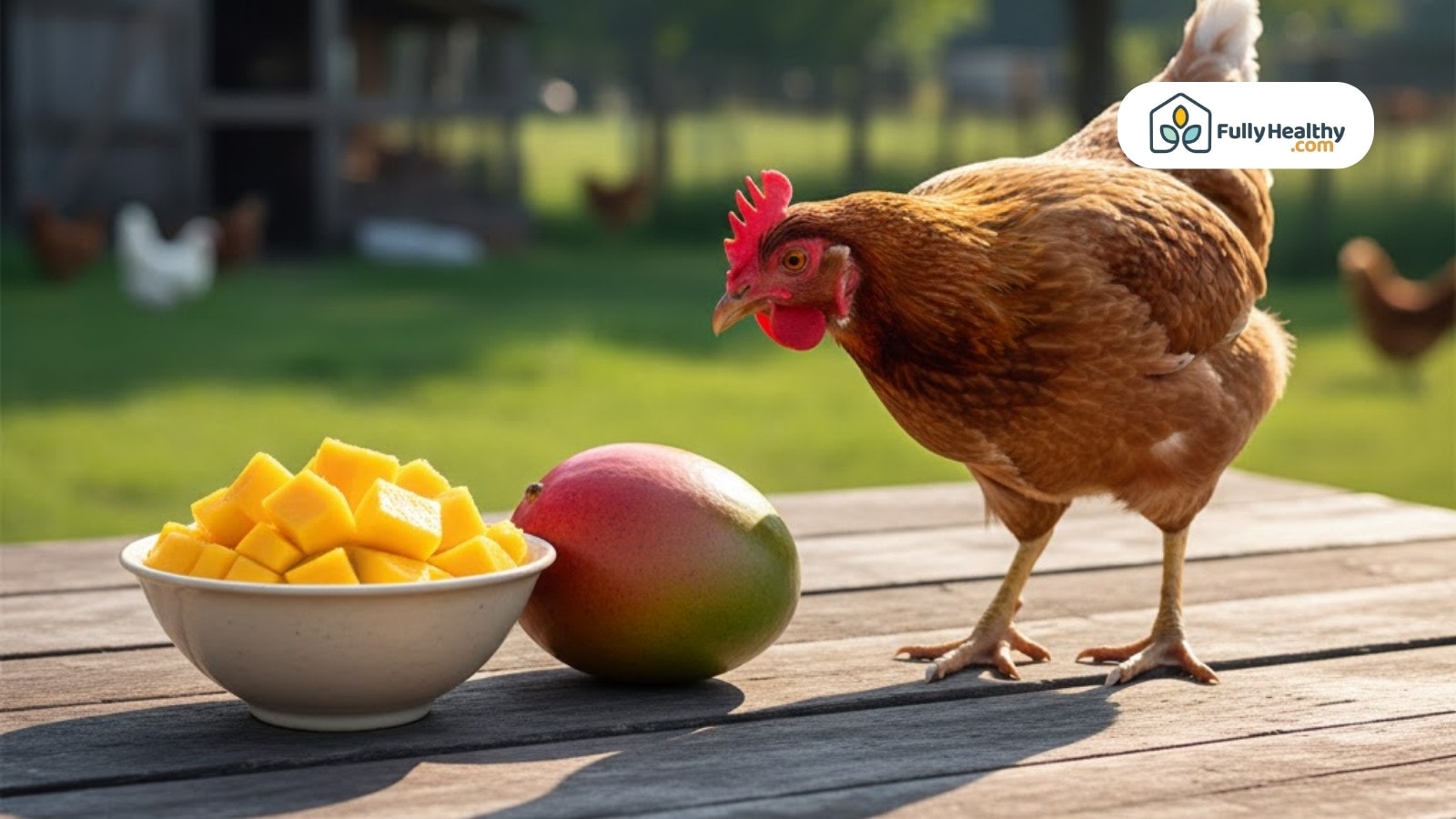
Can chickens eat mango? In small amounts, ripe mango flesh is safe to eat. Clean it, peel it if you need to, take out the pit, and cut it into little cubes. Mango has more fiber and vitamins than other fruits, but it is still sweet.
Treats should only make up about 10% of the dog's food, and full feed should come first. This guide will teach you how to measure, prepare, and stay away from certain fruits. To keep your flock healthy and happy.
🧡 Naturally Sweet, Perfectly Chewy – Snack Happy with Organic Mango!
Can Chickens Eat Mango?
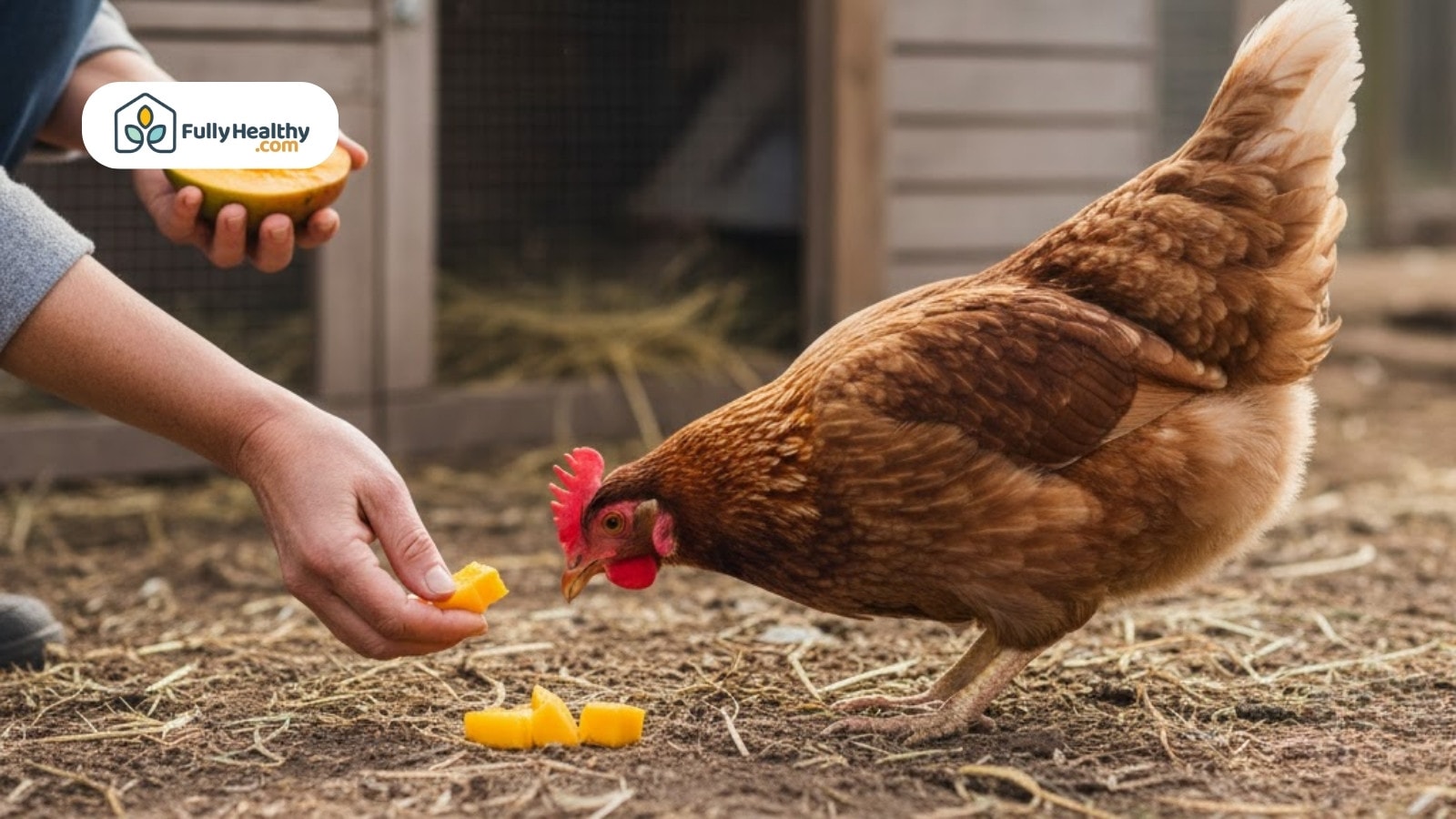
Can chickens eat mango? Yes. When served the right way, ripe mango is a safe and healthy treat. Hens need a balanced diet every day, so it should never be used instead of chicken feed. The mango fruit is a delicious tropical fruit, but if you eat too many of them, they can make you feel too sugary.
Can Chickens Eat Mango Safely? Direct Answer + Portions
Chickens can eat mango if you give them small chunks of the juicy flesh. Vitamin C, vitamin E, vitamin K, and dietary fiber are some of the health benefits. Fiber can help keep your immune system strong. Still, it's better as a treat once in a while than as a daily food. Keep things simple for people who own chickens and easy for chickens that live in backyards.
-
Portion Rule: Keep fruit treats near 10% of the diet so chicken feed stays the main food.
-
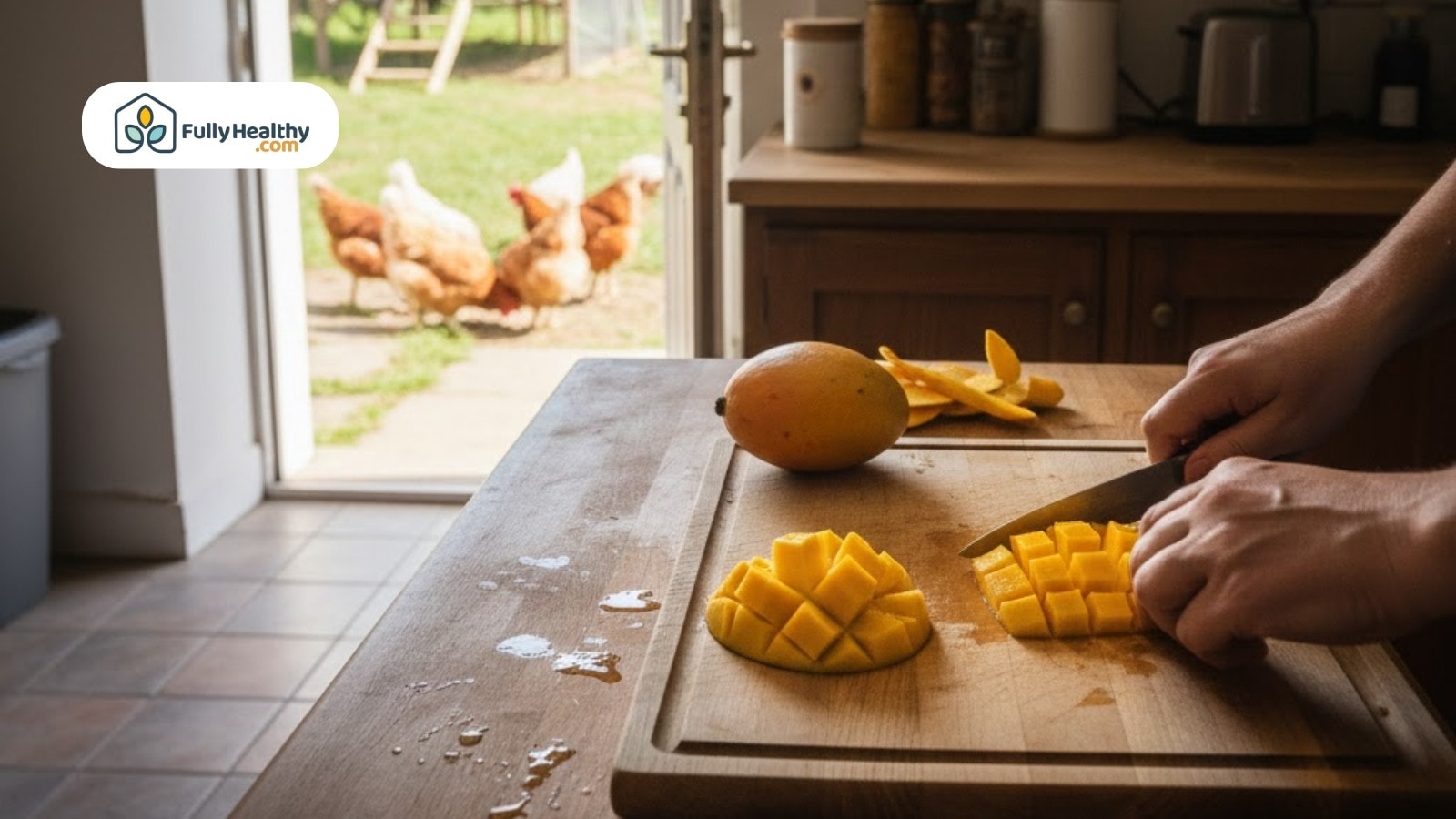
Prep Steps: Wash fresh mangoes, remove mango pits and mango seeds, then cut bite-size mango pieces.
-
Best Pick: Choose ripe organic mangoes when you feed mango, and skip anything bruised or moldy.
Mango Nutrition for Chickens: What They Actually Get
Mango treats for chickens are a nice bonus that offers many health benefits. Minerals help muscles work right, and vitamin K helps the blood clot. That's the main goal: steady energy, good digestion, and good egg-laying. When treats are limited, chickens stay healthy, and the quality of their eggs can stay more stable.
-
Vitamin C: Helps support the immune system during heat, stress, or molt.
-
Dietary Fiber: Supports digestion and helps reduce runny droppings from fruit.
-
Vitamin E and Vitamin K: Small boosts that support body function, not a replacement for feed.
Do Chickens Like the Taste of Mango?
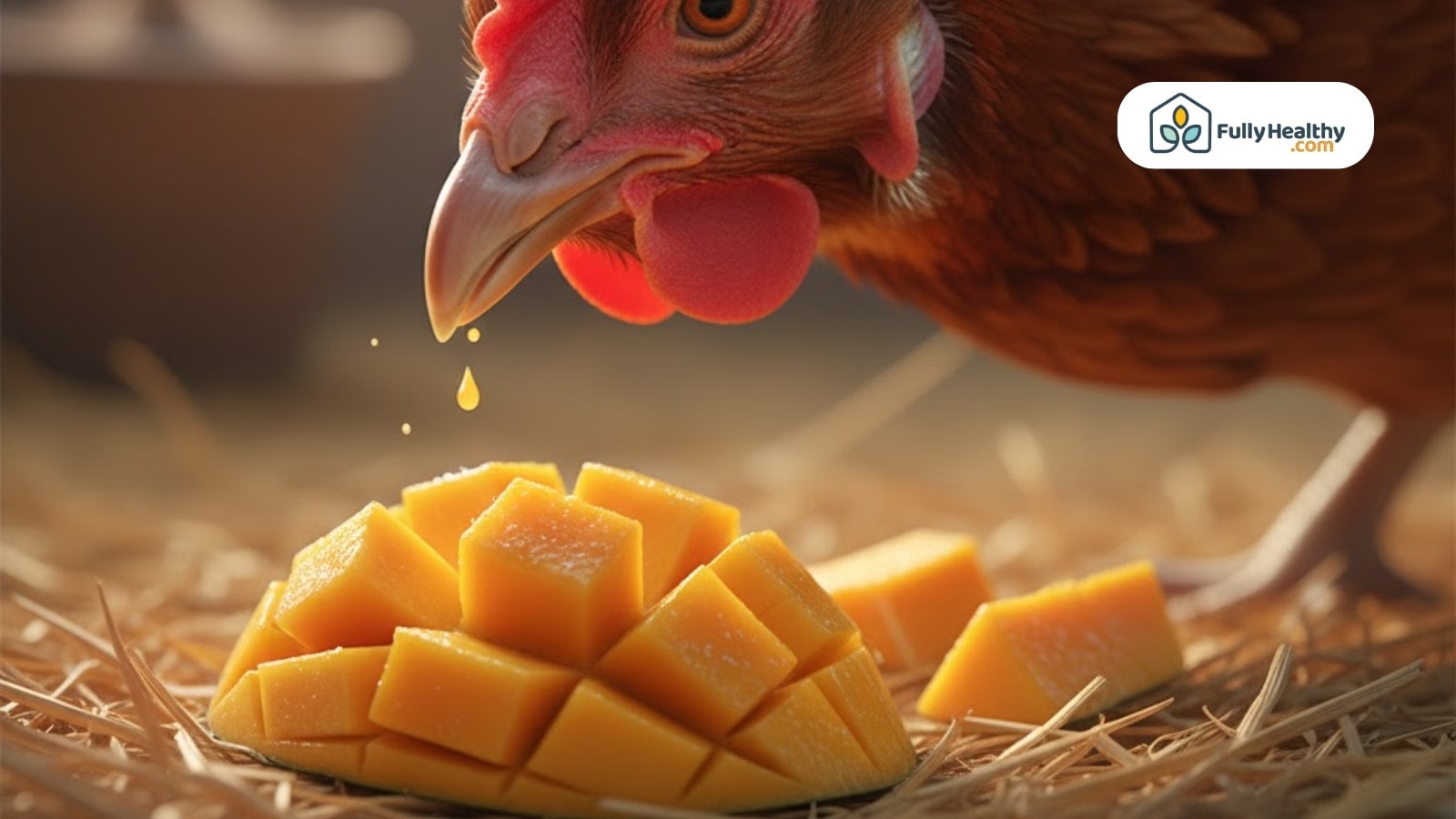
A lot of birds really like the delicious taste of ripe mango. It's a well-known fruit that a lot of people rush to get. It's easy to peck because it smells sweet and feels soft. Serve it during the day and quickly get rid of any leftovers to keep bugs away.
Why Mango Is Usually A Flock Favorite
Mango is soft, sweet, and smells strong, so it quickly turns into a tasty treat. Does it taste good to chicks? Yes, baby chicks can eat small pieces after they're full of chick starter. Start with just one or two small bites, and keep an eye on their waste. An easy start can help keep stomach problems at bay.
-
Size Matters: Offer pea-sized mango pieces for baby chicks to lower choking risk.
-
Best Timing: Feed mango after chicken feed so nutrients come first.
-
Watch the Sugar: Too much sugar can cause loose droppings and less interest in feed.
Will Chickens Eat Mango Skins?
Fruit skins can be eaten by some birds, and chickens like thin, soft skins. But a lot of hens stay away from mango peels because they are bitter or chewy. The peel can also make people sick. Some people can get skin irritations from mango skins, like poison ivy, so be careful when handling them. Make sure the peel is very clean if your birds will eat it.
-
Clean First: Scrub mango skins well, especially if they are not organic.
-
Peel If Needed: If birds refuse the peel, remove mango peels and serve only juicy flesh.
-
Skin Safety Note: If you get itchy hands, stop handling mango skins and wash up to avoid allergic reactions.
What Fruit Is Not Safe for Chickens?
Hens should not eat all fruit, and some parts of the fruit are even more dangerous than the fruit itself. The biggest problems are the poisons and the chance of choking. Big seeds and hard pits can be a pain right away. If you're not sure, don't let it run.
Unsafe Fruits and Parts: The Quick “Do Not Feed” List
The chickens shouldn't eat the pits of mangoes. If your chickens eat mango pits, they could choke or damage your crops, so always take them out. This is also true for other hard seeds and big pits. Consider pits a "no," even if the fruit flesh is fine.
-
Skip Mango Pits: Do not offer mango pits, and do not let chickens eat mango pits at all.
-
Avoid Hard Pits: Large pits and tough mango seeds can cause choking or blockages.
-
No Spoiled Fruit: Fermented or moldy fruit can upset digestion and attract pests.
Citrus, Leaves, and Garden Risks
Citrus is not always toxic, but it can upset digestion if offered often. Also, chickens eating mango leaves is not recommended. Mango leaves from mango trees may be dirty, sprayed, or tough to digest. Some leaves can also irritate the mouth or gut. Keep mango leaves out of the feed area.
-
Citrus Rule: Offer very rarely, and stop if droppings get watery.
-
Leaf Warning: Avoid mango leaves because chickens eating mango leaves can cause irritation or stomach upset.
-
Yard Safety: Keep birds away from sprayed plants, compost piles, and unknown leaves.
What Is The Healthiest Fruit For Chickens?
The healthiest fruit for chickens is the one that supports a balanced diet and does not replace regular feed. Choose fruit that is easy to digest and low-risk, then keep portions small. Fruit can add nutritional value and many nutrients, but some options have high sugar content. To prevent digestive problems and health issues, avoid overfeeding, even on hot days.
Top “Healthy Snack” Fruits (Best Options)
Water-rich fruits are often easier on the gut and can add small boosts of B vitamins and antioxidants. Rotate fruits so your flock stays interested, but keep treats limited so they still eat their regular feed.
-
Best Choices: Pick watermelon, berries, and melons for lighter snacks with better hydration.
-
Portion Size: Serve bite-sized pieces so chickens can finish quickly with less mess.
-
Smart Variety: Mix fruit with other treats like chopped greens or squash for balance.
-
Simple Goal: Use fruit to support a healthy heart over time, not as a “cure.”
How to Feed Fruit Without Diluting Nutrition
Regular feed is designed to support strong shells and steady nutrition every day. Too much fruit can lead to digestive problems and lower interest in feed. If droppings turn watery or birds act off, pause fruit and go back to plain regular feed.
-
Feeding Order: Offer regular feed first, then treats later as a small bonus.
-
Sugar Control: Limit high sugar content fruit and avoid overfeeding to prevent loose droppings.
-
Weekly Rhythm: Give fruit a few times a week, not all day, and adjust if you see health issues.
-
Clean-Up: Remove leftovers so other animals do not enter the run or eat spoiled scraps.
FullyHealthy: Mango Products for Special Diet Shopping
If you are adding mangoes to your own snack routine, FullyHealthy can help you shop faster and compare labels in one place. This is useful when fresh mangoes are not available. It also helps you spot harmful ingredients before you buy.
What FullyHealthy Can Do For You
FullyHealthy supports people who follow stricter eating plans and want quick label checks. You can search products and review ingredients and serving sizes so you stay on track.
-
Label Clarity: Review ingredients quickly to avoid harmful ingredients you do not want.
-
Easy Comparisons: Compare similar items without jumping between many tabs.
-
Portion Support: Use serving sizes to help manage dried fruit portions.
-
Diet-Friendly Picks: Choose snacks that better fit your needs than random sweets.
Mango Products to Consider on FullyHealthy
These items can be convenient for travel or quick snacks, but dried options are more concentrated. Keep portions small, especially if you are watching sugar.
-
Solely Mango Halves: A simple mango snack with a short ingredient list.
-
Wild Zora Pineapple Mango Meal: A meal option that includes fruit with other ingredients.
-
Made In Nature Dried Mangoes: Portable and easy, but measure portions to avoid excess sugar.
Final Thoughts
Can chickens eat mango? Yes, as a healthy treat, when you feed mango in small mango pieces, remove mango pits and mango seeds, skip mango leaves from mango trees, and keep regular feed as the base for a balanced diet.
Backyard chickens and chicken owners support self-sufficiency, egg quality, and strong shells, and chickens stay healthy without digestive problems, allergic reactions, or too much sugar from fresh mangoes, mango skins, mango peels, and high sugar content.
FAQs
Can chickens eat mango daily and still have a balanced diet?
Can chickens eat mango? It is best as an occasional treat with regular feed; avoid overfeeding, and watch for health issues, digestive problems, and too much sugar.
Chickens eat mango skins and mango peels. Is that okay?
Chickens eating mango skins can happen with mango skins and mango peels, but wash organic mangoes first and note peel irritation like poison ivy and possible allergic reactions.
Chickens eat mango pits, or chickens eat mango pits and mango seeds. What do I do?
Chickens eat mango pits and mango pits plus mango seeds, and mango seeds are a no; remove them because they can cause health issues.
Can baby chicks eat chicken mango as a tasty treat?
Can baby chicks and baby chicks try bite-sized pieces of juicy flesh from fresh mangoes as a tasty treat after chicken feed, but avoid overfeeding due to high sugar content?
What are the most popular fruits and other treats for feathered friends and other animals on hot days?
Most popular fruits can be used as other treats for feathered friends on hot days for nutritional value, vitamin C, vitamin E, vitamin K, B vitamins, dietary fiber, nutritional benefits, many nutrients, a healthy heart, proper muscle function, the immune system, and blood clotting, but keep regular feed first, and don’t feed chickens mango leaves.
Leave a comment