

Can Dogs Eat Bacon? Hidden Risks Every Dog Owner Should Know
Many pet owners wonder: can dogs eat bacon? Dogs are interested in the smell, but that doesn't mean it's safe. Bacon contains high levels of fat and salt, which can upset a dog’s digestive system and may increase the risk of pancreatitis, especially in dogs prone to the condition.
A small amount of bacon might not hurt your dog, but it's not a good treat for them. You'll learn about the risks, why dogs love bacon, and better meat choices in this guide.
🧈 Cook Bacon the Better Way — Traditional Ghee for Rich, Crispy Flavor!
Can Dogs Eat Bacon?
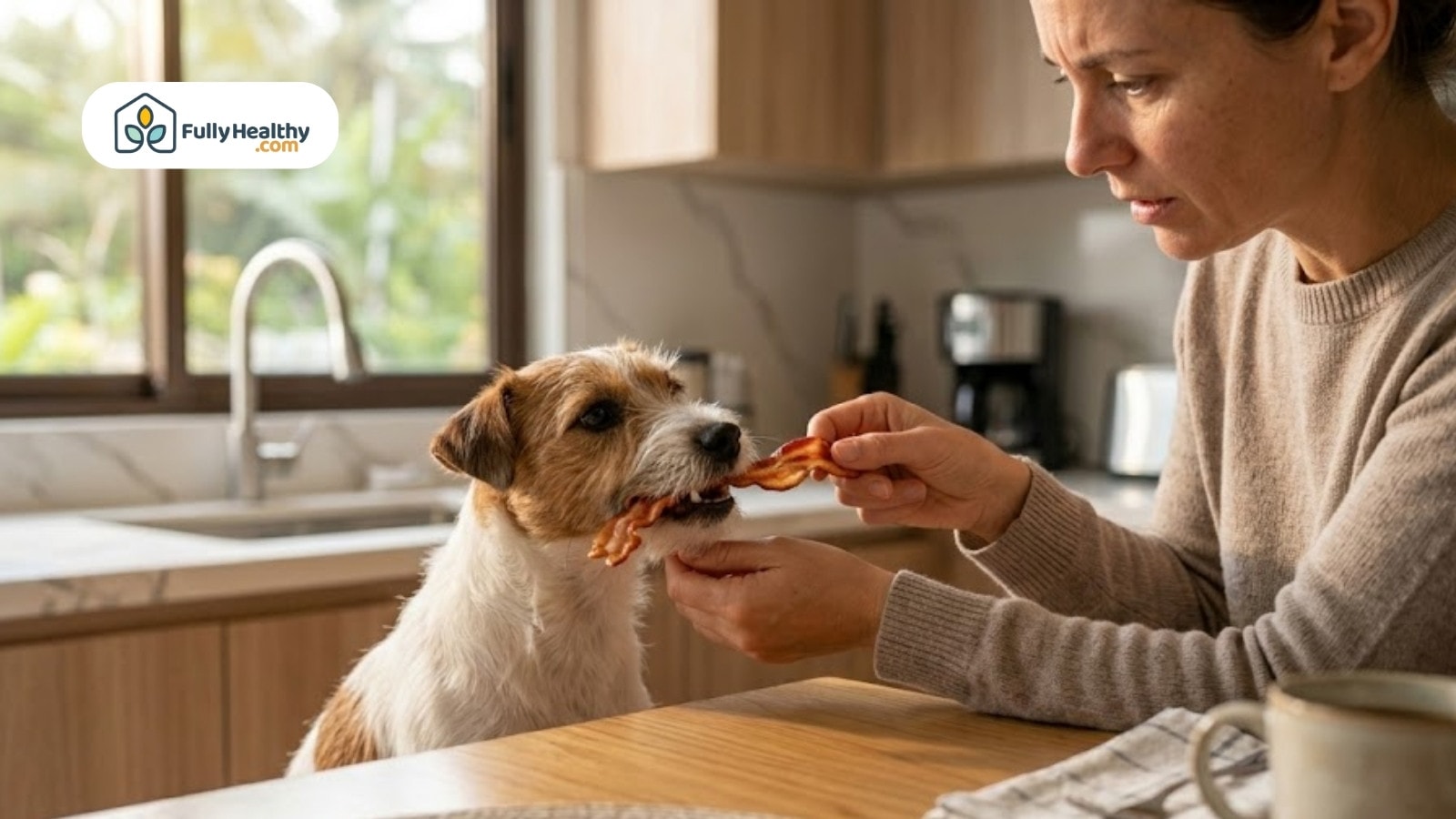
A lot of pet owners want to know if they can share bacon with their animal friend. Even though dogs like the smell, that doesn't mean they should eat it. Bacon is processed meat that has a lot of fat and salt, which could be bad for a dog's health. Feeding bacon of small amount might not hurt your best friend, but giving your dog bacon on a regular basis can raise health risks and hurt its well being.
Is Bacon Safe for Dogs to Eat?
When given to dogs often, most vets agree that bacon is bad for them. It's not poisonous like some foods humans eat, but the fat and salt in it make it bad for you. Even cooked bacon can make a dog's stomach upset and add extra calories to their food that they don't need.
-
High fat content bacon: Bacon contains a large amount of fat that may be difficult for some dogs to tolerate and can contribute to digestive upset or pancreatitis when consumed in excess.
-
High salt content: Bacon is usually cured with salt, which may lead to excessive thirst, increased thirst, and discomfort for your furry friend.
-
Processed meat risks: Bacon is a processed meat that lacks natural ingredients found in healthy dog food, making it bad for dogs when eaten often.
-
Occasional treat only: If pet parents offer bacon at all, it should be a very small occasional treat and not a regular part of a dog’s diet.
Why Bacon Can Cause Health Problems in Dogs
When dogs eat too much bacon, it can make their stomachs hurt. When dogs eat a lot of high-fat food, it's harder for their bodies to break it down. Fattening foods can cause health problems in dogs over time that can affect their daily lives and health.
-
Bacon fat overload: Bacon fat and bacon grease can irritate the dog’s digestive system and increase the higher risk of pancreatitis.
-
Health issues from fatty foods: Eating too much bacon may lead to weight gain, stomach pain, or other health problems in your furry friend.
-
Warning signs: Dogs that eat too much bacon may show symptoms like vomiting, diarrhea, excessive thirst, and tiredness.
-
Large quantities risk: When dogs eat bacon in large quantities, the health risks increase and veterinary care may be needed.
Why Do Dogs Love Bacon?
Dogs are naturally attracted to bacon because of its smell and flavor. The scent signals a calorie-dense food that a dog’s body finds appealing. While some products labeled dog bacon exist for pets, regular bacon is different from balanced dog food made for canine nutrition.
The Powerful Smell and Fat Content of Bacon
Bacon releases a strong smell when cooked, which quickly grabs a dog’s attention. Dogs rely on scent more than humans, so high fat content bacon becomes even more tempting for your best friend.
-
Strong aroma: The smell of cooked bacon travels easily and can quickly attract your furry friend from across the house.
-
Fat content appeal: Bacon’s high fat makes it taste rich and rewarding to a dog’s body.
-
Dog bacon confusion: Some dog bacon treats are designed for dogs, but human bacon contains high salt and fat that may be bad for dogs.
-
Human foods temptation: Dogs often crave human foods because they are richer and more flavorful than normal dog food.
Why Dogs Crave High-Calorie Foods
Dogs evolved from wolves and retain a preference for energy-dense foods, which may explain their attraction to fatty foods like bacon. Because of that instinct, protein rich and fatty foods often attract them. However, that natural craving does not always support a dog’s health.
-
Energy seeking instinct: Dogs naturally look for foods that provide quick energy and calories.
-
High fat temptation: Foods like bacon with high fat content bacon trigger strong interest in a dog’s body.
-
Reward response: Fatty foods release feel-good signals in a dog’s body, which encourages them to want more.
-
Health balance: Even though dogs love bacon, it can still be bacon bad for dogs when eaten frequently.
What Is the Healthiest Meat for Dogs?
Instead of bacon, healthier meats can provide better nutrition for a dog’s diet. Lean protein supports muscle growth and energy while avoiding the health risks linked to high fat foods. Choosing better protein sources helps protect your dog’s health while still giving them tasty meals.
Lean Meats That Support Canine Health
Lean meats provide protein rich nutrients that help maintain a dog’s body without adding too much fat. These meats are easier on the dog’s digestive system than processed meat like bacon.
-
Chicken and turkey: Lean protein sources that support muscle growth and are gentler on a dog’s digestive system than bacon or sausage.
-
Fish like salmon: Provides healthy fats that support skin health and a shiny coat.
-
Beef or lamb: These meats are protein rich and help maintain strength and energy levels.
-
Balanced dog food: Quality dog food often uses these meats with natural ingredients for better nutrition.
How to Prepare Meat Safely for Dogs
Preparing meat correctly helps protect your furry friend from health risks. Raw meat can carry pathogens such as Salmonella or Listeria, which may pose infection risks to dogs and humans in the household.
-
Avoid raw bacon: Raw bacon may contain harmful bacteria such as Salmonella that can cause illness in dogs.
-
Cook thoroughly: Plain cooked bacon or other meats without seasoning are safer for dogs than raw meat.
-
Skip bacon grease: Bacon grease and bacon fat add unnecessary high fat to a dog’s diet and should be avoided.
-
Check shelf life: Fresh meat with a proper shelf life reduces the risk of harmful bacteria and keeps your best friend safe.
What Three Meats Should Dogs Avoid?
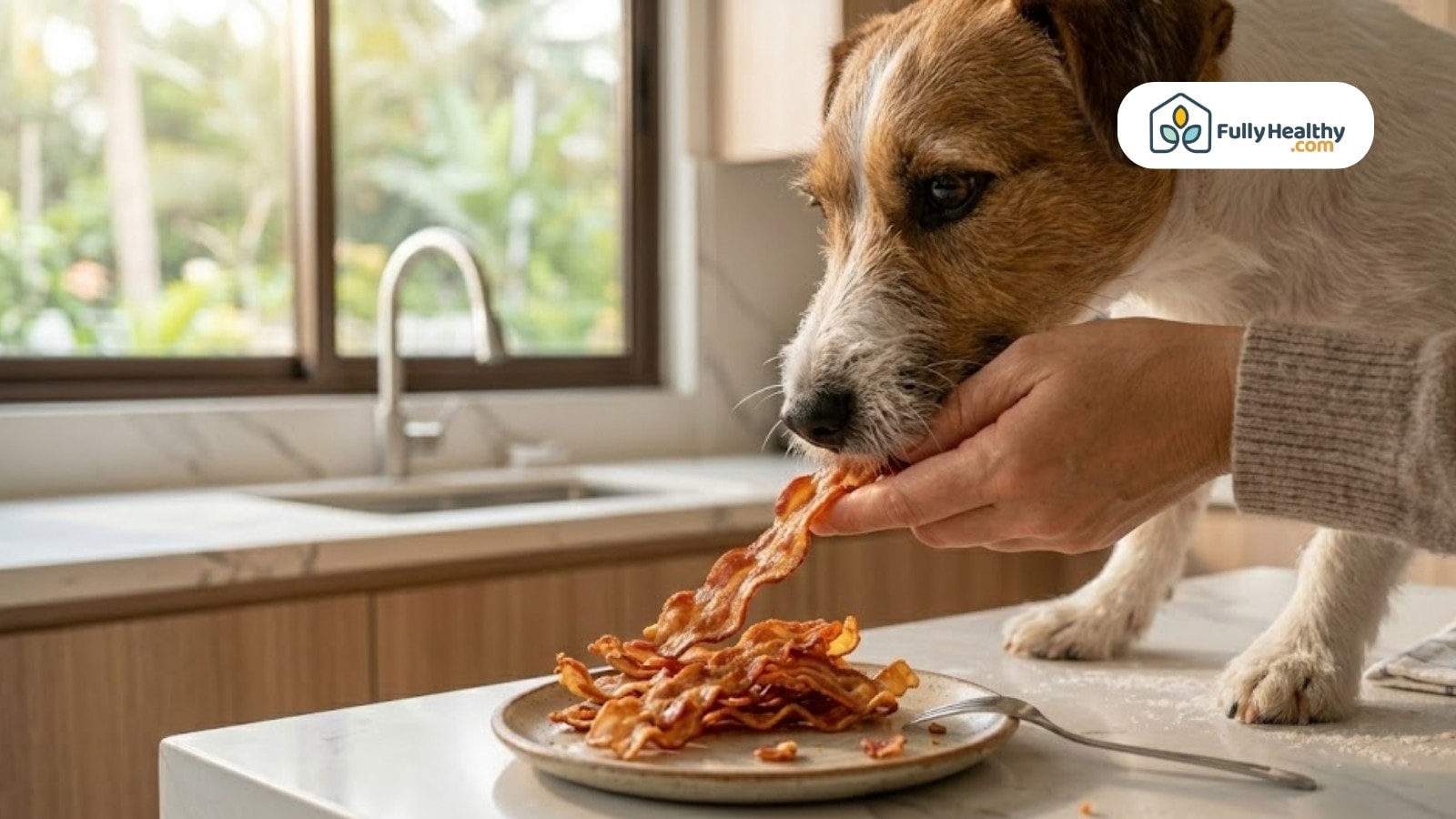
Some meats look safe to share, but they can cause problems for your pup. Many fatty or processed meats contain high sodium levels, unhealthy fats, and preservatives that can upset a dog’s stomach. These foods may smell delicious, yet they are not always safe for dogs. To protect your dog’s health, pet owners should know which meats to avoid or limit in their dog’s meals.
Fatty Meats Like Bacon and Sausage
Fatty meats often contain high levels of grease and salt. These foods may taste delicious, but they can stress a dog’s digestive system. Because of their fat and sodium levels, many veterinarians suggest that pet owners steer clear of feeding them regularly.
-
High sodium levels: Bacon and sausage often contain high sodium levels that may cause dehydration and discomfort for a pup.
-
High fat levels: High-fat meats, including fatty cuts of pork, may upset a dog’s stomach and increase the risk of gastrointestinal problems.
-
Small amounts caution: If a dog eats a small piece by accident, it may not cause serious harm, but these foods should not be given often.
-
Vet recommendation: A vet may advise avoiding fatty meats completely, especially for dogs with sensitive stomachs or existing health concerns.
Processed and Raw Meats That Can Harm Dogs
Processed meats often contain preservatives and additives that are not healthy for dogs. Raw meat may also carry bacteria that could affect a dog’s digestion. Because of these risks, pet owners should be careful when offering meat that is not prepared for dogs.
-
Additive content: Processed meats may contain preservatives, flavorings, and other additive content that are unnecessary in a dog’s diet.
-
Raw meat risks: Raw pork or duck may contain bacteria that can upset your pup’s stomach.
-
Following symptoms: Dogs that eat unsafe meat may show following symptoms such as vomiting, diarrhea, or unusual tiredness.
-
Vet consultation: If any symptoms appear after your dog eats questionable meat, contacting a vet is the safest step.
Healthy Snacks and Specialty Foods From FullyHealthy
People who follow special diets often look for snacks made with simple ingredients. FullyHealthy is an online store that offers foods designed for different dietary needs. The marketplace helps shoppers find products with clear labels and fewer additives, making it easier to choose snacks that match personal nutrition goals.
What FullyHealthy Can Do for Health-Focused Shoppers
FullyHealthy offers a wide selection of foods designed for people who want clean and simple ingredients. The platform gathers products that support different eating styles while making shopping easier.
-
Special diet options: FullyHealthy carries foods that support gluten free, paleo, and other specialty diet plans.
-
Carefully selected products: Many items are chosen for their simple ingredient lists and lower additive content.
-
Convenient shopping: Customers can quickly find snacks and pantry items that match their dietary preferences.
-
Trusted marketplace: The platform partners with brands known for quality ingredients and careful food preparation.
Bacon-Inspired Products Available on FullyHealthy
FullyHealthy also offers several bacon-inspired snacks that combine protein and flavor. These products are designed for human consumption and can be enjoyed as quick snacks during busy days.
-
Epic maple bacon pork cracklings: A crunchy snack made from pork skins with a sweet and savory flavor.
-
Epic uncured hickory smoked bacon bits: Small bacon pieces that can be sprinkled on meals for added flavor.
-
Epic bison bacon cranberry bar: A protein snack that blends bison, bacon, and cranberries for a balanced taste.
-
Turkey bacon alternatives: Some shoppers enjoy turkey bacon snacks as another flavorful option when eaten in small amounts.
Final Thoughts
Many pet parents ask if feeding bacon is safe for their furry friend. The truth is simple: bacon bad for dogs in most cases. Raw bacon or cooked bacon contains high fat content bacon, high salt, and high salt content that can harm a dog’s digestive system and dog’s body.
Too much bacon, bacon fat, bacon grease, and other fatty foods or high fat foods increase health risks, health issues, excessive thirst, and increased thirst. Even turkey bacon, pork, or duck bacon can still carry high sodium levels and additive content from processed meat.
While a small piece or small amounts may not harm your pup, large quantities create a higher risk for your dog’s health and well being. Pet parents should steer clear and choose lean protein, protein rich dog food with natural ingredients for their best friend.
FAQs
Can dogs eat raw bacon or cooked bacon safely?
Raw bacon may contain harmful bacteria and cooked bacon still has high fat, high salt, and fat content that may harm a dog’s digestive system and overall dog’s health.
Is turkey bacon better for dogs than pork bacon?
Turkey bacon may seem lighter, but it can still contain high sodium levels, additive content, and processed meat ingredients that are bad for dogs when feeding bacon often.
What happens if a pup eats too much bacon?
Too much bacon can cause following symptoms like vomiting, excessive thirst, increased thirst, stomach pain, and other health issues that may require a vet visit.
Can bacon ever be an occasional treat for dogs?
A very small piece in small amounts might not harm your furry friend, but bacon bad for dogs when given often because of high fat foods and fatty foods.
What meats are safer for a dog’s diet instead of bacon?
Lean protein options with natural ingredients in balanced dog food are better for your best friend than human foods like bacon, pork, duck, or dog bacon treats.
Leave a comment