

Can Dogs Eat Lemons? Understanding the Safety and Risks for Pets
Photo Credit: Canva Pro
Lemons might not seem dangerous, but they contain compounds that can make a dog sick or make their stomach upset. Lemon juice and rinds are both bad for dogs, even in small amounts. This article explains what happens when dogs eat lemons, why it's not a good idea, and what fruits are okay for them to eat instead.
✨ New to Sprouted Snacks? Start Zesty with Lemony Lemon Crisps!
What Happens if a Dog Eats a Lemon?

Photo Credit: Canva Pro
Toxic Compounds in Lemons
Lemons contain multiple elements that are considered toxic to dogs. Even though the fruit has health benefits for humans, it poses real risks when added to a dog’s diet.
-
Limonene and linalool: Limonene and linalool in citrus peels may cause vomiting or neurological issues in dogs, but mainly in high doses like essential oils, not small amounts of fruit.
-
Psoralens: Present in lemon peels and lemon rinds, this compound can cause photosensitivity and upset stomach.
-
Citric acid: Citric acid in lemon juice may irritate a dog’s digestive system, especially in larger amounts or sensitive dogs.
Common Reactions in Dogs
What happens when dogs eat lemons depends on how big the dog is and how much lemon it eats. Within a few hours, most dogs will start to show signs.
-
Lack of appetite: Dogs may stop eating or avoid their dog food due to nausea or oral discomfort.
-
Allergic reactions: Some dogs show signs like hives, pawing at the mouth, or licking excessively.
-
Neurological signs: Exposure to essential oils or large quantities may lead to muscle tremors, loss of coordination, or more severe symptoms.
How Much Lemon Is Safe for Dogs?
Photo Credit: Canva Pro
Is Any Amount of Lemon Safe?
There isn't a set amount of lemon that is safe for dogs. The dog's stomach can get upset from even small amounts of lemon flesh or slices.
-
Zero tolerance: Dogs should not eat lemon rinds, lemon yogurt, or lemon flavoring in any form.
-
Higher risks in small breeds: Small dogs and puppies are more likely to develop an upset stomach or more serious health issues from small quantities.
-
Lemon peels and oil: These parts contain the most toxic compounds and should always be kept out of a dog’s reach.
What If My Dog Accidentally Eats Lemon?
If your dog eats lemon by accident, monitor their behavior for the next few hours. Some reactions may be delayed.
-
Mild cases: A small lick of lemon juice or a nibble on lemon flesh may cause only temporary stomach upset.
-
Moderate to severe: Eating lemon rinds, drinking lemon juice, or licking lemon oil can cause vomiting, fatigue, or tremors.
-
When to act: Contact your veterinarian immediately if your dog shows more than one symptom or is a small breed.
What Are Signs of Citrus Poisoning in Dogs?
Photo Credit: Canva Pro
Mild to Moderate Symptoms
Citrus poisoning may first show up as normal digestive problems. On average, these symptoms appear between 1 and 4 hours later.
-
Common symptoms: Drooling, vomiting, and diarrhea are the most frequently reported effects.
-
Changes in appetite: Dogs may refuse dog food or leave their bowl untouched after citrus exposure.
-
Oral irritation: Lemon juice and lemon rinds can cause inflammation in a dog’s mouth or throat.
Severe or Life-Threatening Reactions
Dogs can get sick from eating too much citrus peel or concentrated lemon oil. This can include neurological and liver problems.
-
Liver failure: Dogs exposed to essential oils or eating lemon peels in large quantities may suffer liver damage.
-
Collapse or tremors: These are signs of serious neurological impact and should be treated as a life threatening emergency.
-
Low blood pressure and lethargy: These could indicate your dog is entering toxic shock from ingesting citrus.
What Fruit Can't a Dog Eat?
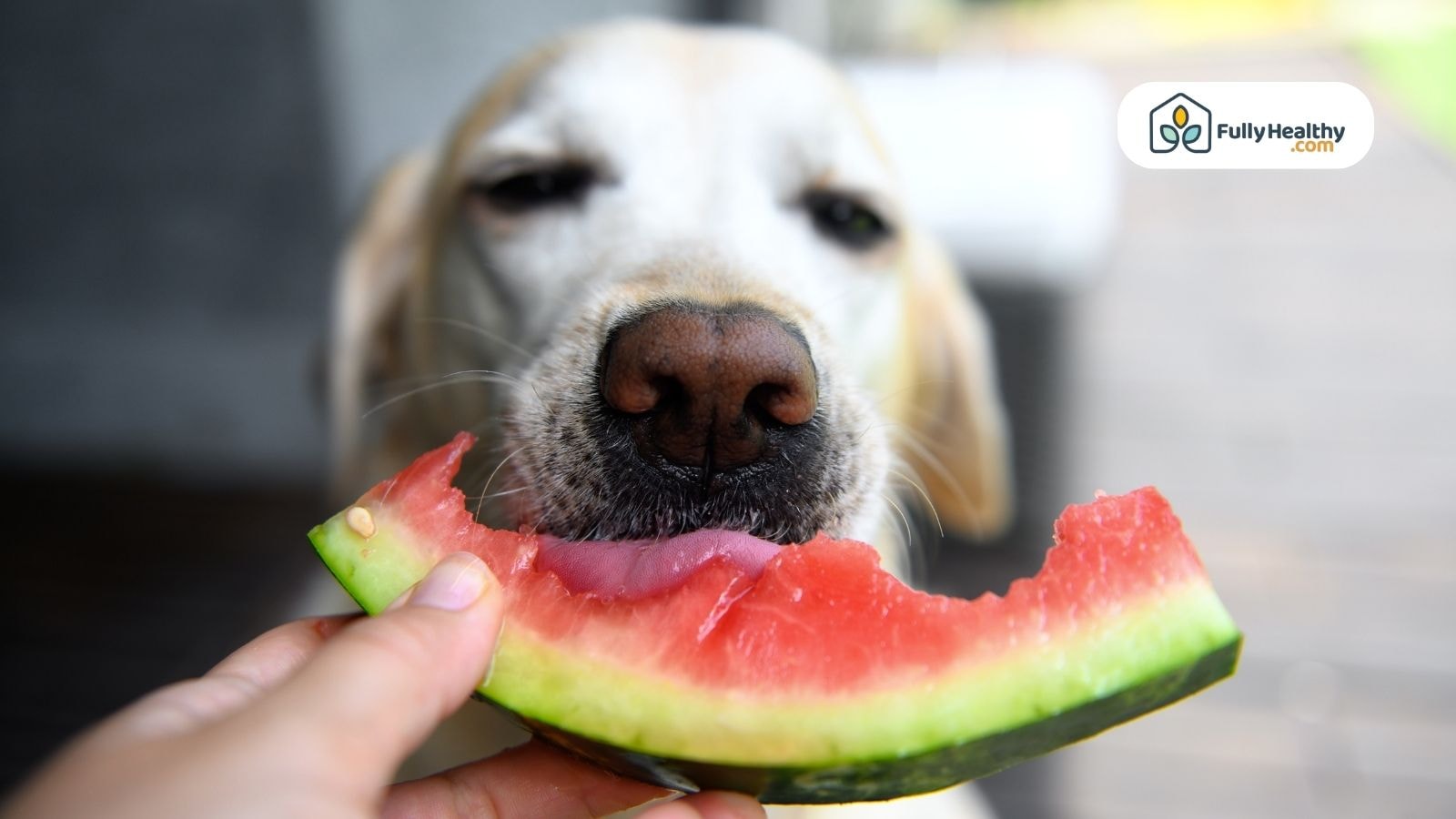
Photo Credit: Canva Pro
Citrus and Other Toxic Fruits
Not only lemons, but also some other citrus fruits and some types of fruit are bad for dogs. They might look like healthy snacks, but even small amounts can be bad for you.
-
Citrus fruits: Lemons, limes, and grapefruits contain limonene and linalool which are considered toxic.
-
Grapes and raisins: Known to cause kidney failure in dogs, even one grape can be harmful.
-
Cherries and peaches: Pits contain cyanide and can cause choking or digestive problems.
-
Avocados: Contain persin, which affects a dog’s digestive system.
Safer Alternatives to Lemons
When it comes to fruit, there are a few options that are safe to feed your dog in small amounts. These should be treats, not regular meals.
-
Blueberries: Rich in antioxidants and safe for most dogs.
-
Apples (seedless): Good source of fiber and vitamin C, but avoid the core.
-
Bananas: Easy to digest and full of potassium, but best in moderation.
-
Watermelon (seedless): Hydrating and gentle on a dog’s gut.
Meet FullyHealthy: Clean Products for You
Who We Are
FullyHealthy is a modern health website that offers safe, clean products for the whole family. We want to make healthy living easy, clear, and available to everyone.
-
Dietary focus: Premier source for ShopAIP, gluten-free, allergen-free, and Paleo-friendly foods.
-
Support for small brands: Partnering with innovative companies to bring unique products to more families.
-
Trusted marketplace: Clear labeling and AIP-compliant shopping to eliminate hidden-ingredient stress.
-
Community commitment: Recipes, bundles, and resources that make everyday wellness easier.
Our Lemon Product Line
We offer refreshing, clean-label lemon products that are organic, plant-based, and designed for everyday wellness. Each item is carefully vetted for quality, taste, and transparency.
-
Traditional Medicinals Immune Zoom Tea Lemon & Ginger (16 bags): Herbal tea crafted with echinacea, ginger, and lemon peel to naturally support immunity while delivering a warm, citrus-spiced flavor.
-
Lemony Lemon Sprouted Crisps: Made without lemon oil or citric acid, these are safe when kept out of your dog’s reach.
-
Lakewood Organic Lemon Juice: For humans only, keep away from your dog’s bowl or mouth.
Final Thoughts
Without exception, lemons are bad for dogs. Even though lemon rinds and juice can make dogs sick, most dogs won't get sick from a single lick or small bite. Small breeds are more likely to get sick, though. It might not seem dangerous, but the sour taste is poisonous for adult dogs.
As an occasional treat or new food, pet parents shouldn't give their dogs lemons or anything else citrus. Simply put, lemons are bad. Protect your dog's health at all times, and don't ignore signs that your dog is sick.
FAQs
What to do if my dog ate citrus?
Lemon poisoning can cause serious harm fast, so induce vomiting only if your vet says and get help now.
Are lemons ok for dogs to lick?
Short answer: lemons bad for dogs even if it's just a sour taste or a lick from lemon water.
Can dogs have oranges?
Oranges are less toxic than dog lemons but still bad for dogs with a sensitive gut or adult dogs with health issues.
What should I do if my dog drank lemon water?
Avoid feeding lemon water again and call your vet if your dog sick or shows any lemon poisoning symptoms.
Can dogs eat lemon rinds?
No, dogs eat lemon rinds risk vomiting, digestive pain, and citrus oil exposure that’s dangerous for even one dog.
Leave a comment