

Can Dogs Eat Nuts? A Clear Guide for Pet Owners
Can dogs eat nuts? The short answer is yes, but only certain nuts and only in small amounts. Some nuts are safe, while others can cause serious health problems like choking, pancreatitis, or even toxicity.
Dogs also struggle with high-fat foods, making nuts a risky treat. In this guide, you’ll learn which nuts are safe, which to avoid, and how to feed them properly.
Featured Snack Pick
Mauna Loa // Hawaiian Sea Salt Macadamia Nuts - 4 oz
Loading...
Can Dogs Eat Nuts?
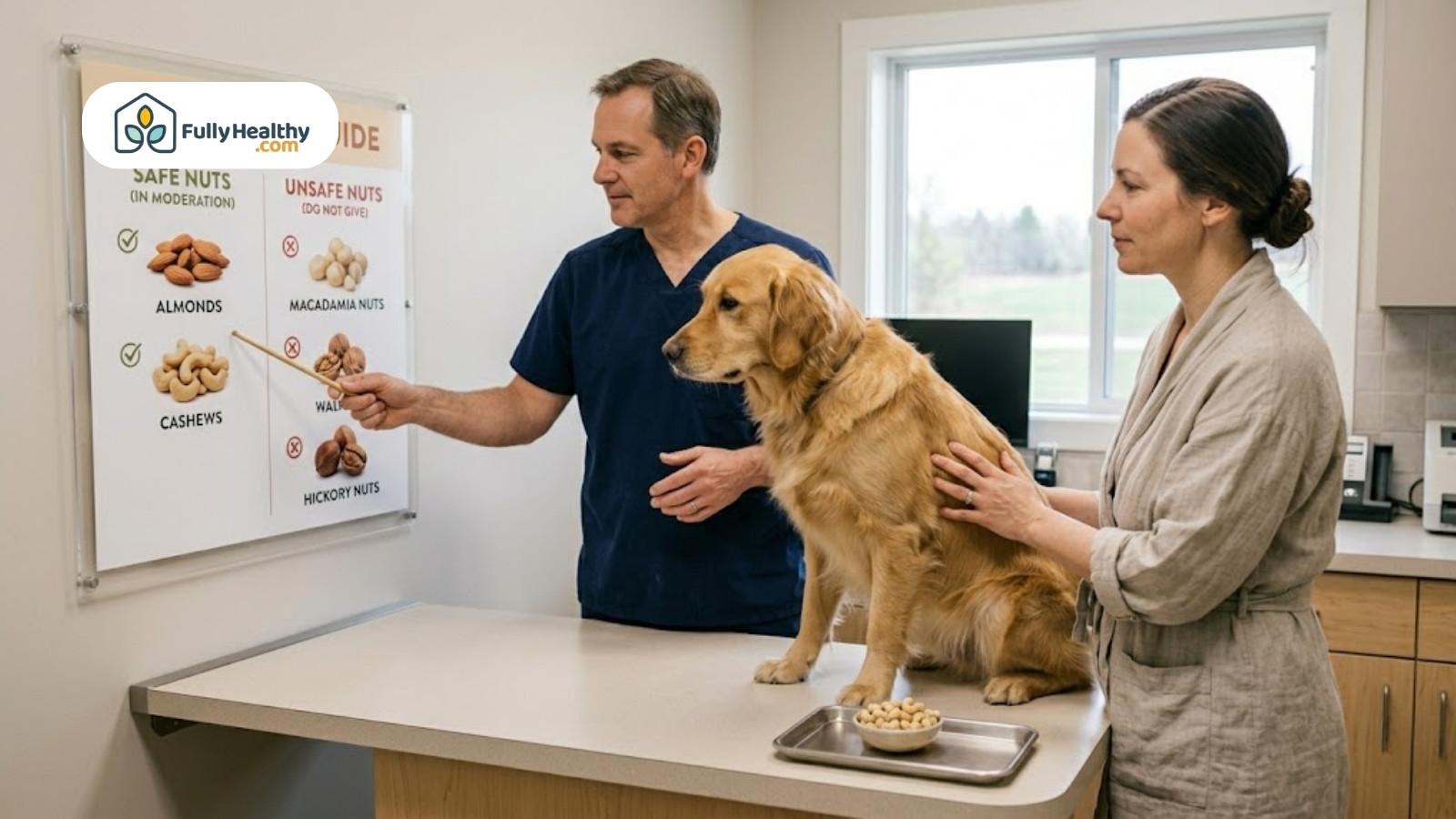
Can dogs eat nuts? Yes, but not all nuts are safe. Some provide healthy nutrients, but many are high in fat or even toxic to dogs. Feeding the wrong type can quickly make dogs sick or create a choking hazard. Nuts should only be an occasional treat, not a regular part of your dog's diet. Knowing which dog nuts are safe helps protect your furry friend from serious health problems.
Can Dogs Eat Nuts Safely Or Should They Avoid Them?
Dogs can eat nuts in small amounts, but caution is key. Most nuts are rich in fat, which can upset digestion and lead to long-term health issues. Feeding too many nuts increases the risk quickly.
-
Moderation matters: One or two nuts at a time is enough for most dogs.
-
High fat risk: Too many nuts can lead to appetite weakness tremors difficulty and digestive stress.
-
Digestive issues: Nuts can make dogs sick, causing vomiting, diarrhea, or discomfort.
Why Nuts Are Not Ideal For Dogs Despite Some Benefits
Nuts do contain healthy fats and can support proper blood flow, but the risks often outweigh the benefits. Many nuts are hard for dogs to digest and can cause problems.
-
Nutritional value: Nuts offer healthy nutrients like vitamins and beneficial fats.
-
Health concerns: Nuts bad for dogs when eaten often or in large amounts.
-
Added dangers: Salted nuts or dry roasted types contain too much salt and additives.
What Nuts Are Safe For Dogs To Eat?

Not all nuts are harmful, but only a few are safe when prepared correctly. Safe options must be plain, unsalted, and given in small amounts to avoid nut toxicity.
List Of Nuts Dogs Can Eat In Small Amounts
Some nuts are safer choices when fed properly. Always introduce them slowly and watch how your furry friend reacts.
-
Safer options: Dogs eat peanuts and dogs eat cashews in small, controlled amounts.
-
Occasional treats: Pine nuts can be given rarely, but only in tiny portions.
-
Nut butters: Dogs eat peanut butter if it does not contain artificial sweetener xylitol.
Preparation Rules To Make Nuts Safer For Dogs
Preparation plays a big role in safety. Even safe nuts can become dangerous if handled the wrong way.
-
Remove shells: Shells can create a choking hazard or block digestion.
-
Keep it plain: Avoid salted nuts, flavored coatings, or dry roasted varieties.
-
Check ingredients: Some peanut butter brands include harmful additives like xylitol.
Can Dogs Eat Walnuts Or Cashews?

Walnuts and cashews are often compared, but they are not equally safe. Cashews are safer in small amounts, while walnuts carry higher risks due to toxins and mold.
Are Walnuts Safe For Dogs Or Dangerous?
Walnuts are not recommended for dogs. Some types contain harmful compounds and are more likely to cause serious issues.
-
Toxic types: Black walnuts are toxic to dogs and should always be avoided.
-
Mold risk: Moldy walnuts can cause nut toxicity and serious illness.
-
Warning signs: Symptoms may include legs seizures bloody stool in severe cases.
Are Cashews A Better Option For Dogs?
Cashews are a safer option, but they still need to be limited. They are high in fat and not suitable for regular feeding.
-
Controlled portions: Dogs eat cashews only occasionally and in small amounts.
-
Better alternative: Safer than english walnuts, but still not ideal daily.
-
Overfeeding risk: Too many nuts can still make dogs sick and lead to health issues.
What Is The 90/10 Rule Dog?
The 90/10 rule helps you control treats in your dog’s diet. It means 90% of daily calories should come from balanced meals, while only 10% should come from extras like nuts. This keeps your dog healthy and lowers the risk of problems caused by high fat content foods. Since most nuts have very high fat content, they should always be limited to avoid serious harm.
What The 90/10 Feeding Rule Means For Treats
This rule keeps your dog’s nutrition balanced. Treats should support the diet, not replace it.
-
Treat balance: Only 10% of daily intake should include snacks like unsalted peanuts or raw cashews.
-
Nutrition priority: Main meals support muscle tissue development and overall health.
-
Calorie control: Helps prevent weight gain since nuts are dense despite offering fewer calories in small portions.
How Nuts Fit Into The 10% Treat Allowance
Nuts should be given in very small quantities and not every day. Even the healthiest nut can cause issues if overfed.
-
Portion size: Small dogs need very small quantities to avoid stomach upset.
-
Safer picks: Unsalted peanuts and raw cashews are better choices.
-
Risk awareness: Dogs eat pistachios, dogs eat pecans, and other nuts only rarely due to fat levels and safety concerns.
FullyHealthy Products And Options For Nut-Based Snacks
FullyHealthy offers clean, specialty foods designed for people with dietary needs. These products focus on high-quality ingredients, but they are not made for dogs. Many items contain nuts, added salt, or ingredients that may cause serious harm if a dog consumes them. It’s important to keep human snacks separate from pet food to protect your dog’s health.
What FullyHealthy Offers For Specialized Diets
FullyHealthy provides a wide range of allergen-friendly and nutrient-dense foods. These products are created for human health and convenience.
-
Clean ingredients: Many foods include vitamin e and support coat health for people.
-
Diet support: Ideal for gluten-free, AIP, and restricted diets.
-
Wide selection: Includes products made with almond butter, trail mix blends, and other nuts.
Featured Products From FullyHealthy
Here are some examples of products available on FullyHealthy. These are designed for humans and should not be given to dogs.
-
Mauna Loa Hawaiian Sea Salt Macadamia Nuts: Macadamia nuts are toxic to dogs, and feeding them can lead to muscle weakness and require a vet immediately.
-
EAT G.A.N.G.S.T.E.R Dark Choconot Product: A specialty baking mix with alternative ingredients, not suitable for pets.
-
Base Culture Seven Nut And Seed Bread: Contains multiple nuts like brazil nuts and almond butter, which may cause intestinal blockage or digestion issues.
-
Safety reminder: Never feed macadamia nuts, as dogs eat macadamia nuts can lead to serious harm.
-
General rule: Dogs eat almonds, dogs eat almond butter, dogs eat brazil nuts, and other nuts only in controlled cases, but most packaged foods are unsafe.
Final Thoughts
Can dogs eat nuts? Yes, but with caution. While some nuts offer health benefits like vitamin support, cellular health, and promote skin health, the risks involved are often higher. Many nuts are high in fat and can cause appetite discomfort, especially in dogs with sensitive stomachs.
Dog pistachios, peanuts, or cashews may seem safe, but giving nuts too often can lead to problems. Some nuts may even be carrying mold, which is dangerous. Dogs love tasty snacks, but not all human foods are safe. Always choose safer treats and keep portions small to protect your dog’s health and avoid unnecessary risks involved.
FAQs
Can dog pistachios be safe for dogs?
Dog pistachios may be eaten in tiny amounts, but the risks involved like appetite discomfort and high fat make them unsafe for regular feeding.
Do dogs love nuts and are there health benefits?
Dogs love nuts, and some provide health benefits like cellular health and promote skin support, but giving nuts often is risky.
Why are nuts risky for dogs with sensitive stomachs?
Dogs with sensitive stomachs may experience appetite discomfort or illness, especially if nuts are carrying mold or too fatty.
Is giving nuts to dogs ever a good idea?
Giving nuts can offer small health benefits, but the risks involved like digestion issues and mold exposure make them a poor choice overall.
Can nuts cause serious problems in dogs?
Yes, nuts can cause appetite discomfort, digestive issues, and even toxicity, especially if they are carrying mold or fed too often.
Leave a comment