

Can Dogs Eat Salmon? The Truth About This Nutritious Fish

Dogs can eat salmon, but only if it's cooked and has no bones. Omega-3 fatty acids found in this tasty fish are good for your dog's skin, coat, and joints.
But dogs should not eat raw salmon because it can contain harmful parasites that make them very sick. It is safe to feed salmon, and this guide will tell you how much to give and which fish to stay away from.
Featured Snack Pick
Epic // Salmon Maple Coconut Oil Bites - 2.5 oz
Loading...
Can Dogs Eat Salmon?

When cooked correctly, salmon for dogs can be a safe and healthy fish. Salmon can be eaten by dogs, but it needs to be fully cooked, boneless, and plain.
Salmon poisoning disease, which is caused by parasites found in raw fish, can happen if you feed your pet raw or undercooked salmon. Fish that has been cooked gives your dog protein and essential fatty acids that are good for their health, skin, and coat.
Why Salmon Is Good for Dogs
When cooked correctly, salmon is very good for your dog's health. The healthy nutrients in it make a dog's diet better and keep them active and healthy.
-
Rich nutritional value: Salmon provides protein, selenium, and B vitamins that support energy and metabolism.
-
Essential fatty acids: Omega-3s help reduce inflammation, strengthen joints, and improve coat shine.
-
Strong immune system: Fatty acids in wild salmon or farmed salmon help your dog fight infections naturally.
-
Better bone health: Minerals in salmon support bone structure and flexibility, keeping dogs agile as they age.
Preparing Salmon Safely for Dogs
Safety is very important when cooking salmon. Don't eat raw fish, salmon that hasn't been cooked, or smoked salmon. These things might have parasites or harmful bacteria that are bad for your dog and make them sick. Choose fresh salmon every time, and take out all the salmon bones before cooking.
-
Use cooked salmon only: Boil, bake, or steam plain salmon without any salt, oil, or seasonings.
-
Avoid raw or undercooked salmon: These can cause salmon poisoning and digestive problems.
-
Limit salmon skin: Dogs eat salmon skin only if it’s cooked and offered occasionally, it’s high in fat.
-
Never feed smoked salmon: Dogs eat smoked salmon at their own risk, as it’s high in sodium and unsafe for pets.
What Fish Can Dogs Not Eat?

Not every fish is safe for dogs. While salmon offers many nutritional benefits, some fish can harm your dog’s health because they carry toxins or heavy metals. Fresh or wild-caught salmon is best for your dog's health. Stay away from the dangerous species.
Fish to Avoid in a Dog’s Diet
More mercury is stored in large fish that live longer. Over time, this mercury can hurt your dog's tissues and immune system.
-
Avoid these species: Swordfish, king mackerel, tilefish, and albacore tuna have high mercury levels.
-
Reason to avoid: Mercury buildup can cause weakness, vomiting, and long-term nerve issues.
-
Unsafe habits: Dogs eat raw salmon or smoked salmon risk bacteria, parasites, and illness.
-
Best practice: Choose pacific salmon, wild salmon, or canned salmon in water for safer feeding.
Risks of Raw or Smoked Fish
It might not seem dangerous, but raw and smoked fish can have parasites and bacteria that can make your dog sick. Always make sure fish is fully cooked before feeding it.
-
Parasite danger: Raw or undercooked salmon can contain flukes or worms that infect the intestines.
-
Salmon poisoning disease: Caused by the Neorickettsia helminthoeca parasite in raw salmon.
-
Smoked salmon risks: Usually cured with salt, which can dehydrate or poison your dog.
-
Better choice: Serve boneless salmon, canned salmon, or cooked salmon for safe protein.
How Much Salmon Do I Give My Dog?
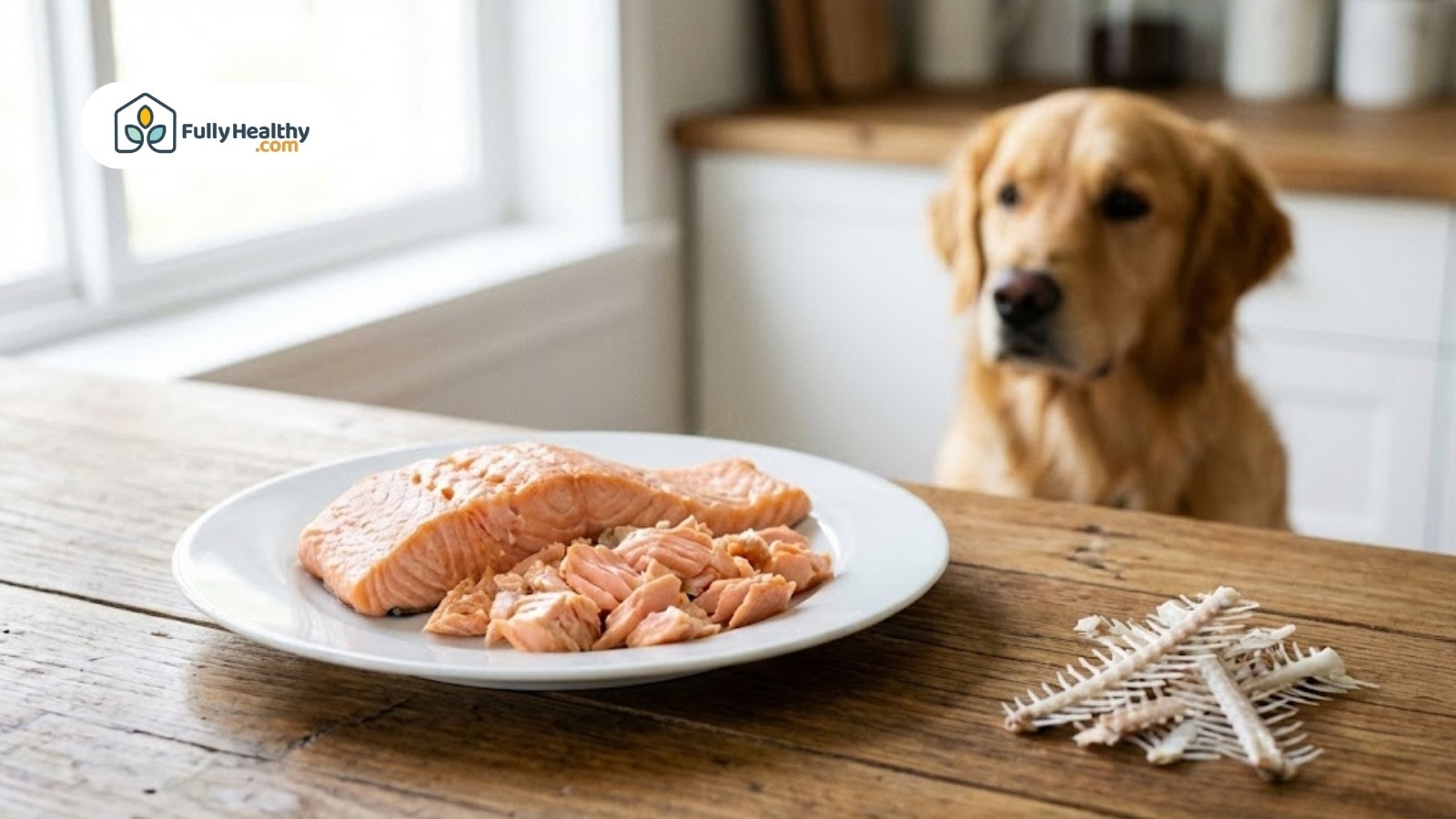
Too much salmon can make your dog sick or make them gain weight, even though salmon is a healthy fish. Start giving your dog salmon in small amounts at first and see how they react before adding it to their regular meals.
Portion Size and Frequency
No more than once a week, give your dog small amounts of cooked salmon or salmon caught in the wild. When you eat in moderation, you get a balanced diet without too many calories or fat.
-
Suggested portion: Around 12 ounces of cooked salmon for a 50-pound dog.
-
Adjust by size: Smaller breeds should get half or less of that amount.
-
Type of salmon: Use wild salmon or farmed salmon that’s boneless and fully cooked.
-
Safe storage: Freeze leftovers properly and reheat before serving, never serve frozen salmon raw.
Choosing Salmon Products
Stick to clean, natural options that are good for your dog's health and daily nutrition when you introduce salmon.
-
Canned salmon: Pick those packed in water, not oil or salt.
-
Salmon oil: Add a teaspoon to food for shiny fur and healthy joints.
-
Boneless salmon: Prevents choking or stomach blockage.
-
Nutritious fish option: Provides complete protein and supports your dog’s muscle and bone health.
Is Salmon Better for Dogs Than Chicken?
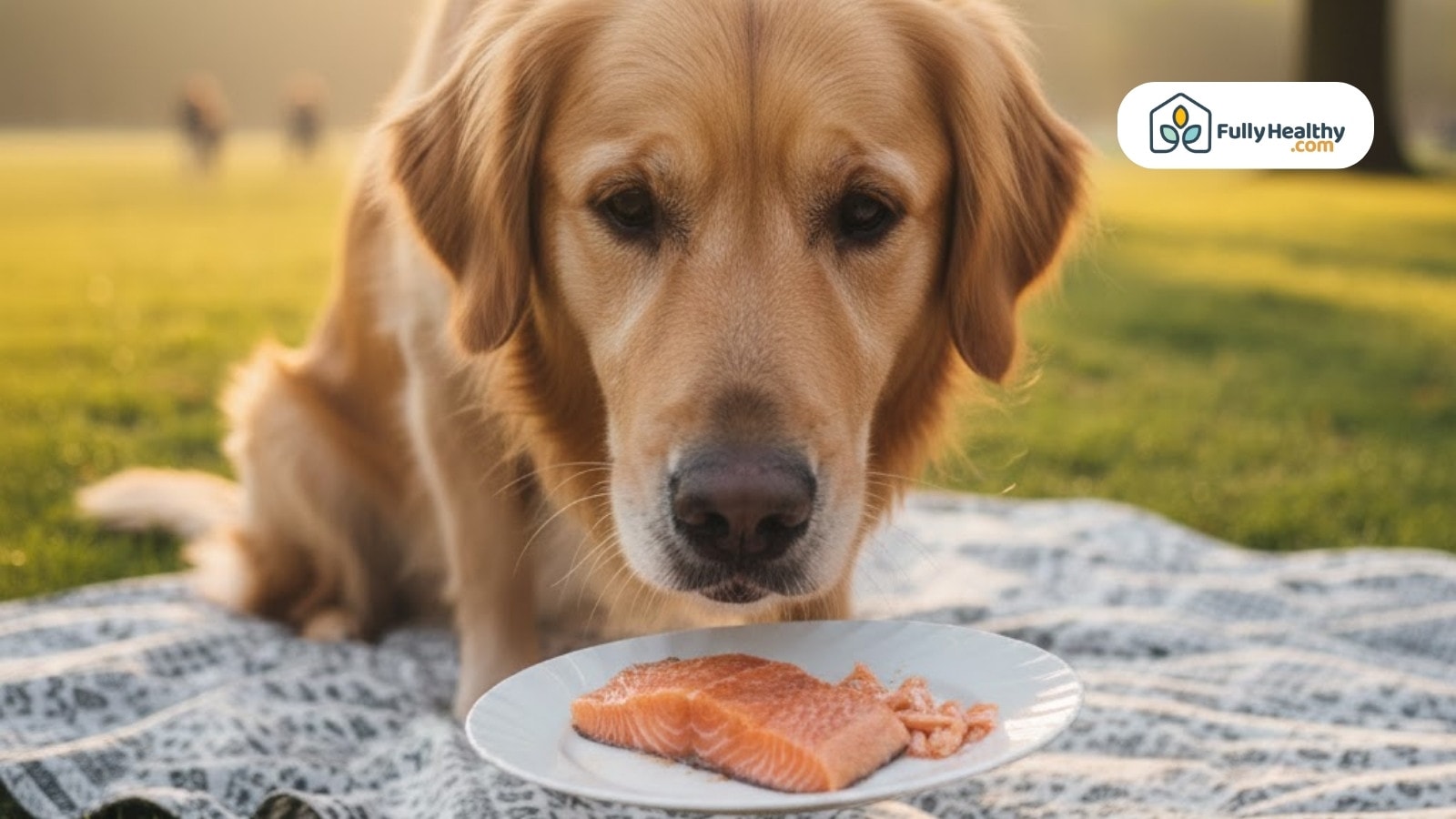
Salmon and chicken are both great protein sources for dog food, but they are used for different things. Salmon is good for dogs because it has a lot of minerals and omega-3 fatty acids. Chicken, on the other hand, has lean protein and less fat. The best choice for your pet will depend on its health, food allergies, and dietary needs.
Comparing Protein and Nutrients
Salmon is full of important nutrients that are good for your dog's health on the inside and out. This delicious fish is good for the brain, the nervous system, and digestion, and it's also easy on stomachs that are sensitive.
-
High-quality protein: Salmon offers lean protein that helps build strong muscles and maintain your dog’s weight.
-
Healthy fats: Omega-3s and fish oil in salmon improve joint health, reduce inflammation, and keep your pet’s coat shiny.
-
Essential nutrients: Minerals salmon provides—like selenium, magnesium, and potassium—help maintain energy and immunity.
-
Gentle on digestion: Most dogs digest salmon easily, making it a smart alternative for pets sensitive to chicken.
Why Salmon May Be the Healthier Option
Salmon is often a better choice for dog owners whose dogs have allergies or skin problems. It gives you all the benefits of balanced nutrition without making you feel bad or causing reactions.
-
Supports brain health: Omega-3s from salmon help improve learning ability and alertness.
-
Improves coat condition: Healthy fats keep your dog’s fur soft, shiny, and less prone to shedding.
-
Protects the nervous system: Nutrients found in pacific ocean salmon help keep nerve cells functioning properly.
-
Reduces allergies: Properly prepared salmon is less likely to trigger sensitivities compared to poultry.
What FullyHealthy Can Do for You
FullyHealthy makes it easier to eat healthy by selling salmon products that are safe, clean, and responsibly sourced. Trust it to give you healthy foods that are good for both you and your pets.
Healthy, Allergen-Free Shopping
FullyHealthy specializes in healthy, allergen-free foods that don't contain excess salt or artificial ingredients. Their seafood comes from sustainable sources, and salmon is a great food to give your dog as part of a healthy diet.
-
Wild Planet Wild Sockeye Salmon: Loaded with lean protein and essential minerals salmon provides.
-
Wild Planet Wild Alaskan Pink Salmon: Boneless and cooked once for pure flavor and nutrition.
-
EPIC Salmon Maple Coconut Oil Bites: A tasty treat made from wild salmon, rich in healthy fats.
-
Perfect for pet owners: Safe and convenient choices for introducing salmon to your dog.
Why Choose FullyHealthy for Salmon
FullHealthy makes sure that all of their products are made correctly, so you can give your dog all the health benefits of salmon in a safe and simple way.
-
Responsible sourcing: Salmon is sustainably caught and processed for maximum freshness.
-
Balanced nutrition: Each product supports healthy weight, joint strength, and brain function.
-
Safe and natural: No additives or preservatives that could upset your dog’s stomach.
-
Great as a special treat: A nutritious, ready-to-eat option your furry friend will love.
Final Thoughts
When cooked and served right, salmon is a great source of nutrients for dogs. It has a lot of healthy fats that are good for your dog's skin, coat, and immune system. But don't give your dog raw fish or salmon with extra salt; these can make their stomachs upset or bring in parasites that are bad for their health. Always feed cooked, boneless salmon in small amounts to get the health benefits without the risk.
FAQs
Can dogs eat salmon every day?
No, feeding salmon daily can lead to an upset stomach. Serve it once a week as a healthy source of essential fats and lean protein.
Can dogs eat salmon with added salt?
Avoid giving salmon with added salt because it can harm your dog’s heart and cause dehydration or stomach issues.
Is salmon really a nutritional powerhouse for dogs?
Yes, salmon is a nutritional powerhouse filled with essential fats, vitamins, and minerals that help with coat health and energy.
Can raw salmon make my dog sick?
Yes, raw salmon can carry harmful parasites that cause serious illness and vomiting, so always serve cooked salmon only.
What if my dog gets an upset stomach after eating salmon?
Stop feeding it and contact your vet. Even safe fish can cause an upset stomach if it contains added salt or isn’t cooked properly.
Leave a comment