
NEW PRODUCT:
Wily Foods Chicken Bone Broth AIP, Paleo →

 Photo Credit: Canva Pro
Dogs can eat tuna, but not too much. Protein and omega-3s found in tuna may support your dog's skin and coat health, but must be balanced with the rest of the dog's diet. It does, however, contain mercury, which can be bad for your dog if they eat too much.
This post tells you how much tuna is safe, what kinds are best, and how to serve it. Check out this video to see if tuna should be in your dog's bowl.
Featured Pantry Pick
Loading...
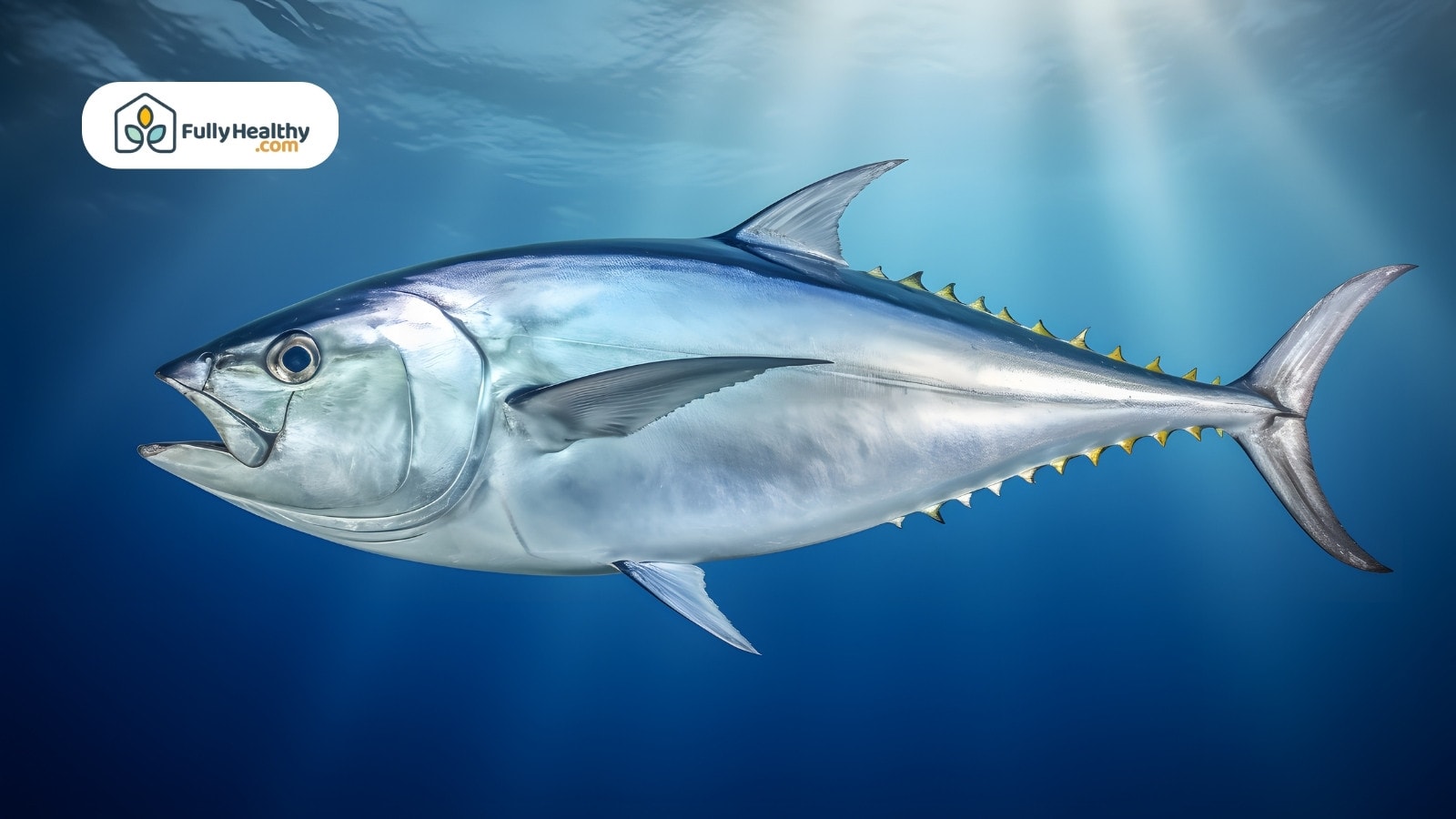 Photo Credit: Canva Pro
Tuna is a saltwater fish. It is high in protein and good fats. To make sure it's healthy for your dog, you should serve it the right way. If dogs eat too much tuna, the mercury in it can hurt them.
Tuna can pose risks due to mercury content, so it should only be considered safe in small, infrequent amounts. The kind of tuna, how it's cooked, and how much your dog eats all play a role.
Safe in small amounts: Dogs can eat tuna as a rare treat, not as a regular meal.
Choose light tuna: Light canned tuna, usually made from skipjack, has less mercury than albacore tuna.
Avoid raw tuna: Dogs eat raw tuna at their own risk, it may carry parasites and bacteria.
Check the label: Avoid tuna packed in oil or with added salt. Water-packed, unsalted tuna is best.
There are various kinds of tuna. There are safer types that have less mercury and other chemicals added to them.
Skipjack tuna is safer: It’s smaller, lower on the food chain, and has less mercury than bluefin or albacore tuna.
Cooked tuna is best: Always serve cooked tuna, not raw fish. Never add spices, sauces, or salt.
Tuna steak or fresh tuna: Only give small, plain portions with no bones.
Avoid dog canned tuna with extras: Some products include flavors or oils that are not safe for pets.
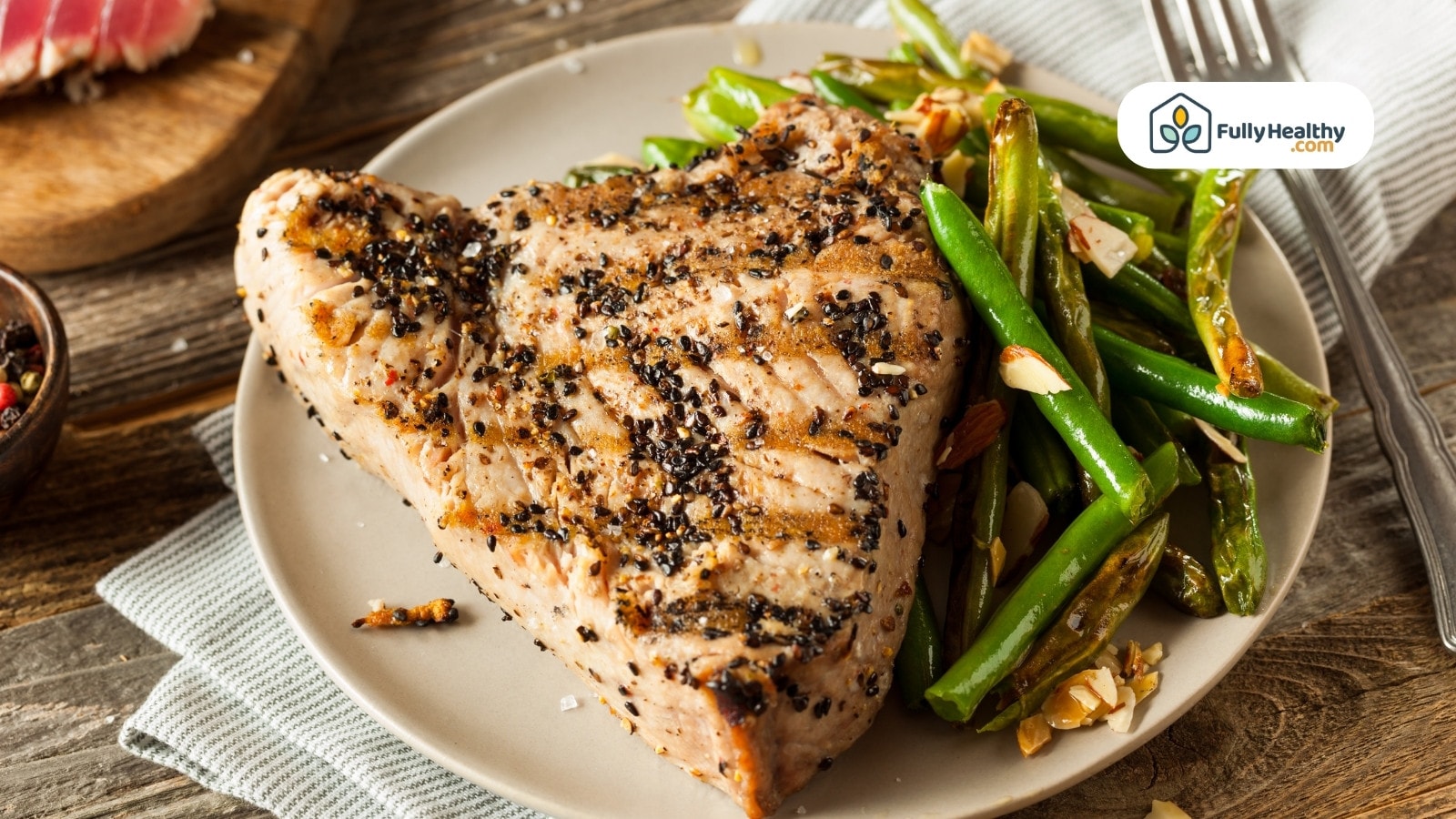 Photo Credit: Canva Pro
Tuna is a good source of protein and omega-3 fatty acids, but your dog shouldn't eat it all the time. If you feed your dog too much tuna, it can raise the amount of mercury in its body, which could cause serious health problems.
Your dog's size will tell you how much tuna to give them. Never eat tuna for a meal. Instead, eat it as a snack.
Small dogs: Small dogs should be given no more than a teaspoon or two of light canned tuna per week, and only with veterinary approval.
Large dogs: Can eat up to 1 can per week, but not every week.
Puppies and pregnant dogs: Should avoid tuna unless a vet says it’s okay—especially due to mercury risks.
Always check ingredients: Pick tuna with no spices, no oil, and no added salt.
If dogs eat too much mercury-filled fish, they can get sick. Early signs are very important.
Upset stomach: Watch for vomiting, bloody diarrhea, or lack of appetite.
Weird behavior: Tremors, confusion, or loss of coordination may show nervous system damage.
Skin and coat issues: Hair loss and dry skin can also point to problems.
Get help fast: If you notice symptoms, call your vet right away. Mercury damage can be permanent.
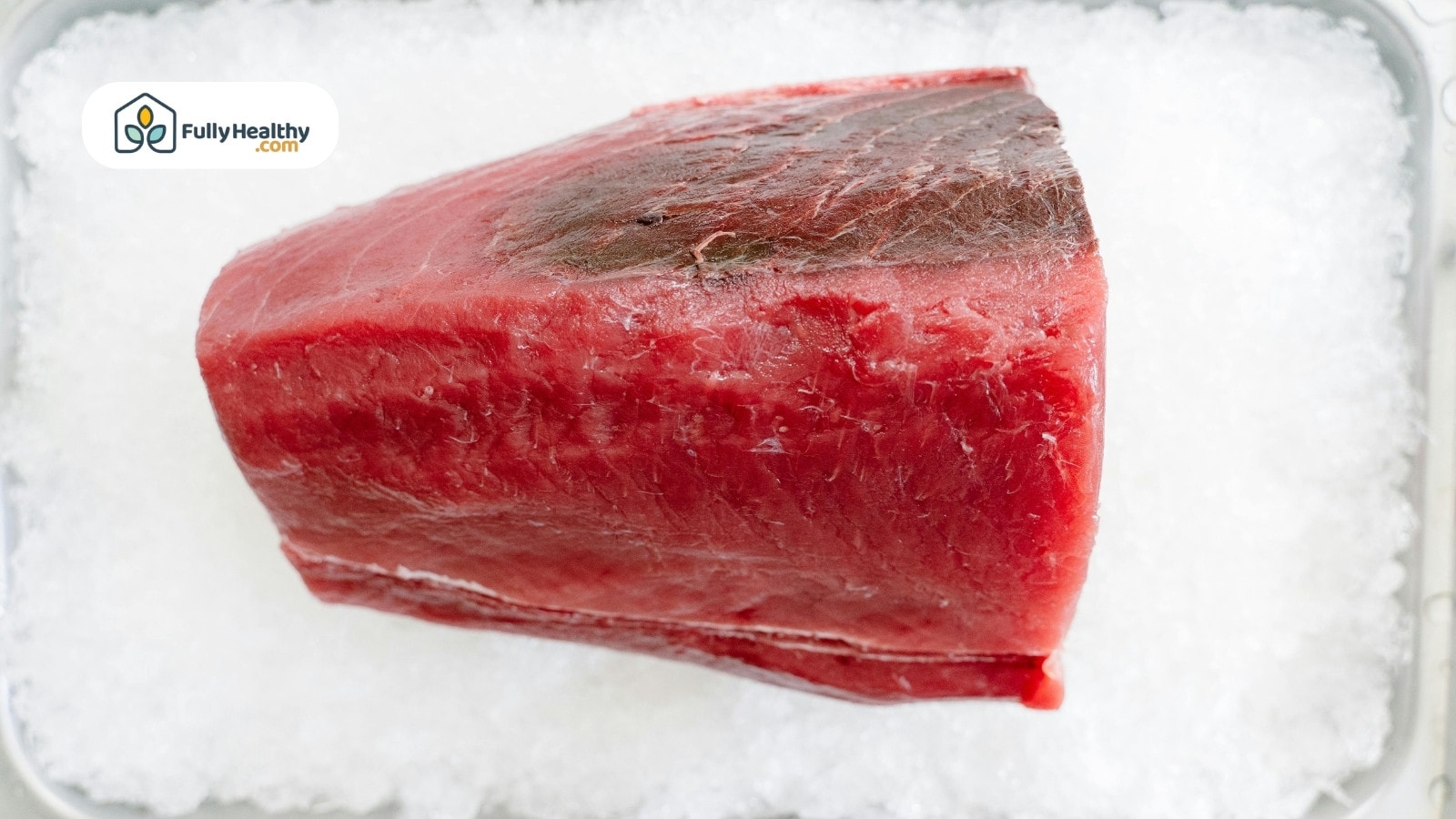 Photo Credit: Canva Pro
There are many health benefits to both tuna and salmon. However, the best choice for your dog will depend on how you serve it and how often for your dog's diet. When used the right way, both are good for a dog's health.
Salmon is usually a better choice because it has a lower mercury risk since it is higher in omega-3 fatty acids.
Salmon is lower in mercury: Especially wild-caught, it’s safer to feed more often.
Tuna has more protein: Tuna and salmon provide comparable protein amounts, but tuna typically has higher mercury levels, especially in species like albacore.
Fresh tuna vs. salmon: Salmon is better for everyday meals; tuna should stay a rare treat.
Tuna good for dogs, but in moderation: Use it as a topper, not the main course.
Bigger fish, like albacore tuna, take in more mercury over time because they live longer. This makes them more dangerous than salmon.
Skipjack tuna is safer: It's a smaller fish species with less mercury than bluefin tuna or albacore.
Avoid raw fish: Raw tuna and raw salmon may carry bacteria like Salmonella or Listeria.
Wild salmon wins: It’s safer, cleaner, and offers similar health benefits with less risk.
Cook before serving: Always serve tuna or salmon plain, cooked, and in small bites.
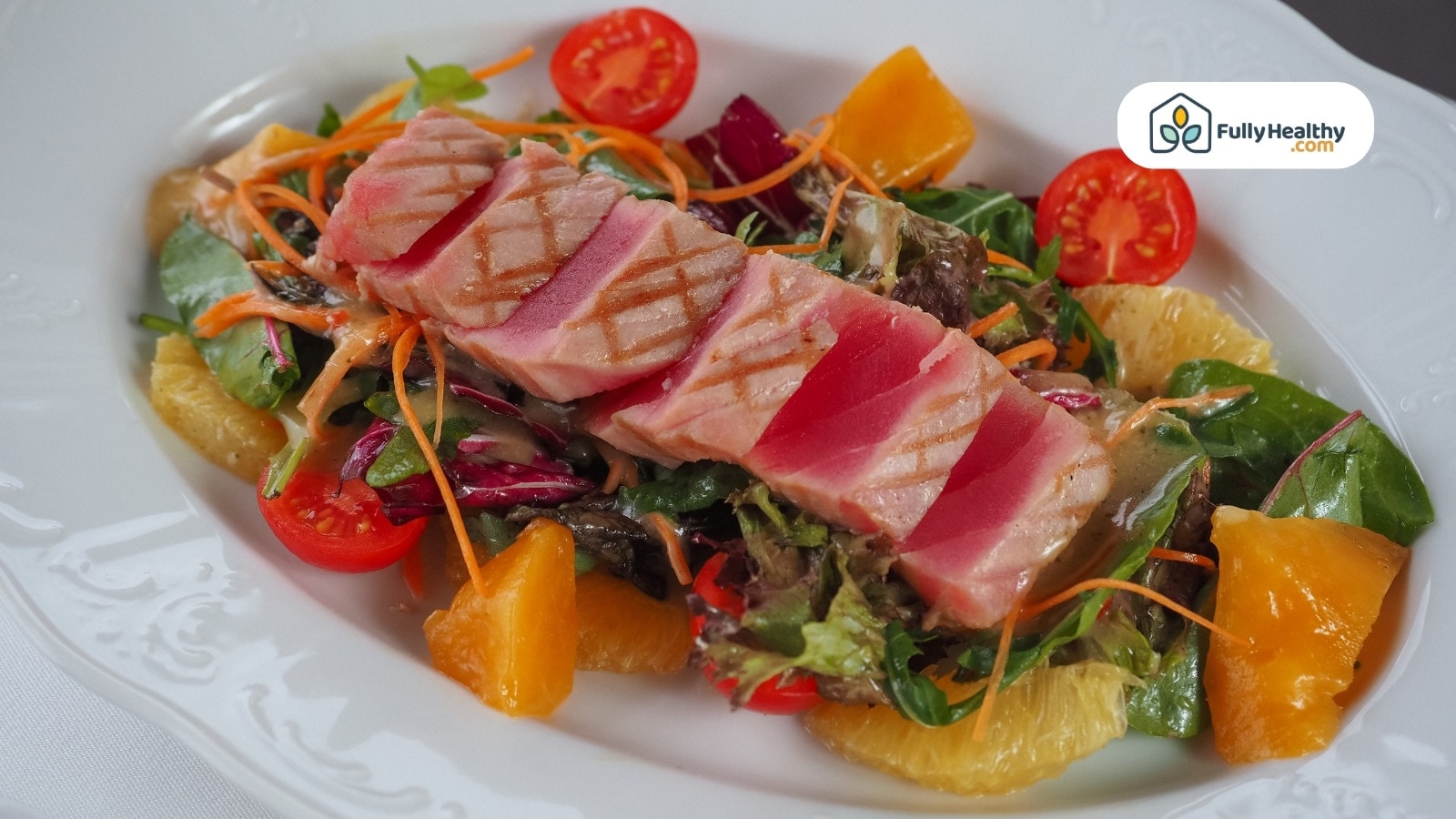 Photo Credit: Canva Pro
Eating tuna and rice is easy, but it's not the best thing for your dog to eat every day. Tuna is safe for most dogs in small amounts, but giving them it every day can be bad for them. There are different levels of mercury in tuna, and if your dog eats too much of it over time, it can hurt his health.
Tuna shouldn't be fed every day, it should only be fed sometimes. Not only protein from tuna fish, but a well-balanced meal with many different nutrients is what dogs need.
Tuna lacks variety: Tuna alone doesn’t provide everything a dog needs for good health.
Too much mercury is harmful: Eating large quantities of tuna can cause mercury toxicity, especially in small breeds.
Tuna bad when overfed: Feeding tuna daily increases the risk of long-term health issues.
Avoid feeding tuna every day: Instead, give it as a rare treat, mixed with other foods.
For safety's sake, pet parents should mix tuna with other safe foods and limit how often they feed their dog tuna.
Stick to small portions: Only add a spoonful or two, not the entire can.
Serve on rare occasions: Once a week, or less, is safest for most dogs.
Avoid other fish high in mercury: Steer clear of swordfish and king mackerel, which also contain too much mercury.
Check for adverse reaction: If your dog reacts poorly to tuna, stop serving it and talk to your vet.
You can trust FullyHealthy to sell clean, allergen-friendly food. It's not a pet store, but a lot of people who have dogs use our products because they can be safely consume and easy to use. There are no harmful ingredients in their tuna options, which is great if you want to continue giving tuna to your dog as an occasional treat.
You can stay away from types of tuna that are bad for dogs, like flavored or oily ones, when you shop at FullyHealthy. With these clean items, it's easier to eat tuna without adding extra salt or spices.
Plain tuna options: Their tuna is just tuna fish, packed in water or sea salt, nothing more.
Good for healthy skin: Tuna is rich in omega-3s, supporting coat health when fed occasionally.
Ideal for picky eaters: Tuna can be a high-protein boost on top of regular dog food.
Safe for most dogs: As long as it’s served in moderation and fits your dog’s health history.
There are a few different kinds of common tuna on FullyHealthy that are great for pets if they are used the right way.
Wild Planet Albacore Tuna 3 oz: Simple and small, great for occasional serving.
Wild Planet Skipjack Tuna No Salt 5 oz: Lower mercury found in skipjack; no added salt.
Wild Planet Albacore Tuna 5 oz: Clean, high-protein tuna with no fillers, just plain fish.
Some dogs can tolerate small amounts of tuna, but due to mercury content, it should never replace a balanced diet. You can give your dog small amounts as a treat once in a while, but always pick ones that have less mercury in them.
Keep an eye out for signs of mercury poisoning, such as vomiting, stomach pain, or changes in behavior. Give your dog new foods that are high in important nutrients and other nutrients to keep their immune system strong and to avoid long-term problems like kidney damage.
No, you should not feed your dog tuna daily. It lacks other nutrients and raises the risk of kidney damage from mercury.
Yes, tuna with lower mercury levels, like skipjack, is safer for dogs to eat when served in small amounts.
No, the amount of tuna should not replace a regular diet because it lacks important nutrients and may cause symptoms of mercury poisoning.
Watch for signs like tremors, vomiting, loss of coordination, and lethargy — more consistent with mercury toxicity.
Yes, mixing tuna with new foods can help add variety and cover any important nutrients your dog may miss.
Leave a comment