

Can Dogs Have Black Pepper or Is It Harmful? The Truth About Spices
 Photo Credit: Canva Pro
Black pepper is in almost every kitchen, but can dogs have black pepper? Small amounts won't hurt your dog, but too much of it is bad for their health. This spice might make your dog sick or make them sneeze. There are even worse spices. In this guide, you’ll learn what’s safe, what’s not, and how to keep your furry friend’s food clean and safe.
Featured Spice Pick
Simply Organic // Black Pepper - 4 oz
Loading...
Is It Okay If Dogs Have Black Pepper?
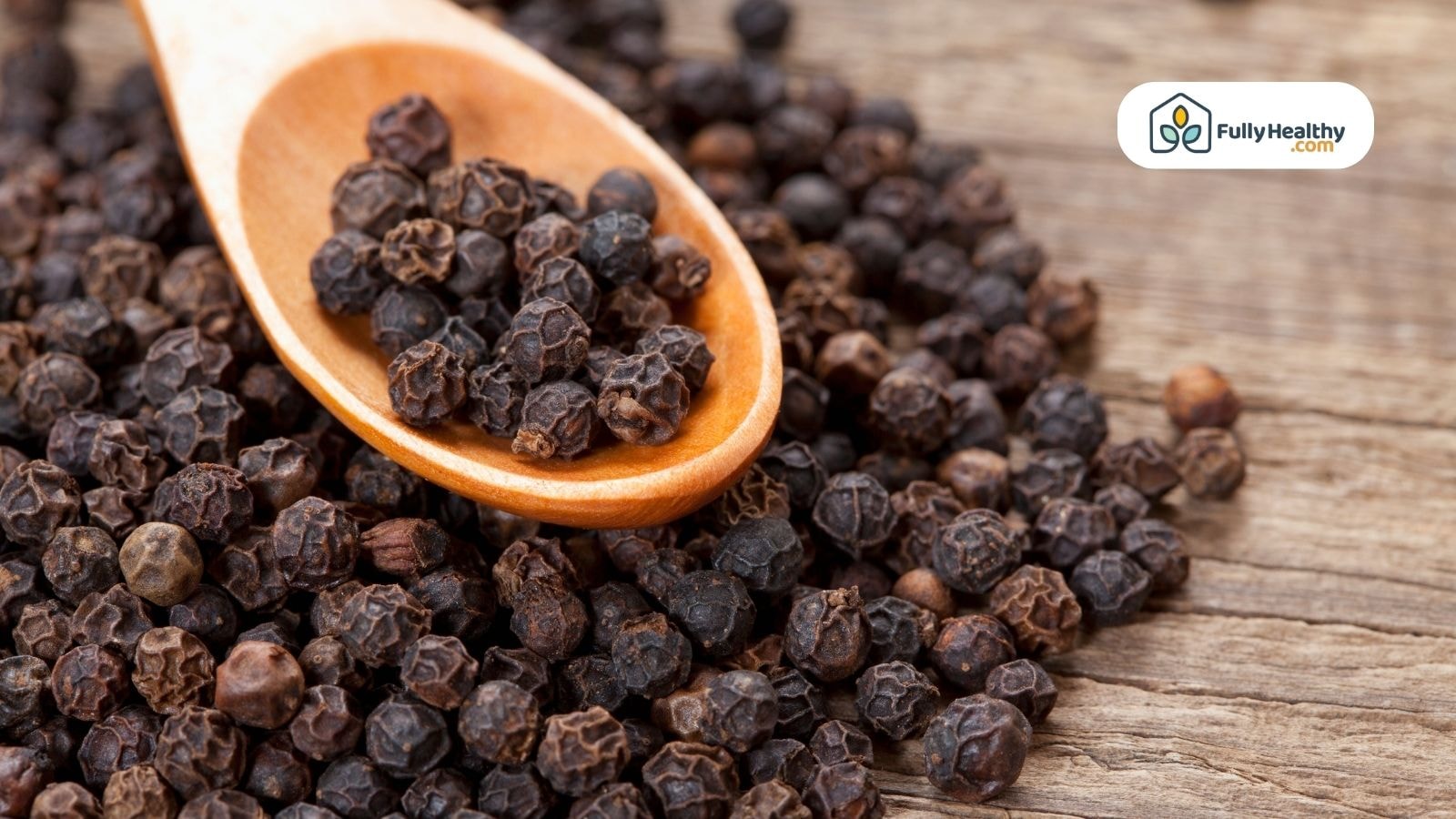 Photo Credit: Canva Pro
What Experts Say About Black Pepper in Dog Diets
Can dogs have black pepper? Yes, but it’s unnecessary and not suggested. While it’s not toxic in small quantities, dogs eat black pepper by accident more than by choice. There are no benefits for dogs in eating it, and it can make their stomachs hurt.
-
No benefit: Black pepper has no essential nutritional benefit for dogs and may irritate their digestive system.
-
Wrong seasoning: Dogs don’t need spicy or peppery flavor in their food.
-
Avoid feeding: Black pepper is a human food seasoning, not dog safe human food.
Side Effects of Even Small Exposure
If a dog eats even a small amount of black pepper, it could have bad reactions. Black pepper can make dogs' stomachs upset, which can be seen right away by sneezing or other symptoms.
-
Digestive issues: Diarrhea, vomiting, or bloating can occur.
-
Respiratory problems: Sneezing or coughing from inhaled pepper.
-
Smaller dogs risk: Even tiny doses may cause stronger effects.
-
Gastrointestinal irritation: Too much black pepper inflames the stomach.
How Much Is Too Much Black Pepper for Dogs?
 Photo Credit: Canva Pro
Signs Your Dog Ate Too Much
A dog should never consume more than a pinch of black pepper at a time, and for some smaller dogs, that may even be too much. When a dog eats too much black pepper, it may quickly start to feel bad.
Keep an eye out for negative symptoms like diarrhea, vomiting, or losing your appetite, especially in smaller dogs or dogs that already have stomach problems.
-
Upset stomach: Look for loose stool or discomfort.
-
Lethargy: Dogs may become less active or tired.
-
Vomiting: A common reaction to excessive amounts.
-
Behavior changes: Avoiding food or acting restless.
Why Table Scraps Are Risky
It's easy for most dogs to eat black pepper by accident because it hides in leftovers from dinner table. Adding spices like salt, garlic, and cayenne pepper can make the health risks higher.
-
Other spices: Dangerous herbs and spices are common in human food.
-
Seasoned meats: Feeding black pepper-coated meats can harm a dog’s stomach.
-
Dog's health risk: Scraps contribute to weight gain and digestive upset.
-
Avoid giving black pepper: Table scraps are unsafe for regular feeding.
Are There Spices That Are Toxic to Dogs?
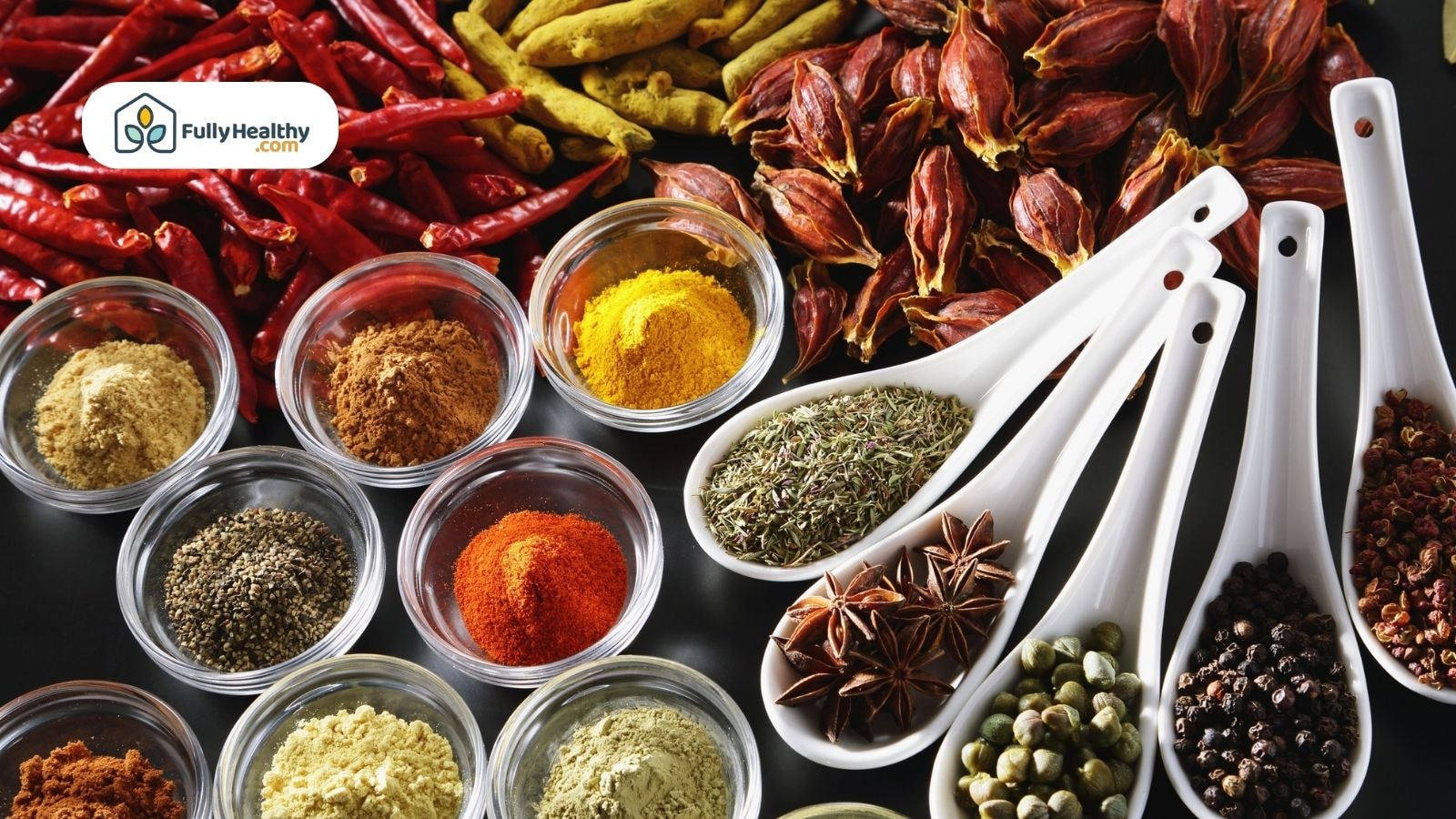 Photo Credit: Canva Pro
Spices You Must Never Feed Dogs
Several spices are more harmful than black pepper. Garlic, nutmeg, cocoa, and onion can cause serious health problems for dogs, from anemia to nervous system damage, even in small amounts.
-
Garlic/onion: Can lead to red blood cell damage.
-
Nutmeg: Toxic in small quantities due to myristicin.
-
Cocoa powder: Causes seizures and heart issues.
-
Chili pepper: Adds heat that damages the dog’s stomach.
Safe Herbs and Spices in Moderation
When added the right way, herbs like parsley and turmeric are safe. Even though they may help digestion or reduce inflammation, eating too much of them can still cause digestive problems or make them sick.
-
Turmeric: May reduce inflammation when paired with black pepper.
-
Parsley: Aids digestion and freshens breath in small amounts.
-
Rosemary: Often used in healthy dog food recipes.
-
Whole foods first: Stick to plain vegetables and meats.
Can Dogs Have Black Pepper With Turmeric?
 Photo Credit: Canva Pro
The Turmeric + Black Pepper Synergy
Turmeric is often praised for its anti inflammatory benefits for dogs, and adding black pepper can make those effects even stronger. It is thought that the compound piperine in black pepper helps the body absorb curcumin, which is the active ingredient in turmeric, by up to 2000%.
-
Boosted absorption: Piperine helps turmeric work better in a dog’s system.
-
Used in supplements: Many dog food brands combine turmeric and black pepper.
-
Health potential: May support joints and reduce inflammation.
-
Still risky: Eating black pepper in large quantities can cause stomach upset.
Dosage & Delivery Methods
Turmeric and black pepper are best for dogs when given in controlled forms, such as pastes or supplements. Only a pinch of black pepper, and only when mixed with healthy herbs, is safe for dogs of all sizes.
-
Start small: Use 1/8 tsp turmeric + pinch of black pepper for smaller dogs.
-
Use whole foods: Mix with wet food or broth for easier digestion.
-
Avoid giving raw: Do not feed pepper straight from the shaker.
-
Vet approval: Always check with a veterinarian before feeding black pepper.
FullyHealthy: Real Food, Real Standards
Specialty Diets Made Accessible
FullyHealthy was made to help people find whole foods that are safe for people with particular diets, clean seasonings. People who are trying to avoid allergens, spicy ingredients, or unhealthy ones can trust this store.
-
Food transparency: Labels are clean, clear, and always readable.
-
Whole foods only: No junk, preservatives, or excess seasoning.
-
Allergy awareness: Offers AIP, paleo, and gluten-free products.
Popular Pepper Products We Carry
Simply Organic Black Pepper stands out because it is pure, hasn't been irradiated, and is great for people who cook healthy meals. Black pepper is a pantry staple for people, but it's not safe for dogs to eat in large amounts.
-
Simply Organic Black Pepper: Clean, pure, and free from additives and preservatives.
-
Chomps Venison Stick with Beef: A protein-rich snack seasoned with mild salt and pepper—made for humans, not dogs.
-
Clean sourcing: Free from additives and preservatives.
-
Organic certified: Grown without synthetic chemicals.
-
Great for humans: Not recommended for feeding black pepper to pets.
-
Cooking use: Season meats and vegetables for human meals only.
Final Thoughts
It may not seem dangerous to feed your pet black pepper, but even a small amount of this common seasoning can be bad for their health. Black pepper can cause bad reactions like throwing up, stomach pain, or breathing problems. Black pepper is bad for dogs' health, so it's best to keep it off their food. If it concerns your dog's health, always choose safety.
FAQs
Is pepper toxic to a dog?
Pepper isn’t toxic, but a significant amount can upset a dog’s meals and harm their well being.
What benefits does black pepper have for dogs?
Black pepper has no health benefits for dogs and may cause respiratory issues.
Can dogs eat scrambled eggs with black pepper?
Dogs can eat scrambled eggs but not with black pepper bad seasonings or spicy add-ins.
Is ginger toxic to dogs?
Ginger is not toxic and unlike common seasoning black pepper, it may help digestion in your furry friend.
Can dogs have a significant amount of pepper in their food?
No, a significant amount of pepper may harm your dog’s respiratory system and cause severe cases of stomach upset.
Leave a comment