

Can Dogs Have Cashews Safely? The Full Guide for Pet Parents
Can dogs have cashews? Yes, but only in small amounts and if they are plain, salted, and seasoned. Cashews aren't toxic to dogs, but they are high in fat, which can make them gain weight or get pancreatitis.
Here are the pros and cons of giving cashews to your dog, along with tips on how to do it safely. Let's talk about what you need to know about this nutty treat before you serve it.
Featured Pantry Pick
Artisana // Raw Pecan Butter with Cashews - 8 oz
Loading...
Can Dogs Have Cashews?
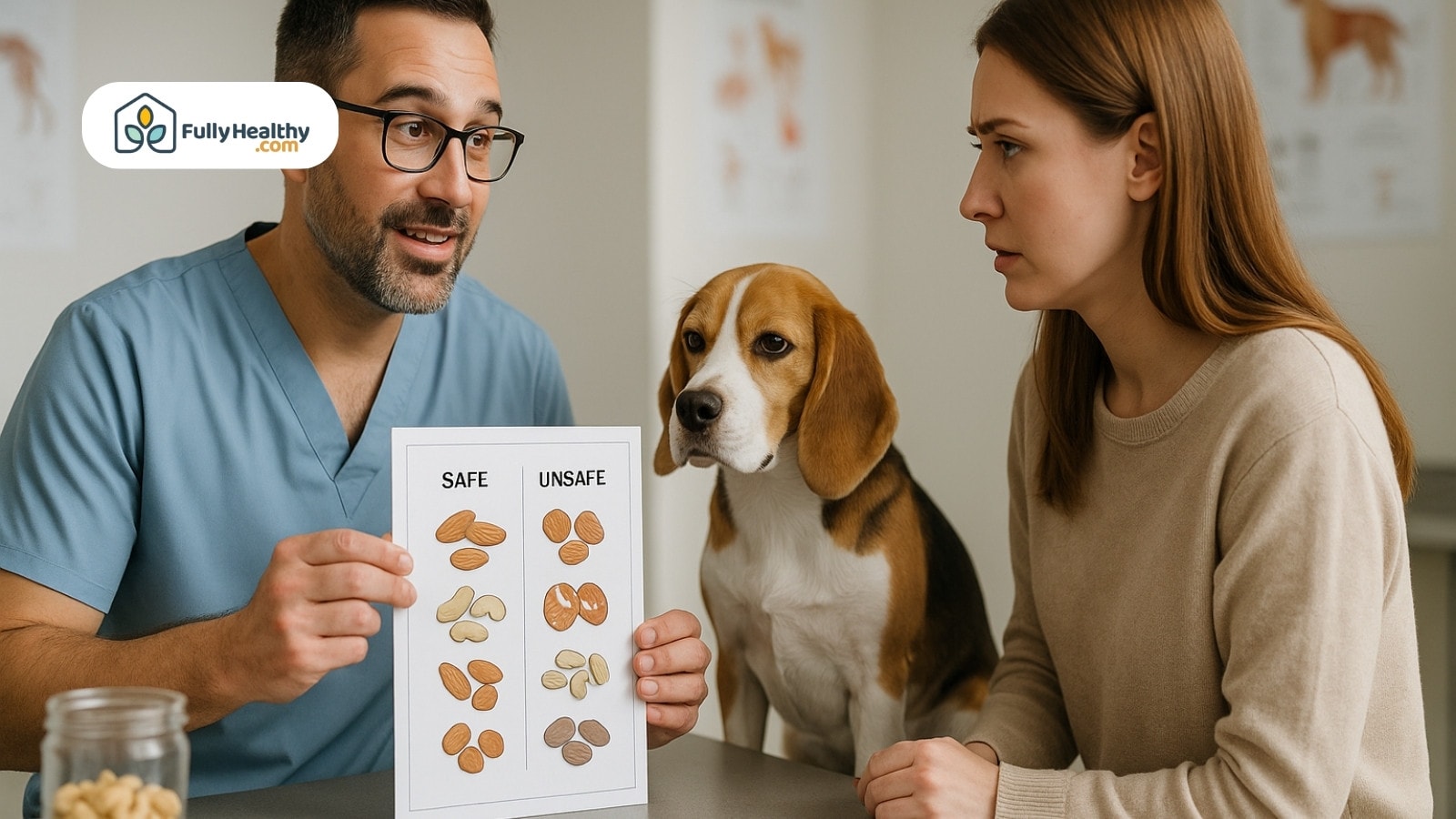
Yes, dogs can eat cashews, but only in small amounts and if they are unsalted, unseasoned, and commercially roasted (not raw). Cashews aren't poisonous, but they do have a lot of fat and calories, which can be bad if you eat too many of them.
Understanding how to safely include cashews in your dog’s diet helps keep your furry friend happy and healthy.
Health Benefits and Serving Guidelines for Dogs
Cashews have important minerals, healthy fats, and protein. But because they're high in calories, it's important to eat them in moderation. Dogs can get stomach or weight problems if they are fed cashews in the wrong way.
-
Nutrient Value: Cashews offer protein, antioxidants, and minerals like magnesium and copper.
-
Proper Portion Size: Limit to 1–2 unsalted cashews for a small dog, or up to 3–4 for a large dog.
-
Safe Formats: Only give plain cashews without added salt or flavoring.
-
Best Use: Think of cashews as an occasional healthy treat, not a daily snack.
Risks of Cashews: Fat, Choking, and Allergies
Cashews are good for dogs, but not all dogs should eat them. Cashews are still considered fatty foods, which can cause issues in dogs with sensitive stomachs or existing health problems.
-
High Fat Risk: Too much fat can lead to pancreatitis or weight gain, especially in small dogs.
-
Choking Hazards: Whole cashews can get stuck in the throat, so chop them up for smaller breeds.
-
Allergic Reactions: Watch for signs like itching, vomiting, or swelling if your dog is trying cashews for the first time.
-
Avoid for Some Dogs: Cashews are not ideal for dogs with pancreatitis, obesity, or chronic stomach upset.
What Are the Most Toxic Nuts for Dogs?
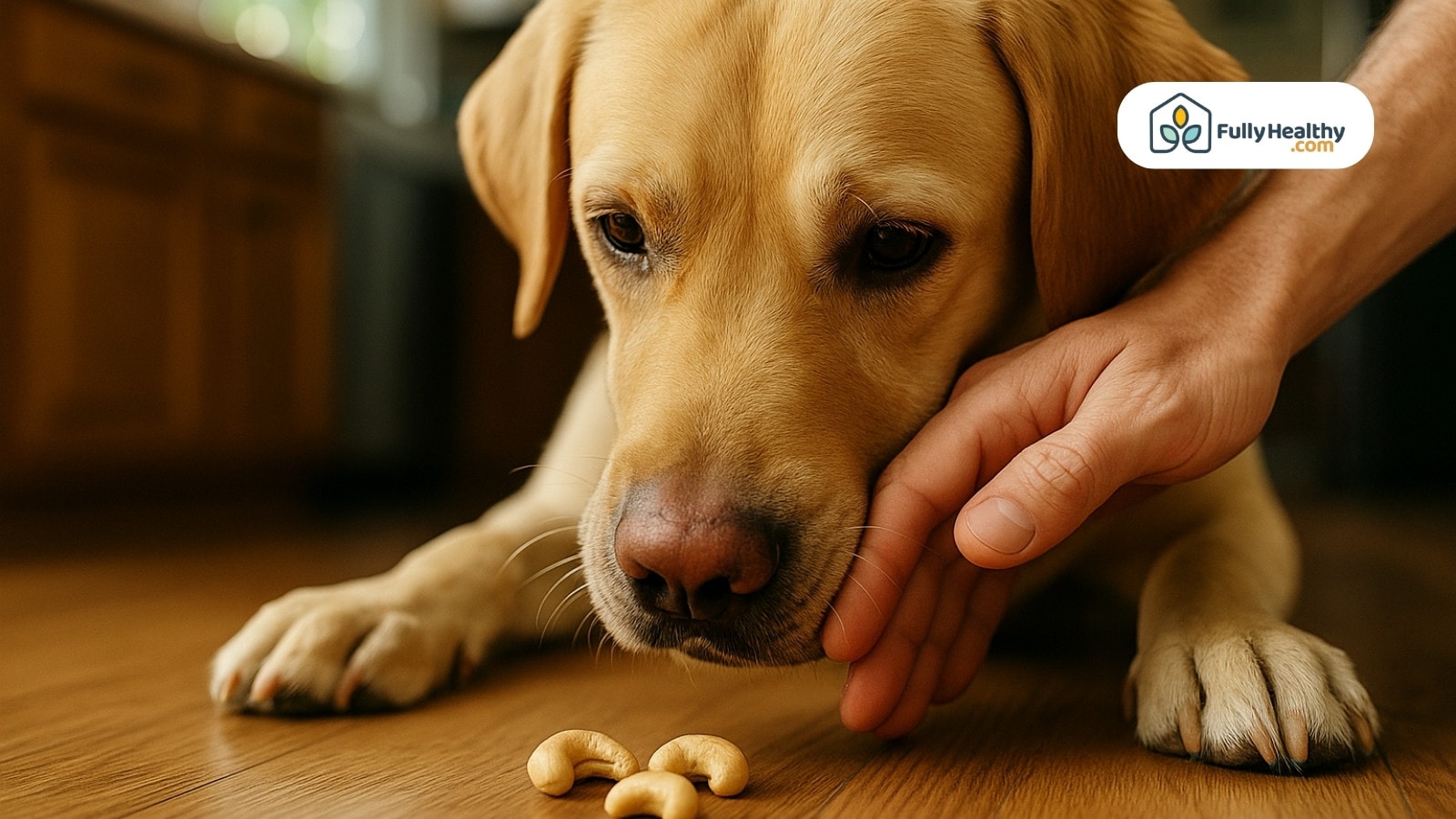
Dogs shouldn't eat all nuts. Cashews are a good nut for dogs to eat, but some nuts are very dangerous and should never be given to dogs. People who have dogs need to know which nuts are safe and which ones can really make them sick.
Nuts That Are Known to Be Toxic or Dangerous
Some common nuts are poisonous or very dangerous, like the possibility of choking, mold growth, or intestinal blockages. Before giving your dog any human food that contains nuts, you should always check first.
-
Macadamia Nuts: These are highly toxic and can cause tremors, weakness, and vomiting.
-
Walnuts and Hickory Nuts: Often contaminated with mold that produces harmful mycotoxins.
-
Pecans and Almonds: Pecans may contain mold toxins harmful to dogs, while almonds are hard to digest and pose a choking hazard.
-
Other Nuts: Most are high in fat and hard to digest, even if they aren't toxic.
Understanding Mold Toxins and Fat-Related Illnesses
There are hidden risks with some nuts that go beyond choking or poisoning. Dogs can get long-term health problems from mold and too much fat, especially if they are exposed to them over and over again.
-
Mycotoxins: Found in moldy nuts like walnuts and pecans, and can damage the nervous system.
-
Fat Overload: Leads to weight gain or inflammation in the pancreas (pancreatitis).
-
Excess Salt: Salted nuts can cause dehydration, tremors, or seizures in dogs.
-
Safer Option: Feed cashews only if they’re unsalted, unseasoned, and given in small amounts.
What If My Dog Accidentally Ate a Cashew?
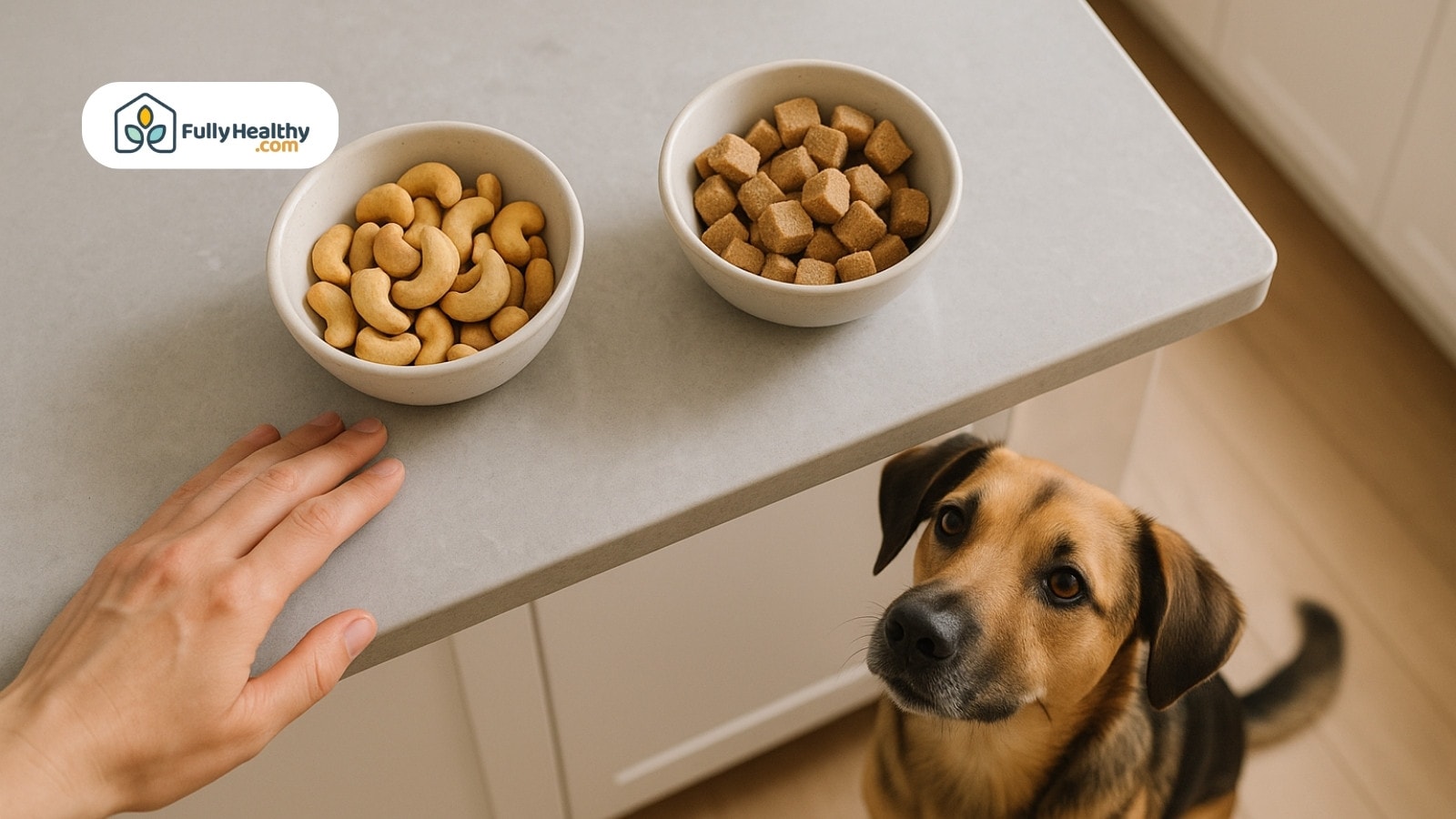
Don't worry if your dog eats cashews off the ground or from your snack bowl. Two or three plain cashews won't hurt most healthy dogs. Yet, it is helpful to know what to look out for, especially if your dog has a weak stomach or eats too many.
Immediate Actions to Take After Accidental Ingestion
First, find out what kind of cashews your dog ate. It makes a big difference how many cashews were used and how they were cooked.
-
Check Ingredients: Make sure there’s no added salt, garlic, onions, or sugar.
-
Estimate How Many: A few plain cashews likely won’t hurt, but large amounts might.
-
Watch for Symptoms: Mild cases may include gas or soft stool.
-
Call a Vet If Unsure: If your dog ate salted cashews or a large quantity, contact your vet.
Symptoms That Require Veterinary Attention
There are dogs that can't handle fatty or rich foods very well. In a few hours, there might be signs of a bigger problem.
-
Allergic Reaction: Look for swelling, red skin, or nonstop scratching.
-
Stomach Upset: Diarrhea, vomiting, or bloating may indicate intolerance.
-
Pancreatitis Warning: If your dog becomes weak, has belly pain, or acts strangely, go to the vet.
-
When to Act Fast: Seizures, tremors, or collapse need emergency care right away.
Can Dogs Have Peanuts or Cashews?
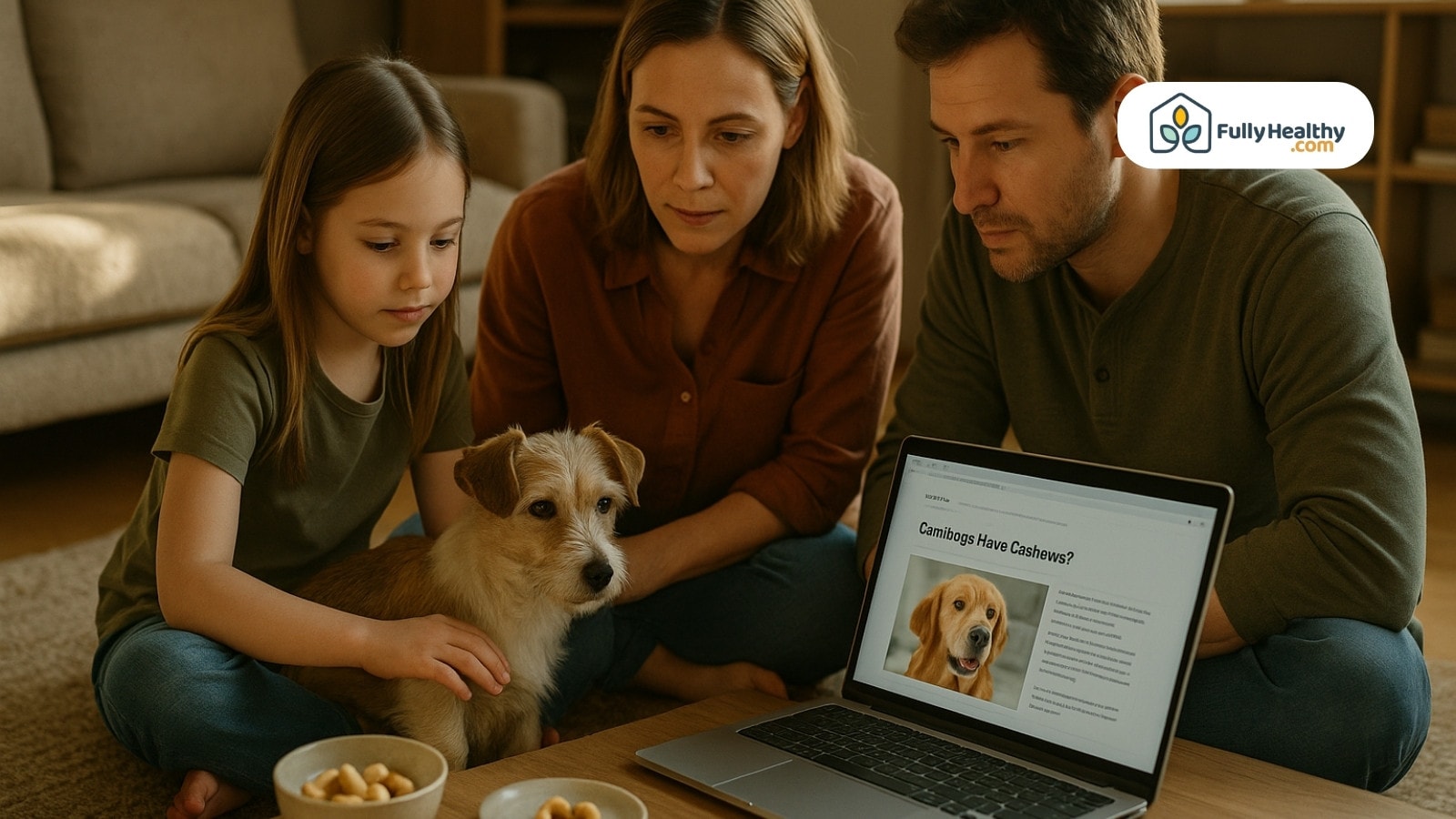
They can eat peanuts and cashews, but only in small amounts and without anything else. These nuts aren't poisonous, but they are high fat content, which can make your pet sick. Knowing the pros and cons of each helps pet parents make safer choices for their canine companions.
Comparing the Health Pros and Cons of Both Nuts
Cashews and peanuts are healthy for dogs, but some dogs don't do well with them. Keep an eye on your dog after giving these new foods a try.
-
Fat Content: Both peanuts and cashews are high in fat, but peanuts generally contain slightly more; moderation is key for both.
-
Nutritional Value: Cashews provide minerals like magnesium and copper; peanuts are high in protein and B vitamins.
-
Portion Guidelines: Only give small quantities; too many cashews can cause bloating or abdominal pain.
-
Digestibility: Peanuts are often easier to digest than cashews, especially for sensitive dogs.
Safe Ways to Serve Peanuts and Cashews to Dogs
Give these nuts once in a while as long as they are plain and don't have any other ingredients that could be harmful. Stay away from flavored or salty ones.
-
Use Unsalted Nuts: Always choose plain, unseasoned nuts without added sugar or salt.
-
Crush or Chop First: Whole nuts can be a choking hazard, especially for small dogs.
-
Monitor for Reactions: Watch for signs like vomiting, gas, or difficulty walking.
-
Avoid Toxic Nuts: Macadamia nuts are toxic and can cause muscle tremors or serious illness.
What FullyHealthy Offers for Nut Lovers
People on special diets can get clean, simple foods at FullyHealthy. Their products aren't made for dogs, but some of them can be used safely in homemade dog treats as long as you are careful and get your vet's OK first.
Organic Cashew Butter for Specialty Diets
Artisana's cashew butter is made with plain organic cashews; no sugar or salt is added. Lightly processed, with a food processor and coconut oil sometimes added for texture.
-
Choose Dog Safe Cashew Butter: Only use unsweetened, unsalted versions in very small portions.
-
High in Fat: Like all nut butters, cashew butter should be used rarely to avoid health issues.
-
People Product: It’s made for humans, so check with your vet before letting dogs eat cashew butter.
-
Possible Risks: Too much can lead to bladder stones or stomach upset.
Cashew-Based Products to Avoid Feeding Dogs
Some foods that contain nuts are not good for dogs. Some foods made for people have extra ingredients that are bad for pets.
-
Skip Flavored Cashew Butters: These may have sugar, salt, or oils not safe for pets.
-
Limit Cashew Milk: It may seem harmless but can upset your pet’s stomach if given too often.
-
Follow Basic Guidelines: Introduce new foods slowly like Raw pecan butter with cashews and always monitor your dog after feeding.
Final Thoughts
Dogs can eat cashews as a treat, but only if they are given in small amounts and no oil or salt is added. If you want to avoid doing more harm than good by giving your dog foods like cashews that people eat, you should always follow these general rules. A cup of cashews is way too much. Even a pack of mixed nuts can be dangerous. When in doubt, talk to your vet to get the right care and advice for your pet. Dog treats that aren't just any old snacks are always safer than ones that are made just for dogs.
FAQs
Can dogs eat one cup of cashews for dogs without any problem?
No, one cup is too much; feeding your dog that amount may cause more harm like stomach upset or pancreatitis.
Are people foods like cashews better than other food for dogs?
No, people foods are not better; other food made for dogs is safer and easier to digest.
Is feeding your dog cashews from a variety pack okay if they look plain?
Avoid it; variety pack nuts often have salt or coatings that aren’t safe for dogs.
Can cashews help control inflammation in dogs?
Cashews for dogs have healthy fats that may support joints, but follow general guidelines and ask your vet.
What are other signs my dog needs veterinary care after eating cashews?
Look for vomiting, diarrhea, or other signs like low energy—seek veterinary care if symptoms worsen.
Leave a comment