

Can Dogs Have Cumin? Feeding Cumin Done Right

Can dogs have cumin? Cumin is generally considered non-toxic to dogs in small culinary amounts, though dogs may experience gastrointestinal sensitivity. When given in small culinary amounts, cumin is unlikely to provide significant measurable health benefits in dogs, as research on therapeutic effects in canines is limited.
The key is to eat in moderation and the right amount of food for your weight. This article tells you the safest amounts, the risks, the dog-friendly spices, and the spices you should never use at all.
🍲 Elevate Your Cooking — Warm, Earthy Cumin Made Organic!
Can Dogs Have Cumin?

A lot of dog owners want to know if cumin is safe for their dogs to eat. Simply put, yes, but only in small amounts. When used as a light flavoring in homemade dog food or treats, cumin is safe for dogs to eat. However, too much cumin can make your stomach upset.
Before you give your dog cumin, you should always think about its size, health, and the balance of its regular food.
Is Cumin Safe For Dogs In Small Amounts
It comes from the parsley family. Others cook chicken, vegetables, fruits, meat, and other foods in it. While dogs eat cumin without getting sick, it should never be used instead of balanced kibble. It mainly adds taste, not major potential health benefits.
-
Safe In Small Amounts: A small pinch mixed into homemade treats is usually safe for healthy dogs.
-
Limited Nutritional Value: Although cumin contains trace minerals such as iron and magnesium, the small quantities typically fed to dogs are unlikely to meaningfully affect nutrient intake or immune function.
-
Avoid Essential Oils: Concentrated essential oils from spices are too strong and may harm your furry friend.
-
Watch For Stomach Upset: Stop feeding cumin if your dog shows gas, vomiting, or other digestive issues.
Potential Benefits And Digestive Risks Of Cumin
Cumin has minerals and vitamins in it, like iron and magnesium. These nutrients support digestion and digestive health in humans. That being said, dogs only need a very small amount. A lot of it can hurt you instead of helping.
-
Mild Digestive Support: Cumin has traditionally been used to support digestion in humans, but there is limited veterinary research confirming digestive benefits in dogs.
-
Risk Of Too Much Cumin: Overfeeding can lead to diarrhea, stomach pain, or digestive upset.
-
Sensitive Stomachs Need Care: Dogs with sensitive stomachs may react faster to spices.
-
Talk To A Veterinarian: A veterinarian or vet can confirm if cumin fits your dog’s diet.
How Much Cumin Can You Give A Dog?
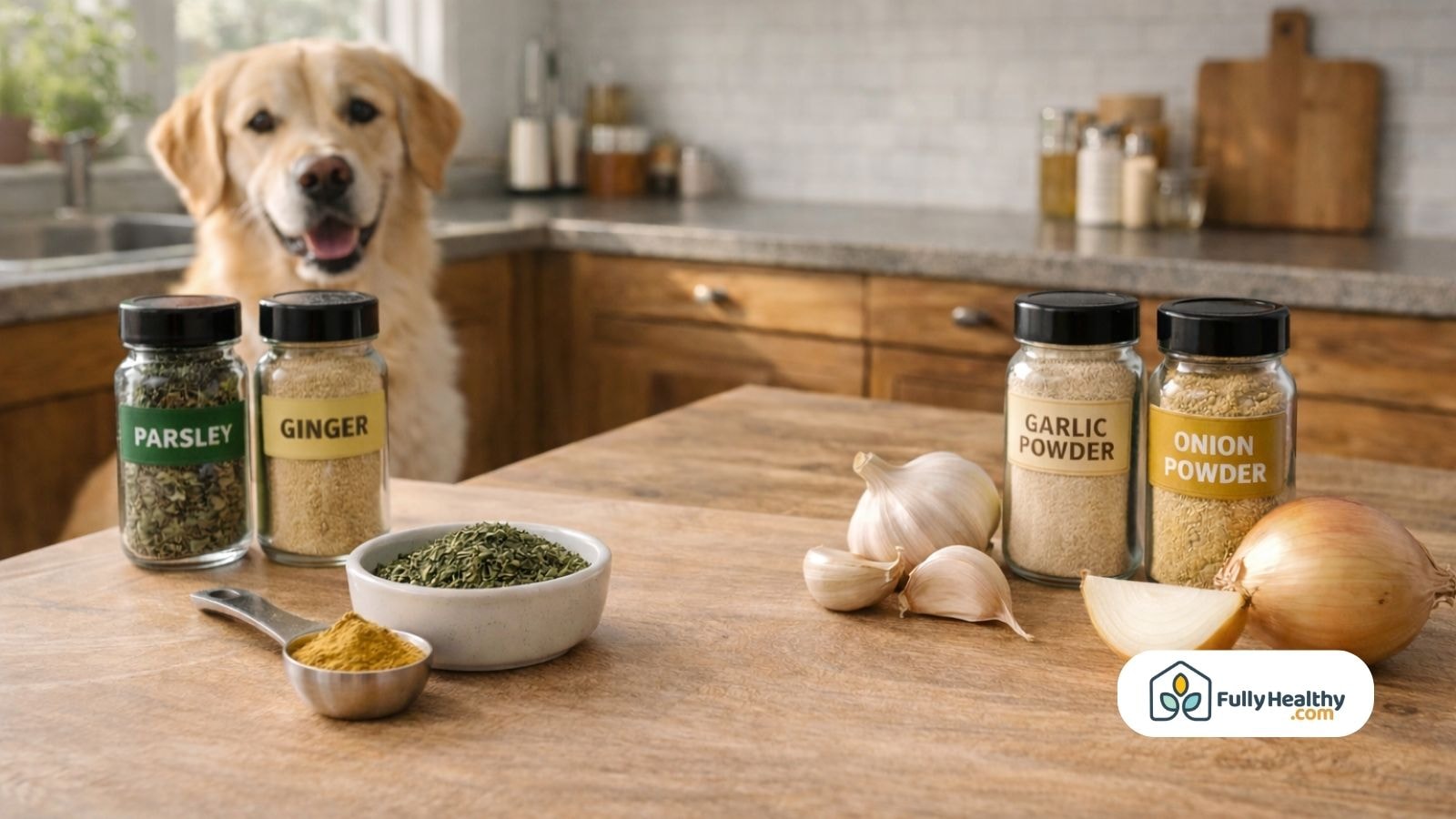
People who own pets often want to know how much cumin is safe. The answer is based on how much your dog weighs and how big it is. Big dogs can handle a little more than little dogs, but it's always best to be careful. Start slowly to keep your stomach protected.
Safe Serving Sizes By Dog Weight
Don't start with more than you think you need. Pay attention to what and how your dog eats.
-
Small Dogs: There are no established veterinary dosage guidelines for cumin in dogs. If used, it should be limited to very small culinary amounts and introduced gradually under veterinary guidance.
-
Large Dogs: No more than 1 teaspoon occasionally.
-
First-Time Feeding: Start with a small pinch before giving the full amount.
-
Occasional Use Only: Do not add cumin to every meal.
Why More Is Not Better With Spices
Spices should not be a big part of your dog's food. Unlike garlic and onion, which are toxic to dogs, cumin is not considered toxic but should still be used sparingly to avoid gastrointestinal irritation. Large amounts raise the risk of adverse reactions.
-
Digestive Upset Risk: Too much spice can irritate the stomach lining.
-
Avoid Extra Seasoning: Do not mix cumin with pepper or high salt foods.
-
No Double Portions: If your dog eats more than planned, skip it next time.
-
Check Health Conditions: Dogs with health conditions should always see a vet first.
What Spices Are Ok For Dogs?

Sure, some herbs are safer than others, and they can add a nice flavor to homemade dog food. These things should still only be used in very small amounts.
Safe Herbs And Spices You Can Use
Most people think these choices are safer when used carefully.
-
Parsley: May freshen breath and support digestion.
-
Ginger: Can help with gas and mild nausea.
-
Turmeric: Contains essential compounds that may support joints.
-
Dill And Rosemary: Safe in small amounts for healthy dogs.
How To Introduce New Spices Safely
One new spice at a time is all you should use. You can see how your dog eats and acts this way.
-
Mix With Regular Food: Blend into kibble, chicken, meat, or carrots for better taste.
-
Avoid Essential Oils: Oils are too strong compared to dried seeds or herbs.
-
Read Other Ingredients: Some spice blends contain garlic, onion, or too much salt.
-
Stop If Problems Start: Vomiting, gas, or stomach upset means remove it right away.
What Spices Do Dogs Avoid?

Dogs should not eat all other spices. Some can make digestion worse, change the way red blood cells work, or make the stomach hurt. A little cumin might be okay, but a lot of common kitchen spices should never be put in dog food.
It's better to stick to simple, plain foods and not guess. Before giving your pet seasoned food, you should always read the labels carefully.
Toxic Or High-Risk Spices
Some spices are bad for dogs, even in small amounts. You should never mix these into treats or meals you make yourself.
-
Onion And Garlic: Can damage red blood cells and may lead to anemia over time.
-
Nutmeg: May affect the nervous system and cause tremors, confusion, or seizures.
-
Allspice: Allspice is not considered highly toxic but may cause gastrointestinal upset if consumed in moderate to large amounts.
-
Hops: Hops can trigger malignant hyperthermia in dogs, a life-threatening condition characterized by rapid increases in body temperature.
-
Excess Salt: May cause dehydration, weakness, or electrolyte imbalance.
These ingredients should not be used at all. They can still hurt you even if you mix them into meat or vegetables.
Spices That Are Not Toxic But Still Problematic
Even though some spices aren't actually poisonous, they can still make your dog sick. They might itch or hurt dogs, especially ones that are sensitive.
-
Black Pepper: Can irritate the stomach and may cause coughing or sneezing.
-
Cayenne Pepper: May burn the mouth, throat, and digestive tract.
-
Paprika: Can lead to mild digestive upset in some dogs.
-
Strong Spice Blends: Often contain hidden ingredients that are unsafe.
Do not complicate your cooking. Do not use a lot of seasoning, and be sure to keep a close eye on your dog after adding a new ingredient.
How Can Fully Healthy Help You Choose Clean Spices For Dogs?
Fully Healthy is an online store that specializes in clean-label, allergen-friendly, and AIP-friendly foods. Even though it's made for human diets, it can still help pet owners who make simple meals at home and want more control over what goes into the food.
When adding small amounts of cumin to your dog's food, it's important to use pure spices that only have one ingredient.
Clean-Label Seasonings And Ingredient Transparency
Clear labels are one of the best things about Fully Healthy. This helps you stay away from any hidden ingredients that could make your dog sick.
-
Simple Ingredients: Many products contain single spices without fillers or anti-caking agents.
-
No Hidden Blends: Reduces the risk of garlic, onion, or excess salt being mixed in.
-
Allergen-Friendly Options: Helpful for owners managing sensitive dogs.
-
Careful Sourcing: Brands often focus on quality and transparency.
Pantry Staples That Support Simple Homemade Recipes
You can keep an eye on what your dog eats by keeping clean pantry staples on hand and making treats or meals with little to no seasoning.
-
Single-Ingredient Spices: Easier to measure safe portions of cumin.
-
Natural Sweeteners: Useful in small amounts for special dog treats.
-
Specialty Diet Filters: Makes it easier to find additive-free products.
-
Human-Focused Platform: Always confirm safety with a veterinarian before sharing any product with your dog.
Even though Fully Healthy isn't a site about pet nutrition, it can help you cook meals for your dog with cleaner ingredients.
Final Thoughts
Can dogs have cumin? Yes, but only in small amounts that are right for your dog's size and health. Always use simple ingredients, stay away from dangerous spices, and talk to your vet before making any changes to your dog's diet.
Don't pay attention to website terms that have nothing to do with pet nutrition, like "performing security verification," "security verification," "security service," or "verification successful." Balanced food, safe seasoning, and watching how much you eat are what really matter.
FAQs
What Is A Silent Killer For Dogs?
Hemangiosarcoma is sometimes called a ‘silent killer’ due to its subtle early symptoms, but this condition is unrelated to dietary spices.
What Are Toxic Spices For Dogs?
Onion, garlic, and nutmeg are toxic to dogs. Excessive salt intake can also be harmful and may lead to sodium ion poisoning.
Is Turmeric Good For Dogs?
Turmeric contains curcumin, which has demonstrated anti-inflammatory properties in laboratory studies, but clinical evidence in dogs remains limited.
Is Cumin Powder OK For Dogs?
Yes, according to MasterClass, small amounts of cumin powder are usually safe, but too much can cause stomach upset, so portion control matters and your Veterinarian should confirm what is right for your dog.
Can Dogs Have Turmeric And Ginger?
Turmeric and ginger are generally considered safe in small amounts for dogs, but evidence supporting consistent digestive or joint benefits in canines is limited.
Leave a comment