

Can Dogs Have Oregano in Their Food? The Do’s and Don’ts
 Photo Credit: Canva Pro
Dogs can eat oregano, but only in relatively small amounts that are safe. Additionally, oregano contains antioxidants and might help with pain, digestion, and even minor infections. In contrast, giving too much or using strong oregano oil can be bad.
Learn about how oregano impacts dogs, the right amount, and when to stay away from it in this article. Were you wondering if dogs can eat oregano? There you are, in the right place.
Featured Pantry Pick
Simply Organic // Oregano Leaf - .75 oz
Loading...
Can Dogs Have Oregano?
 Photo Credit: Canva Pro
Fresh or dried oregano may be safe for most dogs in very small amounts, but safety depends on the individual dog’s health and oregano form. Essential oils are not considered safe without veterinary supervision. When used the right way, this herb from the mint family can do a lot of health benefits. Oregano for dogs can help with digestion and the immune system because of its medicinal properties and full of nutrients. But too much can make your stomach hurt, so watch out.
Is Oregano Safe for Dogs?
Oregano is one of the herbs safe for dogs, but not all forms are the same. Fresh and dried oregano can be healthy additions to a dog’s food, while concentrated essential oils can be dangerous. Knowing the difference helps protect your dog’s health.
-
Use the right form: Fresh oregano or dried oregano is safe; never use oregano essential oils, which are too strong for a dog’s body.
-
Check your dog’s reaction: Watch for signs of gastrointestinal upset like vomiting or diarrhea when adding new food.
-
Be extra cautious with small dogs: Breeds like a shih tzu should get only tiny amounts due to their low body weight.
-
Avoid for pregnant or nursing dogs: Oregano may trigger issues in sensitive stages of life.
What Are the Nutritional Benefits of Oregano?
This herb comes from the Mediterranean region and is full of good things for your dog's health. Compounds that fight inflammation and free radicals may help with infections, joint pain, and other things.
-
Rich in antioxidants: Oregano supports a dog’s immune system and helps fight harmful free radicals.
-
Promotes healthy digestion: It can calm the gastrointestinal tract and support regular bowel movements.
-
Natural source of vitamin C: This boosts immune health and helps keep your dog active and well.
-
Offers anti inflammatory properties: Useful for dogs with joint stiffness or mild swelling.
How Much Oregano Can I Give My Dog?
 Photo Credit: Canva Pro
When giving your dog any herb, it's important to do it in small amounts. Oregano is very strong, so even a little can help. Always change the amount based on your dog's size and watch to see how they react to the new food.
Recommended Dosage Based on Dog Size
How much you give your dog depends on how much they weigh and whether you use fresh or dried oregano. Mix it with your dog's meal all the time to help it digest better.
-
Small dogs (under 20 lbs): 1/8 teaspoon dried oregano or one small fresh leaf.
-
Medium dogs (20–50 lbs): 1/4 teaspoon dried oregano or 2–3 small leaves.
-
Large dogs (over 50 lbs): Up to 1/2 teaspoon dried oregano.
-
Mix with soft food: Blend into wet food or homemade meals for easier digestion and better taste.
How to Safely Introduce Oregano into Your Dog’s Diet
Don't rush at first so as not to upset your dog's stomach. You should watch how your dog reacts to a new food before giving it to them regularly, just like you would with any other food.
-
Introduce gradually: Start with a very small amount and increase slowly only if no reaction occurs.
-
Watch for digestive upset: Look for signs like loose stools, vomiting, or discomfort after a dog eats oregano.
-
Never use oregano oil: Essential oils are too concentrated and may harm the gastrointestinal tract.
-
Try combining with coconut oil: A pinch of oregano mixed into coconut oil can be soothing and easier for dogs to digest.
Is Oregano a Dewormer for Dogs?
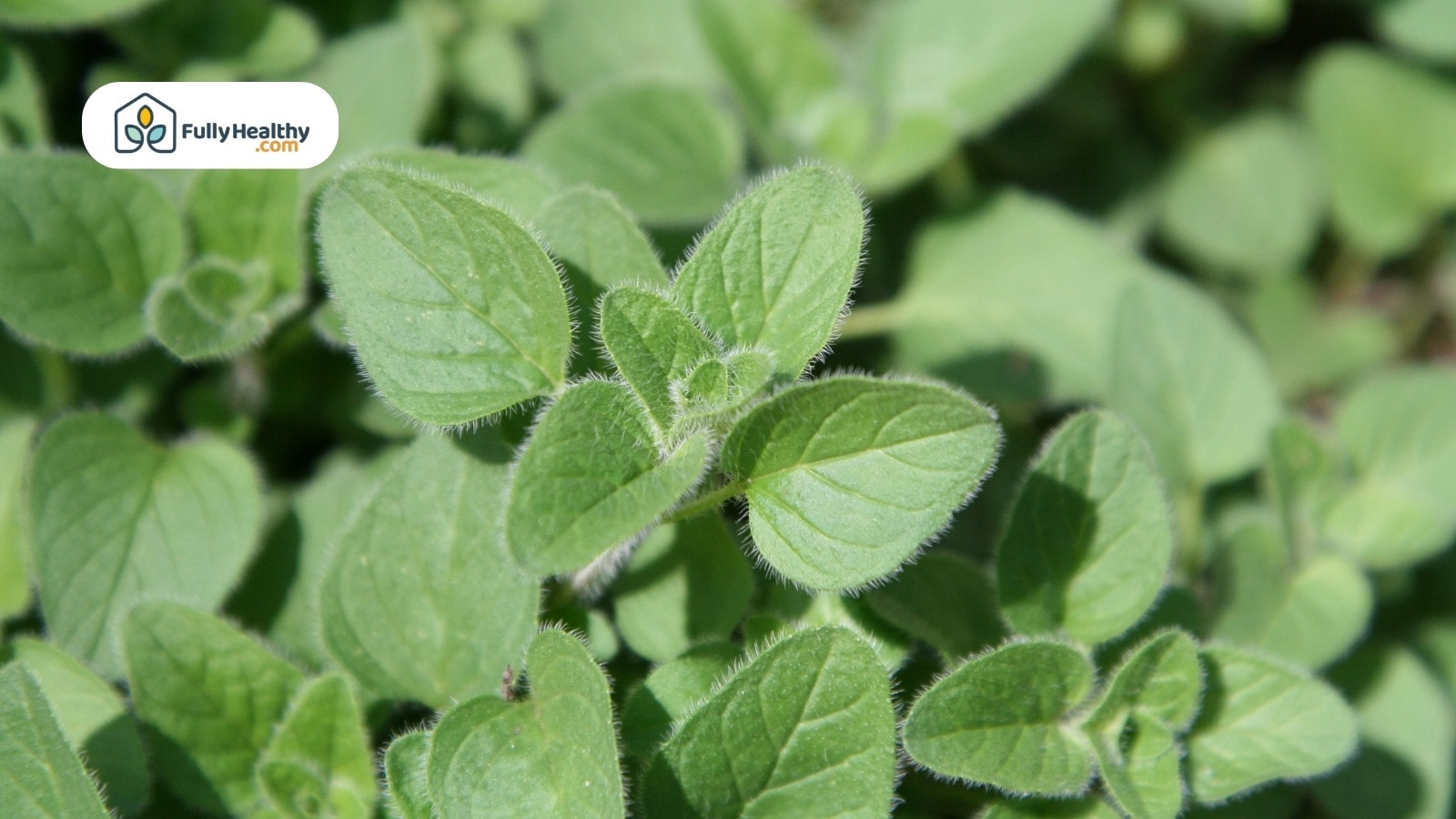 Photo Credit: Canva Pro
Some studies show that oregano may naturally help dogs get rid of parasites. Oregano can help your dog's health as a gentle addition to their food, but it shouldn't be used instead of treatments your vet prescribes.
Can Oregano Help Eliminate Parasites Naturally?
There are chemicals in oregano, such as carvacrol and thymol, that kill bacteria and parasites. These might help clean out the digestive system and get rid of some parasites.
-
Helps with mild parasite control: May assist with giardia or ringworm, especially in early stages.
-
Cleans the gut gently: Supports healthy digestion and reduces bad bacteria in the gastrointestinal tract.
-
Needs to be mixed with food: Never give oregano alone; always add it to your dog’s food for better safety.
-
Use alongside veterinary advice: Always check with your vet before using oregano as a natural dewormer.
Which Conditions May Benefit from Oregano Use?
Oregano may help dogs with other minor health problems as well as parasites because it reduces inflammation. Its compounds work to improve health in general.
-
Supports digestive health: Helps reduce gas, bloating, and discomfort during meals.
-
Boosts the immune system: Antioxidants help keep your dog healthy over time.
-
May reduce yeast infections: Could support relief from mild fungal skin or ear issues.
-
Aids long-term gut balance: Regular use in small amounts may help improve your dog’s digestion over time.
Is Oregano a Good Antibiotic for Dogs?
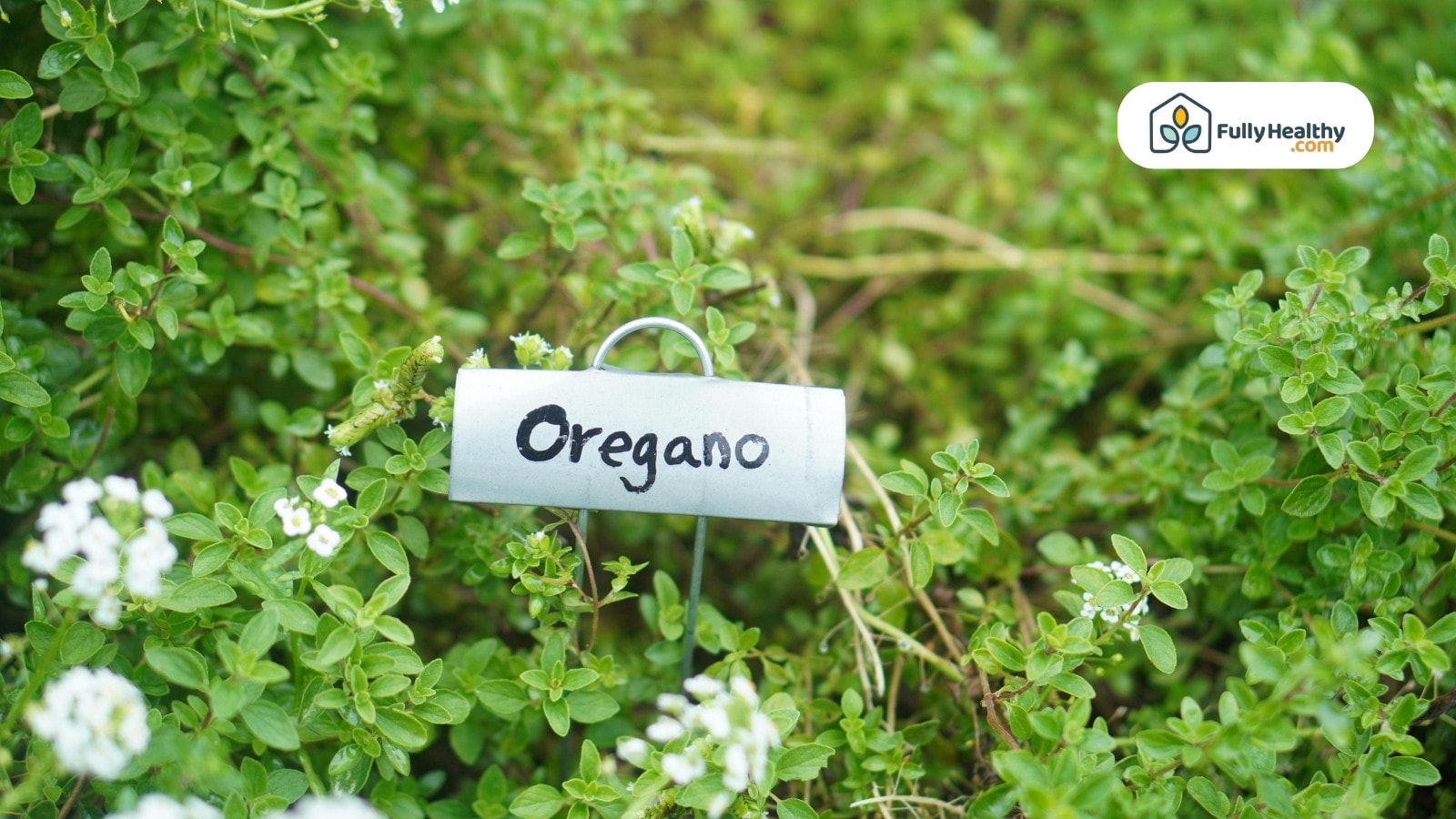 Photo Credit: Canva Pro
Oregano is a popular herb known for its natural antibacterial properties. It can help dogs with minor health problems, especially skin and digestive issues, if it is used the right way. But it's not meant to replace treatments that your doctor has prescribed.
What Makes Oregano a Natural Antibiotic?
Carvacrol and thymol, two strong oils found in oregano leaves, can help fight bacteria that are bad for you. These chemicals may help your pet's immune system and lower inflammation in the body.
-
Supports gut and skin health: Helps protect against bad bacteria in the stomach and on the skin.
-
May improve heart health: Natural antioxidants can support the heart and blood circulation.
-
Reduces mild inflammation: Useful for dogs dealing with small wounds or joint issues.
-
Use with caution: Some dogs may be sensitive and experience digestive issues like loose stool.
Oregano vs. Traditional Antibiotics: What’s the Difference?
It's better for your dog's health to use oregano instead of chemicals, especially if you want to use less of them. Still, you should use oregano along with your vet's care, not instead of it.
-
Gentle on the stomach: Unlike some medications, oregano is less likely to harm good gut bacteria.
-
Does not need a prescription: But you should still get a vet’s advice, especially if your dog is taking certain medications.
-
Can support healing: Works well for small infections or minor cuts when used properly.
-
Avoid essential oils: Oregano oil can be highly toxic to dogs and should only be used under veterinary supervision in clinically approved formulations.
What FullyHealthy Offers for Dog-Friendly Oregano Products
FullyHealthy sells natural herbs and spices that are clean and safe for dogs. Their carefully chosen products don't have any artificial ingredients and are good for your pet's health in general. These are great ways to give your dog's food a healthy boost.
Shop Organic Oregano Products for Dogs
Pet owners can pick from a number of oregano products that work well with dog fresh meals. They're easy to make, safe, and made from real food.
-
Simply Organic Oregano Leaf: A dried herb that’s easy to add to your dog’s food in small amounts.
-
Wild Zora Quinoa Meal: Made with oregano and other herbs; a healthy option for dogs who enjoy warm meals.
-
Simply Organic Italian Seasoning: Blends oregano with other herbs and spices safe for pets.
Why FullyHealthy Is a Trustworthy Source
FullyHealthy makes natural products that are safe for people with allergies and don't have any ingredients that are bad for dogs. People who have pets and want healthy herbs and spices without fillers that are bad for them can find what they need here.
-
Pet-safe ingredients only: No artificial chemicals or items toxic to dogs.
-
Good for dogs with food sensitivities: Ideal for pets that react to common food additives.
-
Sourced from trusted farms: Mostly from the northern hemisphere, known for high herb quality.
-
Supports digestion and eye health: Through natural ingredients like oregano and other beneficial herbs.
Final Thoughts
When used in small, safe amounts, oregano can be good for your dog. It has a lot of antioxidants and might help with some health problems, like digestive problems and mild inflammation. But if you give your pet a lot of it or use the wrong form, like essential oils, it can become one of the stomach-irritants that hurt them.
If you want to be safe, always cook with fresh or dried oregano, and before you make big changes to your dog's diet, talk to your vet. It's worth a small fee for a consultation to avoid big problems.
FAQs
Can dogs eat oregano with rosemary in cooking?
Yes, dogs can eat oregano and rosemary in cooking, as long as it’s in small amounts and both herbs are safe side.
Is oregano a problem for dogs with other digestive issues?
Oregano can help, but it may also act as gastrointestinal irritants for dogs with other digestive issues, so check with a veterinarian.
What if my dog eats large amounts of oregano?
Large amounts of oregano may lead to vomiting or health conditions and should be avoided.
Do I need to pay a consultation fee to ask a vet about oregano?
Yes, a consultation fee may apply when asking your veterinarian if oregano is safe for your dog.
Is oregano better than rosemary for dogs with health conditions?
Both oregano and rosemary can be safe side, but it depends on your dog’s health conditions, talk to your vet.
Leave a comment