

Can Garlic Go Bad? Signs, Storage Tips, and Shelf Life Explained
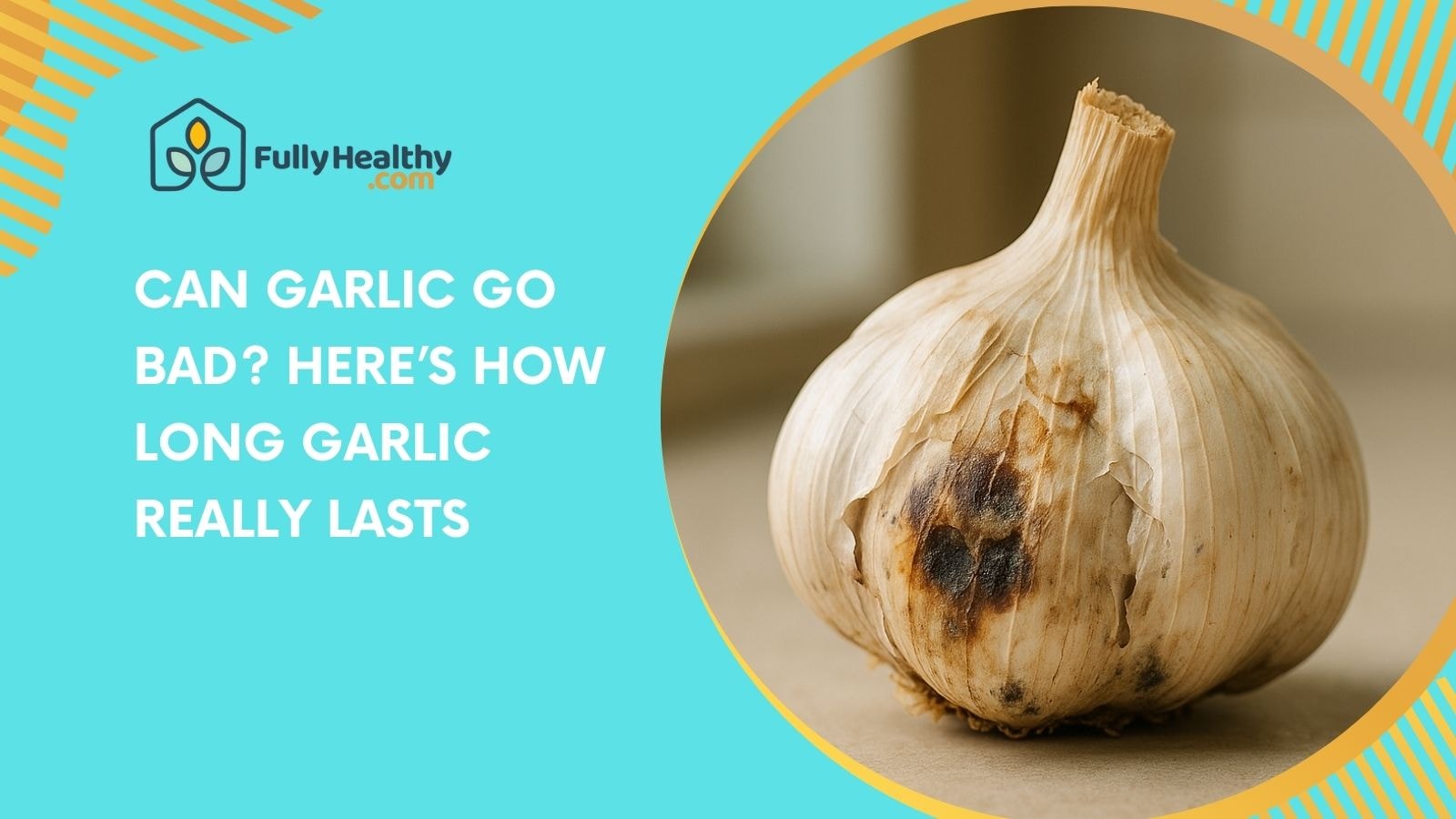
Can garlic go bad? It can, yes. It's possible to store garlic for a long time, but if you don't, it will go bad. If garlic is bad, it smells sour, feels soft, or sprouts greens. Garlic that has been peeled, chopped, or put in oil goes bad faster. This article tells you how to store garlic and how to tell when it's time to throw it away.
Featured Pantry Pick
Simply Organic // Garlic Powder - 3.64 oz
Loading...
Can Garlic Go Bad?
Shelf Life of Garlic
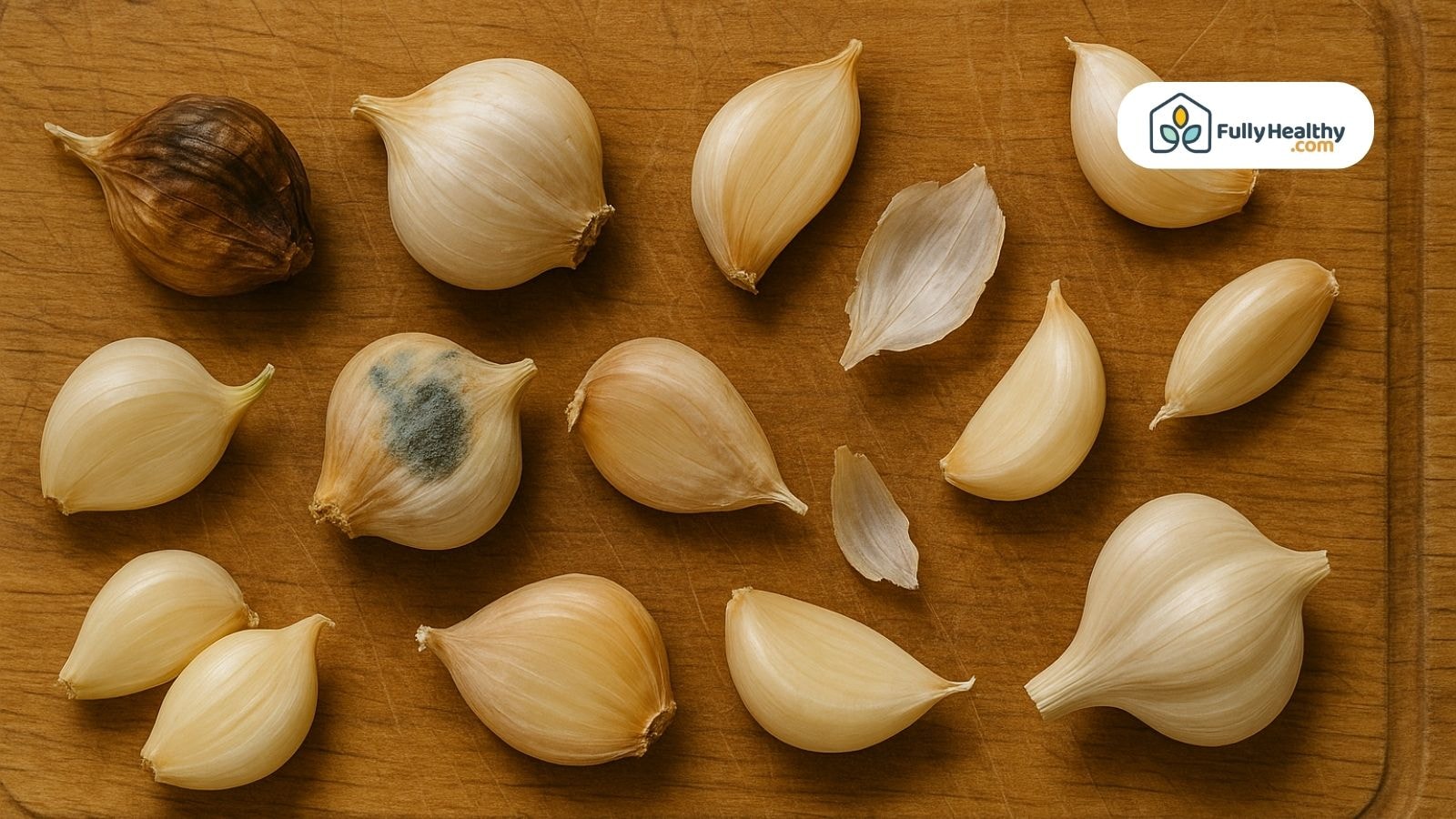
Even though garlic is known for lasting a long time, all vegetables go bad at some point. When you store garlic, whole head, peeled cloves, or minced garlic, the shelf life changes. Knowing the timeline helps keep the flavor and cut down on waste.
-
Whole garlic bulbs: Last up to six months in a mesh bag or open basket if kept in a cool dry place, away from direct sunlight.
-
Unpeeled cloves: Remain usable for two to three weeks when stored with the papery skin intact outside the refrigerator.
-
Peeled garlic cloves: Should be placed in an airtight container in the fridge and used within one week to avoid spoilage.
-
Minced garlic or chopped garlic: Should be used within 4–7 days and always discarded after 7 days even if refrigerated
-
Whole peeled garlic cloves in the freezer: Can be stored for up to a year, though the flavor may fade after six months.
-
Garlic powder: Remains shelf-stable for 2 to 4 years when sealed tightly in a cool, dark, and low-humidity environment.
Why Garlic Spoils Over Time
Garlic can spoil due to exposure to moisture, heat, or poor storage practices. Garlic's natural defenses are weakened when it is chopped or peeled, which lets bacteria and mold grow. After a clove is taken out, even whole heads of garlic start to go bad very quickly.
-
Heat and humidity: Promote sprouting, discoloration, and bacterial growth. Avoid storing garlic in plastic bags or sealed containers.
-
Lack of airflow: Encourages mold and soft texture. Always avoid plastic bags and use breathable containers like a mesh bag.
-
Breaking a head of garlic: Starts a countdown for the remaining unpeeled cloves, which will spoil faster once exposed.
-
Exposure to light: Speeds up degradation, making garlic taste bitter and causing green roots or sprouts to form.
How Do You Tell If Garlic Goes Bad?
Smell, Texture, and Color Cues
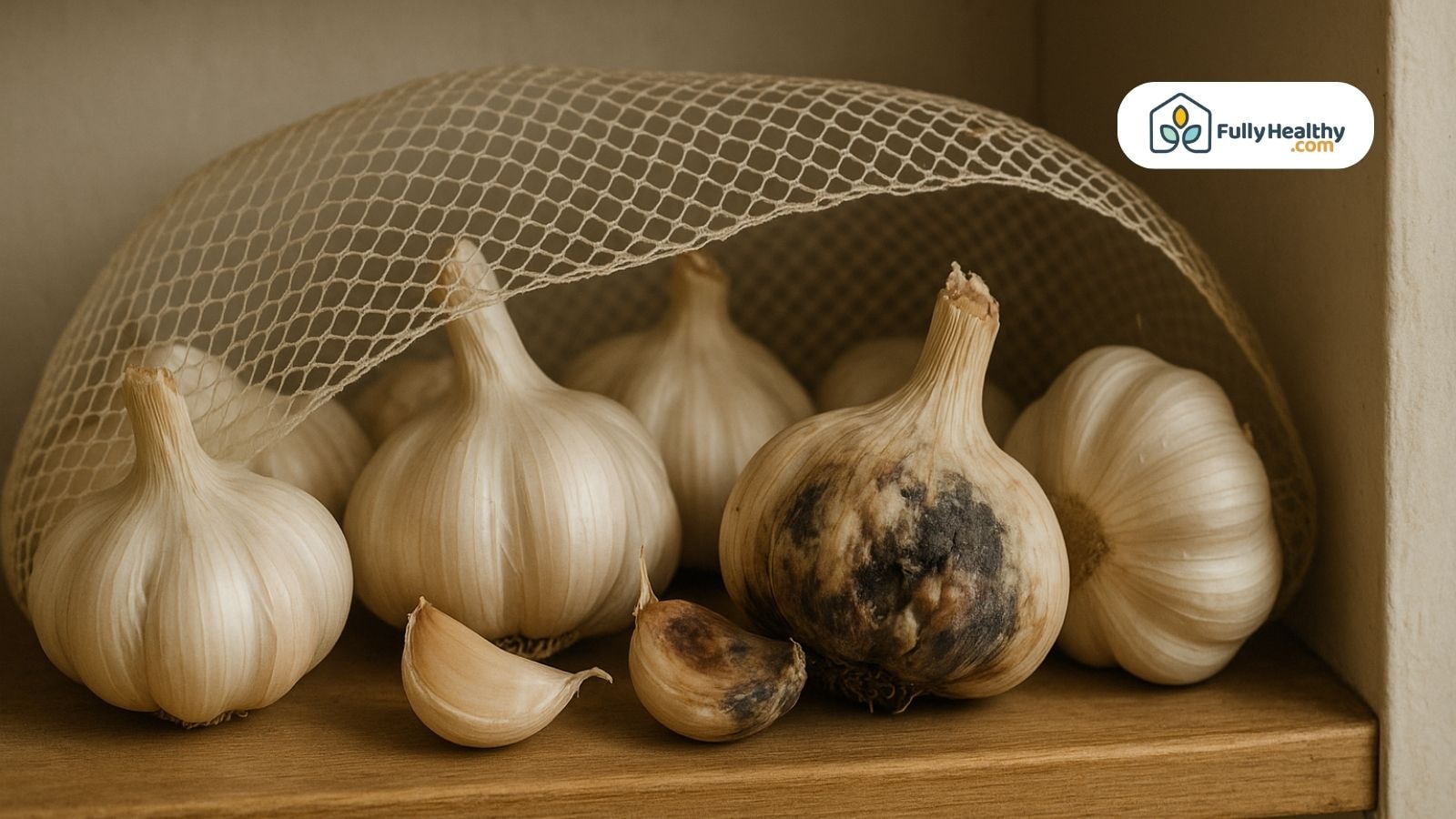
Most of the time, bad garlic makes itself known. Bad garlic smells, feels, and looks different, and all of these are signs that you shouldn't use it. It's probably gone bad if your garlic doesn't smell sharp and familiar or if it feels soft when you touch it.
-
Sour smell or no smell: Fresh garlic gives off a strong, pungent odor. If it smells sour or neutral, it’s likely spoiled garlic.
-
Soft or slimy texture: Garlic should have a firm texture. A soft, rubbery, or slimy texture means it’s no longer good to eat.
-
Discoloration: Look for brown spots, yellowed cloves, or dull, shriveled skin as visual cues that garlic is past its prime.
Common Spoilage Signs to Watch For
Garlic may look fine on the outside, but it may be bad on the inside. Even if a clove looks like it can be used, it may have started to sprout or taste bitter.
-
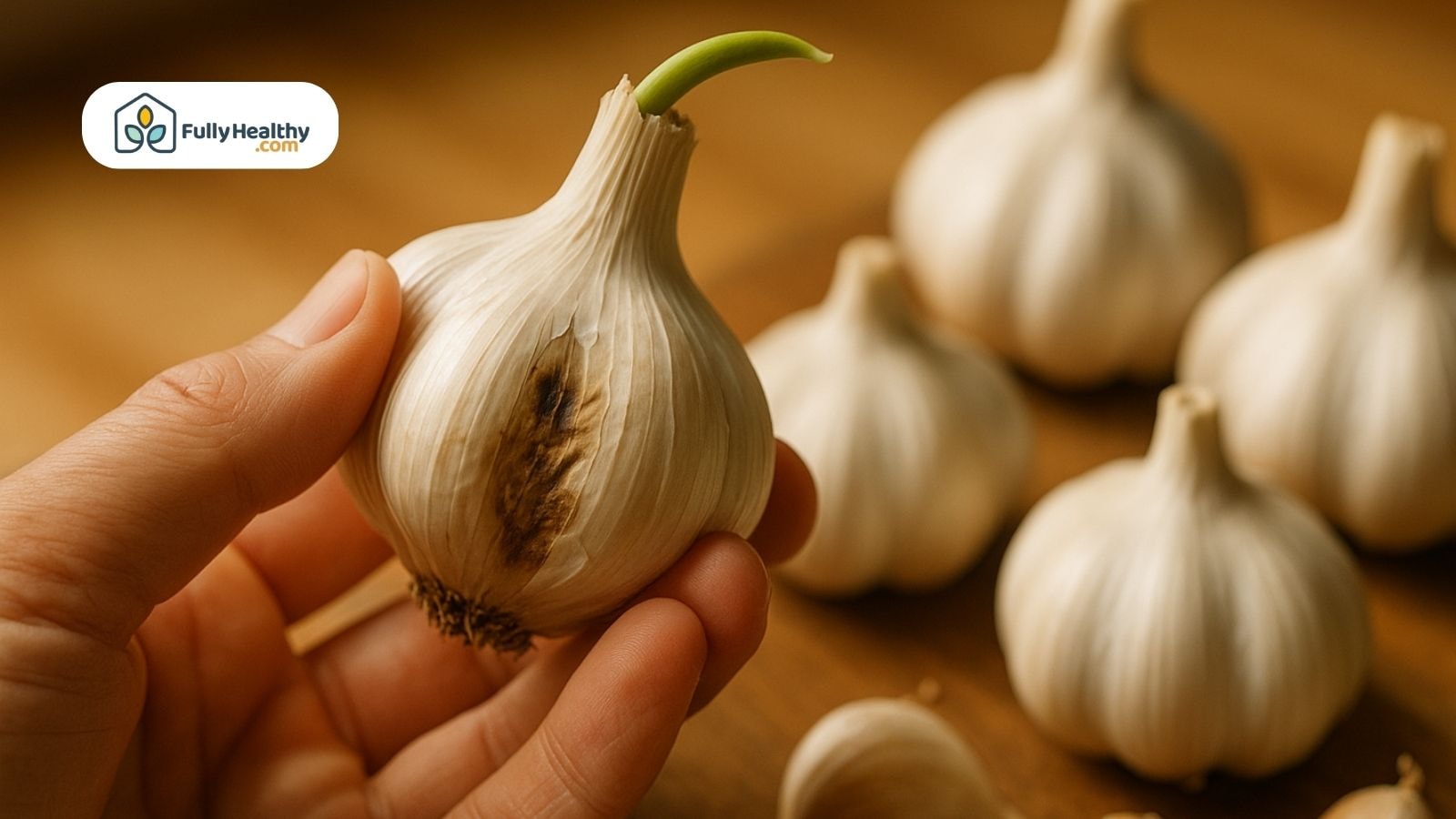
Sprouted garlic: Green shoots or green roots coming from the clove signal aging. While you can eat them, the taste may be bitter.
-
Mold or fuzz: White, black, or green mold on garlic bulbs or cloves is a clear sign to toss it immediately.
-
Shriveled texture: Garlic that is dried out or hollow inside has lost its moisture and shouldn’t be used in recipes, especially raw garlic dishes.
Can Spoiled Garlic Make You Sick?
Botulism and Garlic in Oil
One of the most dangerous risks of storing garlic incorrectly comes from garlic preserved in olive oil. Without refrigeration, this creates an ideal environment for clostridium botulinum bacteria, which causes a rare but serious form of food poisoning.
-
Unsafe storage: Never leave raw garlic or chopped garlic in olive oil at room temperature. This increases botulism risk.
-
Botulism danger: Clostridium botulinum thrives in oxygen-free, moist environments like sealed jars of garlic-in-oil.
-
Safe handling: Always use an airtight container and refrigerate garlic-in-oil mixtures at 40°F or lower. Use within seven days.
Allergies, Intolerance, and IBS Risk
Aside from spoilage, garlic can also cause unpleasant symptoms for some people. Garlic allergies are rare, but they do happen. Also, some people have intolerance or IBS symptoms when they eat compounds in garlic like fructans.
-
Garlic intolerance: Causes bloating, cramping, or nausea, especially after eating raw garlic or large amounts of peeled garlic.
-
Allergic reactions: Though uncommon, reactions may include rash, itchiness, or even breathing difficulties. Always check garlic before use.
-
IBS triggers: Individuals with IBS may need to limit fresh garlic, garlic cloves, and chopped garlic due to digestive sensitivity.
Can Garlic Go Bad in the Refrigerator?
How Cold Storage Affects Garlic
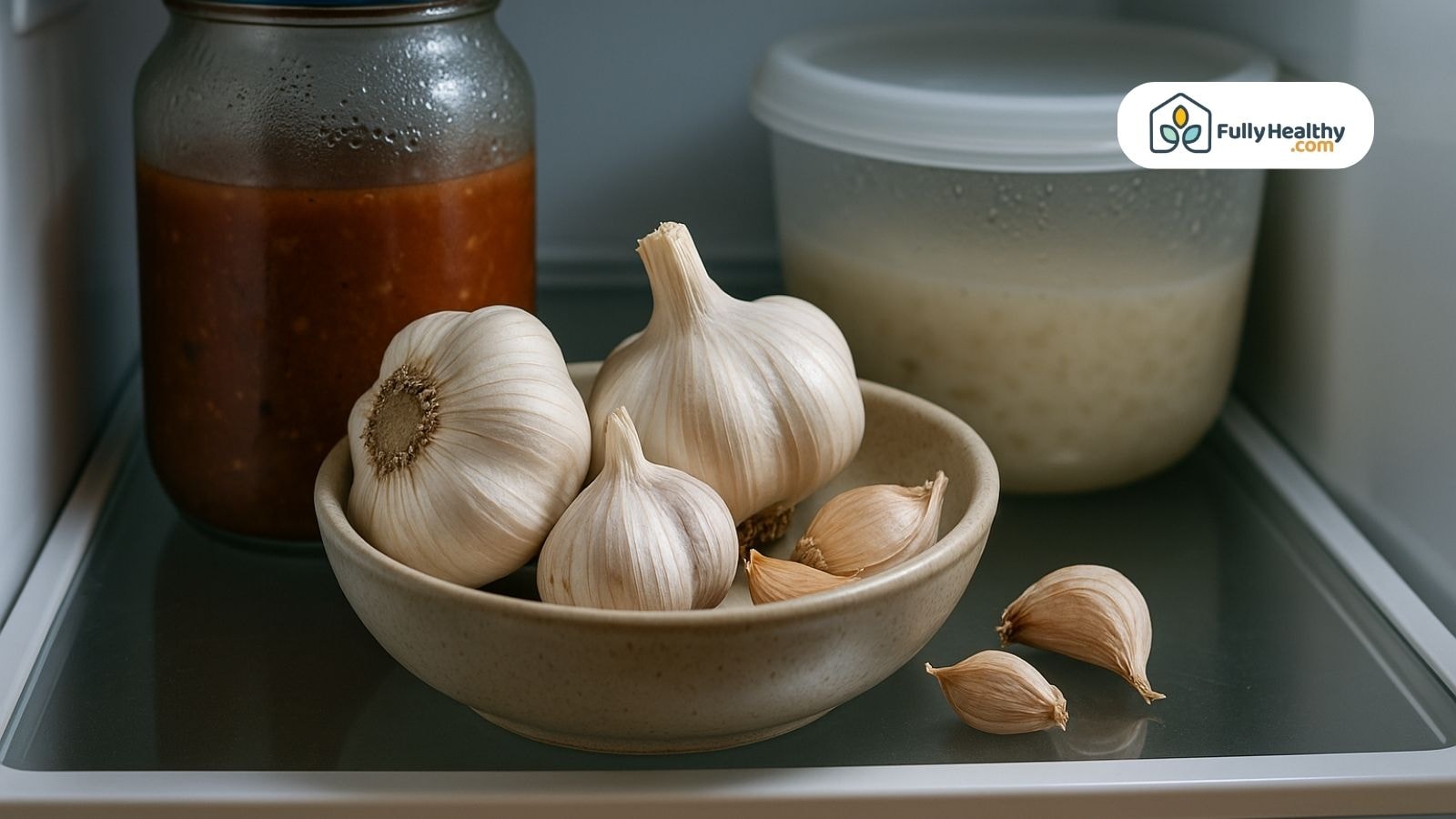
Putting whole garlic bulbs in the fridge can actually make them go bad faster. Many vegetables do better when they are cold, but garlic doesn't. It does better in the pantry . The cold causes sprouting and mold growth due to excess moisture.
-
Whole garlic bulbs in the fridge: More likely to develop green shoots and sprout faster due to cold and humidity.
-
Unpeeled cloves and whole heads of garlic: Should be kept in a dark place with airflow, like a mesh bag in the pantry.
-
Fridge issues: Moisture builds up in sealed containers or plastic bags, causing soft spots and a slimy texture.
-
Sprouting in the fridge: Can make garlic taste bitter, especially when using raw garlic in dressings or dips.
Best Storage Practices for Longevity
To keep garlic fresh, it's critical to avoid sealed containers and humid conditions. Whole garlic heads and garlic cloves will last longer if you store them the right way from the start. It's important to have good air flow and stable temperatures.
-
Ideal environment: Store garlic in a cool dry place between 60 to 65°F with good airflow, away from direct sunlight.
-
Storage tools: Use a mesh bag, paper bag, or ceramic garlic keeper, avoid plastic bags and sealed containers.
-
Peeled garlic and chopped garlic: Always store peeled in an airtight container in the fridge and use within one week.
-
Freeze for longer storage: You can freeze whole peeled garlic cloves or minced garlic, though flavor fades over time.
-
Garlic confit warning: Garlic cooked and stored in olive oil should be kept in the refrigerator and eaten within seven days to prevent food poisoning.
About FullyHealthy Marketplace
Who We Are and What We Offer
FullyHealthy is an online store that specializes in helping people who follow clean eating and dietary needs, such as those who are AIP, gluten-free, or allergic to certain foods.
-
Clean product selection: Offers pantry items, snacks, and spice blends free of artificial ingredients, perfect for sensitive diets.
-
Trustworthy sourcing: Buyers can avoid processed foods and safely enjoy things like garlic powder or snacks seasoned with garlic because every item has been checked for quality.
-
Customer-focused: FullyHealthy helps reduce stress for shoppers managing autoimmune conditions or food intolerances by providing easy access to safe, flavorful options.
Garlic-Friendly Picks You’ll Love
FullyHealthy has a lot of options for people who love garlic but need shelf-stable or allergen-free options.
-
Simply Organic Garlic Powder: A pantry staple for long-term use, adding flavor to any dish without prep or peeling.
-
Pluck Zesty Garlic Organ Blend Seasoning: Delivers bold garlic flavor using organ meats and herbs in a convenient spice mix.
-
Urban AIP Rosemary Garlic Crackers: Garlic-forward snacks with clean, grain-free ingredients.
-
Basil Garlic Organic Sauerkraut: A probiotic-rich way to enjoy fermented garlic flavor.
-
Sweetpotato Awesome Dill Garlic Fries: A garlic-seasoned treat that fits many elimination diets.
Final Thoughts
Garlic is very useful in the kitchen, but it can go bad. Once you cut, peel, or store garlic the wrong way, it goes bad quickly. A whole bulb of garlic can stay fresh for months. It's best to throw away garlic that has gone foul, even if you chopped it a few days ago.
Store garlic in a smart way to keep it fresh longer and avoid waste or harm. Check before you cook every time. Your next meal deserves fresh flavor, not spoiled spice.
FAQs
How long does garlic last?
Whole bulb garlic can stay fresh up to six months, but peeled, minced, or sliced garlic lasts only a few days ago in the fridge.
What does spoiled garlic taste like?
Spoiled garlic tastes bitter, harsh, and sometimes sour, especially if the garlic has gone bad from sitting in oil or sealed containers.
Can you eat expired garlic cloves?
No, do not eat bad garlic or expired cloves with brown spots, soft texture, or sour smell—even if peeled just days ago.
When can garlic be toxic?
Garlic can be toxic when stored in olive oil at room temperature, which may grow clostridium botulinum in a sealed container.
What is the 10 minute garlic rule?
The 10 minute garlic rule means letting sliced or minced garlic rest before cooking to boost flavor, not for how long garlic lasts.
Leave a comment