

Can Guinea Pigs Eat Grapes? The Truth About This Sweet Treat
The guinea pig can eat grapes, but not a lot of them. Grapes are high in sugar and vitamin C, but they are also high in antioxidants. Too many grapes can make you sick with diarrhea, weight gain, or even diabetes.
This article tells you what fruits are bad for guinea pigs and how to give them treats safely. Let us talk about everything you need to know about feeding grapes to your guinea pig.
Featured Pantry Pick
St. Dalfour // Four Fruits Fruit Spread - 10 oz
Loading...
Can Guinea Pigs Eat Grapes?
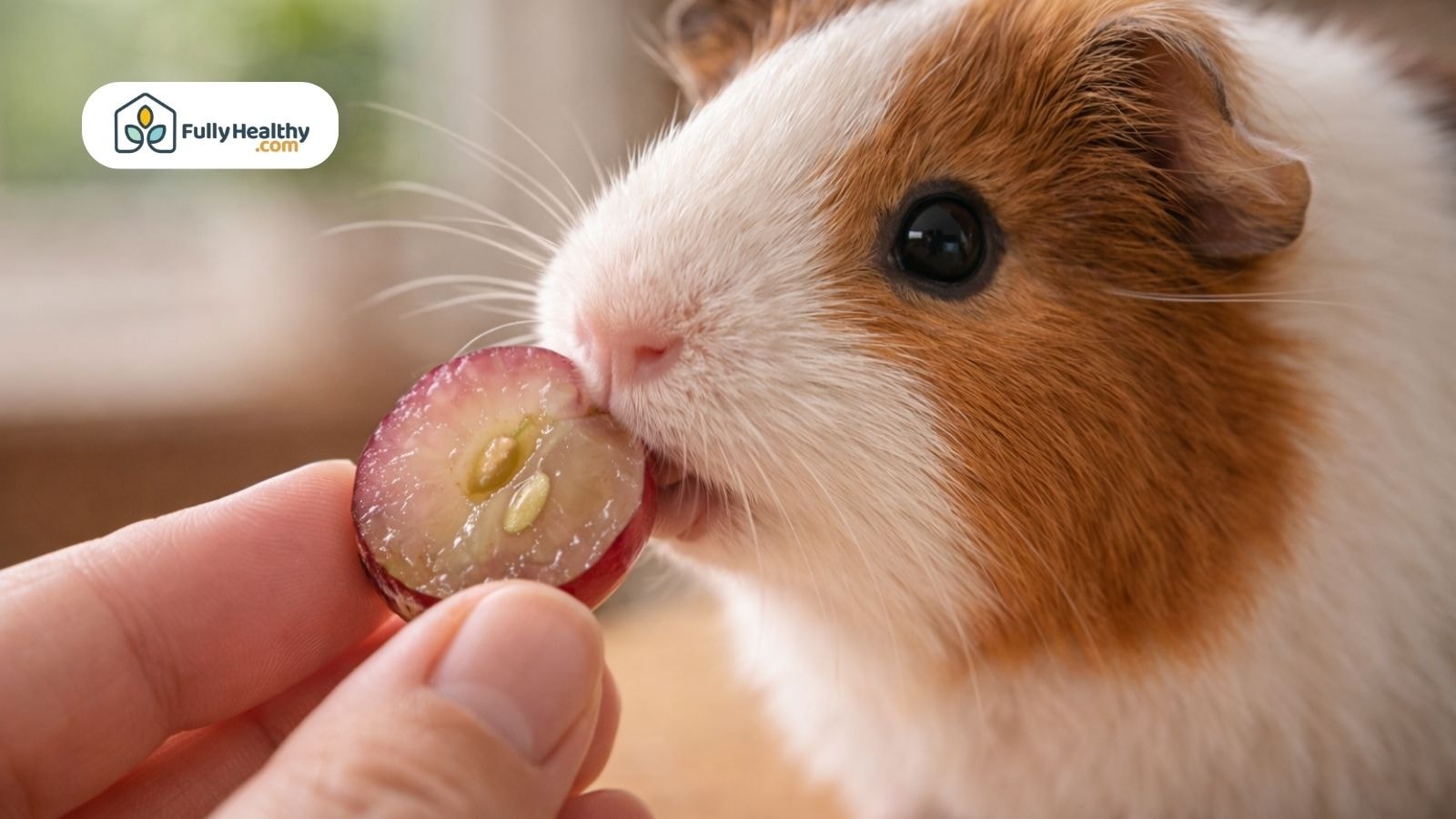
Even though guinea pigs can eat grapes, they should only do so occasionally and in small amounts. While grapes do have some good nutrients, they also have a lot of sugar, which is not good for you.
Your guinea pig should only get grapes as an occasional treat, not every day. Always feed them hay, fresh vegetables, and a few safe fruits.
How Many Grapes Can Guinea Pigs Safely Eat?
Cut up one grape and give it to your guinea pig once or twice a week. Eating too many grapes can cause digestive issues, make you gain weight, and cause health problems related to sugar.
-
Portion size: Feed just one grape, sliced into a thin slice or small piece
-
Feeding schedule: Don't eat grape treats more than twice a week.
-
Type of grape: Red or black grapes are often preferred for their antioxidant content, though sugar levels vary by variety.
-
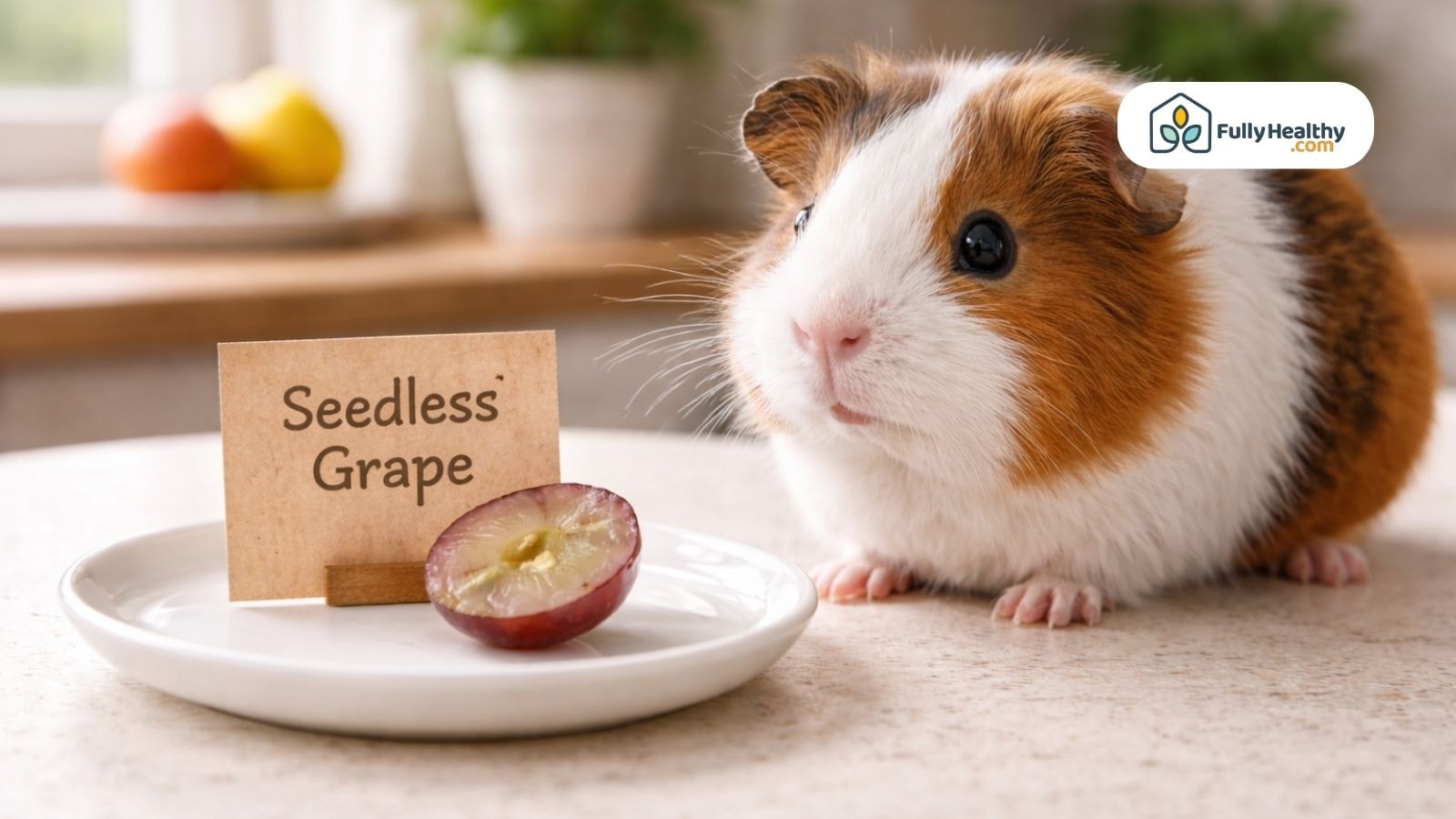
Before feeding: Always wash grapes to remove pesticides and cut them up so that they don't become choking hazards.
Health Benefits of Grapes in a Guinea Pig’s Diet
Giving your guinea pig grapes can make its food more interesting and fun. Also, they have some good nutrients, like vitamin C, but they should never be used instead of hay or leafy greens.
-
Vitamins and minerals: Grapes are rich in ntioxidants and some Vitamin C, but are not a significant source of calcium.
-
Hydration: It helps that they are high in water when it is hot outside.
-
Variety: If you feed your guinea pig grapes in small quantities, it can try new foods without much risk.
-
Enjoyment: Guinea pigs often excited wheeks when they are given a special treat, like a grape.
What Fruits Are Poisonous to Guinea Pigs?
Most fruits are safe for guinea pigs to eat, but some are poisonous and should be avoided. These fruits are bad for the gastrointestinal tract, can make them sick, or can even kill them. Before you give your guinea pig a new food, you should find out which fruits are safe and which aren't.
Common Fruits and Foods to Avoid
Guinea pigs can get sick from eating some foods that people think are healthy. Toxins can be found naturally in parts of fruit like seeds and leaves, so be careful with them.
-
Unsafe fruits: Limit acidic citrus like limes and lemons due to their acidity, but small amounts of orange are generally safe.
-
Harmful parts: Leaves from tomatoes, pineapples, or potatoes should not be fed.
-
Extra sugar: Do not eat canned fruits or anything else that has added sugar.
-
Choking risk: Take out the pits and seeds from all the fruits you eat because they can choke you and may also be poisonous.
Why These Fruits Are Harmful to Guinea Pigs
The digestive system of guinea pigs is very sensitive. Their bodies can't handle some fruits because they have too many natural sugars or oils that are bad for them.
-
Toxic oils: Persin, which is found in avocados, is poisonous to small animals.
-
Sugar overload: There is a lot of sugar in dried fruits, which can make you gain weight and have stomach problems.
-
Choking dangers: Intestines and throats can get clogged up with seeds and pits.
-
Chemical risk: Some preservatives in canned fruits might not be safe for guinea pigs.
What Is the Number One Cause of Death in Guinea Pigs?
Most guinea pigs die from pneumonia, which is a lung infection that is very bad. Most of the time, it spreads quickly and can be fatal if it is not treated right away. One way to stop it is to make sure your guinea pig's home is clean and safe.
Symptoms and Causes of Pneumonia
If your guinea pig lives in a damp or dirty place, bacterial infections can lead to pneumonia. This is what you should look for:
-
Signs of illness: Trouble breathing, a runny nose, losing weight, and feeling tired.
-
Possible causes: Not enough air flow, sudden drops in temperature, and a lot of stress can all make you sick.
-
Health risk: Pneumonia in guinea pigs is typically caused by bacterial infections and can rapidly become fatal if untreated.”
Preventing Pneumonia in Guinea Pigs
Making sure your home is clean, warm, and stable is the best way to avoid getting pneumonia. It's also important for guinea pigs to eat right to keep their immune systems strong.
-
Clean habitat: Avoid cold drafts and keep the bedding dry.
-
Strong diet: Keep giving them alfalfa hay, fresh vegetables, and safe fruits like guinea pigs eat apples or guinea pigs eat oranges (in moderation).
-
Vet visits: If your animal seems sick, you should take it to a a doctor in veterinary medicine.
-
Daily checks: Watch how your pet acts to see if there are any early signs of illness.
How Do Grapes Affect Guinea Pig Blood Sugar?
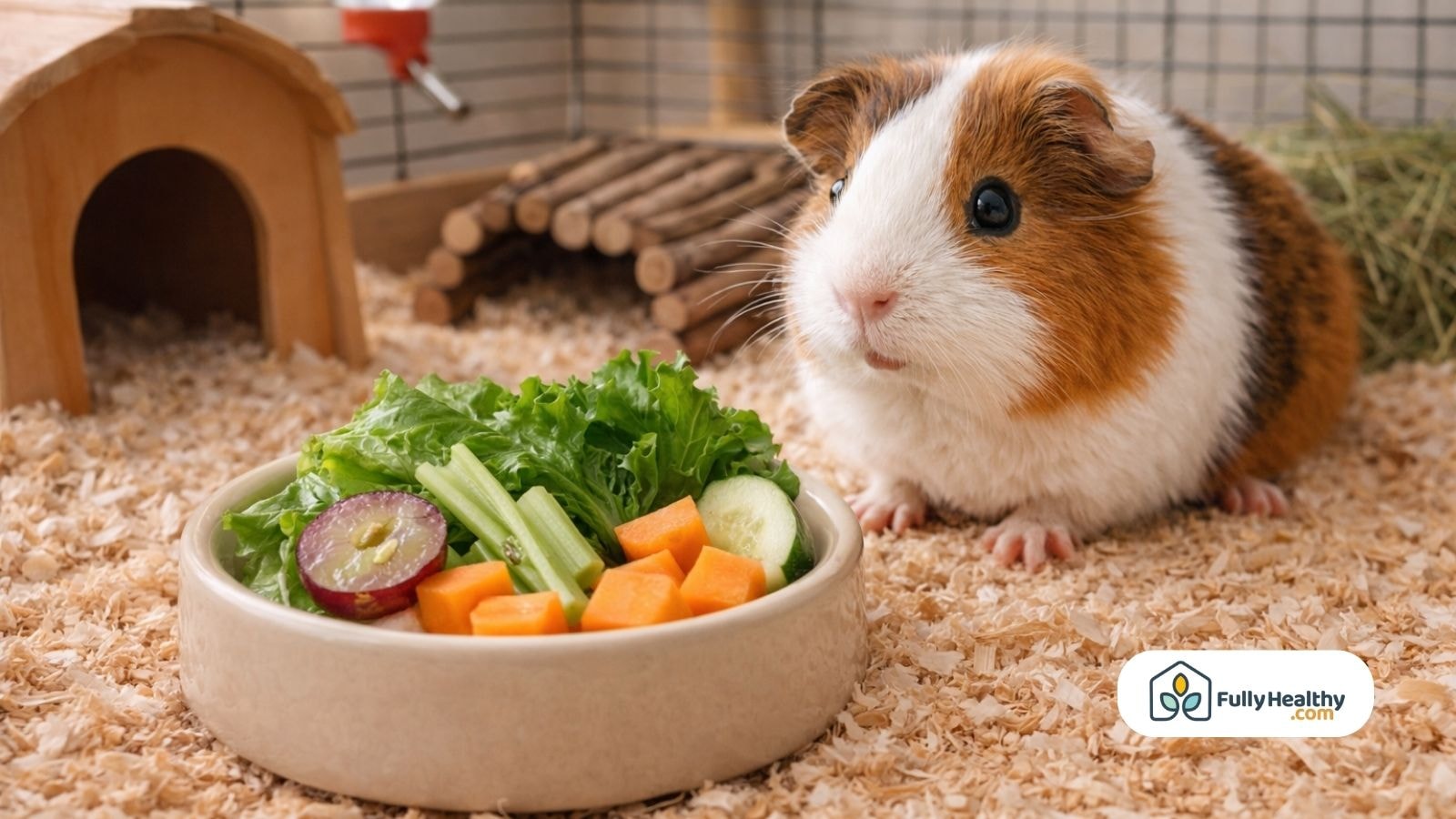
Grapes might look like a healthy snack, but guinea pigs should not eat them because they are very high in sugar. Even though grapes are good for you because they keep you hydrated and give you more vitamin C, they should only be given in small amounts.
Though direct evidence of diabetes in guinea pigs is limited, excessive sugar may contribute to obesity and metabolic stress. You should always give your guinea pig a good mix of fruits, hay, and leafy greens.
Break Down Sugar Content and Its Metabolic Effect
There are natural sugars in grapes, but guinea pigs' stomachs are very sensitive. Getting too much sugar, even from fruit, can be very bad for your health. Limit it to a small cube or slice and serve it just once or twice a week.
-
High sugar level: About sixteen grams of sugar are in one hundred grams of grapes.
-
Small portion is key: A small piece once a week is enough to keep you from getting too much sugar.
-
Natural sugars still affect blood sugar: In their natural state, grapes can quickly raise blood sugar.
-
Grapes are not a staple food: They should never be fed instead of hay, fresh veggies, or other important foods.
Address Risks Like Diabetes, Diarrhea, and Obesity From Excess Sugar
Giving guinea pigs too many grapes or any other fresh fruit can make them very sick. Obesity, loose stools, and blood sugar spikes that their bodies can't handle are common risks.
-
Risk of diabetes: Blood sugar problems can last for a long time if you eat a lot of sugar.
-
Digestive problems: If you eat too many grapes, you might get gas or stomach problems.
-
Feeding balance matters: Never give treats without giving your dog water, alfalfa hay, and healthy vegetables.
-
Avoid dried fruits: Raisins, which are dried grapes, have even more sugar and could be a potential choking hazards.
What Does Fully Healthy Offer for Pet Health or Guinea Pig Owners?
Full Healthy is meant for people, but it can still help pet owners, especially those with guinea pigs or dogs that aren't very big. While FullyHealthy promotes low-sugar and allergen-conscious human foods, these are not designed for or guaranteed safe for pets.
When your home is healthier, you're less likely to feed your pets foods that are bad for them by accident.
Highlight How FullyHealthy Serves Pet-Safe or Allergen-Friendly Products
It's not a pet store, but Fully Healthy promotes healthy eating. Their well-thought-out product choices and clear ingredient labels help keep people from accidentally eating ingredients that aren't safe.
-
No harmful additives: There are no added flavors or colors in the products.
-
Safe around pets: There are not as many food smells or crumbs that could hurt dogs or guinea pigs.
-
Easy to shop: Shopping by category helps people stay away from foods with high sugar content.
Recommend Relevant Items Like Organic Fruit Sweeteners or Sugar-Free Treats
The site has healthy sugar substitutes and snack bundles for people who can't eat certain foods. These aren't made for guinea pigs, but they can help keep sugary snacks from getting shared by accident.
-
Natural sweeteners: If you want to avoid eating a lot of sugar, coconut sugar or maple sugar are better choices.
-
Cleaner home environment: Less processed food around pets lowers the chance of hurting them by accident.
-
Expert-approved: A lot of products are reviewed by people who have at least a bachelor's degree in nutrition or food science.
Final Thoughts
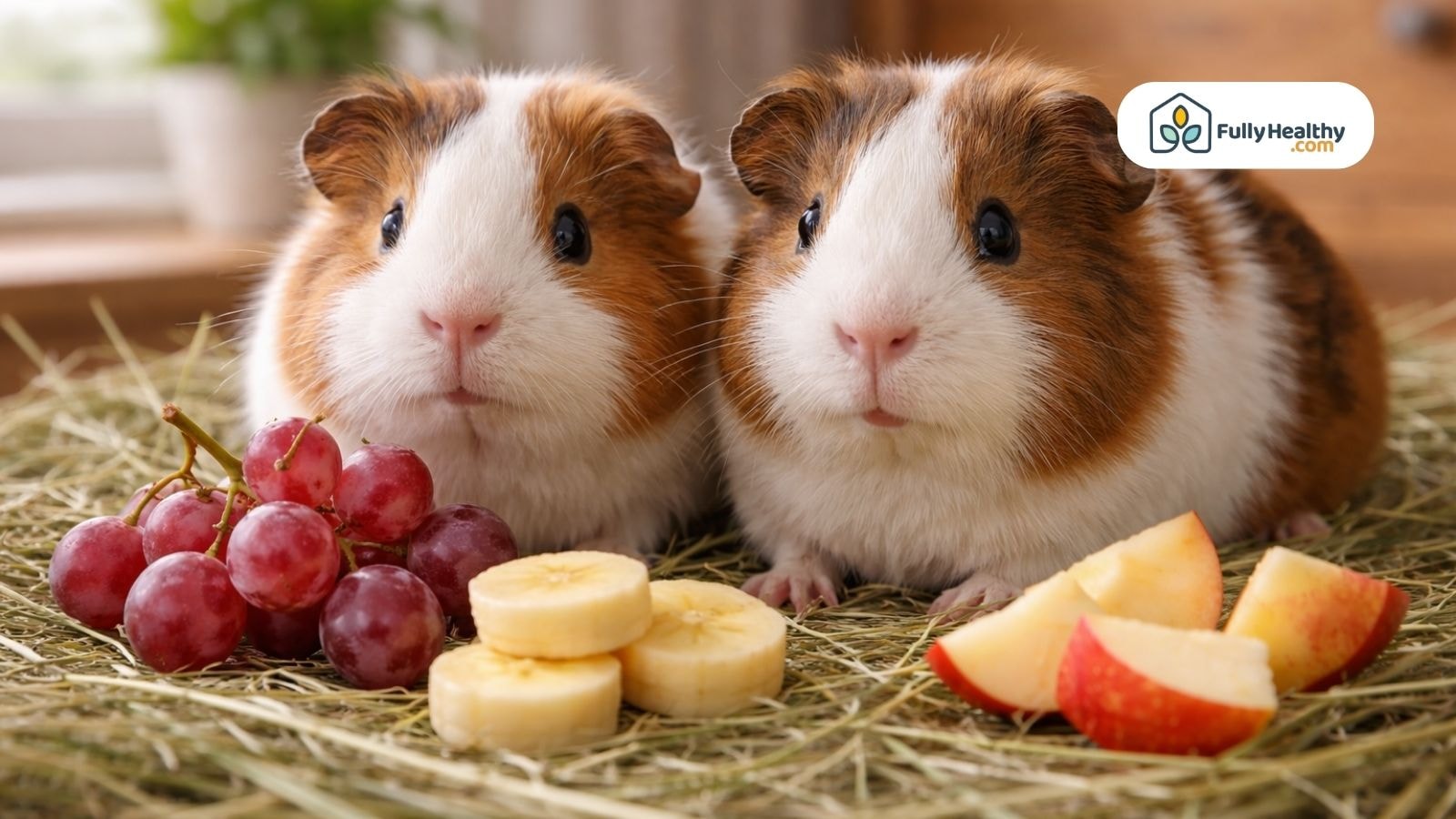
Like other fruits like apples or bananas, giving guinea pigs grapes in small amounts is safe. Grapes are healthy, but because they are sweet and have soft skin, they should be given with care to avoid health issues.
It's safer to always wash the skin and take out the seeds. To keep meals interesting, try different kinds of fruit. Switch out the grapes for bananas or other fruits. Watch how your guinea pig reacts to new treats at all times.
FAQs
Are grapes toxic to guinea pigs?
No, guinea pig grapes are not toxic, but feeding too much can cause skin issues, digestive upset, or imbalanced diet from excessive fruit intake from sugar.
What not to put in a guinea pig cage?
Do not add bananas, other fruits with skin, or different types of unsafe guinea pig grapes in the cage to avoid mess and sickness.
What are the first signs of a dying guinea pig?
If your guinea pig stops eating guinea pig grapes or other fruits like bananas and shows dry skin, it could be serious.
Can guinea pigs get sick from a dirty cage?
Yes, skin problems, banana flies, and bacteria from old guinea pig grapes or other fruits can make guinea pigs sick.
Why can't guinea pigs eat carrots?
Guinea pigs can eat carrots, but only occasionally due to their natural sugar content. Too many carrots like bananas or guinea pig grapes may affect sugar balance, skin condition, or mix badly with different types of other fruits.
Leave a comment