

Can Multivitamins Cause Constipation? What Worsens Constipation

Can multivitamins cause constipation? Yes, they can, especially if they have a lot of calcium or iron in them. Iron supplements are commonly associated with constipation, while calcium supplements may contribute in some individuals, particularly at higher doses.
Aside from supplements, there are other reasons. It's also caused by not getting enough fiber, water, and movement. How to pick a better formula and why it happens are all explained in this article.
Featured Supplement Pick
The Myers Way® // Multivitamin
Loading...
Can Multivitamins Cause Constipation?

Many people want to know if multivitamins can make you constipated. They can, afterall. Certain minerals, particularly iron and sometimes calcium, can contribute to constipation in some individuals.
When you start a new multivitamin or take a lot of certain nutrients, this can happen. Even though not everyone gets constipated, some formulas are more likely to make it worse, especially for people whose digestion is sensitive.
Why Iron And Calcium Can Slow The Digestive System
Supplements with iron and calcium are strongly linked to having slower bowel movements. The large intestine can get dry and hard stools if there is too much iron in thebody. Taking calcium supplements may also make it harder for the digestive tract to move naturally. It's possible that these changes will make constipation worse for people who already have chronic functional constipation.
-
Iron Supplement: Can harden stool and slow the digestive tract, potentially leading to stomach cramps and discomfort.
-
Calcium Supplements: May decrease muscle movement in the digestive system and make stool more difficult to pass.
-
High Doses: Taking large doses above the recommended daily intake increases the risk of side effects.
Who Is More Likely To Experience Constipation?
Fewer people are safe. A lot of people with iron deficiency anemia take an iron supplement every day, which could make their constipation worse. Pregnant or breastfeeding women often take iron-containing prenatal vitamins, which are commonly associated with constipation. Symptoms may get worse if you don't eat enough fiber and water.
-
Low Fiber Diet: Not eating foods rich in insoluble fiber, such as whole grains, slows bowel movements.
-
Dehydration: Failing to drink plenty of water makes stool dry and harder to pass.
-
Medical Conditions: Chronic constipation and other medical conditions raise the chance of digestive problems.
Why Am I Suddenly Constipated All The Time?

Changing bowel movements all of a sudden is often caused by the way you live. Medications, vitamin supplements, and changes in what you eat can all have an effect on your digestive system. If constipation lasts longer than 2–3 weeks or is accompanied by symptoms such as bleeding, weight loss, or severe pain, medical evaluation is recommended
Lifestyle And Diet Changes That Affect The Body
For waste to move through the large intestine, the body needs fiber and water. Eating less fiber-rich foods or skipping meals can make digestion take longer. Long periods of sitting are also bad for the digestive system.
-
Low Fiber Intake: Less insoluble fiber leads to harder stools and slower bowel movements.
-
Not Enough Fluids: Always drink plenty of water to support healthy digestion.
-
Lack Of Movement: Stay active to help the digestive system work properly.
Medications And Supplements That Contribute To Constipation
Some medicines and other supplements can make the gastrointestinal tract work more slowly. Some over-the-counter medicines, pain killers, and large amounts of some vitamins and minerals can make constipation worse.
-
Iron And Calcium Supplementation: Common triggers that contribute to constipation.
-
Vitamin D Supplement: Vitamin D supplementation is not typically associated with constipation, but excessive intake can lead to elevated calcium levels (hypercalcemia), which may cause constipation.
-
Laxative Overuse: Can disrupt natural bowel movements and lead to long-term problems.
Which Multivitamin Is Best For Constipation?

If you have trouble going to the bathroom, picking the right vitamin is important. Not all vitamin supplements are bad for you. Some nutrients may help constipation relief instead of making it worse.
Ingredients That May Support Bowel Movements
Some important vitamins and other nutrients make the digestive system work better. Higher supplemental doses of vitamin C can have an osmotic effect in the intestines, which may help soften stool.
The muscles in the large intestine can relax because magnesium is found in various vitamins. When taken in the recommended daily amount. Vitamin D supports bone mineralization and muscle function when consumed within recommended intake levels.
-
Vitamin C: Helps soften stool and support regular bowel movements.
-
Magnesium: Relaxes the digestive tract and may ease mild constipation.
-
Balanced Vitamin D: Supports overall health without increasing side effects when taken correctly.
What To Avoid In A New Multivitamin
Before you start taking a new multivitamin, look at a fact sheet from the National Library or the National Institutes of Health. Taking too much of certain vitamins and minerals can cause more harm than benefit.
-
Too Much Iron: May exacerbate constipation, especially during iron deficiency anemia treatment.
-
Excess Folic Acid: Important for preventing birth defects, but unnecessary large doses are not always helpful.
-
Unneeded Supplementation: Always speak with a healthcare professional or doctor before changing your treatment plan.
Essential vitamins are often naturally found in a balanced diet of whole grains, fruits, and vegetables. The best ways to avoid chronic constipation and protect your health are to eat right, take safe supplements, and follow your doctor's advice.
What Are The Disadvantages Of Taking Multivitamins Daily?
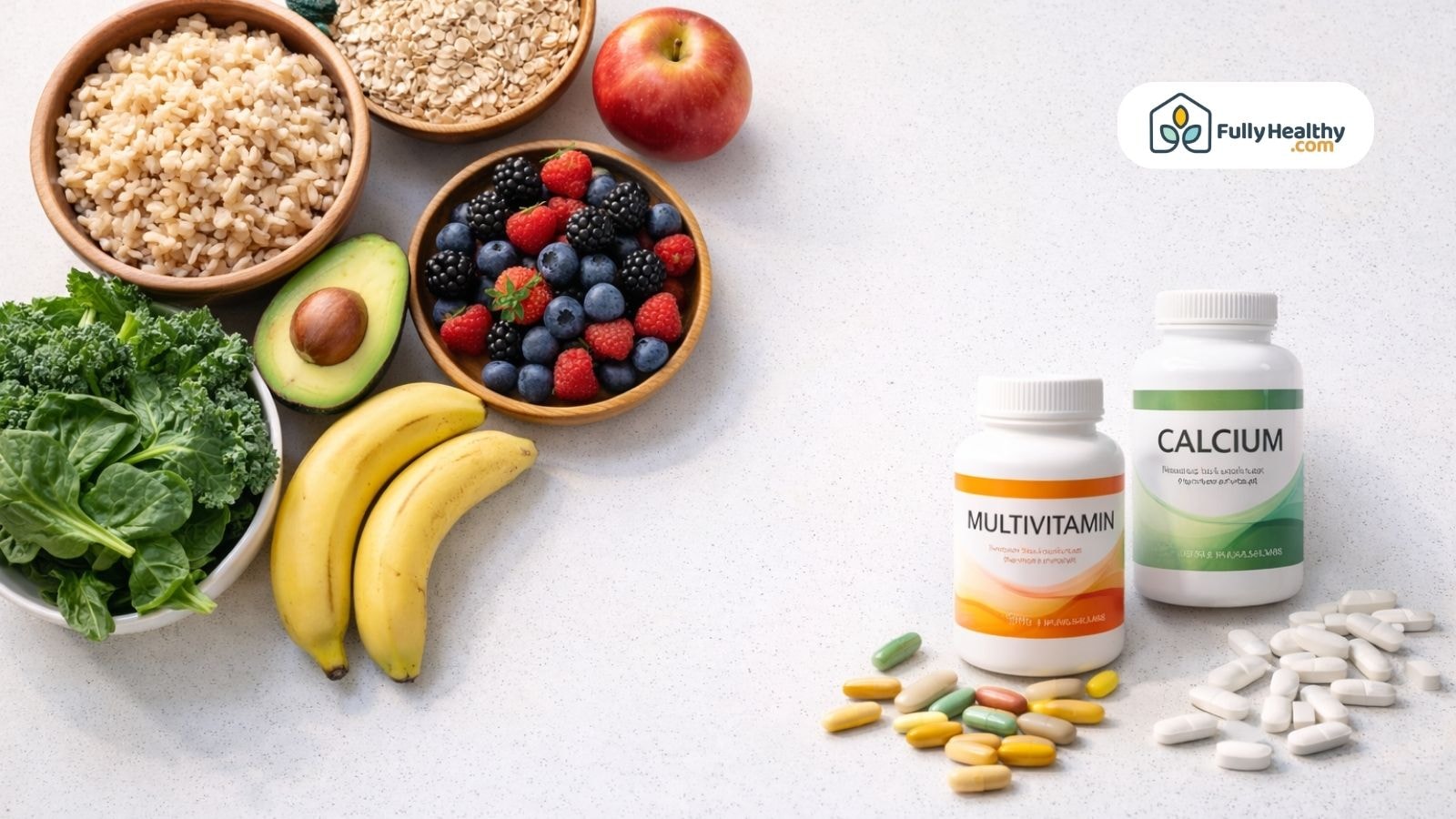
Regularly taking multivitamins might seem like an easy way to stay healthy. However, you don't have to use it every day. Vitamins and minerals are good for you, but too much of them can be bad for you. Some people depend on supplements instead of making their food better.
Over time, this can make your stomach hurt or throw off your nutrients, especially if you already have trouble going to the bathroom regularly.
Risk Of Overconsumption And Vitamin Toxicity.
A few vitamins stay in the body for a long time. The levels of fat-soluble vitamins A, D, E, and K can rise over time. This might make the chance of bad effects higher. Obtaining nutrients primarily from food is generally recommended, while supplements are safe and beneficial when used appropriately to address specific deficiencies. A lot of some nutrients can change how the body absorbs other nutrients.
-
Excess Intake: Taking more than the recommended amount may increase the risk of toxicity and unwanted symptoms.
-
Fat-Soluble Vitamins: These stay stored in the body and can accumulate with long-term use.
-
Unnecessary Use: Using supplements without medical advice may not match your real nutritional needs.
Digestive Side Effects And Poor Diet Habits.
Some multivitamins, particularly those containing iron, may cause gastrointestinal side effects such as nausea, bloating, or constipation.
Side effects that could happen include constipation, feeling sick, and bloating. Symptoms may not go away if you don't change the way you eat. Foods that are well-balanced are more important for digestive health than supplements alone.
-
Digestive Discomfort: Certain formulas may cause stomach pain, bloating, or harder stools.
-
Low Fiber Intake: Not adding more fiber from fruits, vegetables, and whole grains can make constipation worse.
-
Diet Neglect: Relying only on supplements may reduce focus on healthy food choices.
What Does FullyHealthy Offer For People Concerned About Multivitamin-Related Constipation?
Fully Healthy is an online store that sells unique health and wellness items. It's not a medical site, but it does sell things that might help with digestive issues. For people who are worried about constipation caused by supplements, the website has options that focus on clear ingredient lists and gut-friendly options.
Gut-Friendly Supplements And Digestive Support Options.
The website has a number of items that might help with digestion. Some of these are probiotic blends and supplements with magnesium. These products are not medical treatments, but if you use them along with healthy habits, they may help your bowels work normally.
-
Magnesium Products: Certain forms of magnesium, such as magnesium citrate or magnesium hydroxide, have osmotic laxative effects that can support bowel movements.
-
Probiotic Formulas: Designed to support a balanced gut environment.
-
Electrolyte Blends: Enough fluids intake supports normal stool consistency, though electrolyte products are generally unnecessary unless dehydration is present.
Product Categories Relevant To Constipation Support.
Fully Healthy focuses on products with clean labels and no allergens. There are some multivitamins on the site that might have lower iron levels, but you should read the label carefully for each one. The right formula for you will depend on your health and diet.
-
Specialty Multivitamins: Some options may be iron-free or made for sensitive digestion.
-
Digestive Support Supplements: Products often used along with diet and lifestyle changes.
-
Clear Ingredient Labels: Help you avoid unwanted additives and choose wisely.
Talk to a doctor or nurse before buying any supplements. The safest ways to help with regular bowel movements are to change your daily habits, drink more water, and eat foods with more fiber. Supplements should help your health, not take the place of a healthy diet.
Final Thoughts
Can multivitamins cause constipation? Yes, especially if they have a lot of iron or calcium, which can slow down digestion and make it harder to go to the bathroom. A healthier digestive system is helped by getting the right amount of minerals and vitamins, drinking enough water, eating more fiber, and moving around regularly.
Before changing supplements, you should always check the daily recommended amount and talk to a medical professional. For long-term health, you should stick to a balanced diet.
FAQs
What Is A Good Daily Supplement To Avoid Constipation?
A daily supplement that includes magnesium and vitamin C may support healthy bowel movements, while avoiding high amounts of iron or calcium that can slow the digestive system.
Should I Be Worried If I’m Constantly Constipated?
Yes, if constipation lasts more than a few weeks, becomes painful, or includes symptoms like blood in the stool or weight loss, you should speak with a Doctor or Healthcare Professional.
How To Cure Constipation Permanently?
Long-term relief usually requires lifestyle changes such as eating more fiber-rich foods, drinking plenty of water, staying physically active, and addressing any underlying medical conditions.
What Is The Red Flag For Constipation?
Red flags include severe abdominal pain, vomiting, blood in the stool, sudden unexplained weight loss, or constipation that does not improve with basic treatment.
Is There A Multivitamin That Doesn’t Cause Constipation?
Yes, some multivitamins are iron-free or contain lower amounts of calcium, which may reduce the risk of constipation, but you should always review the label and consult a Healthcare Professional before starting a new supplement.
Leave a comment