

Can Rabbits Eat Basil? Safe Herbs for a Happy Bunny Diet
 Photo Credit: Canva Pro
Can rabbits eat basil? Basil is generally safe for rabbits in moderation, but individual rabbits may react differently. Introduce gradually to observe tolerance. Basil contains vitamin K and antioxidants, which may support bone and immune function, though their exact impact on rabbit health is not extensively studied. It should only be given in small amounts a few times a week, though.
A buildup of calcium or stomach problems can happen if you eat too much. This article tells you the right way to feed basil to rabbits and what the pros and cons are.
🍅 Craving Cozy Comfort? Sip Wild Zora’s Tomato Basil Instant Soup!
Can Rabbits Eat Basil?
 Photo Credit: Canva Pro
It is true that rabbits can eat basil, and many of them really love basil as a regular leafy green. This fresh herb is safe and offers nutritional benefits when served in small quantities.
No matter if you give your rabbit sweet basil or another type like Thai or lemon basil, they will all enjoy the taste and benefit from the nutrients. However, moderation is important to keep digestive problems and calcium overload at bay.
Nutritional Value and Safe Feeding Quantities
Basil leaves are full of nutrients that are good for rabbits' health. They have antioxidants, vitamin K, vitamin A, calcium, and other nutrients that help the body digest food and keep the immune system strong. Even of its health benefits for your rabbit, you should only give it small amounts, a few small pieces or leaves at a time, depending on its body weight.
-
Vitamin K: Helps the bones and blood work well.
-
Calcium and potassium: Calcium supports bone health, while potassium contributes to nerve and muscle function. However, excess calcium can lead to urinary issues in rabbits.
-
Antioxidants: Have properties that reduce inflammation and help reduce it.
-
Fiber: When mixed with hay, it helps digestion.
Best Practices for Introducing Basil to Your Bunny
Start slowly when you first bring basil to your furry friend. Rabbits like basil, but too much of it can make their stomachs upset. Baby rabbits shouldn't eat basil until they're used to eating leafy greens like parsley and lettuce. Always keep an eye out for signs of an allergic reaction, like bloating or loose stools.
-
Start small: Give your rabbit one or two fresh basil leaves and keep an eye on it.
-
Check for reactions: Take note of any changes in the pet's behavior, appetite, or poop.
-
Rotate with other herbs: To add variety, mix basil with mint, cilantro, lemon balm, or parsley.
-
Wash thoroughly: Basil needs to be rinsed well to get rid of soil, pesticides, and other plant matter that is still on it.
What Herbs Can Bunnies Not Eat?
 Photo Credit: Canva Pro
You can give your rabbit basil, but not all herbs are safe for them. It is not safe to feed some herbs and plants. To keep your pet safe, know what herbs to stay away from. Some rabbits, especially picky ones that don't like strong flavors, may also turn down herbs with strong smells.
List of Toxic and Rabbit-Repelling Herbs
Herbs in the allium family, like garlic, onions, and chives, are toxic to rabbits and can damage red blood cells, leading to anemia. Even fresh herbs, like too much sage or thyme, can make digestion worse if they are fed often.
-
Garlic and onions: Extremely dangerous and should be avoided at all costs.
-
Chives and other alliums: It is bad for the digestive system and red blood cells.
-
Large amounts of cumin or cinnamon: Can make you hungrier and hurt your gut health.
-
Monkshood (wolfsbane): Very dangerous, even if you only plant it in your garden.
Strong-Scented Herbs Rabbits Tend to Avoid
Although the herbs are safe, rabbits still don't like some of them. Some of these are thyme, mint, and lavender. These herbs aren't poisonous, but they might be too strong for some bunnies. Rabbits are less likely to eat plants in herb gardens that have strong smells.
-
Lavender and rosemary: Not dangerous, but has a strong smell.
-
Mint and thyme: It might be too strong for regular feeding.
-
Bee balm: May be turned down because of how strong the flavor is.
-
Sage and oregano: Feed very little, if any at all.
Is Basil Toxic to Pets?
 Photo Credit: Canva Pro
Pets like cats, dogs, and rabbits can eat basil without getting sick. The ASPCA says that basil is safe for animals, and most vets agree that most animals can eat it in small amounts without getting sick. Basil can be good for rabbits if they eat it with other treats like fruits, vegetables, or hay.
ASPCA Classification and General Pet Safety
According to the ASPCA, pets can eat basil without getting sick. That includes the buns you wear. Like garlic and onions, basil doesn't have any harmful oils or compounds in it. It shouldn't be a big part of your rabbit's diet, though. Rabbits require a carefully selected variety of safe plant-based foods, primarily hay, supported by leafy greens and limited herbs.
-
Non-toxic: Approved by the ASPCA for cats and dogs, and it's likely safe for rabbits as well.
-
Low sugar: That makes it safer than treats made with fruit.
-
Use in rotation: Add other herbs, like parsley, cilantro, and dill.
Signs of Mild Reactions in Pets and When to Seek Help
Basil is a safe herb, but too much of it can be bad for you. Your rabbit may show signs of pain if it eats too much basil. If you give your rabbit a new herb, especially one that was just planted or that has been around pesticides, you should always make sure it doesn't have any allergic reactions.
-
Soft stool or diarrhea: It could mean that you ate too much basil or that your stomach is upset.
-
Lethargy or loss of appetite: Could mean an intolerance.
-
Excessive gas or bloating: Often found in buns that don't like leafy herbs.
-
Contact a vet: If the symptoms last longer than 24 hours.
Is Basil Healthy For Bunnies?
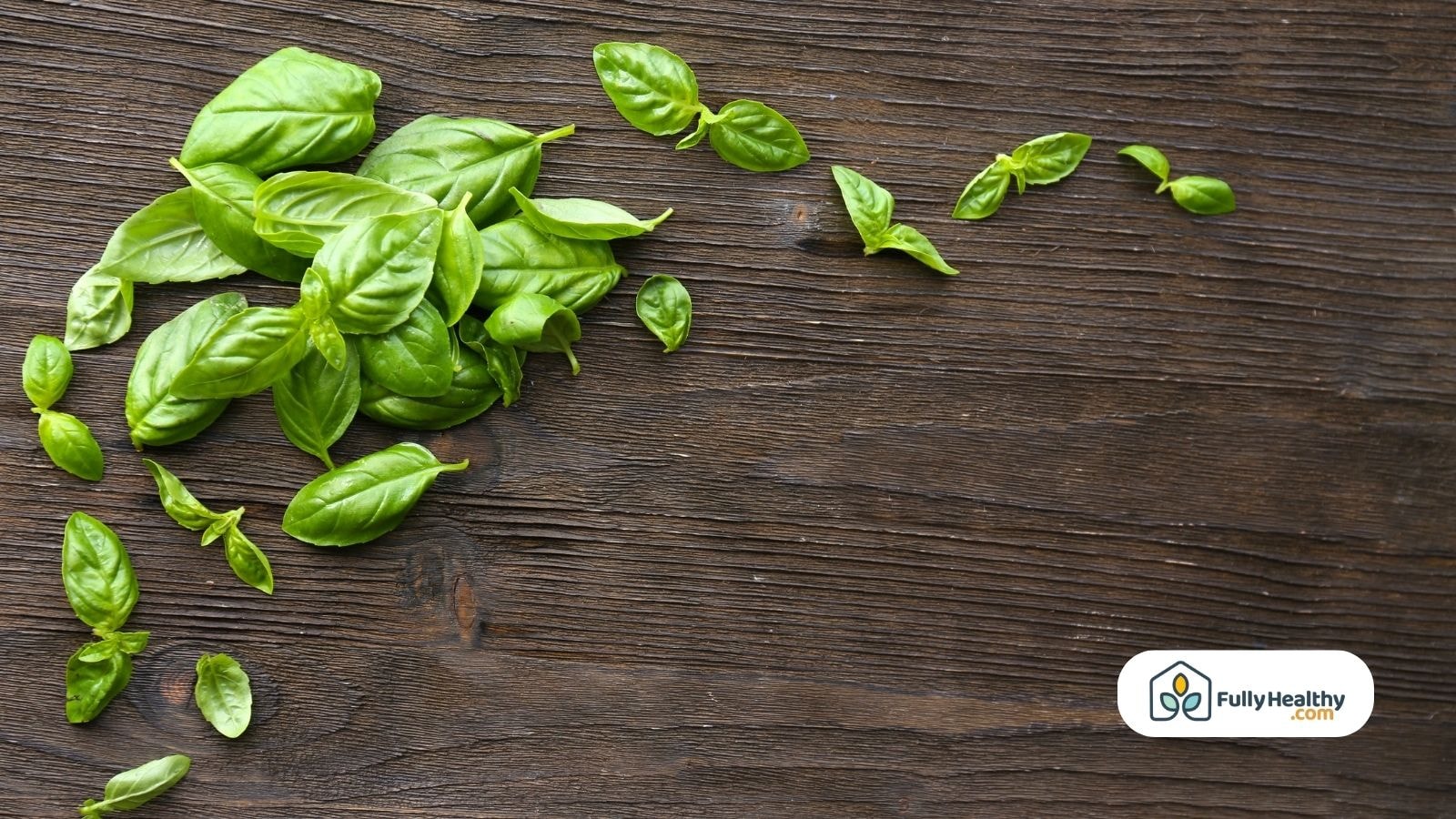 Photo Credit: Canva Pro
It is safe for rabbits to eat basil as long as it is given in small amounts. Basil leaves are one of the favorite herbs that picky eaters like best, and many bunnies like the taste of them. The basil plant is good for you in many ways, like making you healthier and helping your digestion. Still, rabbits like basil best when it is served fresh, organic, and mixed in with hay, vegetables, and leafy greens.
Key Vitamins, Minerals, and Antioxidants in Basil
There are many important nutrients in basil that are good for your pets. Some of these are vitamin K, which helps blood clot and bones stay strong, and other vitamins that help digestion and your health in general. Basil can also help reduce inflammation in the digestive system because it has anti-inflammatory properties.
-
Vitamin K and A: In rabbits, vitamin K is important for blood clotting, while vitamin A supports vision, immune function, and reproduction.
-
Antioxidants: Help lower inflammation and damage to cells.
-
Calcium and iron: Good in small amounts, they help the body work.
-
Flavor and aroma: Rabbits that are picky to eat their greens.
To make things even better, basil goes well with other herbs like cilantro or lemon balm. An awful lot of rabbits love fresh basil leaves. If you plant them in an open garden area, even wild rabbits might nibble on them.
Risks of Overfeeding Basil to Rabbits
Rabbits can safely eat basil, but giving them too much can be bad. Basil has a lot of calcium, and rabbits can have problems with their kidneys or bladders if they eat too much calcium. Basil has fiber that is good for you, but it should never be used instead of fiber from grass or hay. Too much basil may also make you have loose stools or lose your appetite.
-
Calcium overload: Could lead to sludge or stones in the bladder.
-
Upset stomach: Too much food can cause loose stools and soft poop.
-
Disrupted appetite: Could make them picky or refuse to eat.
-
Reduced hay intake: Bunnies might choose tasty basil over necessary hay.
To avoid this, add the basil slowly and don't let it make up more than 10% of the food spread. Basil should only be used as a treat, not for food.
What Does Fullyhealthy.com Offer For Rabbit-Safe Herbs?
Fully Healthy products are not formulated for rabbits. Always verify ingredient safety before offering to pets. The site has organic, AIP-approved spices and products that don't have garlic, onions, sugar, or other harmful ingredients. You can use store-bought leafy greens or grow your own herbs on your patio. This helps keep people and pets safe from food additives that are bad for them.
Overview of Fully Healthy’s Clean Ingredient Philosophy
Clean eating is what Fully Healthy is all about. Their products don't have any harmful ingredients or allergens in them. Even though it wasn't made for rabbits, this method works well for rabbit owners who want to grow herbs or share them without worrying about anything harmful. A lot of their spices and herbs are grown organically and are made for people with sensitive stomachs.
-
Avoid garlic and onions: Often poisonous to rabbits and found in processed foods.
-
Low-sugar options: This is great if you want to give herbs instead of sweets or fruits.
-
Organic seasonings: Lowers the risk of being exposed to pesticides or unsafe soil contaminants.
Highlight Relevant Product Categories and Cautions
If you want to make sure your rabbit stays healthy, you can use basil, parsley, thyme, and other herbs that FullyHealthy sells as a guide. But not every blend is safe. Do not mix herbs with oil, sugar, or salt. If it's not 100% organic and made with only one ingredient, rabbits should never eat anything that tastes like or is made for people.
-
Check ingredients: Do not put any extra salt, garlic, or sugar on it.
-
Use herbs only: There can't be any sauces, marinades, or mixed spice blends.
-
Toss anything unsafe: If you're not sure, it's better toss it than risk hurting your rabbit.
-
Go fresh and simple: Plant-based, pesticide-free fresh herbs from your garden are the safest.
Final Thoughts
Can rabbits eat basil? Yes, rabbits can eat small amounts of basil plants without getting sick. Fresh basil leaves and sweet basil can help reduce inflammation and provide nutrients that are good for a rabbit's diet.
Basil leaves are good for rabbits to eat, but they should never be given instead of hay, vegetables, or treats like fruits and flowers. Avoid feeding garlic due to toxicity. Spinach, while not toxic, should only be offered occasionally due to high oxalate content. Only other herbs should be used. Feed plants only clean, fresh food, the same way people would. Always watch what your pet eats.
FAQs
What is the 3 3 3 rule for rabbits?
While variety is important, there is no evidence-based ‘3-3-3’ rule. Consult a veterinarian for precise dietary planning.
Which plants are poisonous for rabbits?
Toxic plants include garlic, onions, and any plant with toxic flowers; never feed these to rabbits or toss them in with organic food or treats.
Can rabbits eat basil and coriander?
Yes, bunnies can eat sweet basil and other herbs like coriander as fresh treats, but always mix with hay and veggies in the pet's diet.
Is fresh basil poisonous?
No, fresh basil is not toxic to rabbits and can be safely planted and fed with other organic herbs and tossed with veggies.
Are basil, rosemary, and thyme safe for pets?
Yes, basil plant, rosemary, and thyme are safe for your pet if fresh, but always feed in small amounts and avoid garlic or tossed dressings.
Leave a comment