

Can Spices Go Bad? How to Tell When It’s Time to Toss Them
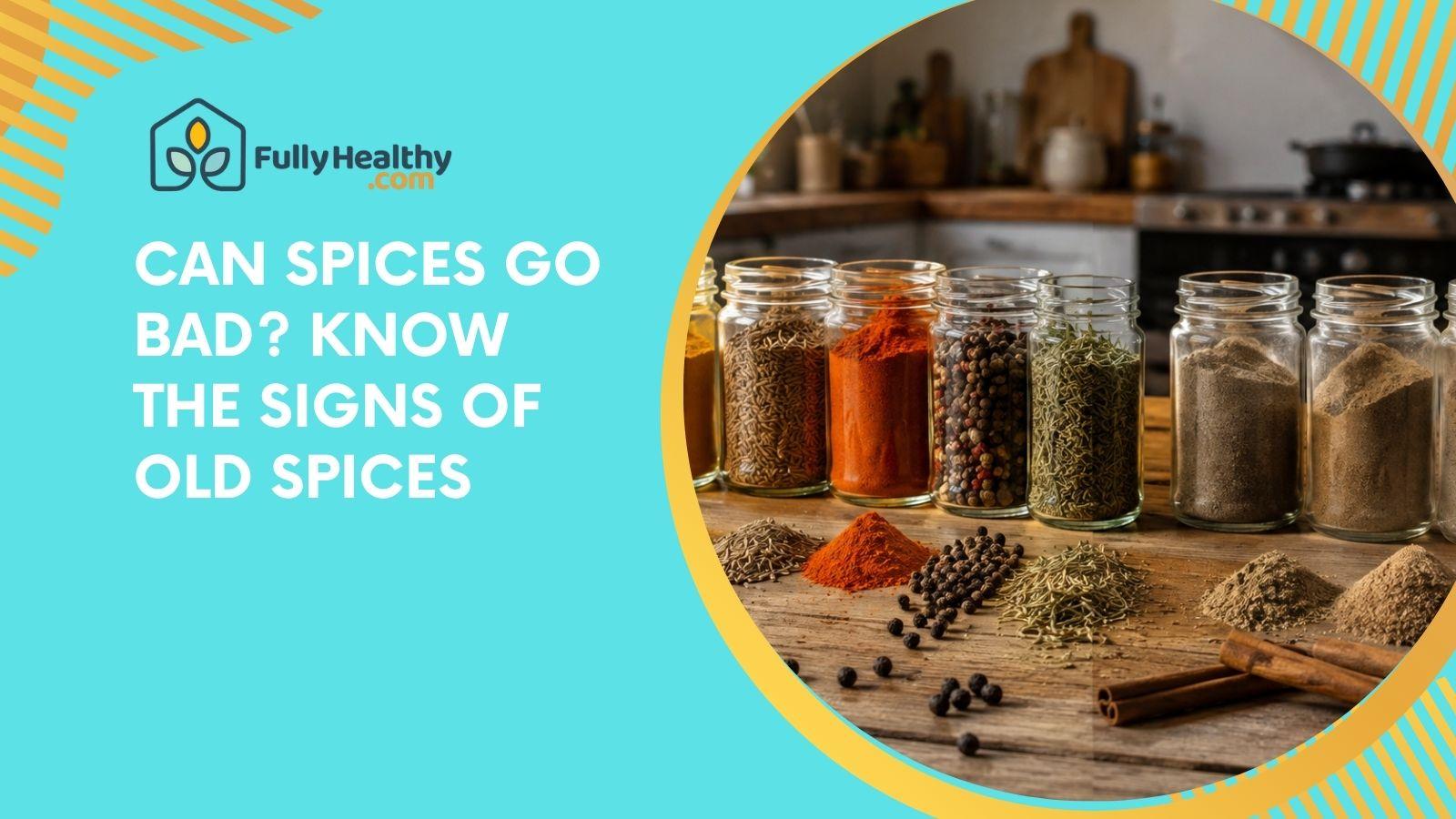
Can spices go bad? Yes. Most properly processed and uncontaminated dried spices lose flavor and aroma during storage without becoming unsafe solely because of age; however, pathogens such as Salmonella can survive for long periods in low-moisture spices, so dryness and normal appearance do not guarantee safety.
A best-by date usually marks peak quality, not a strict safety deadline. Whole spices often last longer than ground ones. Moisture, heat, light, and air can shorten freshness. Mold, bugs, odd smells, or wet clumps mean it is time to throw them away. Proper storage helps spices stay fresh for longer.
Can Spices Go Bad?
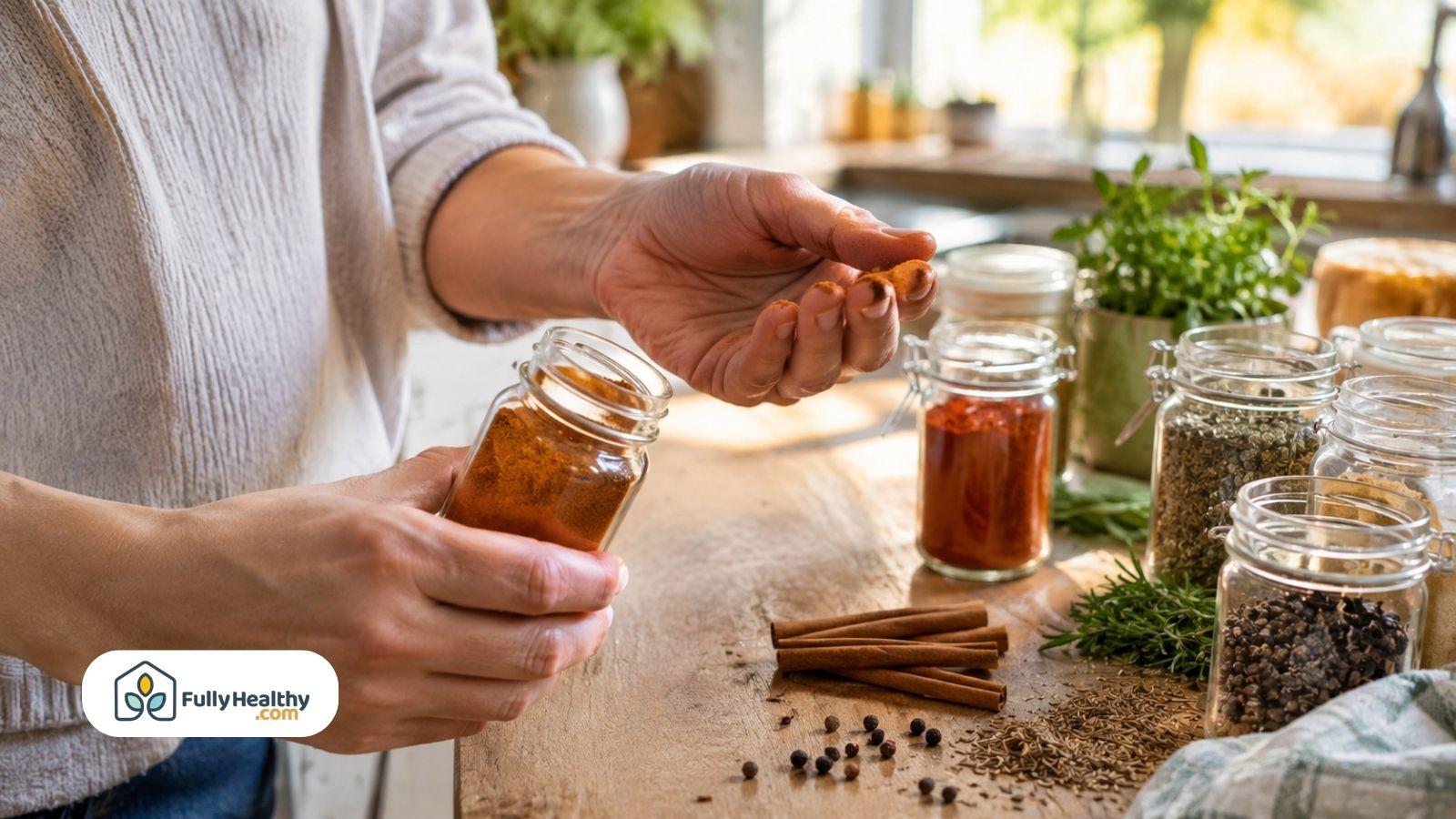
Yes. Most dried spices gradually lose flavor, aroma, and potency over time instead of spoiling in the traditional sense.
For commercially packaged dried spices, best-by dates generally concern expected quality rather than an automatic safety cutoff.
However, ‘shelf life’ should not be treated as synonymous with quality because microbiological and chemical safety also depend on processing, contamination, packaging, and storage conditions. Proper spice storage helps spices last longer and protect taste, freshness, and potency.
Why Can Spices Go Bad Even If They Do Not Become Unsafe Right Away?
Herbs and spices contain aromatic oils, essential oils, and flavor compounds that weaken with age. Heat, air, moisture, and direct sunlight speed this process. Lower flavor potency can make delicious dishes taste flat.
-
Quality Loss: Paprika, turmeric, cayenne pepper, chili powder, basil, rosemary, dried herbs, and dried flowers gradually lose color, taste, and potency.
-
Storage Matters: Store spices in airtight containers; keep spice jars away from heat sources.
-
Safety Signs: Mold, bugs, wet clumps, or sour smells mean it is time to replace the seasoning.
How Long Can Whole And Ground Spices Stay Fresh?
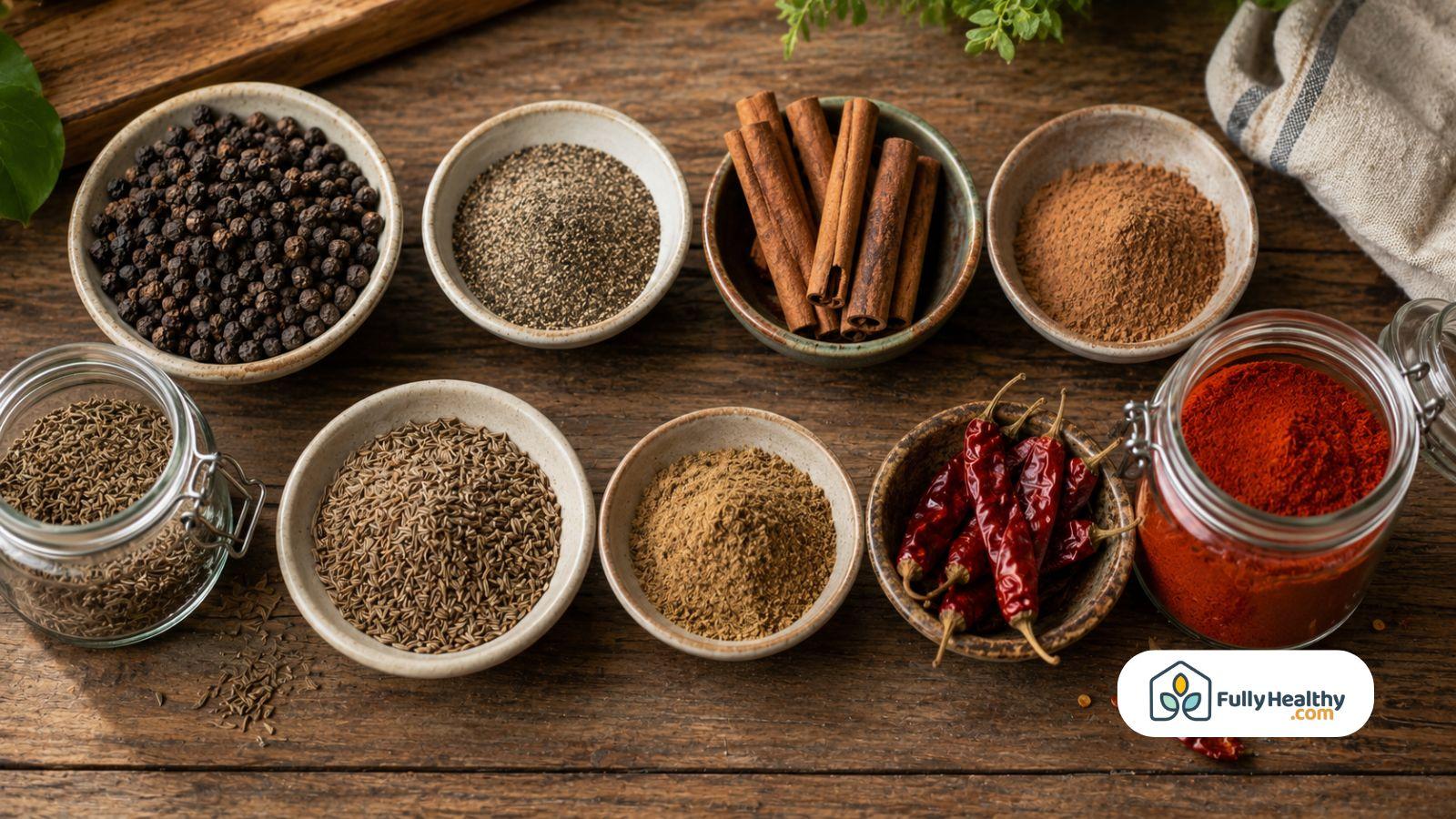
Whole spices usually keep their most potent flavor longer than ground spices. Whole peppercorns, cinnamon sticks, and cumin seeds last about three to four years; pre-ground spices and their ground counterparts often last less.
-
Whole Versus Ground: Black pepper and whole peppercorns often outlast ground pepper because flavor compounds stay protected until grinding.
-
Typical Ranges: Onion powder, cinnamon, cumin, paprika, and other common spices have different spice lives by form.
-
Longer-Lasting Items: Vanilla extract can keep maximum flavor much longer than many seasonings when stored properly.
Is It Okay To Use Expired Spices?
Expired spices may still be usable if stored properly and free from contamination. An expiration date or best-by date usually marks quality, not the moment spices expire. Check each spice blend before use.
Is It Okay To Use Spices After The Best-By Date?
Yes. Normal appearance and smell can indicate acceptable sensory quality, but they cannot establish microbiological safety because pathogenic bacteria or mycotoxins may be present without visible or detectable sensory changes. They may lose their flavor.
-
Check Aroma: Fresh seasonings should smell clear and familiar; a weak aroma often means lower potency over time.
-
Check Appearance: Fading can show age, while damp clumps may signal moisture.
-
Check Storage: A cool, dry spice cabinet helps protect a spice collection.
When Should You Avoid Using An Expired Spice?
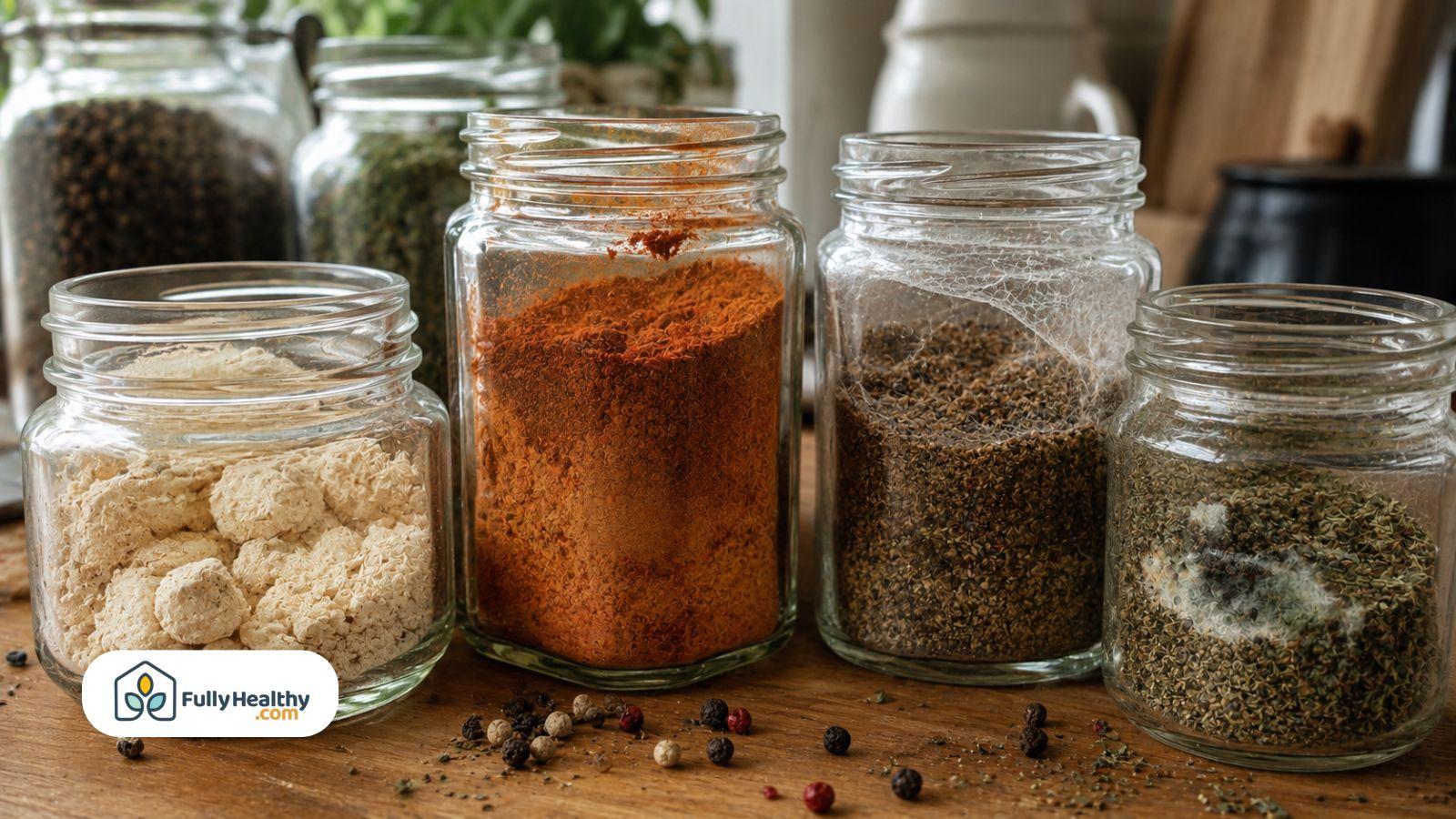
Do not use spices with mold, insects, webbing, wetness, or strange odors. Old spices usually do not make you sick only because they passed a date; contamination changes food safety.
-
Avoid Guessing: Never perform a taste test on moldy, wet, or pest-damaged spices.
-
Protect Freshness: Keep containers sealed and avoid shaking spice jars over steaming food.
-
Use Heat Carefully: Brief toasting may modify or intensify the perceived aroma of some spices, but it should be presented only as a culinary technique, not as a method for restoring freshness or ensuring microbiological safety.
How Do You Know If A Seasoning Has Gone Bad?
Leafy herbs, powdered seasonings, and different spices weaken with age. Separate quality loss from true spoilage.
How Can Smell, Color, And Texture Tell You Whether A Seasoning Is Still Good?
Crush a small amount in your hand and check its aroma. A strong aroma suggests useful potency.
-
Smell: A weak or dusty scent means the spice may have lost flavor and aroma.
-
Color: Heavy fading can show that a spice is past peak freshness.
-
Texture: Damp or sticky clumps suggest moisture exposure and possible spoilage.
How Can Moisture, Mold, Or Rancidity Show That A Seasoning Has Gone Bad?
Elevated moisture and water activity can permit fungal growth, while oxidation of lipid-containing spices can produce foul odors; importantly, molds and mycotoxins may also originate from contamination occurring before or during processing and storage. These signs can show actual spoilage.
-
Discard: Throw away moldy, wet, foul-smelling, or pest-damaged spices.
-
Prevent: Keep your spice collection dry, sealed, and away from heat.
-
Refresh: Replace weak herbs and seasonings when they no longer add enough flavor.
When To Throw Away Spices?
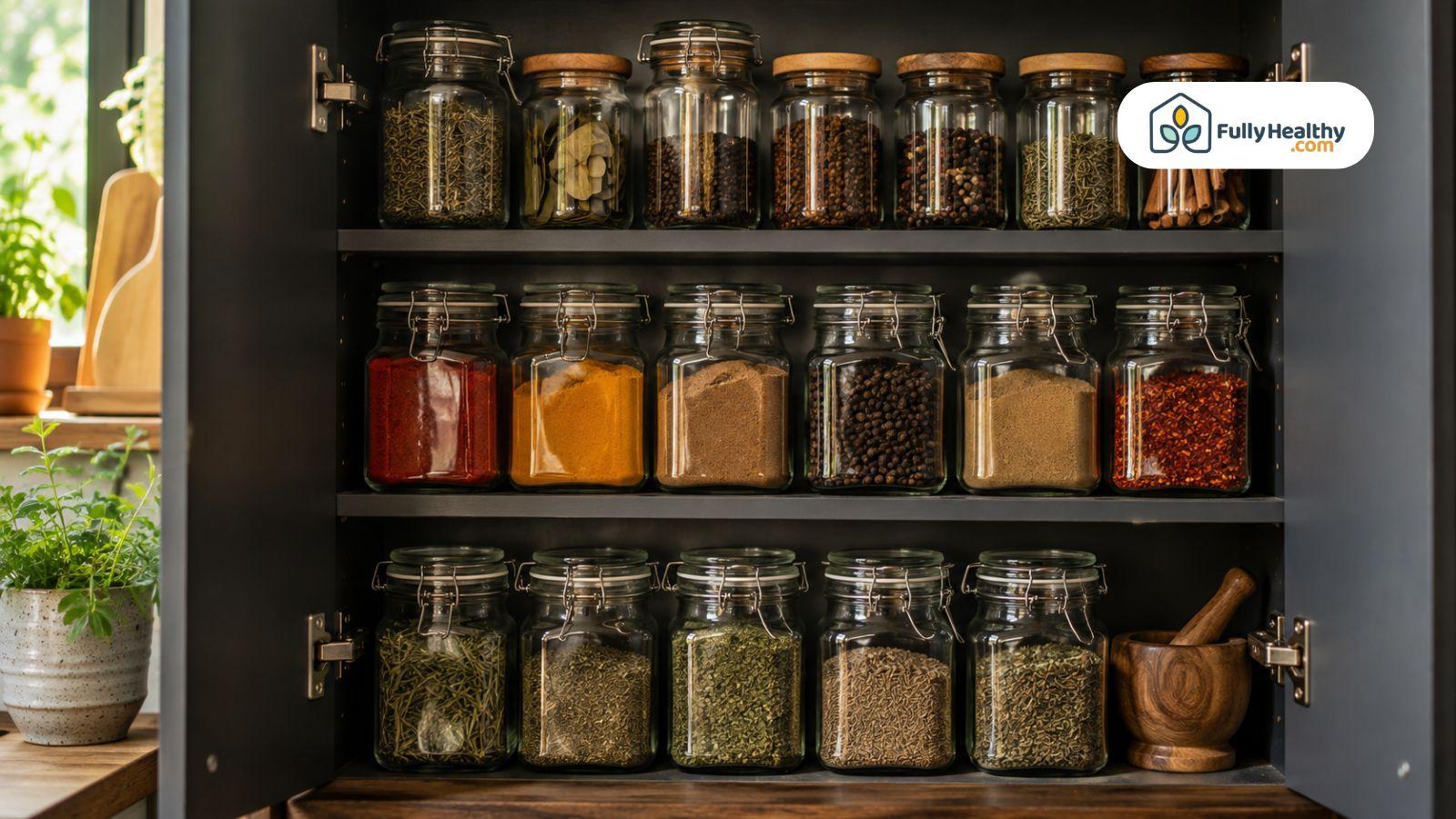
Knowing when to replace spices helps protect flavor and keeps your pantry useful. Age alone does not necessarily make a dried spice unsafe, but aroma, texture, and visible moisture assess mainly quality or obvious spoilage and cannot rule out pathogens or mycotoxins; recalls, package integrity, source, and storage history should also be considered.
When Should You Throw Away Spices Based On Age And Lost Potency?
Manufacturer shelf-life ranges can be used as approximate quality guidelines, but they should not be presented as universal scientific shelf lives; retention of flavor and aroma varies substantially with spice species, particle size, packaging, oxygen exposure, temperature, light, and humidity.
McCormick suggests about three to four years for whole spices, two to four years for ground spices, and one to three years for leafy herbs and most seasoning blends. These ranges are quality guides, not strict safety deadlines.
-
Check The Date: Write the purchase or opening date on the container so you can easily track how long the spice has been in your pantry.
-
Test The Aroma: Crush a small amount between your fingers. If the smell is very weak or missing, the spice may no longer add much flavor.
-
Consider The Age: A spice company notes that spices kept for more than a decade are reasonable candidates for replacement.
-
Review The Storage: Spices stored in a cool, dry, dark place usually keep their quality longer than jars exposed to heat, steam, or air.
When Should You Throw Away Spices Immediately Instead Of Trying To Revive Them?
Some warning signs mean a spice should be thrown away right away. Mold, insects, webbing, visible moisture, and strange smells are stronger concerns than age alone. Do not try to save contaminated spices by heating, toasting, or mixing them into food.
-
Watch For Moisture: Wet, sticky, or heavily clumped spices may show that steam or humidity entered the container.
-
Look For Pests: Bugs, larvae, or webbing are clear reasons to discard the entire container.
-
Check The Smell: Sour, rancid, musty, or unusual odors can signal that the spice is no longer suitable to use.
-
Avoid Risky Fixes: Heating or toasting may improve a stale spice, but it should never be used to rescue a contaminated one.
How Can FullyHealthy Make Specialty Pantry Shopping Easier?
Fully Healthy is an online marketplace that focuses on specialty-diet foods and pantry products. It can help shoppers find useful ingredients in one place instead of searching through several stores. The website also includes a Shop Seasonings collection, making it easier to explore options while refreshing your pantry.
How Can FullyHealthy Help You Shop For Specialty-Diet Pantry Products?
Fully Healthy makes it easier to browse specialty pantry foods from one online store. Shoppers can explore product categories, compare available items, and review individual listings before deciding what fits their needs.
-
Shop In One Place: Browse pantry products and seasonings through a specialty-focused marketplace.
-
Refresh Your Pantry: Find replacement ingredients and new pantry options for everyday cooking.
-
Compare Products: Review product pages before buying so you can choose items that match your dietary preferences.
-
Save Search Time: Using one focused marketplace may reduce the need to visit several different stores.
Which Verified FullyHealthy Products Can You Add To Your Pantry?
The supplied Fully Healthy page confirms several pantry products. These items should be described accurately and should not be presented as spices when they belong to other pantry categories.
-
Coconut Sugar: Big Tree Farms Organic Brown Coconut Sugar and Bob’s Red Mill Organic Coconut Sugar are confirmed products on FullyHealthy.
-
Maple Products: Coombs Family Farms Organic Maple Sugar and Coombs Family Farms Organic Maple Syrup are also listed.
-
Date Sugar: Date Lady Date Sugar is another confirmed pantry product available through FullyHealthy.
-
Shopping Tip: Check each product listing for current ingredients, dietary details, and availability before purchasing.
Final Thoughts
Spices do not usually spoil like fresh food, but they can lose flavor, aroma, and potency as they age. Proper storage in airtight containers, away from heat, light, and moisture, can help them last longer.
Check older spices for weak smells, faded color, clumping, mold, pests, or unusual odors before using them. If you are still wondering can spices go bad, the key is to separate normal quality loss from signs of real contamination.
Faqs
Can I Use 10 Year Old Cinnamon?
A best-by date alone does not establish that old cinnamon is unsafe, but dryness and absence of visible mold or pests cannot confirm safety; a 10-year-old product is well beyond typical quality guidance and its safety cannot be determined from sensory inspection alone.
Are 20 Year Old Spices Still Good?
Spices that are 20 years old are generally far beyond their best-quality range and should be replaced, especially if their aroma, color, or flavor has faded.
Can We Use Expired Oregano And Chilli Flakes?
Oregano and chilli flakes past a best-by date may retain acceptable quality, but dryness, normal odor, and absence of visible mold or pests cannot establish microbiological or mycotoxin safety.
What Are Signs Of Bad Spices?
Signs of bad spices include mold, visible moisture, insects, webbing, unusual odors, heavy clumping, or a major loss of aroma and flavor.Mold, visible moisture, pest infestation, and unusual odors can indicate spoilage or contamination, whereas loss of aroma, flavor, or color primarily indicates declining sensory quality and should not itself be described as evidence that a spice is unsafe.
Can Spices Mold Or Grow Bacteria?
Spices can become contaminated with pathogenic bacteria or toxigenic fungi during cultivation, harvesting, drying, processing, transport, or handling. Low water activity generally prevents bacterial growth in properly dried spices but does not necessarily kill pathogens such as Salmonella, which can persist for extended periods.
Leave a comment