

Can You Eat Butternut Squash Skin? New Safety And Cooking Tips
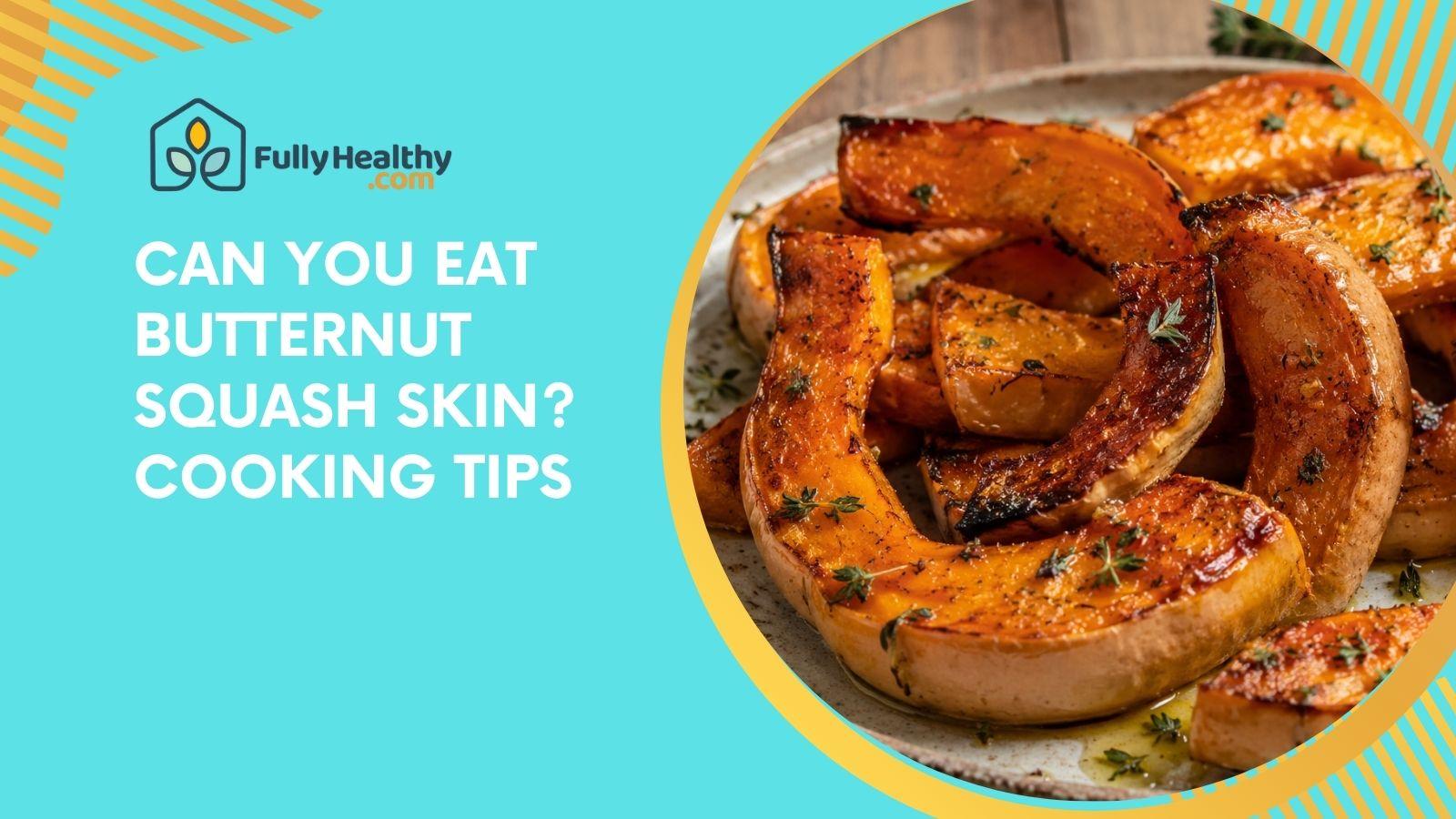
Can you eat butternut squash skin? Yes, you can. If you are wondering, most people can eat the edible skin. A registered dietitian may say it is safe, edible, and adds fiber and antioxidants. The catch is the feel. If you do not cook it right, it can be tough.
It gets softer when you roast it with olive oil on a baking sheet, braise it, or pressure-cook it. For soups or sensitive stomachs, peeling may still be better.
Featured Pantry Pick
Farmer's Market Organic Butternut Squash 15 oz
Loading...
Can You Eat Butternut Squash Skin?
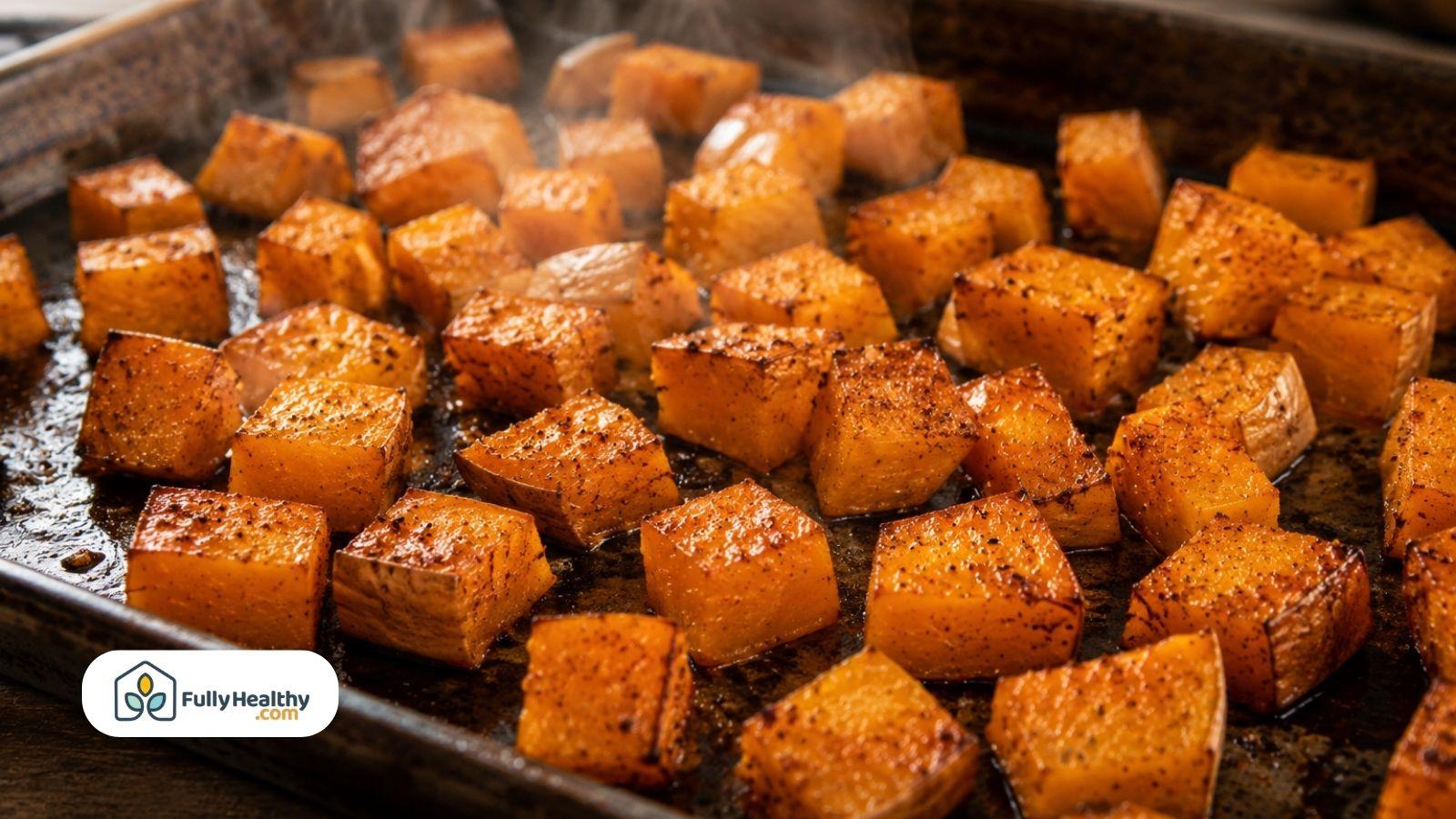
Winter squashes like butternut squash have skins that can be eaten. After washing and cooking it well, you can eat the skin. The texture is the main problem. It might be hard to chew if the skin is too thick or not cooked enough.
Quick Answer: Can You Eat Butternut Squash Skin?
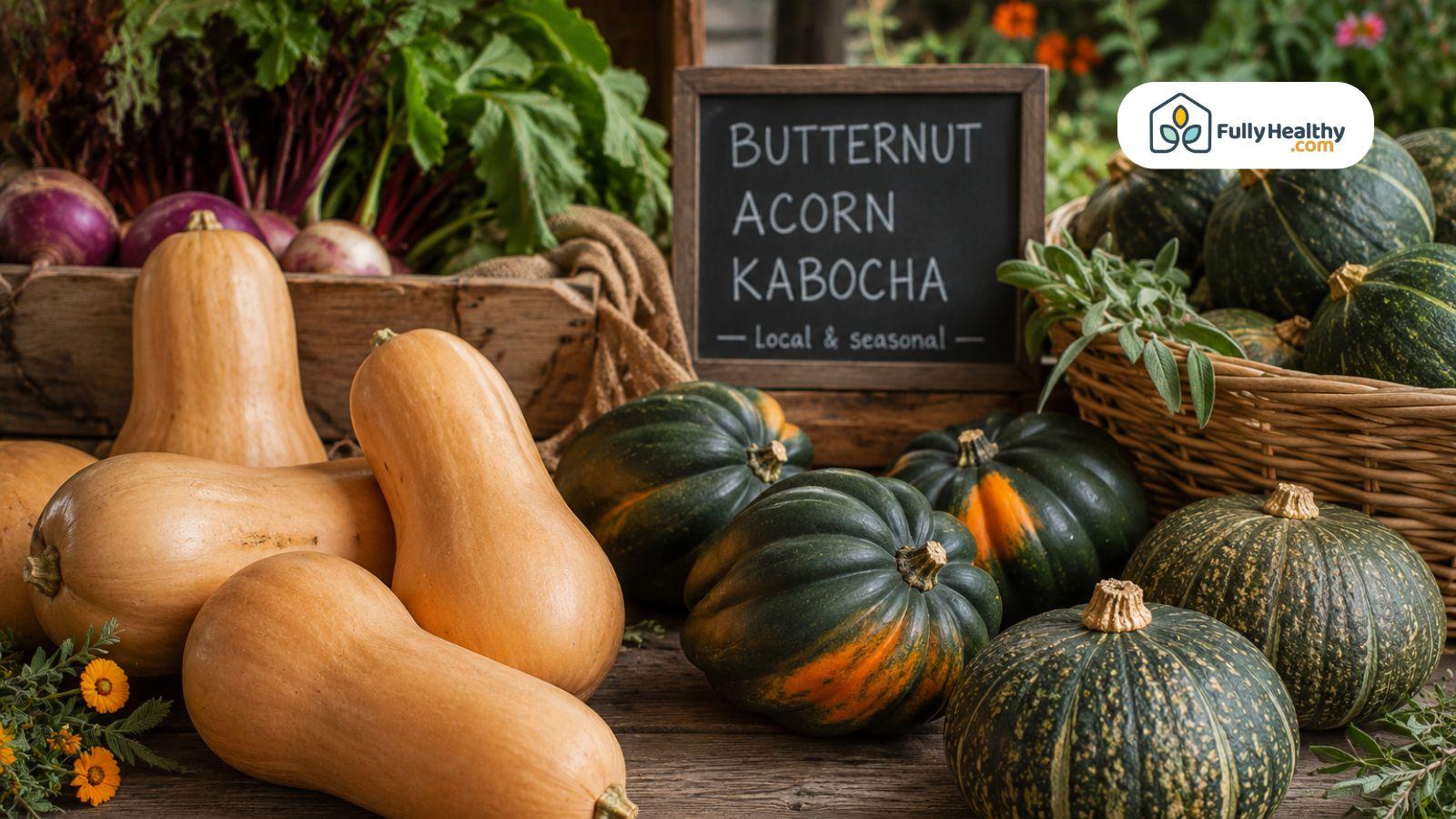
For most people, washed and properly prepared butternut squash skin is safe to eat, though it may be tough or hard to digest. It's easier to eat squash that is small and has thin skin. You can eat the skin of acorn squash and kabocha as well. The skin on spaghetti squash is often too tough and flaky.
-
Best Choice: Pick a small squash with thin skin for better texture.
-
Avoid Raw Squash: Raw squash skin is tough and not pleasant to eat.
-
Check Texture: Cook until the flesh is soft and a fork slides in easily.
Best Ways To Cook The Skin So It Tastes Better
One of the easiest ways to soften the skin and make the food taste better is to roast it. The squash should be cut up, the seeds should be taken out, and then it should be baked. Before you bake, add vinegar, salt, pepper, herbs, and spices.
-
Roasting Tip: Bake in the oven until the skin is tender.
-
Flavor Idea: Toss cubes with cinnamon, paprika, maple syrup, or brown sugar.
-
Serving Tip: Serve roasted squash as a delicious fall or winter side dish.
Is The Skin Of Butternut Squash Good For You?
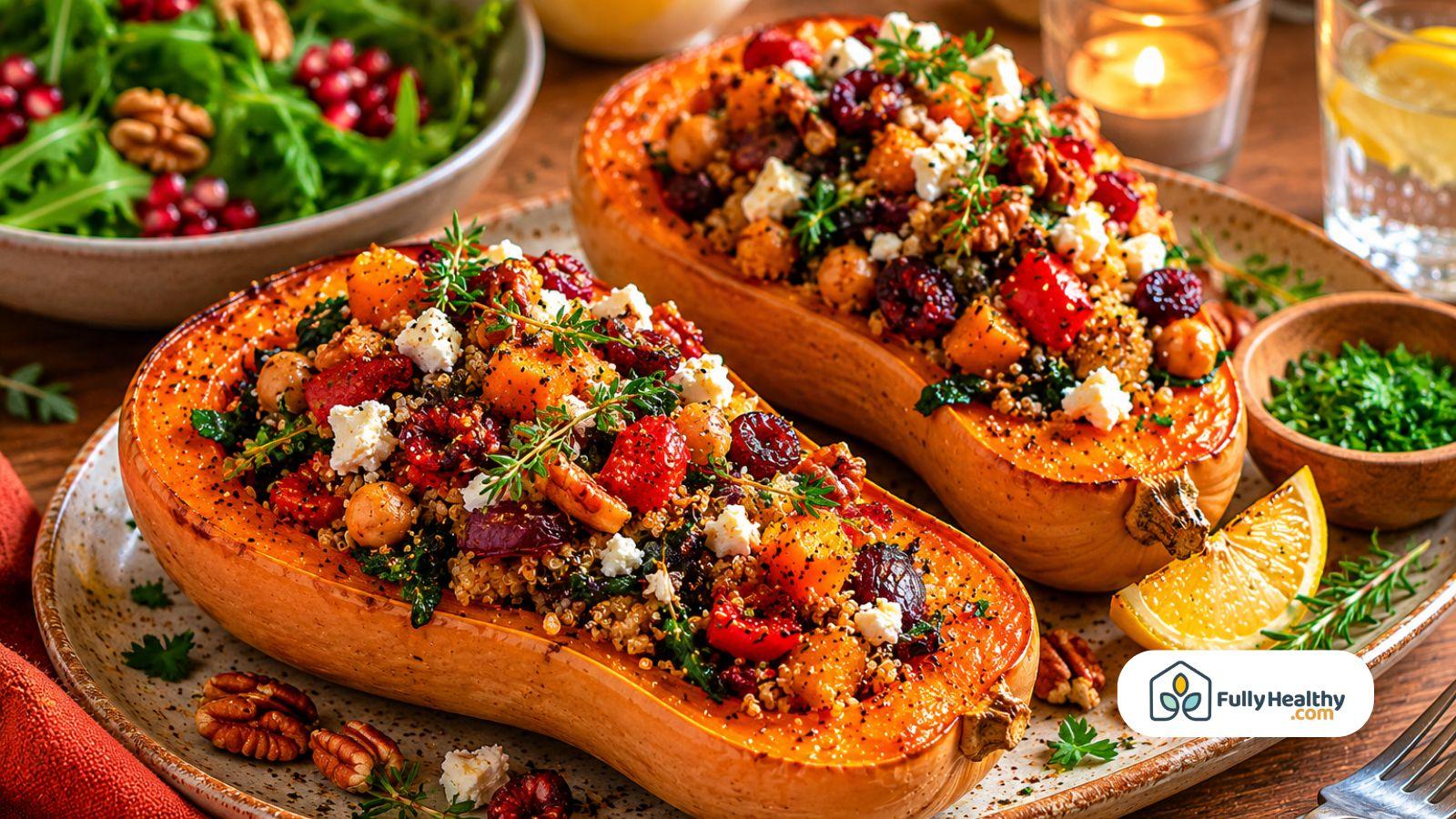
Some people can benefit from eating the skin of a butternut squash. Adding more fiber, vitamins, and plant compounds makes it better. An RDN might tell you to keep the peel because it can help your immune system and digestion.
Nutrients Found In Butternut Squash Skin
Butternut squash skin contains fiber and antioxidant compounds; vitamin A and vitamin C are better attributed to the whole squash rather than specifically the skin. These nutrients can help keep your eyes, immune system, and digestive system healthy. Also, keeping the peel helps cut down on food waste.
-
Fiber Benefit: More fiber can help you feel full for longer.
-
Vitamin Benefit: Vitamin A and vitamin C help support the immune system.
-
Simple Tip: Wash the whole squash well before you chop or bake it.
How May The Peel Support Digestion And Blood Sugar?
Fiber may slow digestion and moderate post-meal blood sugar response, but effects depend on portion size and the overall meal. It is easier to digest cooked skin than raw skin, especially if you roast it until it gets soft.
-
Digestion Tip: Cut the squash into thin slices or small cubes to make it easier to chew.
-
Recipe Tip: Blend roasted squash into soups if you dislike the skin’s texture.
-
Sensitive Stomach Tip: Peel the squash if thick skin causes discomfort.
Is It Safe To Eat Unpeeled Butternut?
Most people can eat unpeeled butternut squash after washing; cooking mainly improves tenderness and palatability. Before cutting, the skin needs to be washed. Also, it should be cooked until soft, not raw or chewy.
When Unpeeled Butternut Squash Is Safe?
When squash is clean, soft, and fully cooked but not peeled, it is safest. Carefully cut it up on a cutting board and roast it until the flesh is soft.
-
Food Safety Tip: Wash the skin to remove dirt before cooking.
-
Cooking Tip: Roast the half or slices until a fork goes through easily.
-
Texture Tip: Thin slices soften faster than thick chunks.
Who May Want To Avoid The Skin?
The skin can be chewy, which some people might not like. Also, people whose stomachs are sensitive might feel better if they only eat the flesh. So, first cook the squash and then scrape or scoop out the soft inside.
-
Best Option: Peel it if the skin feels too tough to chew.
-
Gentle Choice: Scoop out the flesh for soups, purees, and soft recipes.
-
Try Slowly: Start with a small amount to see how it tastes and feels.
Does Butternut Squash Need To Have Skin Removed?
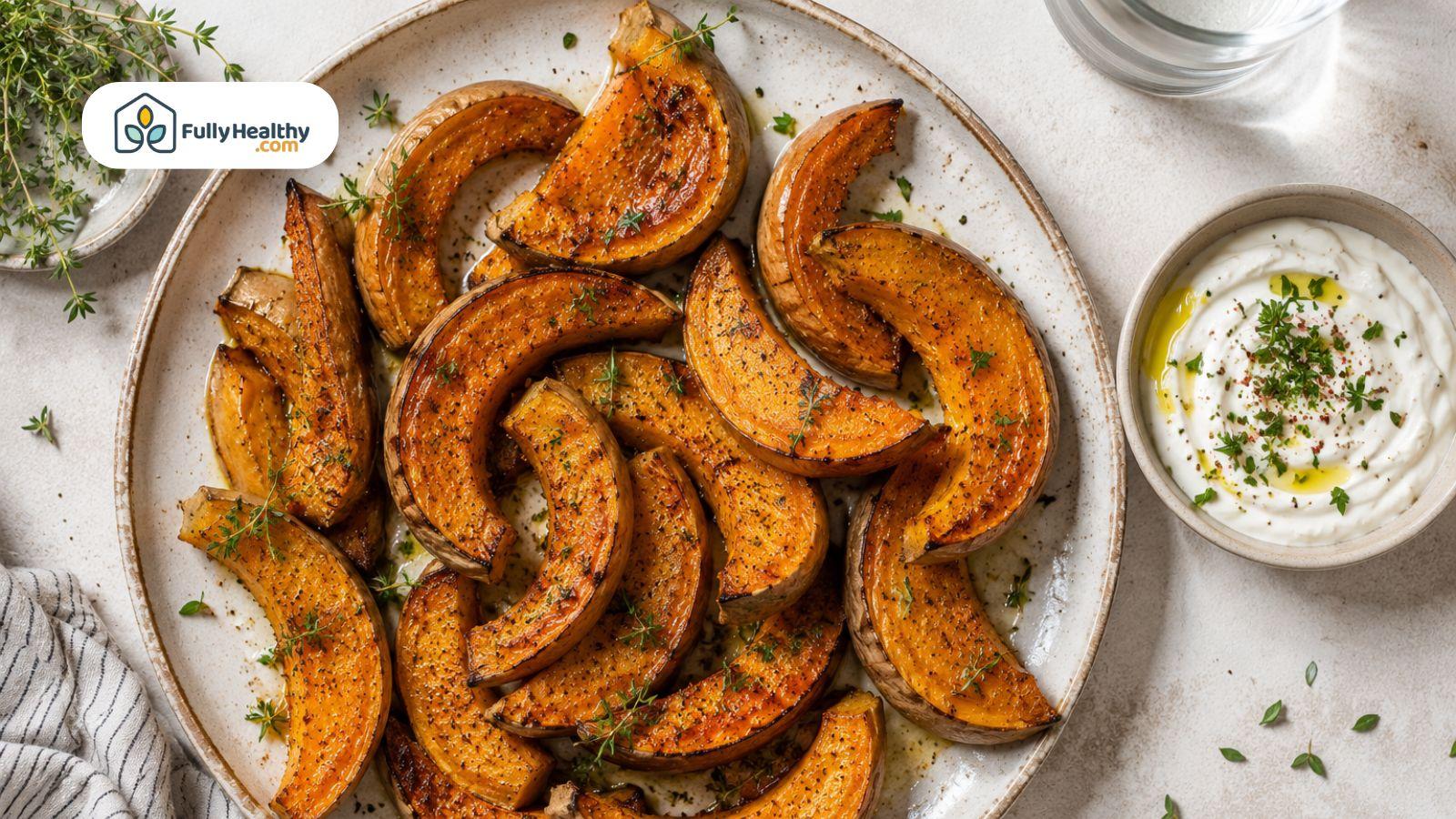
Butternut squash doesn’t always need to be peeled. What you want the texture to be is what the recipe says. After being roasted, the skin of some winter squash gets soft. However. skin that is thicker might stay chewy. When you're done cooking the butternut squash, you can take off the peel.
When You Can Leave The Skin On?
If the squash is small or has a thin skin, leave the skin on. Adding texture can save time and cut down on waste. When you roast something, it gets a sweet, tasty taste like pumpkin.
-
Best Use: Leave the peel on for roasted wedges, cubes, or simple side dishes.
-
Texture Tip: Thin winter squash skin softens better than thick skin.
-
Flavor Tip: Roasting makes the squash sweet, rich, and tasty.
When Is Peeling Still The Better Choice?
If you want smooth recipes, peeling is better. Most of the time, soups, sauces, purees, and stuffed squash taste better when the skin isn't chewy. Prior to cooking, use a vegetable peeler or roast the vegetable and then take out the soft flesh.
-
Best Recipes: Peel the squash for creamy soups, purees, and smooth sauces.
-
Helpful Tip: Roast first if peeling raw squash feels hard.
-
Texture Check: Remove the skin if it still feels tough after cooking.
What Does Fully Healthy Offer For People Cooking Butternut Squash Skin?
For people on special diets, Fully Healthy is an online store for you. It has foods that are autoimmune protocol (AIP), gluten-free, and good for people with allergies. This article can help people who want to know how to season and serve squash in the summer or fall with simple, clean ingredients.
How Fully Healthy Supports Specialty-Diet Cooking?
Shoppers can use Fully Healthy to find foods that fit certain diets without having to read every label. These are useful for people who want easy-to-find foods for soups, side dishes, and roasted squash.
-
Diet Support: Fully Healthy offers foods for AIP, gluten-free, and allergen-aware eating.
-
Meal Help: The site shares products that can support easy home cooking.
-
Shopping Benefit: It makes it easier to find pantry items for restricted diets.
Products That Can Pair With Butternut Squash Recipes
Pumpkin and simple pantry items go well together. Many special diets can be met by Fully Healthy's seasonings, baking supplies, snacks, and natural sweeteners.
-
Flavor Pairings: Maple-based products and spices can add a warm, sweet taste.
-
Recipe Ideas: Use seasonings for roasted squash, stuffed squash, or side dishes.
-
Simple Tip: Keep basic spices and sweeteners ready for quick, tasty meals.
Final Thoughts
For many people, including those with diabetes, butternut squash can be a healthy choice. When eaten in the right amounts, it may help keep blood sugar levels steady because it has fiber, vitamin A, and other nutrients. It tastes sweeter after being roasted, so you don't need to add much sugar. Usually, butternut squash has fewer carbs than sweet potatoes, and it may not have as much of an effect on blood sugar. To make a healthy meal, watch your portions, cook it in a healthy way, and eat it with protein or healthy fats.
FAQs
Can Diabetics Eat Roasted Butternut Squash?
Yes, diabetics can eat roasted butternut squash because it contains fiber and nutrients that may help slow sugar absorption when eaten in moderate portions.
Which Is Better For Diabetics, Sweet Potato Or Butternut Squash?
Butternut squash is often better for diabetics because it usually contains fewer carbohydrates and calories than sweet potato.
What Is The 3-Hour Rule In Diabetes?
Remove or define with a specific clinical source; ‘3-hour rule’ is not a standard universal diabetes guideline.
Does Butternut Raise Blood Sugar?
Butternut squash can raise blood sugar slightly because it contains carbohydrates, but its fiber helps slow digestion and reduce sharp spikes.
Which Is Healthier, Carrots Or Butternut Squash?
Both are healthy; carrots generally provide comparable or more fiber per 100 g and are also low in carbohydrates, so avoid claiming butternut squash is gentler for blood sugar.
Leave a comment