

Can You Eat Mango Skin? A Healthy Peel or Trouble?
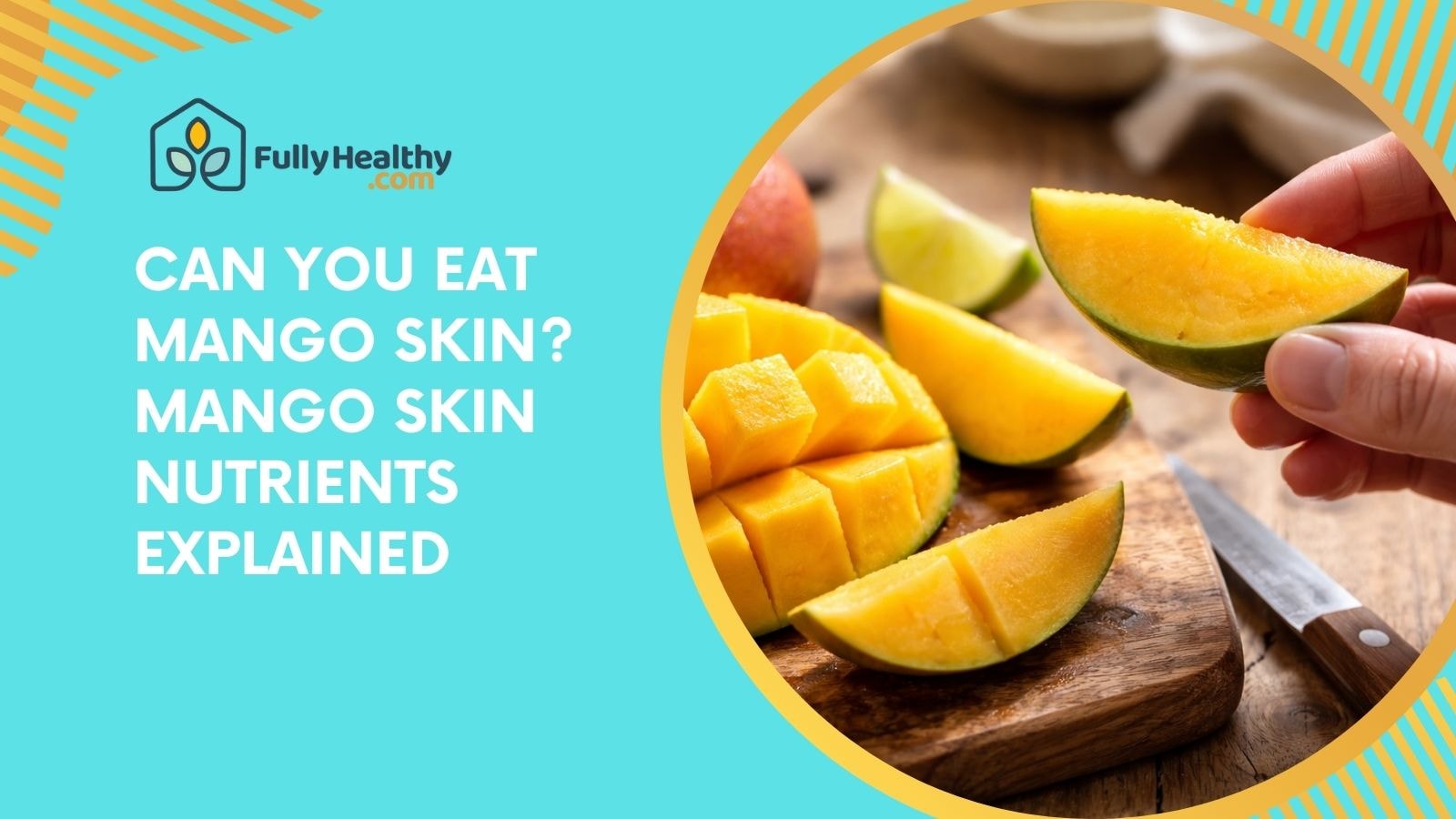
Can you eat mango skin? There is, but most people choose not to. Despite having fiber and antioxidants, the peel tastes bitter, is tough, and may cause allergic reactions. Some skins also have chemical residue from pesticides. How to eat mango skin safely, if at all, is explained in this article. Get advice from professionals first.
Featured Snack Pick
Solely // Mango Halves - 8 oz
Loading...
Can You Eat Mango Skin?
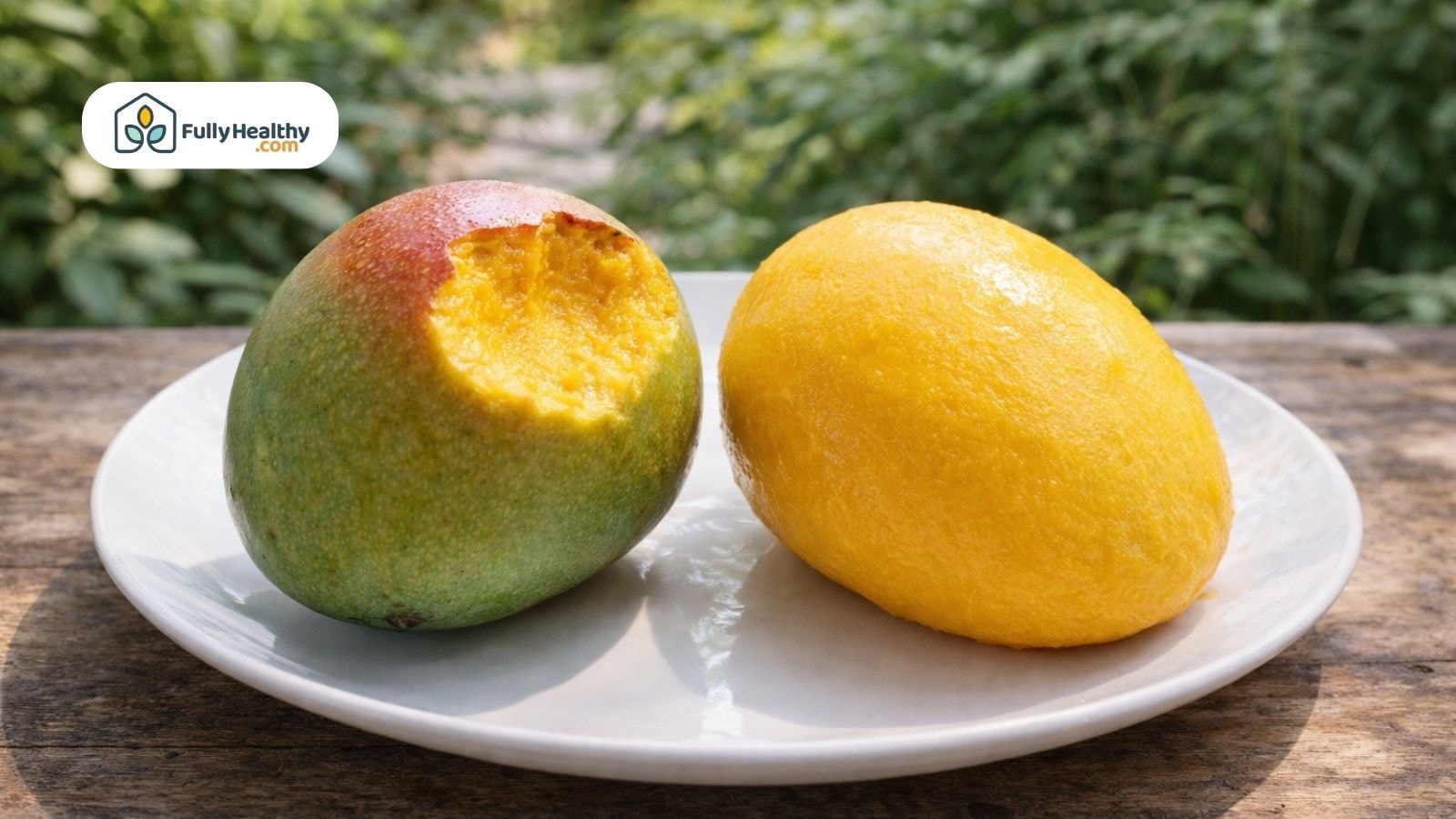
The skin of a mango can be eaten and is occasionally consumed in certain Indian preparations, but it's not a common practice. Fiber, polyphenols, and vitamins are just a few of the good things that are in it.
Most people don't eat it, though, because it's tough and tastes bitter. Also, it has urushiol in it, which is the same chemical that is in poison ivy and poison oak and can make people with allergies sick. The good for your health benefits are real, but the bad things make many people think twice.
What’s Actually Inside Mango Skin—And Is It Safe?
There are a lot of good plant chemicals in mango peel. It has antioxidants in it, such as polyphenols and carotenoids, which may help reduce swelling and risk of cancer. In addition, it gives you fiber and vitamins that your body needs. Some people, especially those with allergies, can't handle it well, though.
-
Rich in Antioxidants: Packed of polyphenols and carotenoids that help your body fight off illness.
-
High in Dietary Fiber: Helps your body digest food and makes you feel full longer.
-
Loaded with Vitamins: It has immune-boosting vitamins A, C, E, and B6 in it.
-
Possible Allergens: Contains resorcinol compounds, chemically similar to urushiol, which may cause allergic reactions in sensitive individuals.
-
Better Choice: Organic Mangoes: Lowers the chance of being exposed to pesticides.
Why Mango Skin Turns Most People Off
Most people still avoid eating all the skin of mango, even though it has a lot of health benefits. It feels rough, and the bitter taste isn't good. Also, pesticide residues are a worry, especially in non-organic mangoes.
-
Bitter Skin: It is hard to enjoy because it is naturally bitter.
-
Tough to Chew: You can't easily cut through the skin.
-
Pesticide Residues: Washing mango skin significantly reduces pesticide residues but may not eliminate them entirely.
-
Allergy Risk: Some people may have allergic reactions to poison ivy or poison oak.
-
Not a Common Habit: Most places in the world don't eat the peel.
What Fruit Can You Not Eat the Skin Of?
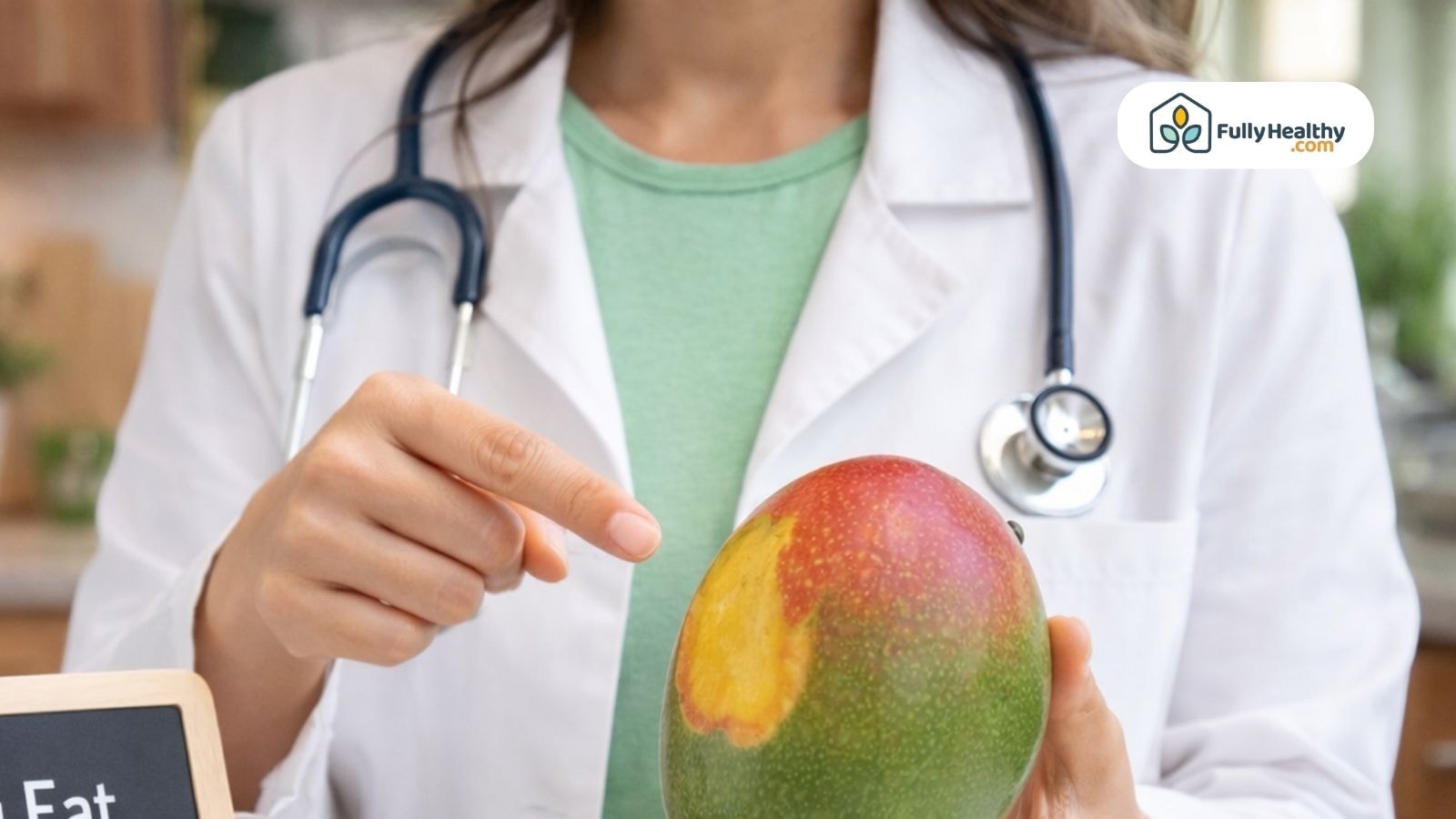
Not all fruit skins are edible. Some aren't rough enough or come with too many risks. You can eat fruits like apples, peaches, and strawberries with their skins on, but you need to peel other fruits first. That fruit is the mango.
Tropical Fruits You Should Always Peel
Mango, banana, and pineapple have tough skins, and lychee skin is inedible and should be removed due to potential toxicity. It's easier and safer to eat these after taking off the skin.
-
Hard to Digest: The thick skins may make your stomach hurt.
-
Bitter Taste: The peel of a mango naturally tastes bitter.
-
Unpleasant Texture: They are tough to chew because they feel like leather.
-
Not Enjoyable: Feeling and tasting don't add to the experience of fruit.
When Fruit Skins Do More Harm Than Good
The fruit peel may contain more than just nutrients; it may also contain chemicals that you don't want. Many non-organic fruits are sprayed with pesticides, and their tough skins can hold on to the chemicals.
-
Sprayed Surfaces: A lot of fruits have chemicals on their skins that stay there.
-
Hard to Wash Completely: It's hard to clean skins that are bumpy and uneven.
-
More Risk Than Benefit: The skin hurts some fruits more than it helps.
-
Best to Peel: Mango and avocado are better off when they are peeled.
Is It Good to Eat Mango Skin?
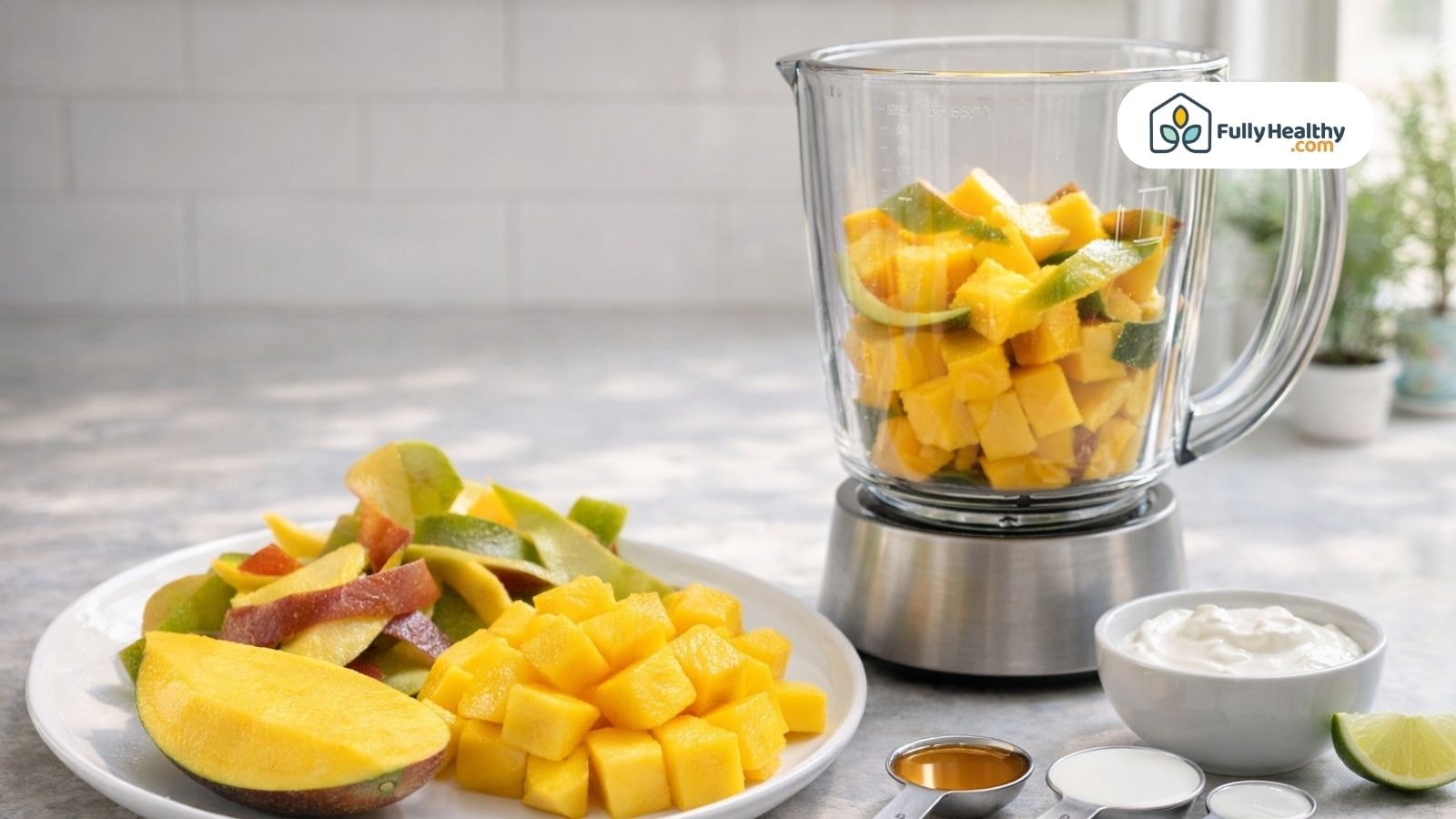
Mango skin is good for you in real ways. It has fiber, antioxidants, and plant nutrients that are good for you. It might be a good habit for some people. However, some people should not eat the peel, especially those who have allergies or trouble digesting food.
Nutritional Benefits Worth Knowing
It can help your diet if you're not allergic to it and don't mind the way it tastes. Another good example of how to cut down on food waste is this.
-
Fiber-Rich: Helps digestion and might help keep blood sugar in check.
-
Full of Vitamins: Includes nutrients that are good for your skin and immune system.
-
Disease-Fighting Compounds: Antioxidants have been linked to a lower risk of cancer and inflammation.
-
May Improve Heart Health: Animal studies suggest mango peel powder may reduce triglycerides and LDL cholesterol, but human evidence is limited.
-
Supports Sustainability: Fruit waste can be cut down by eating the skin.
When the Health Perks Aren’t Worth It
A lot of people don't want to do it because the skin is bitter and they might have an allergic reaction. Other fruits can give you the same nutrients without these risks.
-
Unpleasant Taste: The bitterness often takes away from the sweetness of the mango.
-
Allergy Trigger: Itchy skin and rashes can be caused by urushiol, especially on the lips.
-
Hard to Blend: Even in smoothies, the strong bitterness of mango skin may still be noticeable for some people.
-
Not Worth the Trouble: The peel is not something most people want to eat.
-
Plenty of Alternatives: Fruits that are easier to eat, like apples and peaches, have the same health benefits.
Is Mango Skin Hard to Digest?

Some people can't digest mango skin easily, even though it has healthy nutrients. The flesh is soft, but the skin is thick and rough. It also has a lot of fiber, which is good for you in small amounts but might be too much for people with sensitive stomachs. Even though it might seem like a good habit, most people don't eat skin because it tastes and feels bitter.
Texture and Fiber Content Make Digestion Tough
The skin is harder to chew and break down because it is made of fibers. In some cases, it might feel like chewing paper. It's good for your gut to eat fiber, but too much at once, especially from tough peels, can be uncomfortable.
-
Hard to Chew: The peel is tough, not yielding like the juicy flesh.
-
High in Fiber: Eating a lot of it might make your stomach hurt.
-
Bitter Skin Taste: After eating, the strong, unpleasant taste may still be there.
-
Not Ideal for Everyone: Could be bad for digestive systems that are already weak.
-
Generally Avoided: It's easier and tastes better for most people to skip the peel.
Tips to Improve Digestibility (If You Still Want to Try It)
If you want to try mango skin, it helps a lot to get ready. It's easier to digest and tastes better when you cook or blend the peel. The best way to avoid pain is to use a small amount.
-
Blend into Smoothies: Smooths out the texture and hides the bitterness.
-
Try Cooking the Skin: Makes the peel softer and the strong taste less strong.
-
Use a Small Amount: Watch your body as you start with less.
-
Add Spices or Sweeteners: Makes the taste better and safer for the whole family.
-
Always Wash Thoroughly: It helps get rid of pesticides before you eat.
What Does Fully Healthy Offer for People With Dietary Needs?
People who want clean, allergy-safe, and gut-friendly foods can use Fully Healthy. Checking every label takes time, but this site saves you time. It was made for people on special diets or who just want to stay away from bad things like bitter fruit peels. The site helps you shop for healthy foods for yourself or your family without having to guess.
What Kind of Shoppers Is FullyHealthy Built For?
This online store helps people who need to follow special diets like the Autoimmune Protocol (AIP), the Paleo diet, or the gluten-free diet. Also, it's great for people who want to stay away from processed foods, added sugars, and ingredients that sound like spam on the internet. Each item has a clear label, which makes shopping easy and clear.
-
Supports Special Diets: Ideal for people who follow the AIP, gluten-free, or allergen-free lifestyles.
-
Great for Families: Products are good for both kids and adults who can't eat certain foods.
-
Simple Shopping Experience: Diet makes it easy to search, sort, and look around.
-
Removes the Guesswork: Labels that are clean make it easy to locate everything.
-
Trustworthy Resource: Thanks for the comments and reviews, customers.
Any Products Useful for Mango Peel Eaters or Health-Conscious Shoppers?
Even though FullyHealthy doesn't sell mango skin itself, they do sell foods that fit with a healthy lifestyle. You can use small amounts of their ingredients with mango peel in smoothies or cooking.
-
Natural Sweeteners: Like coconut sugaror date sugar to balance out the bitterness of the mango peel.
-
AIP-Friendly Baking Mixes: Great for making healthy treats with blended peel.
-
Clean Seasonings: Useful for making food taste better when cooking mango skin.
-
Helpful Blog Posts: Without any spam or filler, each post has relevant tips.
-
Smooth Online Experience: Making an account is easy, and you can shop based on your dietary needs.
Final Thoughts
So, can you eat mango skin? It's true, but most people stay away from it because it tastes bitter, feels rough, and contains urushiol, which is a sign of possible allergies like poison ivy. Mango skin has fiber and nutrients, but it's not always the most tasty part of the fruit.
What if you still want to try it? Small amounts can be blended. Just wash it well and pick organic food if you can. Go to an online health page you can trust for more tips.
FAQs
Why don't we drink water after eating mango?
The idea that drinking water after mango causes discomfort is a myth without scientific basis.
What should you avoid after eating mango?
There is no scientific evidence that cold water or spicy food interacts harmfully with mango; such claims are anecdotal.
What is the correct way to eat a mango?
Peel off the mango skin, eat the flesh, and avoid the bitter skin unless cooking or blending it sounds tasty to your family.
What part of a mango is safe to eat?
The soft flesh is safe to eat, but the presence of urushiol in the peel is a sign some parts may not suit every person.
Is mango high in sugar?
Yes, mango is high in natural sugar, which makes it tasty, but keep it in a small amount if watching sugar on your account or post.
Leave a comment