

Can You Eat Raw Mushrooms Safely or Should You Cook Them?
Can you eat raw mushrooms and still stay healthy? Yes, but not always or with every type. Some fresh mushrooms are safe to eat raw, but others are not and are better cooked for safety and digestion. Read this article to learn about when cooking mushrooms matters, which mushrooms are safe to eat raw, and how preparation affects taste, nutrients, and risk.
Featured Pantry Pick
Wild Zora // Instant Soup Mushroom Beef with Mushrooms Pumpkin Turmeric - 0.5 oz
Loading...
Is It Safe to Eat a Raw Mushroom?
Store-Bought vs. Foraged Mushrooms
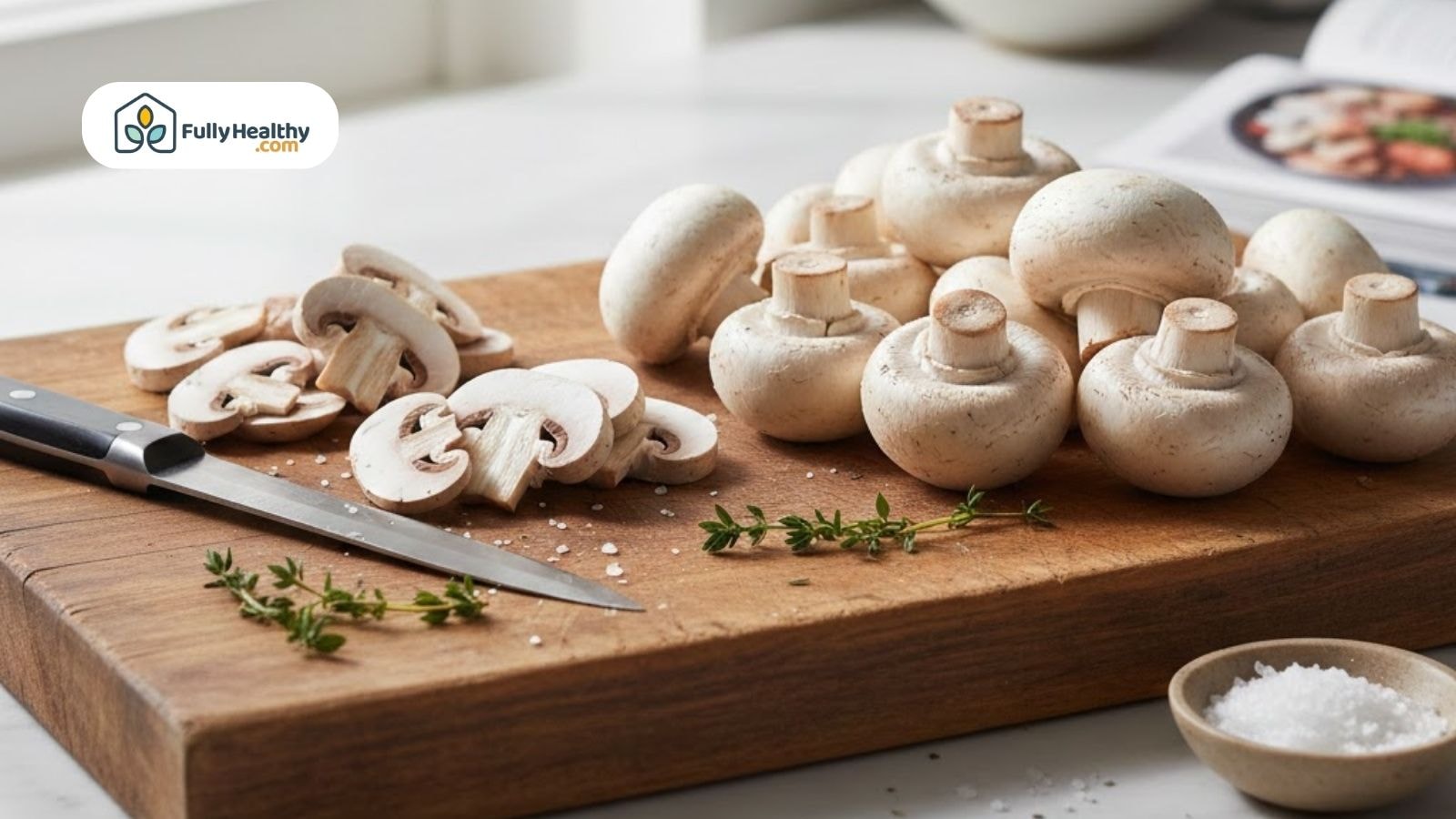
Mushrooms that are sold fresh in grocery stores are grown in controlled conditions, and people often eat them raw in small amounts. On the other hand, wild mushrooms are much more dangerous because they are hard to identify correctly, and not all mushrooms are safe to eat raw even if they appear edible.
-
Commercial sources: Button mushrooms, white button mushrooms, cremini mushrooms, portobello mushrooms, oyster mushrooms, and shiitake mushrooms from grocery stores are intended for consumption.
-
Wild risk: Wild mushrooms may contain toxins that remain harmful when eaten raw and can cause serious health issues.
-
Identification: Proper identification of mushroom species requires expert knowledge and still carries risk.
-
Good practice: Reputable sources advise avoiding raw consumption of wild mushrooms entirely.
Compounds That Affect Safety and Digestion
Raw mushrooms contain naturally occurring compounds that affect how humans digest raw mushrooms, especially chitin and agaritine. These compounds, combined with possible harmful bacteria on the surface, explain why eating raw mushrooms safe advice often recommends moderation.
-
Tough cell walls: Chitin creates tough cell walls that the digestive system struggles to break down.
-
Agaritine levels: Agaritin compounds are present in button mushrooms, white button, cremini, and portobello mushrooms.
-
Digestive response: Some people experience discomfort when mushrooms are eaten raw.
-
Higher-risk groups: Pregnant people and those with a weakened immune system are often advised to avoid raw consumption.
Are Mushrooms Healthier, Cooked or Raw?
How Cooking Changes Nutrient Absorption
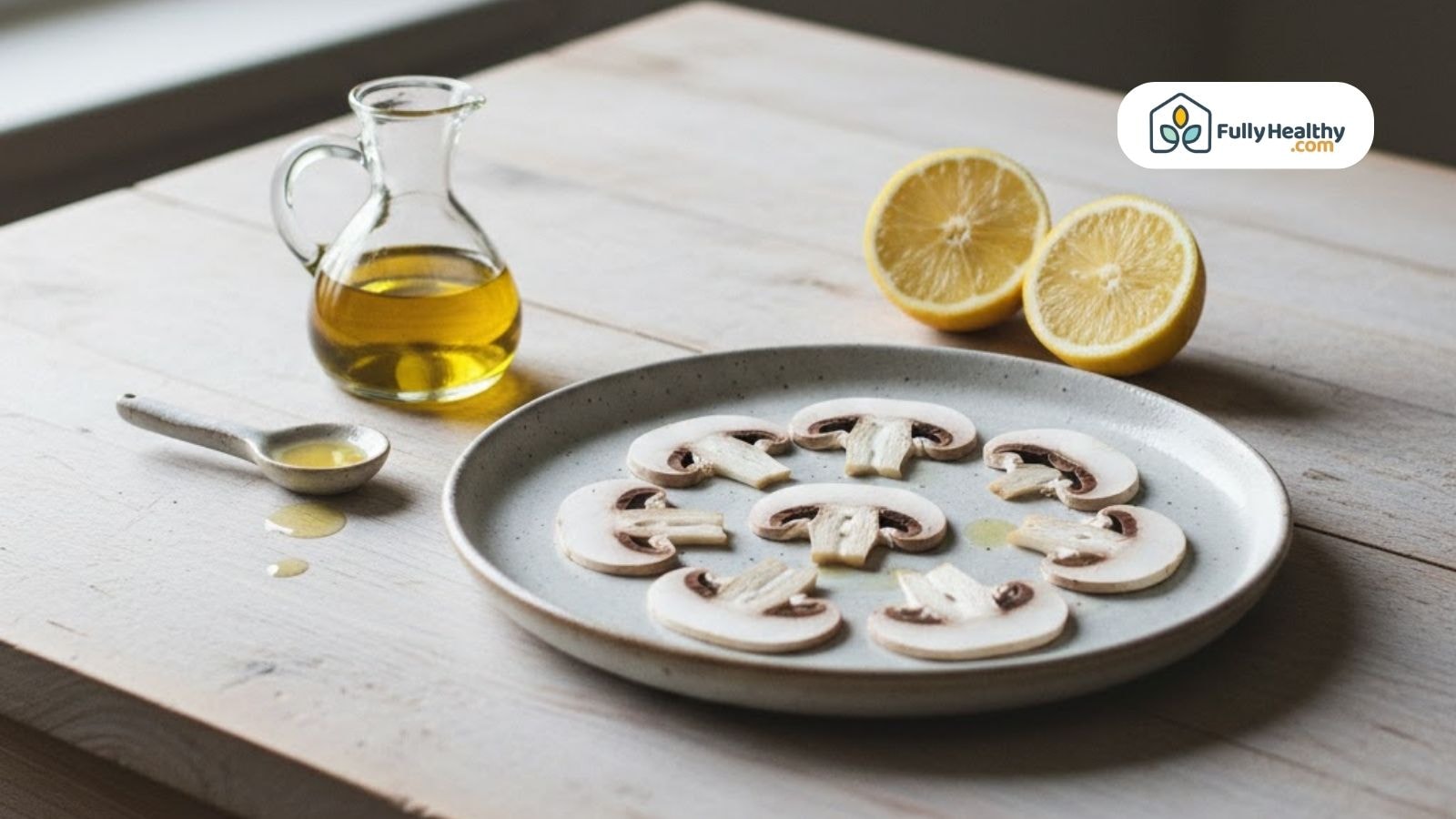
When mushrooms are cooked, their structure changes in a way that makes it easier to digest them and get their nutrients. The heat used in cooking mushrooms breaks down tough cell walls, which helps nutrients get through the digestive system more quickly.
-
Cooking helps break: Heat breaks down chitin, making mushrooms easier for humans to digest.
-
Essential vitamins: Cooked mushrooms provide better access to B vitamins, including pantothenic acid.
-
Nutritional benefits: Cooking supports more consistent nutritional outcomes than raw mushrooms.
-
Mushroom varieties: Shiitake mushrooms, oyster mushrooms, and cremini respond especially well to heat.
What Cooking Reduces or Removes
Applying heat lowers agaritine levels and reduces microbial risk on fresh mushrooms. Proper cooking is considered the most efficient way to reduce risk while preserving nutritional value.
-
Reduce agaritine levels: Cooking lowers agaritine levels found in several mushroom species.
-
Harmful bacteria: Heat reduces the chance of harmful bacteria surviving on mushrooms.
-
Cooking methods: Stir fries, soup, frying, boiling, and roasting at high heat are effective.
-
Safe to eat: Proper cooking improves safety for most people.
Can You Put Raw Mushrooms in a Salad?
Mushroom Types Commonly Used Raw
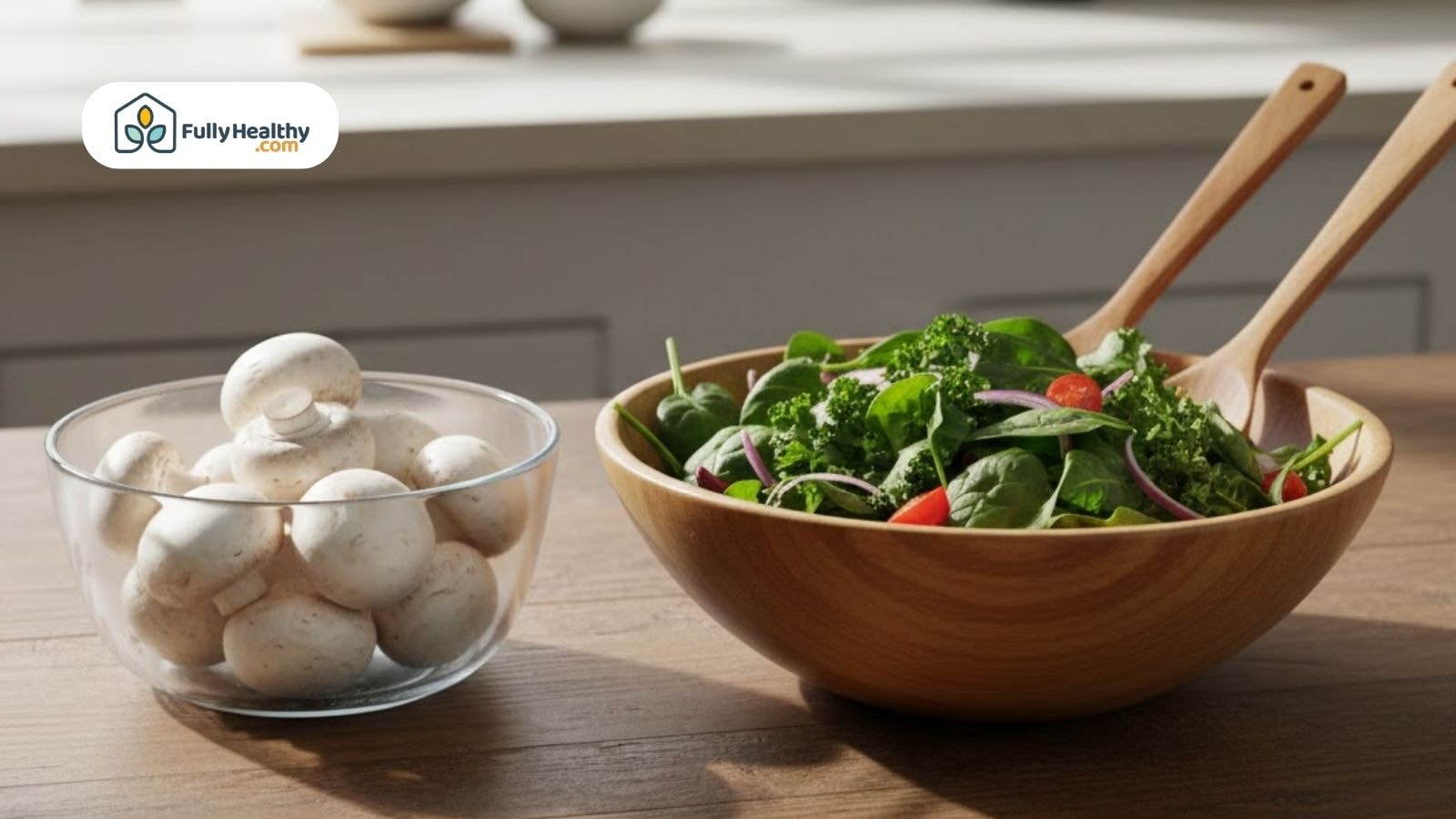
Some types of mushroom have a mild flavor and a firm texture that make them better suited to eating raw. The most common types are button mushrooms and white button mushrooms because they taste good in salads.
-
Common choices: Button mushrooms, white button, and young cremini mushrooms are often consumed raw.
-
Texture: Thin slicing helps preserve a crunchy texture without feeling chewy.
-
Taste: Mild mushrooms pair well with olive oil and acidic dressings.
Prep Tips for Texture and Safety
Preparing mushrooms is an important part of making them taste better. Simple steps help control how things feel, taste, and how well they are digested.
-
Cleaning: Use a quick rinse or soft brush, then dry immediately.
-
Slicing: Thin slices are easier on the digestive system.
-
Portions: Small portions help reduce digestive strain during raw consumption.
-
Fresh use: Raw mushroom salads should be eaten fresh rather than stored.
When Should You Not Eat a Mushroom?

Signs a Mushroom Has Gone Bad
Fresh mushrooms go bad quickly, and changes that you can see or smell tell you when they are no longer safe to eat. Eating mushrooms after their prime raises the risk of stomach problems and getting bacteria that can make you sick.
-
Texture changes: Slimy or sticky surfaces indicate spoilage and unsafe mushroom consumption.
-
Smell: A strong, sour, or fishy odor means the mushrooms should be discarded.
-
Appearance: Dark spots, excessive wrinkling, or visible mold are clear warning signs.
-
Freshness check: Mushrooms should feel firm and dry, not wet or collapsing.
Storage Mistakes That Increase Risk
Improper storage speeds up the buildup of moisture and the growth of bacteria, which makes mushrooms unsafe more quickly. Correct storage is important to keep the food fresh, tasty, and nutritious.
-
Moisture trapping: Sealed plastic containers cause condensation that speeds spoilage.
-
Proper storage: Paper bags or breathable containers help keep fresh mushrooms dry.
-
Refrigeration: Mushrooms should be stored cold but not washed until use.
-
Shelf life: Even with proper storage, mushrooms should be eaten within a few days.
About FullyHealthy (Change Title in Final Draft)
What FullyHealthy Offers
FullyHealthy is an online store that specializes in helping people shop by diet, ingredient transparency, and specific nutritional needs. The platform focuses on products from well-known brands and clear labeling.
-
Diet-focused shopping: Customers can browse foods that support specific diet preferences.
-
Ingredient clarity: Products list ingredients clearly to support informed consuming mushrooms decisions.
-
Trusted sourcing: FullyHealthy works with brands aligned with clean-label standards.
Mushroom-Based Products Available
FullyHealthy sells prepared foods with mushrooms for people who like them cooked instead of raw. These foods emphasize flavor, nutrition, and helps people safely enjoy mushrooms while knowing what they're doing.
-
Kettle & Fire Gluten-Free Organic Mushroom Chicken Bone Broth: A slow-simmered broth made with cooked mushrooms and chicken bone broth, designed to support proper cooking, flavor depth, and nutritional balance.
-
Wild Zora Quick Quinoa Meal Harvest Beef with Mushrooms: A ready-to-eat meal combining properly cooked mushrooms with beef, quinoa, garlic, and herbs for a nutritious and convenient option.
Final Thoughts
A lot of people wonder if they can eat mushrooms raw and still be healthy, safe, and enjoy the taste. The answer depends on the type of mushroom, how you make it, and how much you eat. Some people like to eat mushrooms raw because they are crunchy and easy to make, but others would rather cook them to lower the risk and help with digestion.
Shiitake dermatitis is an example of why awareness is important, and even loved mushrooms like porcini are best handled carefully. If you use mushrooms carefully, they can become a tasty food, so read carefully and pick the best option for you.
FAQs
Are raw mushrooms good for your gut?
Raw mushrooms can be harder to digest, so some people avoid eat mushrooms raw to reduce bloating or discomfort.
Which mushrooms should you not eat raw?
Certain types linked to shiitake dermatitis and wild varieties should not be eaten raw due to higher risk.
What organ is mushroom good for?
Mushrooms are often linked to immune system and liver support when eaten as part of a balanced diet.
How do you prepare raw mushrooms safely?
Clean gently, slice thin, and keep portions small when you eat mushrooms raw to lower risk.
Do you wash mushrooms before eating raw?
Yes, washing mushrooms before eating raw helps remove dirt and surface residue.
Leave a comment