

Can You Freeze Cranberries? A Simple Storage Guide
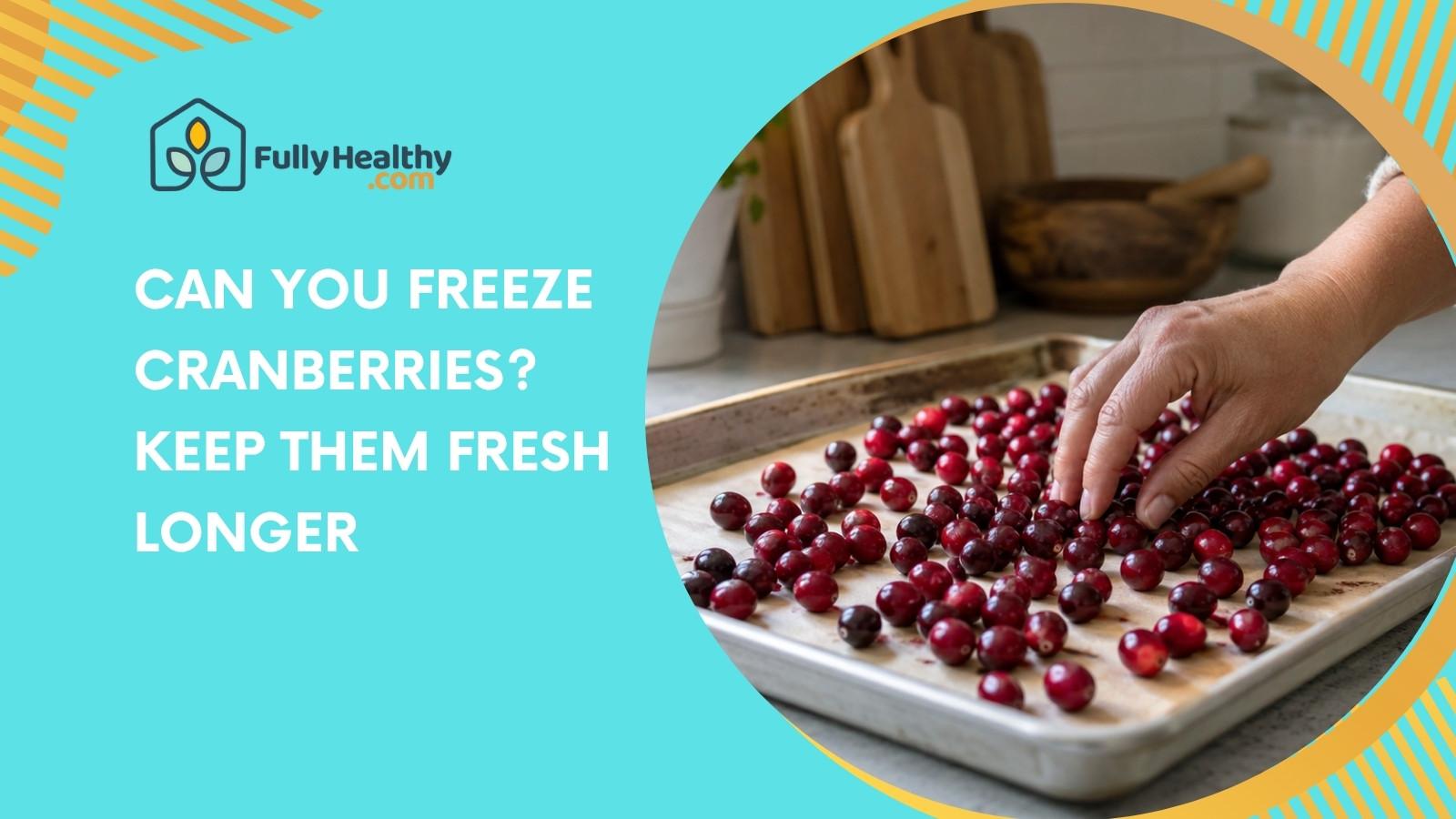
Can you freeze cranbrries? Yes, you can freeze cranberries, and it is one of the easiest ways to keep them longer. Fresh cranberries freeze well when they are firm, clean, dry, and stored in airtight bags.
Once frozen, they work best in sauces, muffins, breads, smoothies, and cooked recipes. They may soften after thawing, so texture can change. This guide explains how to freeze them, use them, check spoilage, and shop smarter.
Featured Snack Pick
EPIC // Bison Bacon Cranberry Bar - 1.3 oz
Loading...
Can You Freeze Cranberries?
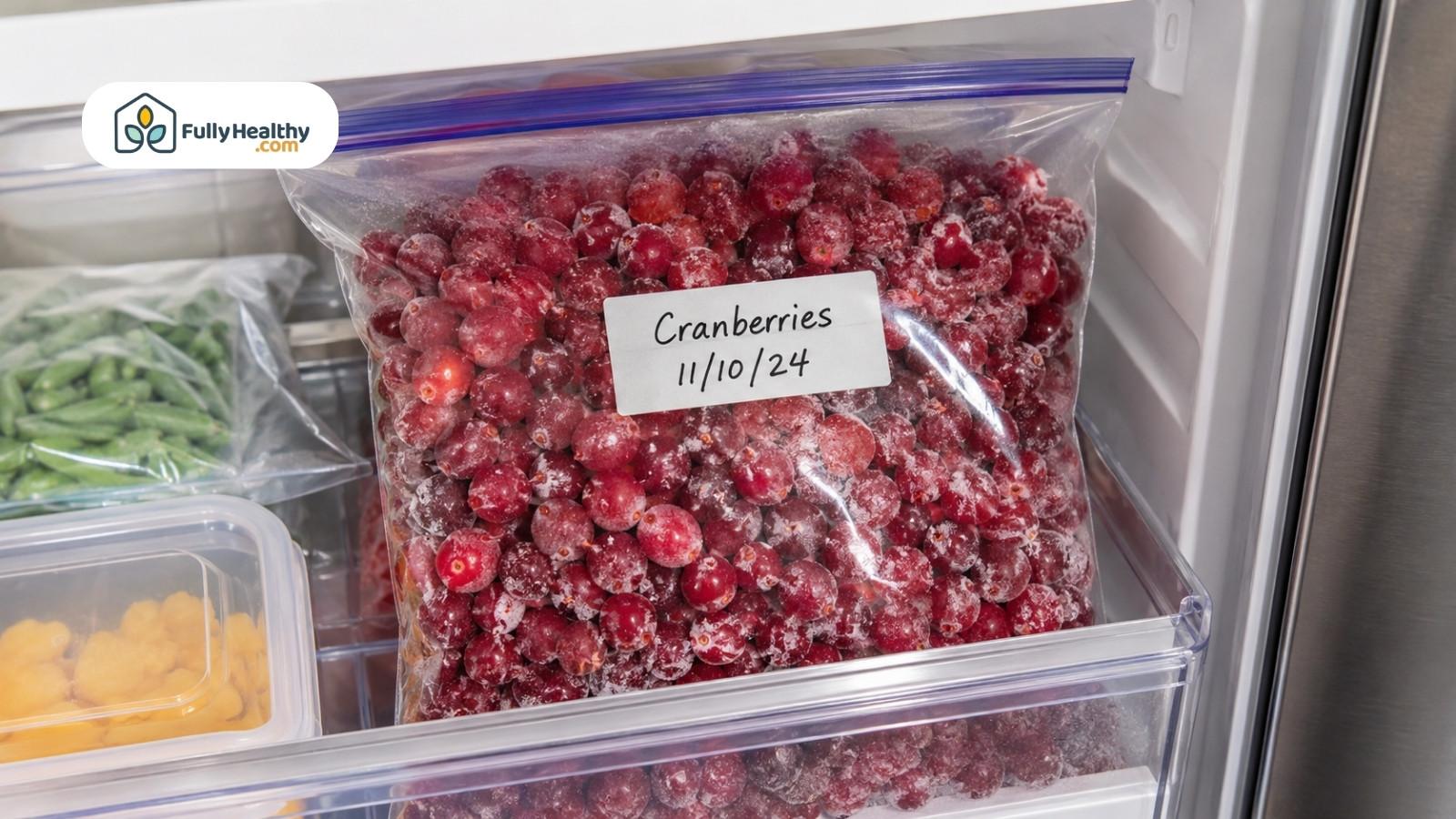
Yes, you can freeze cranberries to keep this tart fruit useful year round. The best berries for freezing are firm, clean, dry, and fresh. This simple step also supports smart home food preservation and helps reduce waste.
Can You Freeze Cranberries Without Ruining the Texture?
Cranberries freeze well because they have firm skins and a tart, strong flavor. Still, they may feel softer after thawing. This is normal and does not mean they are spoiled.
-
Pick the Best Berries: Choose bright red berries with glossy skins, and remove soft berries before freezing.
-
Wash Gently: Rinse the berries under cold water to remove dirt or small stems.
-
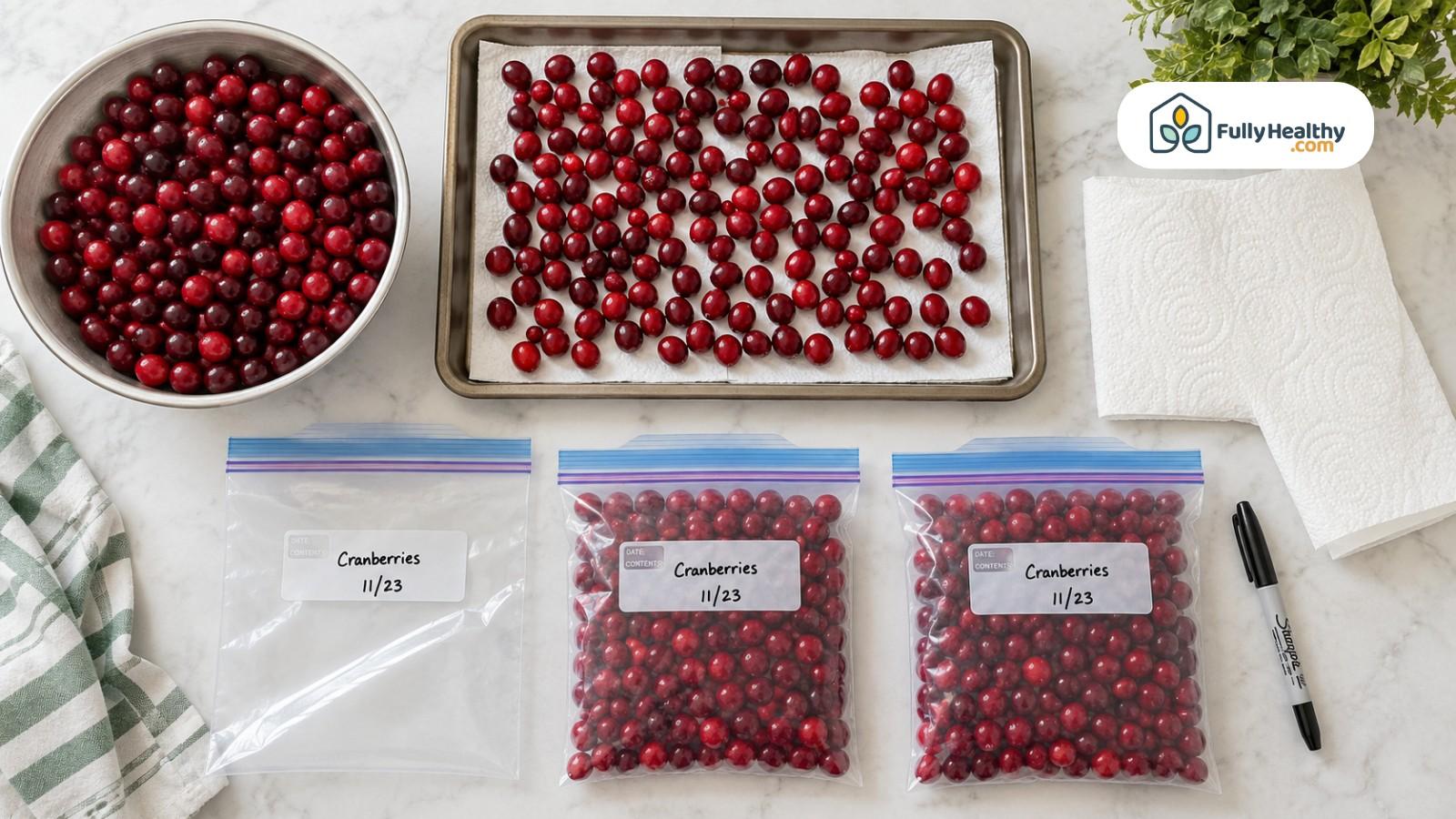
Dry Them Well: Drain the berries, then spread them on paper towels or a clean kitchen towel.
-
Protect the Quality: Use a freezer bag after tray freezing to help prevent freezer burn and ice crystals.
How to Prepare Fresh Dried Cranberries Before Freezing
Start with fresh cranberries, not dried cranberries. Place the berries in a single layer on a rimmed baking sheet or baking sheet. Freeze them until frozen solid before packing.
-
Freeze in One Layer: A single layer keeps the berries from sticking together in the freezer.
-
Seal the Bag Tight: Move the frozen berries to a freezer bag and press out extra air.
-
Label the Bag: Write the date on the bag so you know when you froze them.
-
Use the Oldest First: For best quality, use frozen cranberries within 8–12 months when stored at 0°F (-18°C) or below.
Do Frozen Cranberries Get Mushy When Thawed?
Frozen cranberries can become softer after thawing. This does not mean they are bad. It happens because water inside the fruit expands during freezing, then melts when thawed.
Why Frozen Cranberries Can Turn Mushy After Thawing
When berries freeze, small ice crystals form inside the fruit. After thawing, those crystals melt and make the berries wetter or softer. This texture is fine for most recipes.
-
Expect a Softer Bite: Thawed cranberries are better for cooked food than fresh snacking.
-
Check the Smell: Good cranberries should still smell clean, fresh, and tart.
-
Avoid Refreezing: Refreezing can hurt the flavor, color, and texture of the berries.
-
Review the Recipe: Check if your recipe works with extra moisture from frozen berries.
When to Use Frozen Cranberries Without Thawing
For cranberry sauce, muffins, breads, and cooked fillings, frozen berries can go straight into the pan or batter. This helps them hold their shape better while cooking.
-
Cook From Frozen: Most recipes do not need thawed cranberries before cooking.
-
Adjust the Time: Frozen fruit may need a few extra minutes in baked goods.
-
Stir Gently: Gentle mixing helps stop red juice from spreading too much in batter.
-
Read Helpful Notes: Recipe comments and required recipe ratings can give useful cooking tips.
Are Cranberries Good for Heart Failure?
Cranberries may fit into a heart-conscious diet, but they are not a cure for heart failure. Michigan State University Extension gives useful storage tips, while heart research focuses more on risk markers.
What Cranberries May Do for Heart Health
Cranberries contain natural plant compounds that may support blood vessel health. Some cranberry juice studies look at heart-related markers, but they do not prove that cranberries treat heart failure.
-
Choose Low Sugar: Unsweetened cranberry products are better than sweet juice drinks.
-
Watch Portions: Juice adds fluid, which may matter for people with heart failure.
-
Eat Whole Fruit: Whole cranberries give fiber, while juice usually has less fiber.
-
Ask a Doctor: Heart failure care may include fluid, sodium, and medicine limits.
Why Heart Failure Patients Should Ask Their Doctor First
Cranberry products may interact with warfarin and other medications; patients should consult their healthcare provider before regular use. The concern is not only cranberries. It can also involve fluid, sugar, and medicine.
-
Limit Juice When Needed: Cranberry juice can add liquid quickly to the diet.
-
Check Added Sugar: Many cranberry drinks contain more sugar than fruit.
-
Use Cranberries Wisely: Add them to oatmeal, sauces, salads, or baked food.
-
Share a Tip: Readers can comment something helpful about how they use frozen cranberries.
How to Tell If Cranberries Have Gone Bad?
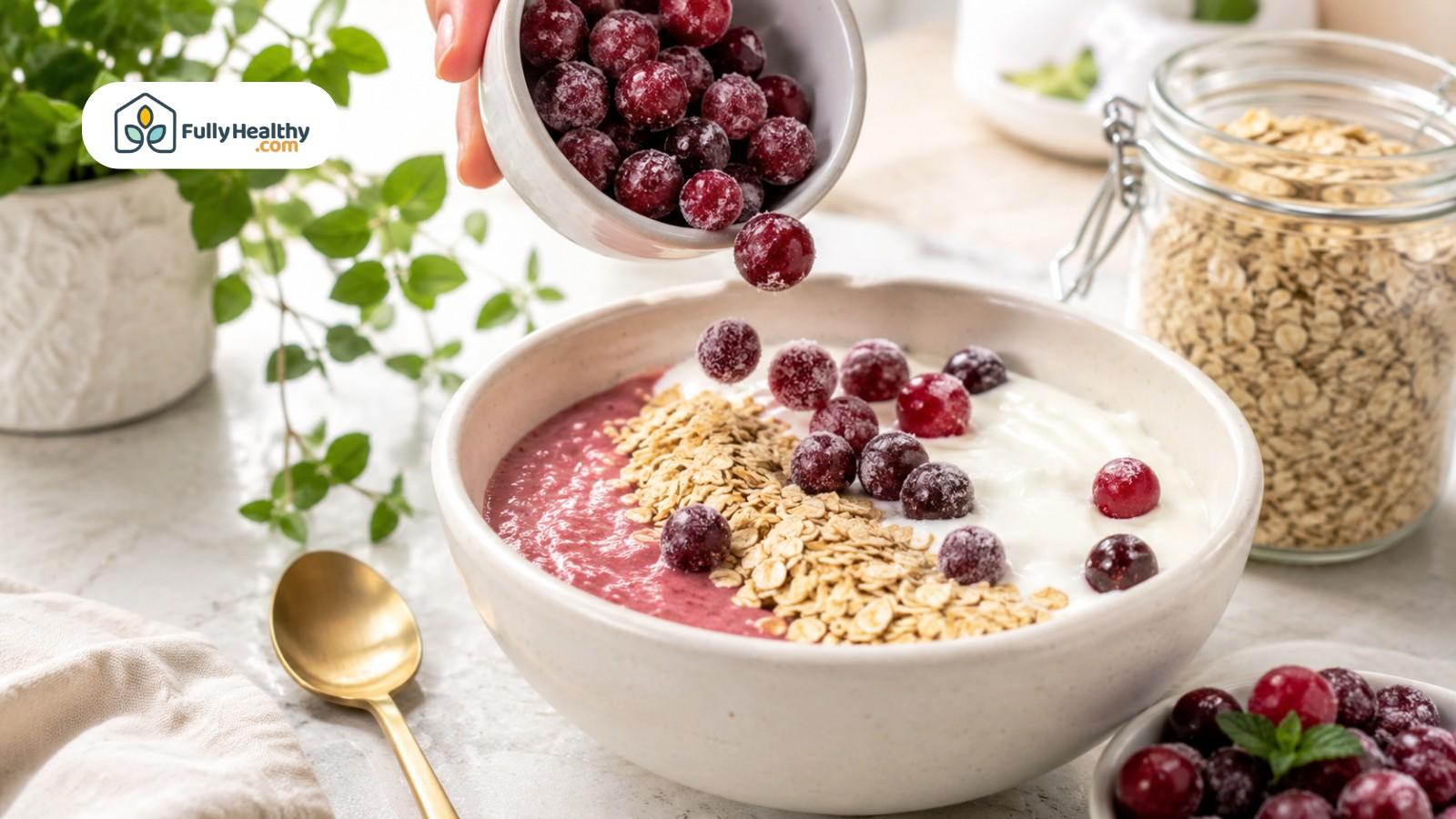
Fresh cranberries should look plump, firm, and clean. They should also have a fresh, tart smell. If they look moldy, feel sticky, or smell sour, it is safer to toss them. The best way to protect freshness is to store them in the refrigerator or fridge until you are ready to use them.
Signs Fresh Cranberries Are Bad
Good cranberries feel firm when you press them lightly. Bad cranberries often look shriveled, wrinkled, dull, wet, or collapsed. A few soft pieces can affect the rest, so always check the bag before cooking.
-
Sort First: Toss cranberries with mold, leaks, dark spots, or a sour smell.
-
Check the Texture: Avoid berries that feel mushy, sticky, slimy, or too soft.
-
Look Closely: Shriveled or wrinkled berries may still work in cooked recipes if they are dry and mold-free.
-
Smell Before Use: Fresh cranberries should smell clean, cool, and tart.
When to Refrigerate, Freeze, or Throw Cranberries Away
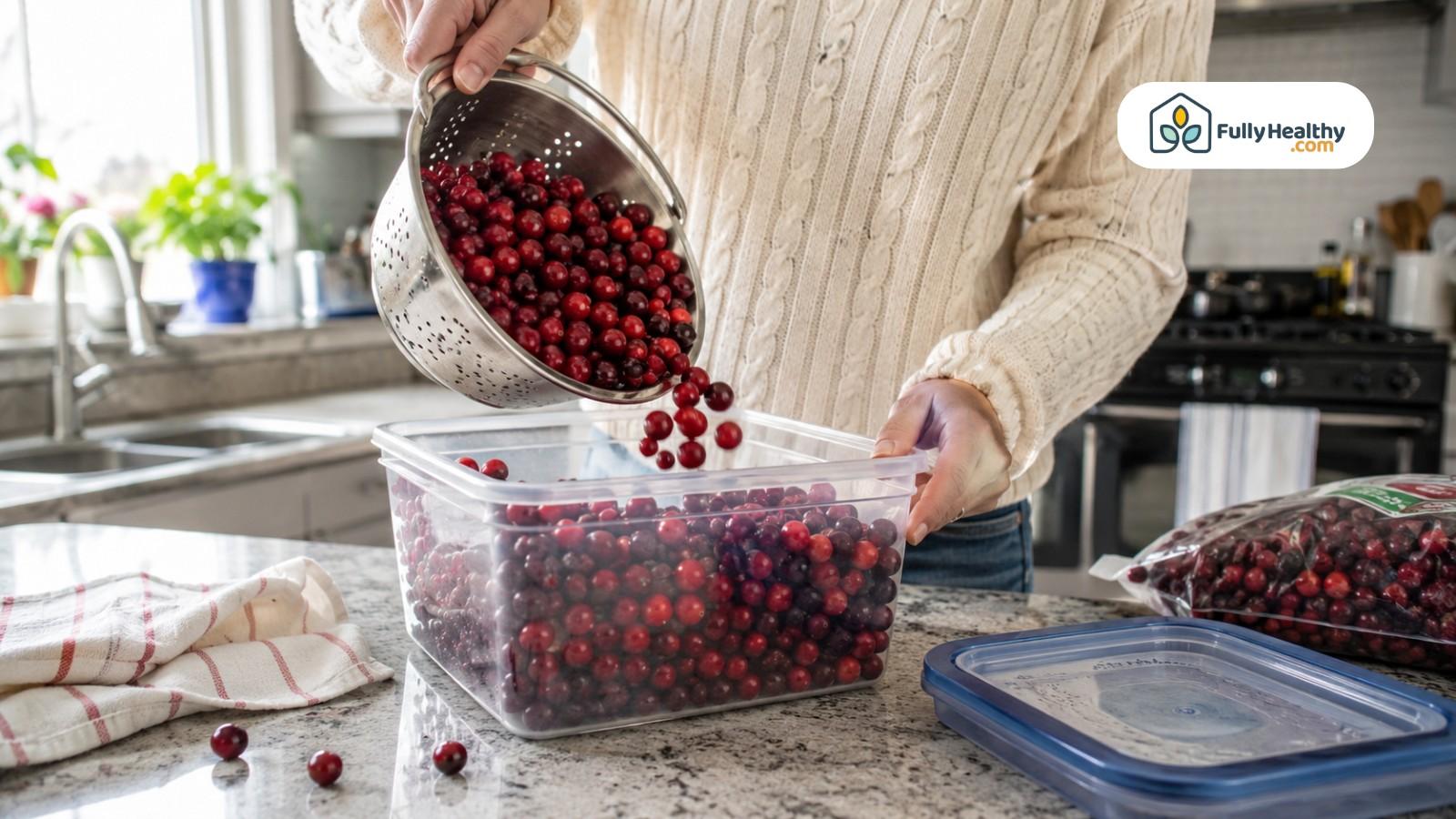
Store fresh cranberries in a breathable bag or container in the fridge. Do not wash them until you are ready to use them because extra moisture can shorten freshness. When needed, rinse them in a colander, drain well, and pat them dry.
-
Keep Them Cool: Place cranberries in the refrigerator after buying them to preserve quality.
-
Freeze Extras: Freeze firm berries if you cannot use them within a short period.
-
Throw Out Unsafe Berries: Discard moldy, leaking, slimy, or sour-smelling cranberries.
-
Review the Recipe: Use softer but safe berries in cranberry sauce, jam, relish, or gelatin.
How Can FullyHealthy Help With Cranberry-Friendly Snacks?
FullyHealthy can help shoppers find special-diet foods for meals, snacks, and pantry needs. It is useful for a holiday occasion, quick breakfast, lunch box, or travel snack. It also helps add variety when fresh cranberries are not in season.
What FullyHealthy Can Do for Special-Diet Shopping
FullyHealthy makes it easier to shop for foods that fit different diet needs. Readers can find snacks, baking mixes, pantry goods, sweets, and protein items without checking many stores one by one.
-
Shop With Purpose: Find foods that match gluten-free, paleo, AIP, keto, vegan, or allergen-aware needs.
-
Save Time: Browse diet-friendly categories instead of reading every label from scratch.
-
Plan Ahead: Keep shelf-stable items ready for busy days, travel, or simple meal prep.
-
Add Variety: Use pantry snacks and mixes when fresh fruit is not available.
Which FullyHealthy Products Fit a Cranberry-Friendly Pantry?
The linked FullyHealthy products can support cranberry-inspired snacking and baking. These options are useful for readers who want convenient snacks, protein choices, or mixes that can pair well with dried cranberries.
-
EPIC Bison Bacon Cranberry Bar: This is a savory protein snack with cranberry flavor for busy days or travel.
-
Jack’s Paleo Kitchen Chocolate Cranberry Nut-Free Trail Mix Bites: These bites are a sweet snack option with cranberry flavor and no nuts.
-
EAT G.A.N.G.S.T.E.R Oatmeal Schmoatmeal Cookie Mix: This baking mix can pair well with dried cranberries for a simple cookie-style treat.
-
Pantry Tip: Keep these items in a container for lunch boxes, quick snacks, or planned recipe days.
Final Thoughts
Freezing cranberries is a simple way to keep this tart produce ready for sauces, muffins, breads, smoothies, and holiday meals. The key is to start with firm berries, rinse them only when needed, dry them well, and store them in airtight bags or containers.
Frozen cranberries may soften after thawing, so they are best for cooked dishes instead of fresh snacking. Before using them, check for mold, sour smells, or soft spots.
If you plan to bake, cook from frozen when the review recipe says it works. A freezer filled with cranberries can help you save money, reduce waste, and enjoy their bright flavor beyond cranberry season. It also makes quick meals easier when fresh cranberries are hard to find.
FAQs
Can frozen cranberries be used in baking?
Yes, frozen cranberries work well in muffins, breads, and cakes, especially when the review recipe says to use them straight from the freezer.
Should cranberries be thawed before cooking?
Many baked and cooked recipes can use cranberries directly from frozen, though some recipes may require thawing depending on the desired texture.
How do you know cranberries are still fresh?
Good cranberries should look plump, firm, and bright, while bad produce may look moldy, wet, or shriveled.
Can frozen cranberries be used for sauce?
Yes, frozen cranberries are great for cranberry sauce because they break down well when heated.
How long can cranberries stay in the freezer?
Frozen cranberries generally maintain best quality for about 8–12 months in airtight freezer packaging, though they remain safe longer if continuously frozen.
Leave a comment