

Can You Freeze Fresh Mushrooms? Best Way to Store Leftover Cooked Mushrooms
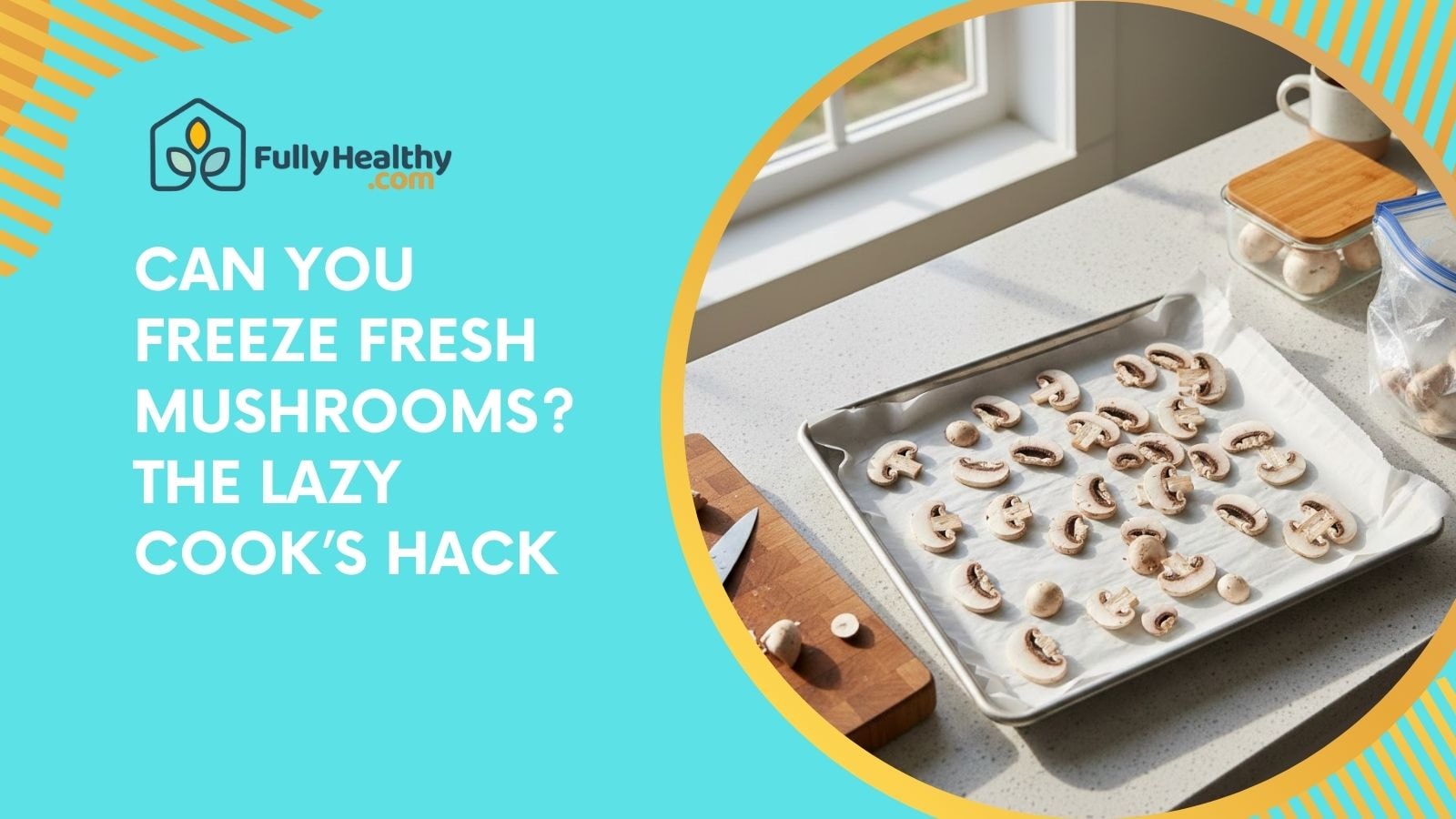
Yes, you can put fresh mushrooms in the freezer. It's a good idea that will help them last longer and cut down on waste. You can freeze them when they are raw, sautéed, or steamed. Each way changes the texture and flavor a little bit.
Frozen mushrooms are good in cooked dishes like pasta or soup. But they won't taste like fresh ones. This guide will show you how to freeze mushrooms safely and use them later.
Featured Pantry Pick
Wild Zora // Instant Soup Mushroom Beef with Mushrooms Pumpkin Turmeric - 0.5 oz
Loading...
Can You Freeze Fresh Mushrooms?
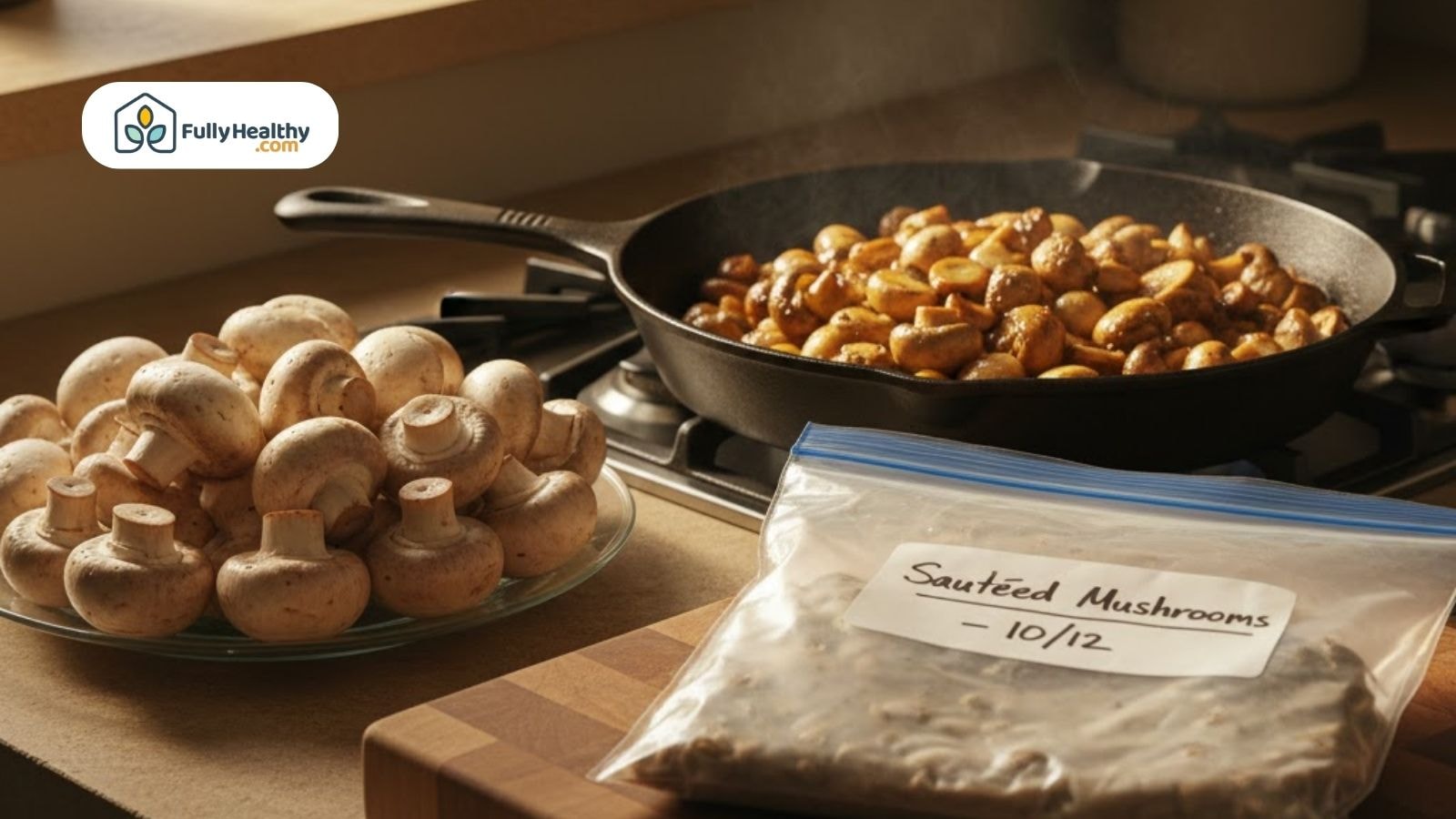
A good way to avoid wasting food and make mushrooms last longer is to freeze them. If you follow the right steps, you can freeze any type of mushroom, whether they are baby bella, portobello, or whole mushrooms. But they can change in taste and texture, so make sure you get them ready the right way.
You can freeze mushrooms raw, sautéed, or steamed, depending on how you plan to use them in the future.
How to Prepare Mushrooms for Freezing
Pick fresh mushrooms that are solid and don't have any slimy spots before putting them in the freezer. Use a soft brush or a wet paper towel to get rid of the dirt. Briefly rinse mushrooms under water if needed, then pat dry thoroughly to avoid excess moisture, which can affect texture after thawing.
-
Trim woody parts: Before freezing, cut off the hard stems.
-
Slice for quicker freezing: Mushrooms that are sliced up freeze faster and are simpler to use after they have been frozen.
-
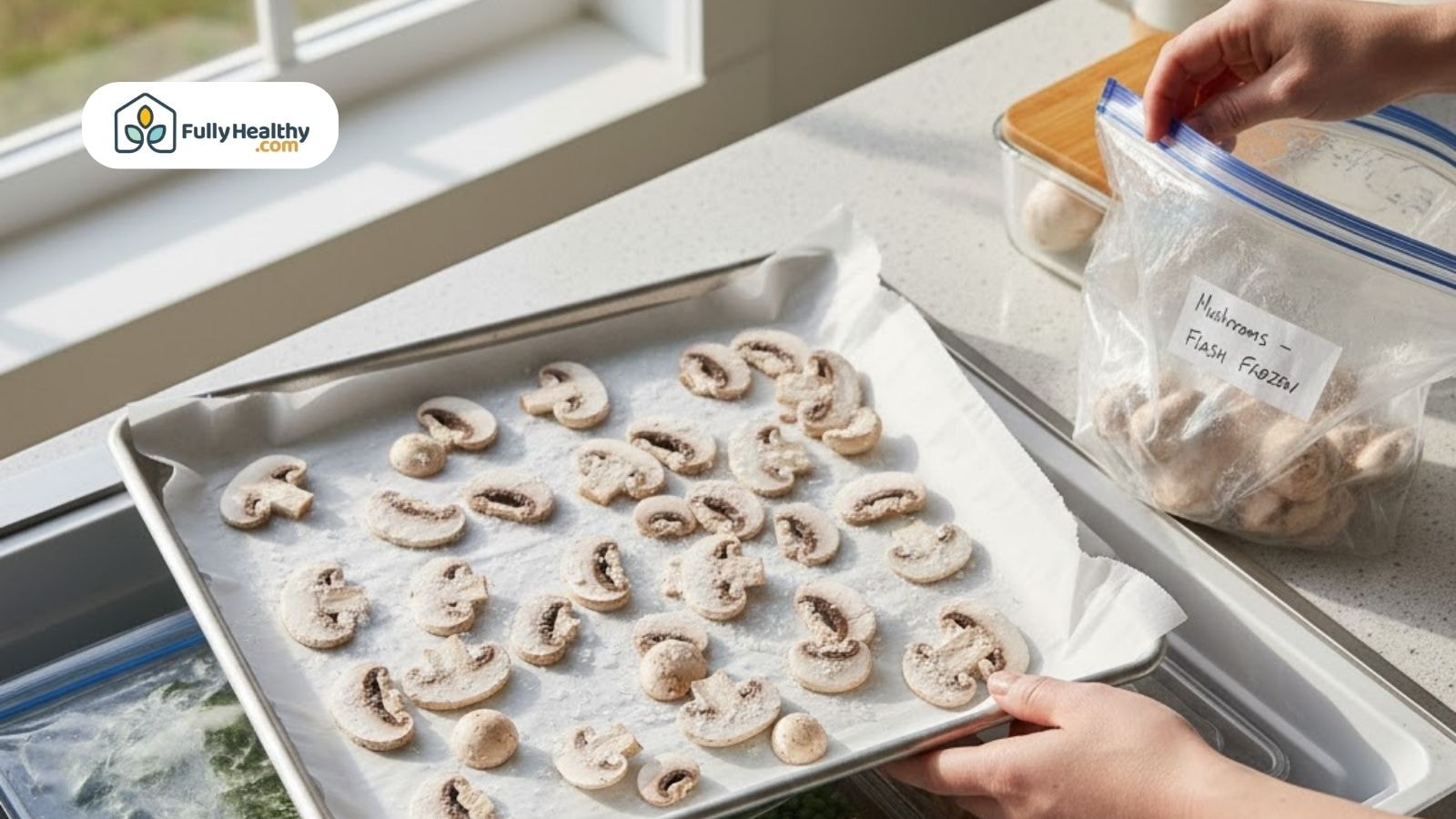
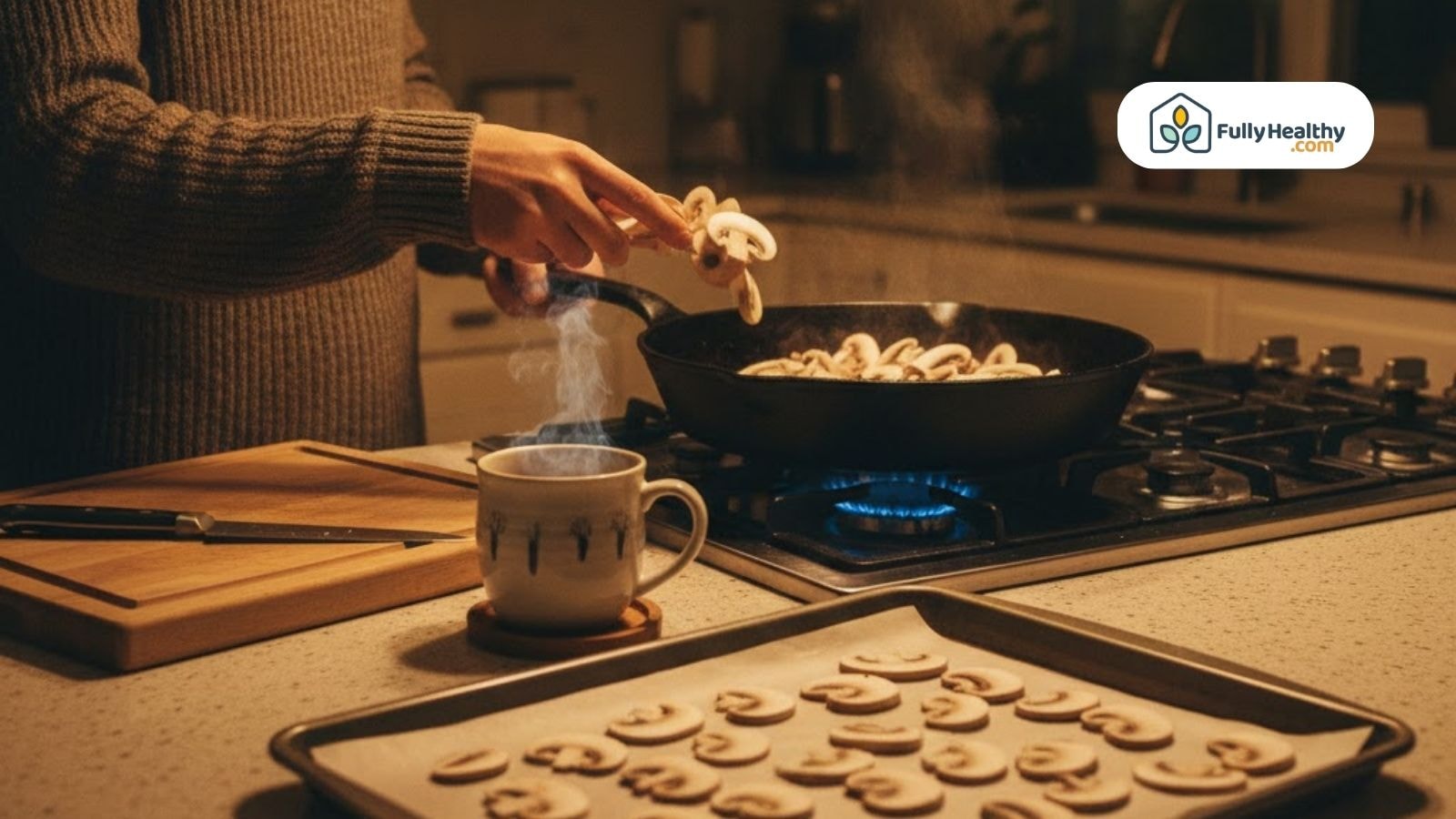
Use flash freeze method: Put them all in one layer on a baking sheet. After they are completely frozen, put them in a freezer bag.
-
Avoid excess water: Let sautéed or steamed mushrooms cool and drain before freezing.
Best Ways to Freeze Mushrooms
Depending on how you need to use them in a recipe, there are three common ways to freeze mushrooms. You can freeze them when they're raw, cook them by quickly steaming them, or cook them in oil or butter.
-
Freeze mushrooms raw: Cut them up and flash freeze them before putting them in a sealed container or freezer bag.
-
Sauté before freezing: After cooking something in a pan with oil or butter, let it cool and then put it in a container that is airtight and freeze it.
-
Steam-blanching method: For a few minutes, steam the mushrooms in a steamer basket. Then, cool them in ice water, drain them, and freeze them.
Are Mushrooms Still Good After Being Frozen?
Mushrooms that have been frozen are still safe to eat, but they may taste and feel different. After thawing, they usually get softer. The important thing is to use them in recipes where the texture doesn't matter, like stews, casseroles, and stir-fries. They still offer an earthy flavor and remain a versatile ingredient in many types of cooking.
Texture and Flavor Changes After Freezing
Frozen mushrooms are best in cooked dishes once they have thawed. They might not be as firm, but they will still work well in a meal.
-
Expect softer texture: Thawed mushrooms are usually more fragile, especially if they were frozen raw.
-
Flavor stays earthy: The flavor gets deeper but still goes well with sauces and vegetables.
-
Avoid raw use: Don't put mushrooms that have been thawed in salads or meals that are eaten fresh.
How Long Frozen Mushrooms Last
Properly stored frozen mushrooms retain best quality for 8–12 months, although they may remain safe beyond that time. To keep it fresh, use a freezer bag or an airtight container.
-
Best within 3 months: Early on, it tastes better and is better for you.
-
Store in freezer at 0°F: Stops mushrooms from going bad and keeps them frozen solid.
-
Keep out as much air: Before you seal the bag, push the air out of it.
-
Label the date: To be safe and get the best flavor, use it within a year.
How Good Are Frozen Mushrooms?
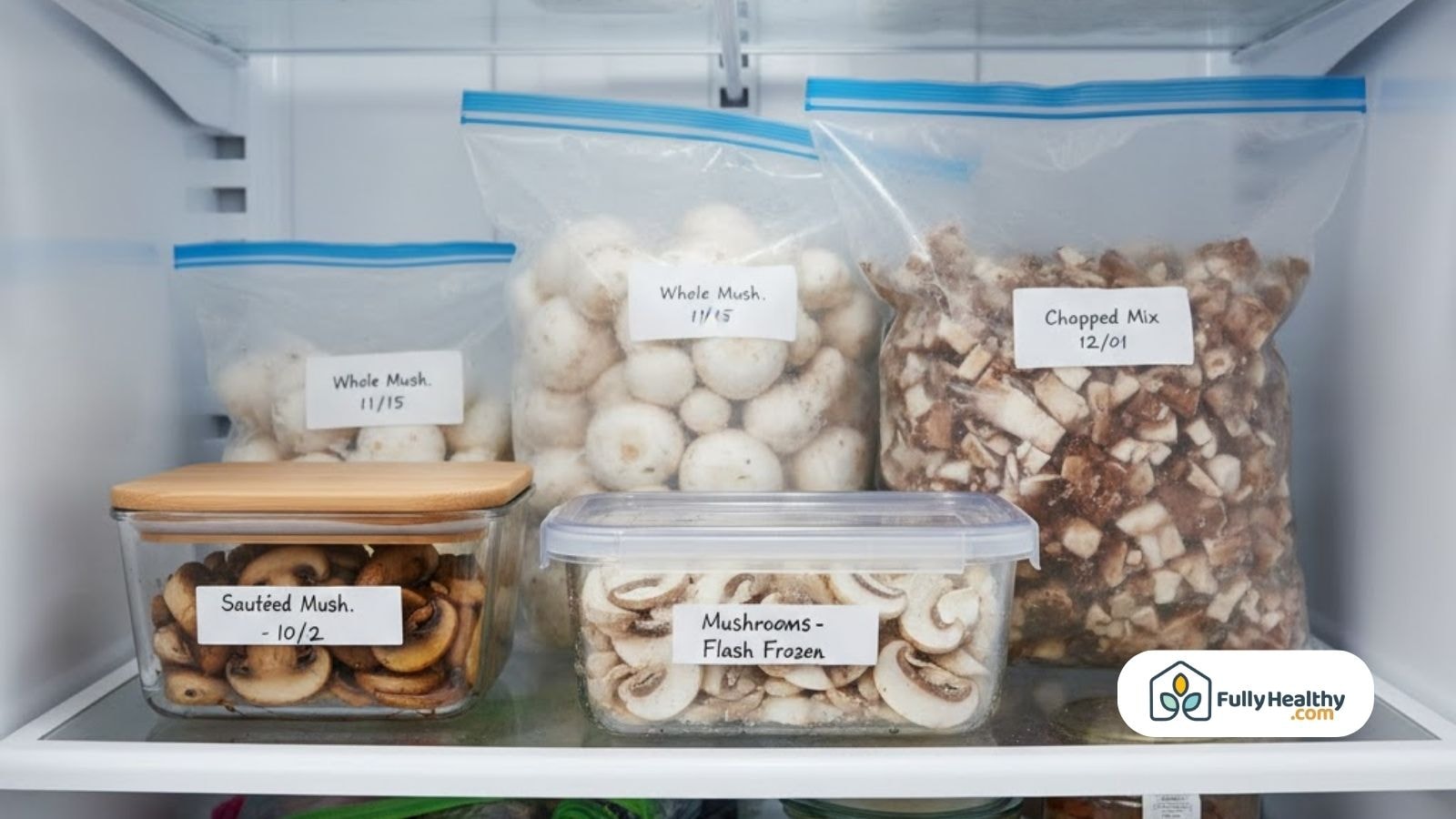
Mushrooms that are frozen stay tasty and can be used in a lot of different recipes. You might not want them in a fresh stir, but they're great in soups, pasta, or any other cooked meal. Cooking enhances flavor and evaporates excess surface moisture, improving the texture of frozen mushrooms. Fresh mushrooms that are handled correctly before freezing will taste better.
Nutritional Impact of Freezing
Some nutrients may be lost when food is frozen, but most minerals stay intact. You can keep more of the good stuff by steaming or sautéing.
-
B vitamins may decrease: Some water-soluble vitamins, such as B-complex, may slightly decrease during blanching, but most nutrients remain stable with proper cooking.
-
Minerals remain stable: Potassium, copper, and fiber stay intact.
-
Cooking with oil helps: Using oil or butter to sauté food makes it easier for our bodies to take in the antioxidants that are in the food.
Best Uses for Frozen Mushrooms
Use mushrooms that have been thawed in dishes where how they feel isn't important. They're really good in hot foods.
-
Perfect for stews and casseroles: Add without thawing.
-
Toss into a boiling pot of pasta: At the end, mix it all together.
-
Ideal in sauces: Add bulk and taste to any dish.
-
Great with vegetables: Add to a stir-fry or roast it with oil.
-
Use leftovers wisely: You can use cooked mushrooms that have been frozen to make another meal go further.
Can Mushroom Toxins Be Destroyed by Freezing?
Freezing mushrooms is a good way to store them, but it doesn't get rid of the toxins that are in poisonous ones. This is a very important safety issue, especially if you pick wild mushrooms. The harmful things in poisonous mushrooms can live through hot and cold weather.
So, freezing is not a good way to make mushrooms safe to eat. Always get your mushrooms from a trusted, edible kind, and don't eat wild mushrooms unless they have been properly identified by experts.
Freezing Does Not Neutralize Mushroom Toxins.
Dangerous chemicals in toxic mushrooms stay active even after freezing. The toxins are still there and bad for you even after being frozen for a few hours or more.
-
Toxins resist cold: Freezer temperatures don't get rid of dangerous chemicals.
-
Freezing doesn’t sanitize: Freezing slows spoilage but doesn't sterilize food; harmful bacteria or toxins remain active once thawed.
-
Avoid unknown mushrooms: Don't freeze mushrooms unless you know they are safe to eat.
-
Don’t rely on appearance: Poisonous mushrooms can look like safe ones.
Proper Identification Is the Only Protection.
The best way to stay away from poisonous mushrooms is to know how to tell them apart before cooking or freezing them. If you forage, don't think a mushroom is safe just because it smells good or looks like the ones you buy at the store.
-
Buy from stores: Pick mushrooms that are already packaged in the fridge section.
-
Use a guide or expert: If you are foraging, make sure each mushroom is safe by checking with a reliable source.
-
Avoid risk altogether: If you don't know how to tell them apart, don't eat wild mushrooms.
What Does Fully Healthy Offer for Mushroom Lovers?
Fully Healthy has a lot of clean, allergen-free foods that go great with mushrooms, which is especially good for people on the AIP diet or who need to avoid gluten.
If you want to flavor frozen mushrooms or add them to a meal that's already been made, their sauces, seasonings, and broths can make your dishes better. When heated correctly, frozen mushrooms mix easily into AIP-compliant meals without any extra work.
Are Frozen Mushrooms AIP- and Gluten-Free Friendly?
Mushrooms are naturally AIP-compliant and gluten-free. Since freezing doesn't change that, they are safe for people with dietary restrictions. Frozen mushrooms make tasty meals easy to make on Fully Healthy.
-
No additives needed: As long as you store and cook mushrooms the way you normally do, you'll be fine.
-
Combine with AIP sauces: Use frozen mushrooms in stir fry and stews that follow the rules.
-
Use AIP seasonings: Fully Healthy sells blends that don't have any nightshades in them.
-
Follow safe storage tips: If you aren't going to freeze the mushrooms right away, put them in the fridge.
Recommended Fully Healthy Products for Mushroom Recipes.
You can add a lot of things from Fully Healthy to mushroom recipes. These can make things taste better, help you stick to your clean eating goals, and make mushroom meals that are already frozen taste better.
-
Try their sauces: Add flavor to mushrooms in casseroles or stews.
-
Seasoning blends work great: Once the mushrooms are thawed, you can put them in the pan and add seasoning.
-
Use clean oils: When you are following the AIP diet, you can cook frozen mushrooms using oils such as avocado oil.
-
Don’t forget broth: You can add them to soups or a pot recipe that is mostly mushrooms.
-
Check storage labels: Refrigerate mushroom dishes within a few hours if you plan to store them.
Final Thoughts
To keep fresh mushrooms from going bad and to avoid wasting them, you can freeze them. Put it in the freezer, not the fridge, in a freezer bag or airtight container. Mushrooms that are frozen raw, steamed, or cooked work well in cooked dishes like casseroles, stir fry, and stews.
Never thaw food at room temperature; always do it safely. Thawed mushrooms are ready to be sautéed, stirred, or roasted in any recipe after a few hours in the fridge.
FAQs
Can raw mushrooms be frozen without blanching?
Yes, you can freeze mushrooms raw like baby bella or portobello mushrooms using a freezer bag or sealed container to keep the earthy flavor.
How long will mushrooms last in the fridge?
Whole mushrooms can stay fresh in the refrigerator for a few hours to 7 days with a damp paper towel or plastic bag.
What is the best container to freeze mushrooms in?
Use an airtight container or freezer bag to flash freeze sliced mushrooms in a single layer on a baking sheet.
What are the benefits of freezing mushrooms?
Freezing helps extend shelf life, reduce food waste, and keep cooked mushrooms ready for recipes like stir fry and casseroles.
What is the healthiest way to eat mushrooms?
Sauté in oil or butter, drain excess water, and stir into vegetables or pasta for a delicious meal with good nutritional value.
Leave a comment